How to Boost Immune System Naturally: Simple and Effective Ways to Strengthen Your Body’s Defenses
How to boost the immune system naturally is one of the most searched health topics today, and for good reason. Your immune system works around the clock to protect you from harmful bacteria, viruses, and other invaders that could make you sick.
When your immune system is strong, you’re better equipped to fight off infections and recover faster when you do get ill. The good news is that you don’t need expensive supplements or complicated routines to support your immunity. Simple, natural lifestyle changes can make a powerful difference in how well your body defends itself.
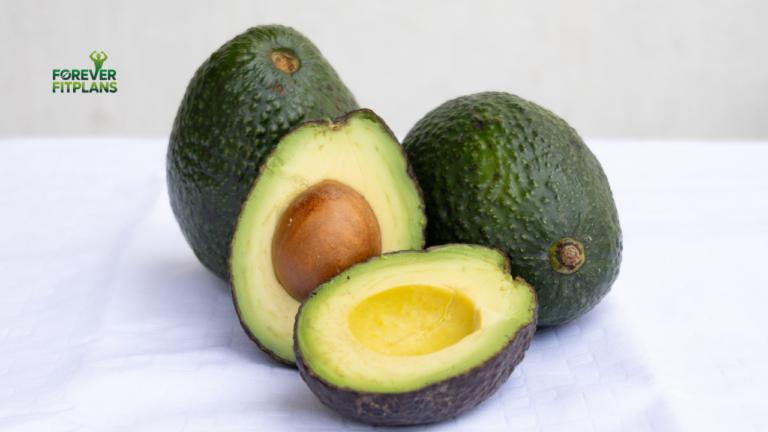
Adding healthy fats to your diet is important for strong immunity. For example, avocados are packed with vitamins, minerals, and antioxidants that support immune health — learn more here: Are Avocados Good for You.
Understanding Your Immune System
Before we explore how to boost the immune system naturally, it’s helpful to understand what your immune system actually does. Think of it as your body’s personal security team. It consists of organs, cells, tissues, and proteins that work together to identify and eliminate threats. When functioning properly, your immune system can distinguish between your body’s own cells and foreign invaders, attacking only the harmful ones.
Your immune system has two main parts: the innate immune system you’re born with and the adaptive immune system that develops as you’re exposed to different germs throughout your life. Both parts need proper support to work effectively, and that support comes primarily from your daily habits and lifestyle choices.
Prioritize Quality Sleep
One of the most powerful ways to boost the immune system naturally is through adequate sleep. When you sleep, your body produces and releases proteins called cytokines that help fight infection and inflammation. Without enough sleep, your body makes fewer of these protective proteins, leaving you vulnerable to illness.
Adults should aim for seven to nine hours of quality sleep each night. During sleep, your immune system goes into repair mode, strengthening its defenses and creating memories of past infections to respond faster in the future. People who consistently get less than six hours of sleep are significantly more likely to catch colds and other infections.
To improve your sleep quality, establish a consistent bedtime routine. Go to bed and wake up at the same time every day, even on weekends. Keep your bedroom cool, dark, and quiet. Avoid screens for at least an hour before bed, as blue light can interfere with your natural sleep hormones. If you struggle with sleep, consider relaxation techniques like deep breathing or gentle stretching before bed.
Eat a Rainbow of Fruits and Vegetables
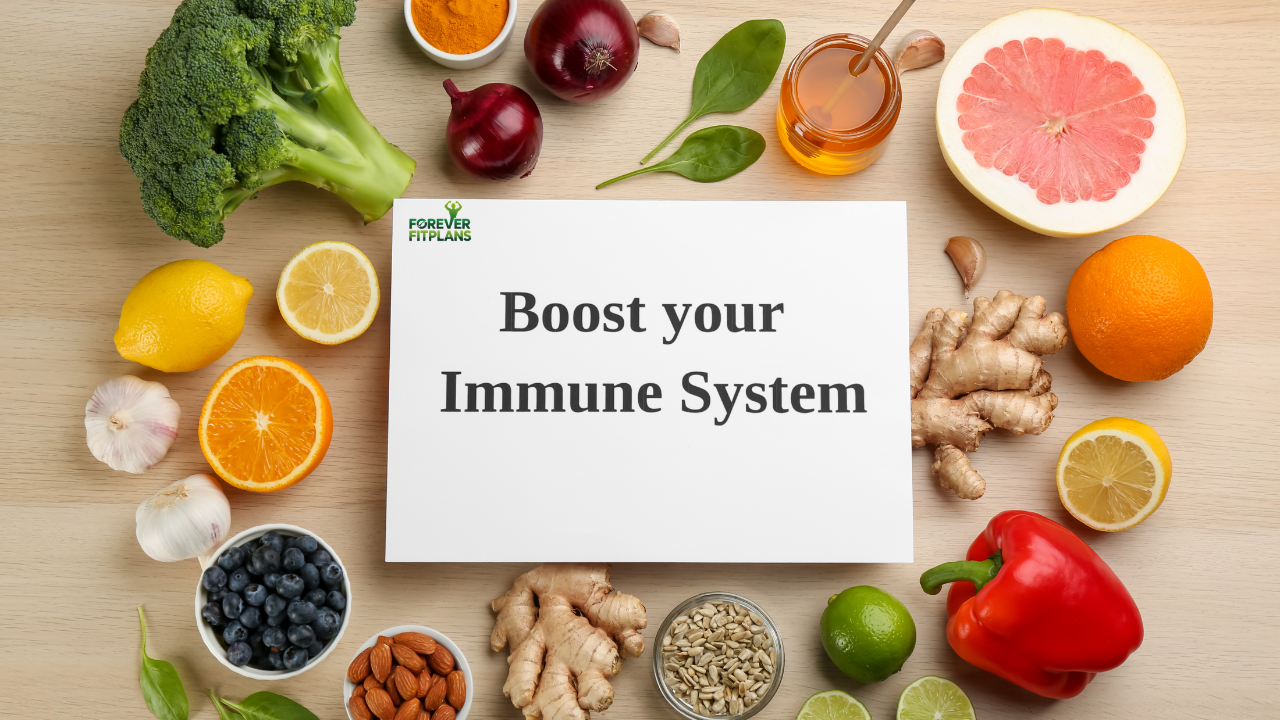
Nutrition plays a crucial role in how to boost immune system naturally. Your immune cells need vitamins, minerals, and antioxidants to function properly, and the best source of these nutrients is whole foods, particularly fruits and vegetables. Aim to eat a variety of colorful produce every day – the different colors represent different beneficial compounds.

Citrus fruits like oranges, lemons, and grapefruits are rich in vitamin C, which helps increase the production of white blood cells that fight infections. Red bell peppers actually contain even more vitamin C than citrus fruits. Berries are packed with antioxidants that protect your cells from damage. Leafy greens like spinach and kale provide vitamins A, C, and E, plus folate and other immune-supporting nutrients.
Don’t forget about garlic and ginger. Garlic contains compounds that help immune cells respond more effectively to threats, while ginger has powerful anti-inflammatory properties. Try adding fresh garlic to your cooking and drinking ginger tea regularly. Turmeric, with its active compound curcumin, is another excellent anti-inflammatory spice that supports immune function.
Stay Physically Active
Regular exercise is essential when learning how to boost the immune system naturally. Moderate physical activity helps immune cells circulate through your body more effectively, allowing them to detect and respond to threats faster. Exercise also reduces inflammation and helps your immune cells regenerate regularly.
You don’t need intense workouts to reap these benefits. Moderate activities like brisk walking, cycling, swimming, or dancing for 30 minutes most days of the week are perfect. Even gardening or active housework counts. The key is consistency rather than intensity.
However, be careful not to overdo it. Extremely intense or prolonged exercise without adequate recovery can actually suppress your immune system temporarily. Listen to your body and give yourself rest days. A balanced approach to fitness supports immunity better than pushing yourself to exhaustion.
Manage Your Stress Levels
Chronic stress is one of the biggest enemies of a healthy immune system. When you’re stressed, your body produces cortisol, a hormone that can suppress immune function when elevated for long periods. Learning how to boost the immune system naturally means finding effective ways to manage stress.

Meditation and mindfulness practices have been shown to reduce stress hormones and enhance immune response. Even just five to ten minutes of deep breathing or meditation daily can make a difference. You don’t need any special equipment or training – simply sitting quietly and focusing on your breath is a great start.
Other stress-management techniques include spending time in nature, practicing yoga, journaling, or engaging in hobbies you enjoy. Social connections are also powerful stress relievers. Spending quality time with friends and family, even virtually, can lower stress levels and boost your mood and immunity.
Stay Hydrated Throughout the Day
Proper hydration is often overlooked when discussing how to boost the immune system naturally, but it’s essential. Water helps produce lymph, which carries white blood cells and other immune system cells throughout your body. It also helps flush toxins and waste products from your system.
Aim for at least eight glasses of water daily, more if you’re active or live in a hot climate. You can also get hydration from herbal teas, which offer additional immune benefits. Green tea contains powerful antioxidants called polyphenols that support immune function. Herbal teas like chamomile, echinacea, and elderberry have been traditionally used to support immunity.
Limit sugary drinks and excessive alcohol, as these can actually suppress immune function. Alcohol interferes with immune pathways and can make you more susceptible to infections. If you do drink alcohol, do so in moderation.
Get Plenty of Sunshine

Vitamin D plays a critical role in immune function, and one of the best ways to get it is through sunlight exposure. When learning how to boost the immune system naturally, don’t underestimate the power of spending time outdoors. Vitamin D helps activate your immune cells and has been linked to reduced risk of respiratory infections.
Try to get 10 to 30 minutes of midday sunlight several times per week, depending on your skin tone and location. People with darker skin need more sun exposure to produce the same amount of vitamin D. During winter months or if you live in areas with limited sunlight, consider vitamin D-rich foods like fatty fish, egg yolks, and fortified foods, or talk to your doctor about supplementation.
Maintain a Healthy Gut
Your gut health is intimately connected to your immune system. In fact, about 70% of your immune system resides in your gut. Supporting your digestive health is, therefore, crucial when exploring how to boost your immune system naturally.
Probiotic-rich foods like yogurt, kefir, sauerkraut, kimchi, and other fermented foods introduce beneficial bacteria to your gut. These good bacteria help train your immune system and protect against harmful invaders. Prebiotic foods like onions, garlic, bananas, and whole grains feed these beneficial bacteria, helping them thrive.
Fiber is also essential for gut health. It feeds beneficial gut bacteria and helps maintain the integrity of your gut lining, which serves as an important barrier against pathogens. Aim for at least 25 to 30 grams of fiber daily from fruits, vegetables, whole grains, and legumes.
Limit Sugar and Processed Foods
Understanding how to boost the immune system naturally also means knowing what to avoid. Excessive sugar consumption can suppress immune function for several hours after eating. High sugar intake promotes inflammation and can feed harmful bacteria in your gut, disrupting the balance of your microbiome.
Processed foods often contain unhealthy fats, excessive sodium, and artificial additives that can trigger inflammation and stress your immune system. They also lack the nutrients your immune cells need to function properly. Focus on whole, unprocessed foods as much as possible.
This doesn’t mean you can never enjoy treats. It’s about balance and making healthier choices most of the time. When you do indulge, do so mindfully and in moderation.
Practice Good Hygiene
While strengthening your immune system from within is important, practicing good hygiene provides an external line of defense. Wash your hands regularly with soap and water for at least 20 seconds, especially before eating and after using the bathroom or being in public spaces.
Avoid touching your face, particularly your eyes, nose, and mouth, as these are entry points for pathogens. Keep your living spaces clean, but don’t go overboard with antibacterial products – some exposure to germs actually helps train your immune system.
Stay Connected Socially
Human connection is a powerful but often overlooked aspect of how to boost the immune system naturally. People with strong social connections tend to have better immune function and recover from illness faster than those who are isolated. Loneliness and social isolation can trigger stress responses that suppress immunity.
Make time for meaningful connections with friends and family. This could be phone calls, video chats, or in-person visits. Join clubs or groups that align with your interests. Volunteer in your community. These social interactions provide emotional support that translates into physical health benefits.
Maintain a Healthy Weight

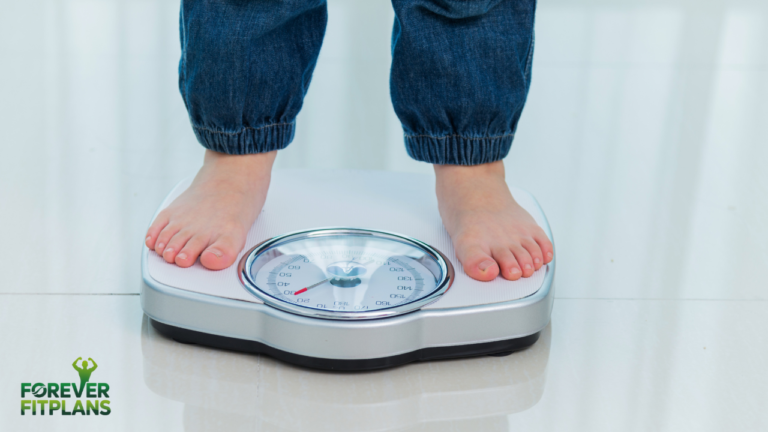
Carrying excess weight can impair immune function and increase inflammation throughout your body. Obesity is associated with chronic low-grade inflammation that keeps your immune system in a constant state of alert, potentially making it less effective when real threats appear.
The good news is that the same habits that boost immunity naturally – eating whole foods, exercising regularly, managing stress, and getting enough sleep – also help you maintain a healthy weight. Focus on these positive behaviors rather than restrictive dieting, which can actually stress your body and suppress immune function.
Final Thoughts
Learning how to boost the immune system naturally isn’t about finding a magic bullet or quick fix. It’s about adopting a holistic approach to health that supports your body’s natural defenses. Small, consistent changes in your daily habits can lead to significant improvements in immune function over time.
Remember that your immune system is complex and influenced by many factors. No single food, supplement, or habit will guarantee you never get sick. However, by combining multiple healthy practices – quality sleep, nutritious food, regular exercise, stress management, and good hygiene – you create the optimal environment for your immune system to function at its best.
Start with one or two changes that feel manageable and build from there. Perhaps you’ll begin by adding more vegetables to your meals and committing to a regular bedtime. As these habits become routine, add others. Be patient with yourself and recognize that supporting your immune system is a lifelong journey, not a destination.
Frequently Asked Questions
How long does it take to boost your immune system naturally?
Some improvements can happen within days, like better sleep quality, but most natural immune-boosting strategies take several weeks to months of consistent practice to show significant effects. Think of it as a long-term investment in your health rather than a quick fix.
Can you boost your immune system too much?
Your goal isn’t to overstimulate your immune system but to keep it balanced and functioning properly. Healthy lifestyle habits support optimal immune function without causing it to become overactive, which can lead to autoimmune issues or allergies.
What foods are best for immune system support?
Citrus fruits, berries, leafy greens, garlic, ginger, yogurt, almonds, fatty fish, and green tea are excellent choices. Focus on eating a variety of colorful, whole foods rather than relying on any single superfood.
Does vitamin C really prevent colds?
Vitamin C supports immune function, but it won’t necessarily prevent colds. However, adequate vitamin C intake may reduce the duration and severity of colds. It’s best obtained through food sources like citrus fruits, bell peppers, and broccoli.
How does stress affect the immune system?
Chronic stress elevates cortisol levels, which suppresses immune function over time. Stress can make you more susceptible to infections and slow wound healing. Managing stress through relaxation techniques, exercise, and social connection helps maintain healthy immunity.
Is it better to get nutrients from food or supplements?
Whole foods are generally better because they provide nutrients in forms your body can easily absorb, along with fiber and other beneficial compounds. Supplements can help fill specific gaps, but shouldn’t replace a healthy diet. Consult your doctor before starting any supplement regimen.

Dr. Daniel Carter is a certified health & wellness writer and fitness lifestyle researcher with over 8 years of experience in nutrition, weight management, sleep health, and preventive care. He is passionate about helping people live healthier, stronger, and more balanced lives through science-backed fitness strategies and easy-to-follow wellness tips.
Through FitForever Plan, Dr. Carter shares practical health advice, workout guidance, and nutrition insights designed to support long-term fitness, sustainable weight loss, and overall well-being. His mission is to make healthy living simple, achievable, and enjoyable for everyone.