Coffee vs Tea: Which Drink Is Better for Your Health?
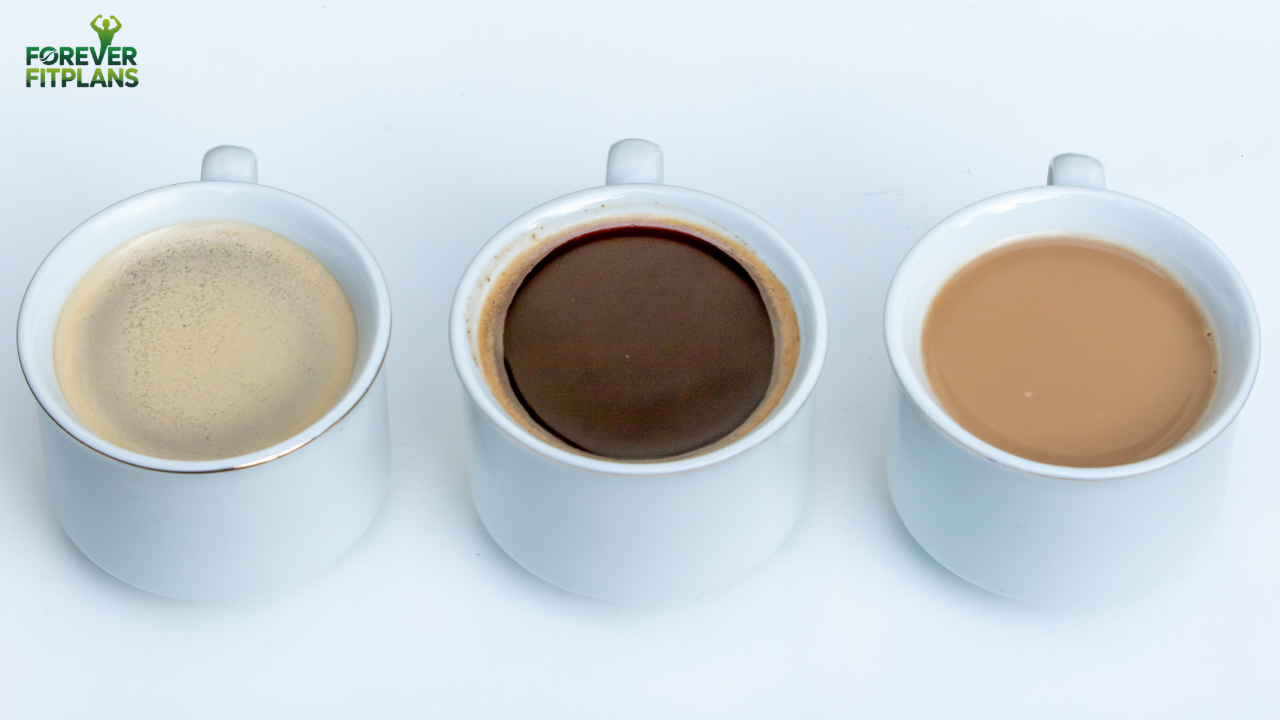
Coffee vs tea is one of the oldest debates in the world of beverages. Both drinks have passionate fans who swear by their favorite morning ritual. Some people can’t imagine starting their day without a strong cup of coffee, while others prefer the gentle, calming experience of sipping tea.
But beyond personal preference, is one actually better than the other? In this comprehensive guide, we will explore everything you need to know about coffee and tea, including their health benefits, caffeine content, effects on your body, and how to choose the best option for you.
Whether you are a lifelong coffee drinker curious about switching to tea, a tea lover wondering what you might be missing, or someone simply trying to make a healthier choice, this article will give you all the information you need to settle the coffee vs tea debate once and for all.
While comparing the health effects of coffee vs tea, it’s also helpful to explore natural remedies for common issues like nail infections. You can read more here: Toenail Fungus Vinegar.
The Origins and Popularity of Coffee and Tea
Both coffee and tea have rich histories that stretch back centuries. Tea is believed to have been discovered in China around 2737 BCE, making it one of the oldest beverages in human history. It eventually spread throughout Asia and later to Europe and the rest of the world. Today, tea is the most-consumed beverage in the world, after water.
Coffee has a slightly shorter but equally fascinating history. It is believed to have originated in Ethiopia around the 9th century and later spread to the Middle East, Europe, and eventually the Americas. Coffee culture exploded in the 20th century and continues to grow today, with coffee shops on nearly every corner in major cities around the world.
Both drinks have become deeply embedded in cultures worldwide, each with its own unique preparation methods, ceremonies, and social significance.
Caffeine Content: Coffee vs Tea
One of the biggest factors people consider in the coffee vs tea debate is caffeine content. Caffeine is a natural stimulant that helps you feel more alert and awake. It can improve focus, boost energy levels, and even enhance physical performance.
A standard 8-ounce cup of brewed coffee typically contains between 80 and 100 milligrams of caffeine, though this can vary depending on the type of coffee bean and brewing method. Espresso is even more concentrated, with about 63 milligrams of caffeine in just one ounce.
Tea, on the other hand, generally contains much less caffeine. An 8-ounce cup of black tea contains about 40 to 70 milligrams of caffeine. Green tea has even less, with around 20 to 45 milligrams per cup. White tea and herbal teas typically contain very little caffeine, with some herbal varieties being completely caffeine-free.
If you need a strong energy boost in the morning, coffee is the clear winner. However, if you prefer a gentler lift without the jitters that sometimes come with high caffeine intake, tea might be the better choice for you.
Health Benefits of Coffee
Coffee offers numerous health benefits when consumed in moderation. Understanding these benefits is an important part of the coffee vs tea discussion.

Coffee is loaded with antioxidants, which help protect your cells from damage caused by harmful molecules called free radicals. In fact, for many people, coffee is the single largest source of antioxidants in their diet. These antioxidants can help reduce inflammation and lower the risk of several chronic diseases.
Research has shown that regular coffee consumption may reduce the risk of type 2 diabetes. Multiple studies have found that people who drink coffee regularly have a significantly lower risk of developing this condition. The exact reason is not fully understood, but it may be related to coffee’s effect on insulin sensitivity and glucose metabolism.
Coffee may also protect your brain. Studies suggest that coffee drinkers have a lower risk of developing neurodegenerative diseases like Alzheimer’s and Parkinson’s disease. The caffeine and antioxidants in coffee appear to have protective effects on brain cells.
Additionally, coffee has been linked to improved liver health, a lower risk of certain types of cancer, and even a reduced risk of depression. However, it is important to note that adding large amounts of sugar, cream, or flavored syrups can negate many of these health benefits.
Health Benefits of Tea
Tea also offers an impressive array of health benefits, making it a strong contender in the coffee vs tea competition.
Like coffee, tea is rich in antioxidants, particularly a group called catechins. Green tea is especially high in a powerful catechin called EGCG, which has been extensively studied for its health-promoting properties. These antioxidants help fight inflammation, protect cells from damage, and may reduce the risk of chronic diseases.

Tea, particularly green tea, has been shown to support heart health. Regular tea consumption has been linked to lower cholesterol levels, reduced blood pressure, and a decreased risk of heart disease and stroke. The flavonoids in tea help improve blood vessel function and reduce the formation of blood clots.
Green tea has also been associated with weight loss and improved metabolism. The combination of caffeine and catechins in green tea can help boost fat burning and increase metabolic rate, making it a popular choice for people trying to lose weight.
Tea may also support brain health and improve mental alertness. The amino acid L-theanine, found naturally in tea, works together with caffeine to provide a calm, focused state of alertness without the jitters or crash that sometimes comes with coffee. This unique combination makes tea an excellent choice for sustained concentration and productivity.
Additionally, tea has been linked to improved dental health, stronger bones, and a reduced risk of certain cancers. Different types of tea offer different benefits, so exploring various options can help you find the one that best suits your health goals.
Effects on Energy and Focus
When comparing coffee vs tea for energy and focus, both drinks offer benefits, but they work in slightly different ways.
Coffee provides a quick and powerful energy boost thanks to its high caffeine content. Many people rely on coffee to wake them up in the morning or power through an afternoon slump. However, this rapid increase in energy can sometimes lead to jitters, anxiety, or a sudden crash once the caffeine wears off.
Tea offers a more gradual and sustained energy lift. The combination of caffeine and L-theanine creates a state of calm alertness that many people find more pleasant and productive than the intense buzz from coffee. You get the focus and energy you need without feeling overstimulated or experiencing a harsh crash later.
If you need maximum alertness for a short period, such as before a big presentation or early morning workout, coffee might be your best bet. If you want steady energy throughout the day without ups and downs, tea is likely the better choice.
Digestive Effects: Coffee vs Tea
How these beverages affect your digestive system is another important consideration in the coffee vs tea debate.
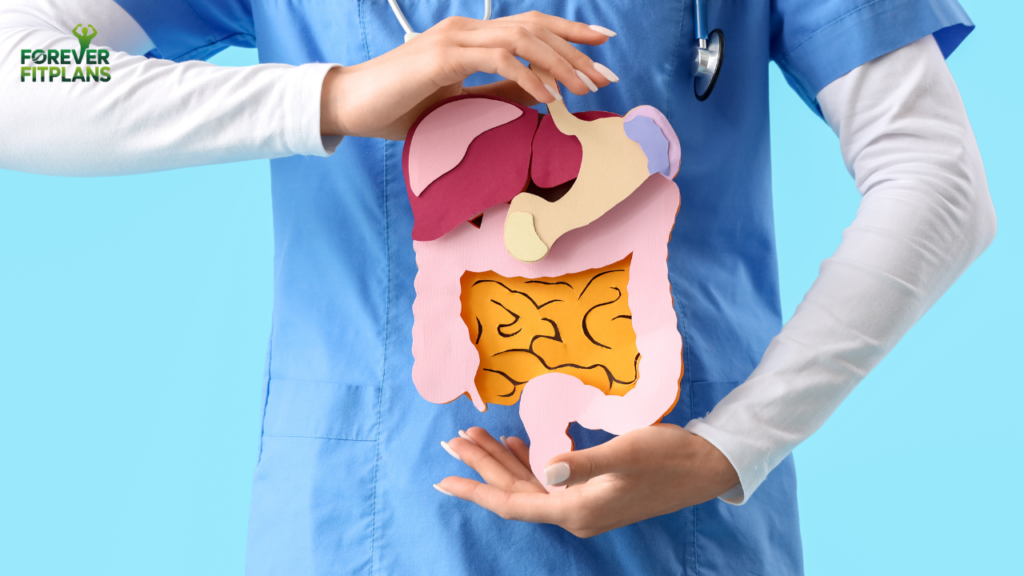
Coffee is more acidic than tea and can sometimes cause stomach discomfort, heartburn, or acid reflux, especially when consumed on an empty stomach. Coffee also has a laxative effect for many people, which can be helpful for some but uncomfortable for others. If you have a sensitive stomach or digestive issues like GERD, coffee may aggravate your symptoms.
Tea is generally much gentler on the digestive system. It is less acidic than coffee and is less likely to cause stomach upset. Certain types of tea, such as ginger tea, peppermint tea, and chamomile tea, are actually known for their soothing effects on digestion and can help relieve nausea, bloating, and indigestion.
If you experience digestive discomfort from coffee, switching to tea might provide the energy boost you need without the unpleasant side effects.
Sleep and Relaxation
The coffee vs tea comparison also extends to how these drinks affect your sleep and relaxation.
Because coffee contains significantly more caffeine than tea, drinking it too late in the day can interfere with your sleep. Caffeine has a half-life of about five to six hours, meaning that if you drink coffee at 4 PM, half of that caffeine is still in your system at 10 PM. This can make it harder to fall asleep and reduce the quality of your sleep.
Tea, especially varieties like green tea or white tea with lower caffeine content, is less likely to disrupt your sleep when consumed in the afternoon. Additionally, many herbal teas like chamomile, lavender, and valerian root are specifically used to promote relaxation and improve sleep quality.
If you are sensitive to caffeine or struggle with sleep issues, limiting coffee to the morning hours and choosing tea or herbal tea later in the day is a smart strategy.
Weight Loss: Coffee vs Tea
Both coffee and tea have been studied for their potential to aid in weight loss, though they work through different mechanisms.
Coffee can boost metabolism and increase fat burning, particularly when consumed before exercise. The caffeine in coffee stimulates the nervous system, signaling fat cells to break down body fat and release it into the bloodstream to be used as energy. However, these effects are most pronounced in people who don’t regularly consume caffeine.
Green tea is particularly well-known for its weight loss benefits. The combination of caffeine and catechins, especially EGCG, has been shown to increase fat burning and boost metabolic rate. Some studies suggest that green tea can help you burn an extra 75 to 100 calories per day, which can add up over time.
Both drinks can support weight loss when combined with a healthy diet and regular exercise. The key is to avoid adding sugar, cream, or other high-calorie ingredients that can turn a healthy beverage into a calorie bomb.
Which One Should You Choose?
The answer to the coffee vs tea question ultimately depends on your personal preferences, health goals, and how your body responds to each drink.
Choose coffee if you need a strong energy boost in the morning, enjoy bold and robust flavors, want maximum antioxidant benefits from your morning beverage, and don’t have issues with anxiety, jitters, or digestive discomfort.
Choose tea if you prefer a gentler, more sustained energy lift, want to avoid caffeine-related jitters or sleep disruption, have a sensitive stomach or digestive issues, enjoy exploring different flavors and varieties, or want the calming focus that comes from L-theanine.
Of course, you don’t have to choose just one. Many people enjoy both coffee and tea at different times of the day or for different purposes. You might have coffee in the morning for a strong start and switch to tea in the afternoon for sustained focus without affecting your sleep.
Final Thoughts
The coffee vs tea debate doesn’t have a single right answer because both beverages offer unique benefits and appeal to different preferences and needs. Coffee provides a powerful energy boost, robust flavor, and significant health benefits, particularly for brain health and disease prevention. Tea offers gentler energy, calming focus, digestive comfort, and a wide variety of flavors and health-promoting compounds.
Rather than viewing this as an either-or decision, consider what you need from your beverage at different times of day and in different situations. Pay attention to how your body responds to each drink and make choices that support your energy levels, health goals, and overall well-being. Whether you are team coffee, team tea, or happily enjoy both, you can feel good knowing that either choice, when consumed in moderation and without excess sugar or additives, can be part of a healthy lifestyle. The best drink is the one that makes you feel good and fits naturally into your daily routine.
Frequently Asked Questions
Is coffee or tea better for weight loss?
Both can support weight loss, but green tea may have a slight edge. Green tea contains catechins and caffeine that boost metabolism and fat burning throughout the day. Coffee can also increase fat burning, especially before exercise. The key is drinking either beverage without added sugar or high-calorie additions. Combine your choice with a healthy diet and exercise for the best results.
Which has more antioxidants, coffee or tea?
Both coffee and tea are rich in antioxidants, but they contain different types. Coffee typically has higher total antioxidant content and is the main source of antioxidants in many Western diets. Tea, especially green and white tea, contains powerful catechins like EGCG. Both provide excellent antioxidant benefits, so the best choice depends on which antioxidants your body needs most.
Can I drink both coffee and tea on the same day?
Absolutely! Many people enjoy coffee in the morning for a strong energy boost and switch to tea in the afternoon for sustained focus without disrupting sleep. Just be mindful of your total caffeine intake. Most health experts recommend limiting caffeine to 400 milligrams per day for healthy adults, which is about four cups of coffee or eight cups of tea.
Which is better for your teeth, coffee or tea?
Neither beverage is ideal for dental health, as both can stain teeth over time. However, tea may be slightly better because it contains compounds that can help fight bacteria in the mouth. Both coffee and tea are acidic, which can weaken tooth enamel. To protect your teeth, rinse your mouth with water after drinking either beverage and wait at least 30 minutes before brushing.
Does tea dehydrate you as coffee does?
Neither coffee nor tea significantly dehydrates you when consumed in normal amounts. While caffeine has a mild diuretic effect, the water content in these beverages more than makes up for any fluid loss. Tea has less caffeine than coffee, so it has an even milder diuretic effect. Both drinks can count toward your daily fluid intake and help keep you hydrated.
Which is safer to drink during pregnancy, coffee or tea?
Pregnant women are generally advised to limit caffeine intake to 200 milligrams per day or less. Since tea contains less caffeine than coffee, it may be the safer choice during pregnancy. However, some herbal teas should be avoided during pregnancy, so it’s important to check with your healthcare provider. Decaffeinated versions of both coffee and tea are also good options for pregnant women who want to minimize caffeine exposure.

Dr. Daniel Carter is a certified health & wellness writer and fitness lifestyle researcher with over 8 years of experience in nutrition, weight management, sleep health, and preventive care. He is passionate about helping people live healthier, stronger, and more balanced lives through science-backed fitness strategies and easy-to-follow wellness tips.
Through FitForever Plan, Dr. Carter shares practical health advice, workout guidance, and nutrition insights designed to support long-term fitness, sustainable weight loss, and overall well-being. His mission is to make healthy living simple, achievable, and enjoyable for everyone.