How to Lose Weight Without Exercising: Proven Strategies That Work
How to lose weight without exercising is one of the most frequently searched questions by people who want to shed pounds but struggle with physical limitations, time constraints, or simply dislike working out. The good news is that weight loss is absolutely possible without hitting the gym or following intense workout routines.
While exercise offers numerous health benefits and can accelerate weight loss, it’s not the only path to a slimmer, healthier body. In fact, studies show that diet accounts for approximately 70 to 80 percent of weight loss success, with exercise playing a supporting but not essential role.
In this comprehensive guide, we’ll explore proven, science-backed strategies for how to lose weight without exercising. These methods focus on dietary changes, lifestyle adjustments, and behavioral modifications that create the calorie deficit needed for weight loss without requiring any physical exercise. Whether you have mobility issues, a packed schedule, or simply prefer not to exercise, these strategies can help you achieve your weight loss goals.
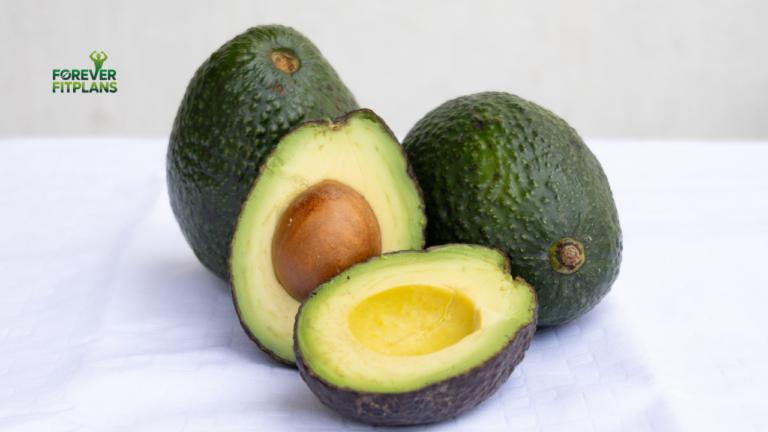
Along with smart eating habits, it’s also important to know about these 5 fruits to avoid for weight loss to prevent hidden sugar and extra calories in your diet.
Understanding Weight Loss Basics
Before diving into specific strategies for how to lose weight without exercising, it’s important to understand the fundamental principle behind all weight loss: creating a calorie deficit. Weight loss occurs when you consume fewer calories than your body burns through daily activities and basic metabolic functions like breathing, digestion, and maintaining body temperature.
Your body burns calories in three main ways. Basal metabolic rate, or BMR, accounts for 60 to 75 percent of daily calorie burn and includes all the energy needed to keep your body functioning at rest. The thermic effect of food, or TEF, represents about 10 percent of calories burned and is the energy required to digest and process the food you eat. Activity thermogenesis includes both exercise and non-exercise activities, accounting for 15 to 30 percent of daily calorie expenditure.
The key insight for understanding how to lose weight without exercising is that exercise only controls one portion of your daily calorie burn. By focusing on the other components, particularly reducing calorie intake and optimizing your metabolism through strategic eating, you can create the deficit needed for weight loss without formal exercise.
Reduce Your Calorie Intake Strategically
The most effective strategy for how to lose weight without exercising is to reduce your calorie intake in a sustainable, healthy way. This doesn’t mean starving yourself or following extreme crash diets, which are counterproductive and impossible to maintain long-term.
Track Your Food Intake
Start by tracking everything you eat and drink for at least one week. Use a food diary app or simply write it down. Most people significantly underestimate how many calories they consume daily. Tracking brings awareness to your eating patterns and reveals where excess calories are hiding. You might discover that your morning coffee drink contains 400 calories, or that mindless snacking adds 500 calories you didn’t even realize you were consuming.
Create a Moderate Calorie Deficit
Once you know your current intake, aim to reduce it by 300 to 500 calories per day. This moderate deficit allows for steady weight loss of about one to two pounds per week without triggering extreme hunger or metabolic slowdown. Drastic calorie cuts often backfire because they’re unsustainable and can actually slow your metabolism as your body tries to conserve energy.
Choose Nutrient-Dense, Low-Calorie Foods
Fill your plate with vegetables, fruits, lean proteins, and whole grains. These foods provide maximum nutrition and fullness for fewer calories compared to processed foods, sweets, and fried items. A large salad with grilled chicken might contain 300 calories and keep you satisfied for hours, while a small bag of chips with the same calories leaves you hungry shortly after eating.
Master Portion Control
Understanding portion sizes is crucial when learning how to lose weight without exercising. Even healthy foods contribute to weight gain when eaten in excessive amounts.
Use Smaller Plates and Bowls
Research shows that people consistently eat less when using smaller dishes. A portion that looks small on a large plate appears more substantial on a smaller one, tricking your brain into feeling satisfied with less food. Try using salad plates instead of dinner plates for your main meals.
Measure Your Food
At least initially, measure your portions using measuring cups or a food scale. This helps you understand what appropriate serving sizes actually look like. Most people serve themselves two to three times the recommended portion without realizing it.
Follow the Plate Method
Divide your plate visually: fill half with non-starchy vegetables, one quarter with lean protein, and one quarter with whole grains or starchy vegetables. This simple method naturally controls portions while ensuring balanced nutrition.
Eat More Protein
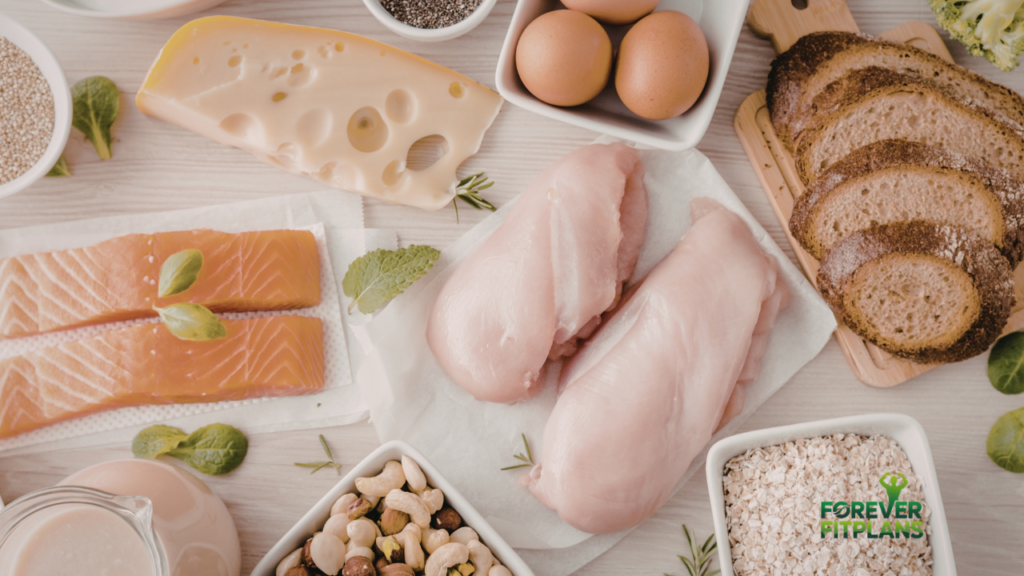
Increasing protein intake is one of the most effective strategies for how to lose weight without exercising. Protein has a higher thermic effect than carbohydrates or fats, meaning your body burns more calories digesting it. Protein also promotes satiety, helping you feel full longer and naturally eat less throughout the day.
Aim to include a good protein source at every meal. Eggs, Greek yogurt, cottage cheese, chicken breast, fish, lean beef, tofu, legumes, and protein shakes are all excellent options. Studies show that increasing protein to 25 to 30 percent of daily calories can reduce cravings by 60 percent and decrease late-night snacking significantly.
Drink More Water
Staying well-hydrated is a simple yet powerful strategy for how to lose weight without exercising. Water has zero calories but can significantly impact your weight loss success in multiple ways.
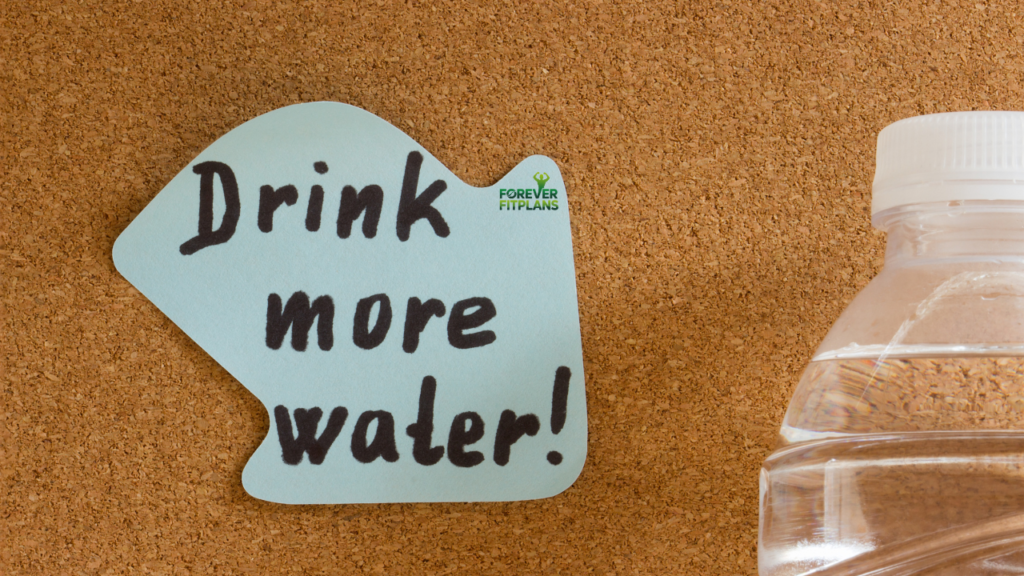
Drinking water before meals helps reduce calorie intake. Studies show that people who drink two glasses of water before eating consume 75 to 90 fewer calories during the meal. Water takes up space in your stomach, triggering feelings of fullness before you’ve eaten as much food.
Sometimes thirst masquerades as hunger. Before reaching for a snack, drink a glass of water and wait 10 to 15 minutes. You might find that you weren’t actually hungry at all. Aim for at least eight glasses of water daily, and more if you live in a hot climate or consume a lot of caffeine or salt.
Replace high-calorie beverages like soda, juice, fancy coffee drinks, and alcohol with water. This single change can eliminate hundreds of calories from your daily intake without requiring any exercise.
Improve Your Sleep Quality
Getting adequate, quality sleep is surprisingly important when figuring out how to lose weight without exercising. Poor sleep disrupts hormones that regulate hunger and fullness, making weight loss much more difficult.
When you’re sleep-deprived, your body produces more ghrelin, the hunger hormone, and less leptin, the fullness hormone. This hormonal imbalance causes increased appetite and cravings, particularly for high-calorie, sugary foods. Studies show that people who sleep only five to six hours per night consume an average of 300 additional calories the next day compared to when they sleep seven to nine hours.
Prioritize getting seven to nine hours of quality sleep each night. Establish a consistent bedtime routine, keep your bedroom cool and dark, avoid screens for at least an hour before bed, and limit caffeine after mid-afternoon.
Manage Stress Effectively
Chronic stress is a major obstacle to weight loss, even when learning how to lose weight without exercising. When you’re stressed, your body produces cortisol, a hormone that promotes fat storage, particularly around the midsection. Stress also triggers emotional eating and cravings for comfort foods that are typically high in calories, sugar, and fat.
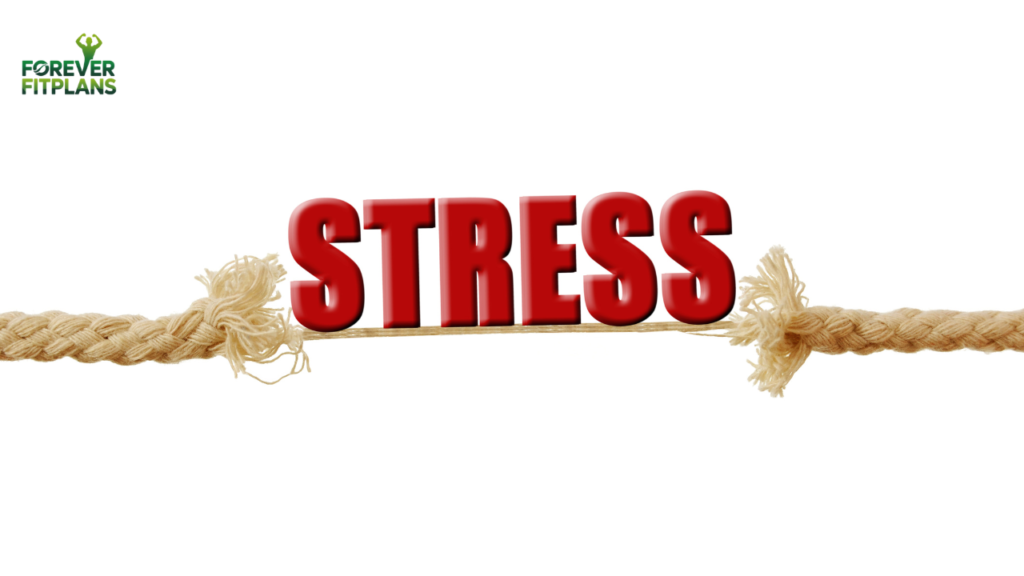
Find healthy ways to manage stress that don’t involve food. Deep breathing exercises, meditation, journaling, spending time in nature, listening to music, engaging in hobbies, or talking with friends are all effective stress management techniques. Even five to ten minutes of relaxation practice daily can make a significant difference in cortisol levels and eating behaviors.
Eat Mindfully and Slowly
How you eat is just as important as what you eat when discovering how to lose weight without exercising. Mindful eating involves paying full attention to your food, eating slowly, and listening to your body’s hunger and fullness cues.
Turn off the television, put away your phone, and sit down at a table for meals. When you eat while distracted, you consume significantly more food without even realizing it. Chew each bite thoroughly and put your fork down between bites. It takes about 20 minutes for your brain to register fullness, so eating slowly gives your body time to signal when you’ve had enough.
Stop eating when you feel satisfied but not stuffed. Learn to distinguish between different levels of hunger and fullness. You don’t need to clean your plate or eat until you’re uncomfortably full.
Eliminate Liquid Calories
Liquid calories are particularly problematic for weight loss because they don’t trigger the same satiety response as solid food. You can drink hundreds of calories without feeling any fuller, making it easy to consume far more than you realize.
Cut out or significantly reduce sugary sodas, fruit juices, sweet tea, energy drinks, fancy coffee beverages, and alcohol. A single Starbucks frappuccino can contain 400 to 500 calories—equivalent to a full meal. Regular soda drinkers who switch to water often lose five to ten pounds within the first month without making any other changes.
If you need flavor, try water infused with fresh fruit, unsweetened herbal tea, black coffee, or sparkling water with a splash of fresh lemon or lime juice.
Reduce Added Sugars and Refined Carbs
Cutting back on added sugars and refined carbohydrates is one of the fastest ways to see results when learning how to lose weight without exercising. These foods cause rapid blood sugar spikes followed by crashes that trigger hunger and cravings, creating a vicious cycle of overeating.
Read ingredient labels and avoid products with added sugars listed among the first few ingredients. Sugar hides under many names including high fructose corn syrup, cane sugar, honey, agave nectar, and dozens of other terms. Choose whole grain bread, pasta, and rice instead of refined white versions, which are stripped of fiber and nutrients.
Replace sugary snacks with whole foods like fruits, nuts, or vegetables with hummus. When you do want something sweet, have a small portion and savor it mindfully rather than mindlessly consuming large amounts.
Increase Non-Exercise Activity
While this article focuses on how to lose weight without exercising, increasing your daily movement through regular activities can boost results without requiring formal workouts. Non-exercise activity thermogenesis, or NEAT, includes all the calories you burn through daily activities like walking, standing, fidgeting, and household chores.
Simple changes can significantly increase your NEAT. Take the stairs instead of elevators, park farther from store entrances, stand while talking on the phone, do household chores more vigorously, play actively with children or pets, and walk while running errands instead of driving when possible. These activities don’t feel like exercise but can burn an extra 200 to 400 calories daily.
Plan and Prepare Meals
Meal planning and preparation are powerful tools for how to lose weight without exercising. When you plan ahead, you’re less likely to make impulsive food choices or resort to high-calorie takeout when you’re tired and hungry.
Dedicate time each week to plan your meals, create a shopping list, and do some basic meal preparation. Cook proteins in batches, chop vegetables in advance, portion out snacks into single servings, and prepare some complete meals that can be quickly reheated. Having healthy food readily available removes barriers to making good choices.
Final Thoughts
Learning how to lose weight without exercising is entirely possible and can be highly effective when you focus on the strategies outlined in this guide. The foundation of weight loss is creating a calorie deficit, and this can be achieved primarily through dietary changes and lifestyle modifications rather than exercise. By reducing calorie intake through mindful eating and portion control, increasing protein consumption, staying hydrated, getting adequate sleep, managing stress, and making strategic food choices, you can successfully lose weight and improve your health without ever setting foot in a gym.
Remember that sustainable weight loss is a gradual process that typically ranges from one to two pounds per week. Quick-fix diets and extreme restrictions rarely work long-term because they’re impossible to maintain. Instead, focus on creating healthy habits that you can stick with for life. The strategies discussed here are not temporary diet rules but rather lifestyle changes that promote lasting weight management and overall wellness.
While exercise isn’t required for weight loss, adding some physical activity when you’re ready can accelerate your results, improve your fitness, boost your mood, and provide numerous additional health benefits. But if exercise isn’t currently feasible or appealing to you, don’t let that stop you from pursuing your weight loss goals. You have all the tools you need to succeed right here. Start with one or two strategies that seem most manageable, gradually add more as they become habits, and watch as the pounds steadily come off without requiring any formal exercise program.
Frequently Asked Questions
Is it really possible to lose significant weight without any exercise?
Yes, absolutely. While exercise can support and accelerate weight loss, studies show that diet accounts for 70 to 80 percent of weight loss success. Many people have lost 50, 75, or even 100 pounds through dietary changes alone. The key is creating a consistent calorie deficit through reduced intake and smarter food choices. However, combining diet changes with even light activity when possible provides the best overall health benefits.
How quickly can I lose weight without exercising?
Safe, sustainable weight loss is typically one to two pounds per week regardless of whether you exercise. This rate allows your body to adjust gradually without triggering metabolic slowdown or muscle loss. Losing weight faster through extreme calorie restriction is counterproductive because it often leads to muscle loss, metabolic adaptation, nutritional deficiencies, and rapid regain once normal eating resumes. Patience and consistency produce lasting results.
Will I lose muscle mass if I lose weight without exercising?
Some muscle loss can occur during any weight loss process, but you can minimize it without exercise by eating adequate protein (0.7 to 1 gram per pound of body weight daily), losing weight gradually at one to two pounds per week rather than rapidly, and getting enough sleep. Resistance exercise does help preserve muscle better than diet alone, but these strategies significantly reduce muscle loss for people who cannot or choose not to exercise.
What should I eat to lose weight without exercising?
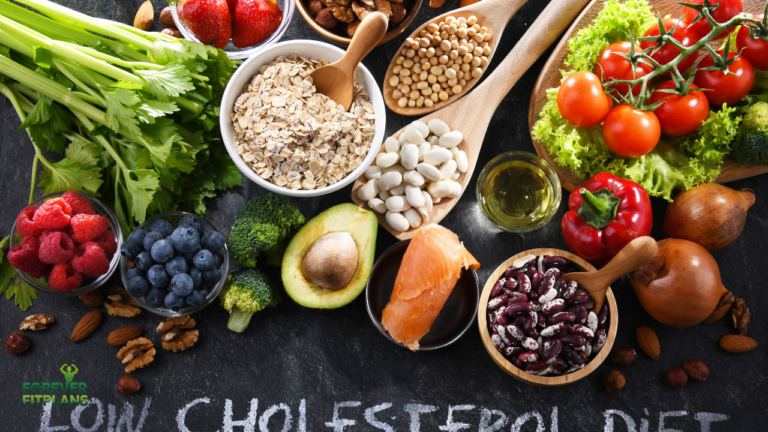
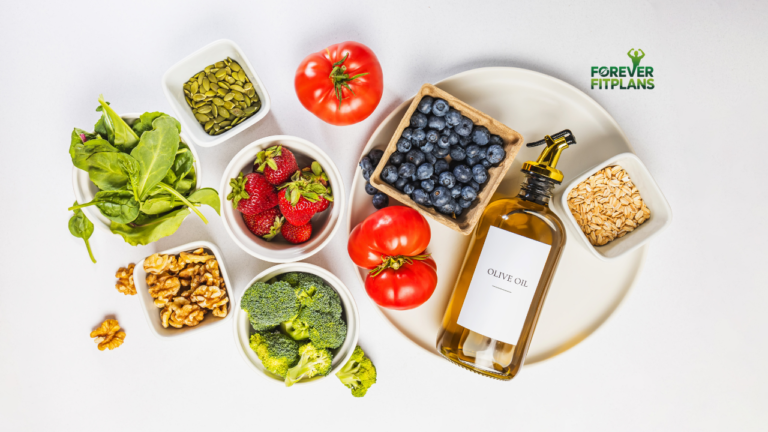
Focus on whole, minimally processed foods including lean proteins (chicken, fish, eggs, legumes), non-starchy vegetables (leafy greens, broccoli, peppers, cauliflower), moderate amounts of fruit (especially berries), whole grains in controlled portions, healthy fats (nuts, avocado, olive oil), and plenty of water. Avoid or minimize processed foods, added sugars, refined carbohydrates, fried foods, and high-calorie beverages. Prioritize protein and fiber at every meal to promote fullness and reduce overall calorie intake.
Can I maintain my weight loss without exercising long-term?
Yes, many people successfully maintain weight loss without regular exercise by continuing the healthy eating habits that led to their weight loss. However, studies show that people who incorporate some physical activity have higher success rates for long-term weight maintenance. Even light activities like daily walking can make maintenance easier. The key is finding an approach you can sustain indefinitely rather than viewing weight loss as a temporary diet.
Are there any health risks to losing weight without exercising?
Losing weight through diet alone is generally safe for most people when done properly with gradual calorie reduction, adequate nutrition, and appropriate protein intake. However, you may miss out on some benefits that exercise provides beyond weight loss, including improved cardiovascular health, stronger bones, better mental health, and increased muscle mass. People with medical conditions should consult their doctor before starting any weight loss program to ensure it’s appropriate for their individual health situation.

Dr. Daniel Carter is a certified health & wellness writer and fitness lifestyle researcher with over 8 years of experience in nutrition, weight management, sleep health, and preventive care. He is passionate about helping people live healthier, stronger, and more balanced lives through science-backed fitness strategies and easy-to-follow wellness tips.
Through FitForever Plan, Dr. Carter shares practical health advice, workout guidance, and nutrition insights designed to support long-term fitness, sustainable weight loss, and overall well-being. His mission is to make healthy living simple, achievable, and enjoyable for everyone.