
Does High Blood Pressure Cause Headaches? The Truth You Need to Know
Does high blood pressure cause headaches? This is one of the most common questions people ask when they experience frequent headaches or receive a diagnosis of hypertension. The relationship between high blood pressure and headaches is more complex than most people realize, and understanding the connection is important for your health and peace of mind.
While many people believe that high blood pressure regularly causes headaches, medical research tells a different and somewhat surprising story that challenges this widespread assumption.
In this comprehensive guide, we’ll explore the truth about high blood pressure and headaches, examine what the scientific evidence actually shows, discuss when headaches might signal a hypertension emergency, and provide practical information to help you understand your symptoms. Whether you’ve been diagnosed with high blood pressure, experience frequent headaches, or simply want to understand the connection between these two conditions, this article will give you the facts you need.
To better manage blood pressure and headaches, learn how to lose weight without exercising using easy daily habits
Understanding High Blood Pressure
Before we can answer whether high blood pressure causes headaches, it’s important to understand what high blood pressure actually is. Blood pressure is the force of blood pushing against the walls of your arteries as your heart pumps blood throughout your body. It’s measured using two numbers: systolic pressure (the top number) represents the pressure when your heart beats, while diastolic pressure (the bottom number) represents the pressure when your heart rests between beats.
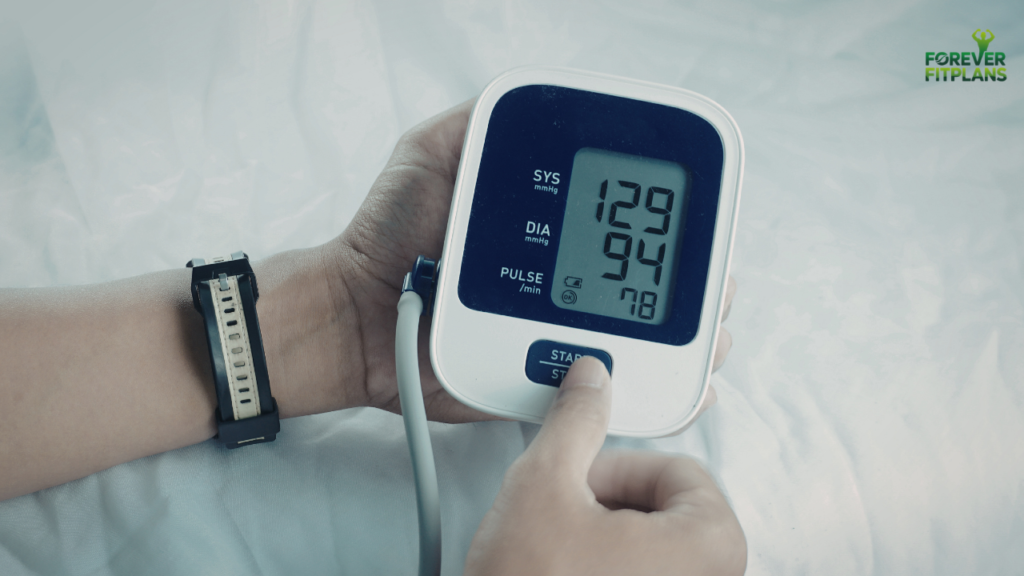
Normal blood pressure is generally considered to be below 120/80 mmHg. Elevated blood pressure ranges from 120-129 systolic and less than 80 diastolic. High blood pressure, or hypertension, is diagnosed when readings consistently measure 130/80 mmHg or higher. Stage 1 hypertension is 130-139 systolic or 80-89 diastolic, while Stage 2 hypertension is 140/90 or higher.
High blood pressure is often called the “silent killer” because it typically causes no noticeable symptoms for years or even decades while quietly damaging blood vessels, the heart, kidneys, eyes, and brain. This lack of obvious symptoms is actually one of the reasons the question of whether high blood pressure causes headaches is so important to address.
The Surprising Truth About High Blood Pressure and Headaches
Now for the answer that surprises most people: Does high blood pressure cause headaches in everyday situations? According to extensive medical research, the answer is generally no. Regular, moderately elevated blood pressure typically does not cause headaches in most people. This contradicts what many people believe and what some have been told by well-meaning friends or family members.
Multiple large-scale studies have examined the relationship between blood pressure and headaches, and the findings are consistently clear. A landmark study published in the journal Neurology examined over 22,000 people and found no significant association between high blood pressure and headaches. In fact, some research has even suggested that people with higher blood pressure may actually experience fewer headaches than those with normal blood pressure, though the reasons for this are not entirely clear.
The American Heart Association confirms that high blood pressure usually doesn’t cause symptoms, including headaches, until it reaches severely high levels or causes complications. Most people with hypertension go about their daily lives without headaches or any other noticeable signs that something is wrong. This is why regular blood pressure monitoring is so crucial—you cannot rely on symptoms to tell you if your blood pressure is elevated.
Why Do People Think High Blood Pressure Causes Headaches?
If the medical evidence shows that high blood pressure causes headaches, typically, has a negative answer is negative, why is this belief so widespread? There are several reasons for this common misconception.
Anxiety and White Coat Syndrome
Many people feel anxious when having their blood pressure measured, especially at doctors’ offices. This anxiety can temporarily raise blood pressure while also causing tension headaches. People then mistakenly associate the headache with high blood pressure when it’s actually caused by stress and anxiety. This phenomenon, called white coat syndrome, can create a false connection in people’s minds between elevated readings and headaches.
Coincidence and Confirmation Bias
Headaches are extremely common, affecting most people occasionally. When someone with known high blood pressure happens to have a headache and checks their blood pressure, they might find it elevated and assume the high reading caused the headache. In reality, the headache likely has a different cause—stress, dehydration, caffeine withdrawal, poor sleep, or one of dozens of other common headache triggers.
Symptom Attribution
Once diagnosed with high blood pressure, people naturally become more aware of any bodily sensations and may attribute various symptoms to their condition. This heightened awareness can lead to incorrectly linking unrelated headaches to hypertension.
Outdated Information
Older medical beliefs and outdated health information sometimes perpetuate the myth that high blood pressure routinely causes headaches, despite more recent research showing otherwise.
When High Blood Pressure Does Cause Headaches
While regular high blood pressure doesn’t typically cause headaches, there is an important exception to this rule that answers when high blood pressure causes headaches: hypertensive crisis.
Hypertensive Crisis
A hypertensive crisis is a severe elevation of blood pressure, typically 180/120 mmHg or higher, that requires immediate medical attention. During a hypertensive crisis, blood pressure rises so dramatically that it can cause actual symptoms, including severe headaches. These headaches are usually described as intense, throbbing, and unlike typical headaches, the person normally experiences.
A hypertensive crisis can occur in two forms. Hypertensive urgency means blood pressure is extremely high,h but there’s no evidence of organ damage yet. A hypertensive emergency means blood pressure is critically high and causing organ damage, which is a life-threatening situation requiring immediate emergency treatment.
Symptoms of Hypertensive Emergency
If you experience a severe headache along with any of these symptoms, seek emergency medical care immediately: severe chest pain, shortness of breath, severe back pain, numbness or weakness, vision changes or vision loss, difficulty speaking, confusion or changes in mental status, seizures, or unresponsiveness.
The headache associated with a hypertensive emergency is typically severe and sudden, often described as the worst headache of your life. It’s accompanied by other concerning symptoms because the extremely high pressure is actively damaging organs and tissues.
Other Causes of Headaches in People With High Blood Pressure
When someone with high blood pressure experiences headaches, the cause is usually something other than the hypertension itself. Understanding these alternative causes is important for proper treatment.
Medication Side Effects
Some blood pressure medications can cause headaches as a side effect, particularly when you first start taking them or when doses are adjusted. Medications like nitrates, calcium channel blockers, and ACE inhibitors are known to potentially cause headaches in some people. If you develop headaches after starting a new blood pressure medication, discuss this with your doctor, who may adjust your dose or switch you to a different medication.
Common Headache Triggers
People with high blood pressure experience headaches for the same reasons as everyone else: stress and tension, dehydration, poor sleep or sleep disorders, caffeine withdrawal or excessive caffeine consumption, skipping meals or low blood sugar, alcohol consumption, hormonal changes, sinus infections or allergies, eye strain from screens or poor vision correction, and weather changes or barometric pressure shifts.
Secondary Headaches
Sometimes headaches in people with hypertension are caused by conditions related to or coexisting with high blood pressure, such as kidney disease, sleep apnea (which commonly occurs with hypertension), or medication interactions.
How to Tell If Your Headache Is Serious
Since the answer to does high blood pressure cause headaches is usually no, how do you know when a headache might indicate something serious? Here are warning signs that require immediate medical attention.
Seek emergency care if you have a sudden, severe headache that comes on like a thunderclap, the worst headache you’ve ever experienced, a headache accompanied by fever, stiff neck, confusion, vision changes, difficulty speaking, numbness, or weakness, a headache after a head injury, a headache with loss of consciousness or seizures, or a headache that progressively worsens despite treatment.
These symptoms could indicate serious conditions like stroke, brain aneurysm, meningitis, or hypertensive emergency, all of which require immediate medical evaluation.
Managing High Blood Pressure to Protect Your Health
Even though the typical answer to does high blood pressure cause headaches is no, high blood pressure is still extremely dangerous and requires proper management. The lack of symptoms makes it even more important to take hypertension seriously.
Regular Monitoring
Check your blood pressure regularly, either at home with a validated monitor or at your doctor’s office. Regular monitoring helps you and your healthcare provider track your numbers and adjust treatment as needed.
Lifestyle Modifications
Making healthy lifestyle changes can significantly lower blood pressure and reduce the need for medication. Follow the DASH diet, which emphasizes fruits, vegetables, whole grains, and low-fat dairy while limiting sodium, saturated fat, and added sugars. Reduce sodium intake to less than 2,300 mg daily, or ideally 1,500 mg if you have high blood pressure. Maintain a healthy weight through balanced eating and regular physical activity. Exercise regularly, aiming for at least 150 minutes of moderate-intensity activity weekly. Limit alcohol consumption to no more than one drink per day for women and two for men. Quit smoking and avoid tobacco products. Manage stress through relaxation techniques, adequate sleep, and healthy coping strategies.
Medication Adherence
If your doctor prescribes blood pressure medication, take it exactly as directed, even though you feel fine. Many people stop taking their medication because they don’t feel symptoms, but this is dangerous. Blood pressure medication protects your organs from damage,e even when you can’t feel anything wrong.
Regular Doctor Visits
See your healthcare provider regularly to monitor your blood pressure, adjust medications if needed, and screen for complications. Your doctor can also help address any side effects you experience from medications, including headaches.
Testing and Diagnosis
If you’re experiencing frequent headaches and are concerned about high blood pressure, your doctor will likely perform several evaluations. Blood pressure will be measured multiple times on different occasions to establish a pattern, as a single elevated reading doesn’t necessarily mean you have hypertension. Your doctor will take a complete medical history,ry including questions about your headache characteristics, frequency, triggers, and any other symptoms. A physical examination will check for signs of organ damage or other health issues. Additional tests might include blood work to check kidney function and electrolyte levels, urinalysis to assess kidney health, an electrocardiogram to evaluate heart health, or an eye examination to check for blood vessel damage.
If your headaches are severe or unusual, your doctor might order imaging studies like CT scans or MRI to rule out other causes.
Living With High Blood Pressure
Understanding that does high blood pressure cause headaches typically has a negative answer should be reassuring, but it also emphasizes the importance of not relying on symptoms to tell you when your blood pressure is elevated. Living successfully with high blood pressure means committing to regular monitoring, following your treatment plan, making healthy lifestyle choices, and staying in communication with your healthcare team.
Many people with well-controlled high blood pressure live long, healthy, active lives without complications. The key is taking your condition seriously, even when you feel perfectly fine, because that’s when the silent damage can occur.
Final Thoughts
So, does high blood pressure cause headaches? The answer for most people with moderately elevated blood pressure is no, routine hypertension typically does not cause headaches. This may come as a surprise,se given how widespread the belief is that high blood pressure and headaches go hand in hand. Medical research consistently shows that regularly elevated blood pressure doesn’t produce symptoms in most people, which is precisely why hypertension is called the silent killer and why regular blood pressure monitoring is so essential.
However, the exception to this rule is critically important to understand. When blood pressure reaches extremely dangerous levels during a hypertensive crisis—typically 180/120 mmHg or higher—severe headaches can occur and indicate a medical emergency requiring immediate attention. These crisis headaches are usually intense, sudden, and accompanied by other alarming symptoms like chest pain, vision changes, difficulty breathing, or confusion.
If you experience frequent headaches and have high blood pressure, the headaches are almost certainly caused by something other than the elevated blood pressure itself. Common culprits include stress, medication side effects, dehydration, poor sleep, or any of the many typical headache triggers that affect people regardless of blood pressure status. Don’t ignore persistent headaches—discuss them with your doctor to identify the real cause and get appropriate treatment.
The most important takeaway is this: never use the presence or absence of headaches as a guide to whether your blood pressure is elevated. High blood pressure requires regular monitoring with a blood pressure cuff, not symptom watching. Take your condition seriously, follow your treatment plan, maintain healthy lifestyle habits, and work closely with your healthcare provider to protect your long-term health. Understanding the truth about high blood pressure and headaches helps you focus on what really matters—consistent management and prevention of serious complications.
Frequently Asked Questions
Can stress cause both high blood pressure and headaches at the same time?
Yes, absolutely. Stress is a common trigger for both temporary blood pressure elevation and tension headaches. When you’re stressed, your body releases hormones that temporarily raise blood pressure while also causing muscle tension in your neck, shoulders, and head that leads to headaches. This simultaneous occurrence can create the false impression that high blood pressure caused the headache when actually stress caused both independently.
Should I check my blood pressure when I have a headache?
Checking your blood pressure during a headache is fine and can provide useful information, but remember that any elevated reading is more likely coincidental rather than the cause of your headache. If your reading is extremely high (180/120 or above) along with severe headache and other symptoms like chest pain or vision changes, seek emergency medical care immediately, as this could indicate a hypertensive crisis.
Why does my blood pressure go up when I have a headache?
Blood pressure can rise slightly during a headache due to pain and discomfort, which trigger your body’s stress response. This doesn’t mean the high blood pressure caused the headache—rather, the headache and pain are causing a temporary increase in blood pressure. Once the headache is treated and resolves, blood pressure typically returns to your baseline level.
Can blood pressure medication cause headaches?
Yes, some blood pressure medications can cause headaches as a side effect, particularly when you first start taking them or when your dose is increased. Medications like nitrates, calcium channel blockers, and ACE inhibitors are most commonly associated with headaches. If you develop new or worsening headaches after starting blood pressure medication, contact your doctor. They may adjust your dose or switch you to a different medication.
What should I do if I have a severe headache and a high blood pressure reading?
If you measure your blood pressure during a severe headache and it reads 180/120 mmHg or higher, or if the headache is accompanied by other symptoms like chest pain, shortness of breath, vision changes, numbness, confusion, or difficulty speaking, call emergency services immediately. This could be a hypertensive crisis or another serious condition requiring emergency treatment. For less difficult situations, contact your doctor for guidance.
Are morning headaches related to high blood pressure?
Morning headaches are usually not caused by high blood pressure. They’re more commonly related to sleep disorders (particularly sleep apnea), teeth grinding, poor sleep posture, dehydration, caffeine withdrawal, or low blood sugar from fasting overnight. However, people with sleep apnea often have both morning headaches and high blood pressure because sleep apnea causes both conditions independently. If you experience frequent morning headaches, discuss this with your doctor for proper evaluation and diagnosis.

Dr. Daniel Carter is a certified health & wellness writer and fitness lifestyle researcher with over 8 years of experience in nutrition, weight management, sleep health, and preventive care. He is passionate about helping people live healthier, stronger, and more balanced lives through science-backed fitness strategies and easy-to-follow wellness tips.
Through FitForever Plan, Dr. Carter shares practical health advice, workout guidance, and nutrition insights designed to support long-term fitness, sustainable weight loss, and overall well-being. His mission is to make healthy living simple, achievable, and enjoyable for everyone.