

Is Avocado Oil Good for You? The Truth Behind This Trending Superfood Oil
Is avocado oil good for you? If you’ve been standing in the grocery store aisle staring at that sleek green bottle, wondering whether it’s worth the extra cost, you’re not alone. Avocado oil has exploded in popularity over the last several years, showing up in everything from high-heat cooking to skincare routines. But is it actually as healthy as the wellness world claims, or is it just another overhyped trend?
The short answer is yes — avocado oil is genuinely good for you. But like anything in nutrition, the full picture is a little more nuanced. In this article, we’ll break down exactly what makes avocado oil so beneficial, how it compares to other popular oils, how to use it, and whether it deserves a permanent spot in your kitchen.
For better results, pair healthy fats like avocado oil with a protein-rich diet — read more: 7-day protein diet plan for weight loss.
What Is Avocado Oil?
Avocado oil is extracted from the pulp of the avocado fruit — not the seed or skin, but the creamy green flesh itself. This is actually unique, as most plant-based oils are extracted from seeds. Because it comes from the fruit pulp, avocado oil retains a rich profile of healthy fats, vitamins, and antioxidants that many seed oils simply don’t have.
There are two main types of avocado oil you’ll find on store shelves: refined and unrefined (also called extra virgin). Unrefined avocado oil is cold-pressed and retains more of its natural nutrients, flavor, and green color. Refined avocado oil is processed at higher temperatures, which gives it a more neutral flavor and an even higher smoke point, making it ideal for cooking at very high heat.
Nutritional Profile of Avocado Oil
Before diving into the health benefits, it helps to understand what’s actually inside avocado oil. One tablespoon of avocado oil contains approximately 124 calories, 14 grams of fat, and zero carbohydrates or protein. But what really matters is the type of fat it contains.
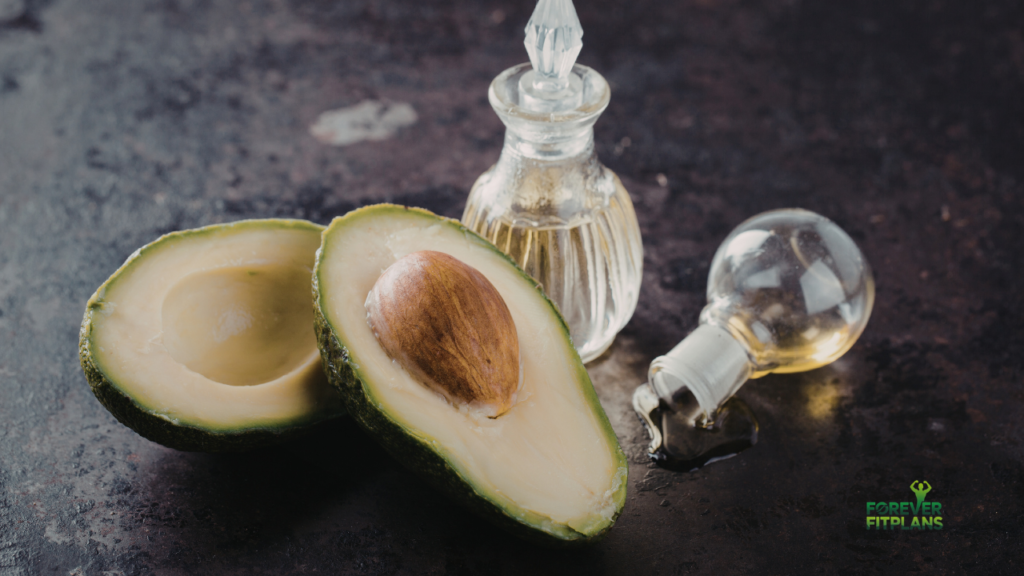
Around 70% of avocado oil is oleic acid, a monounsaturated omega-9 fatty acid. This is the same heart-healthy fat found in olive oil and is widely considered one of the most beneficial fats you can consume. About 12% is saturated fat, and the remaining portion is polyunsaturated fat, including some omega-3 and omega-6 fatty acids.
Avocado oil also contains vitamin E, a powerful fat-soluble antioxidant, along with plant sterols like beta-sitosterol that support cholesterol balance, and lutein, a carotenoid that supports eye health.
Health Benefits of Avocado Oil
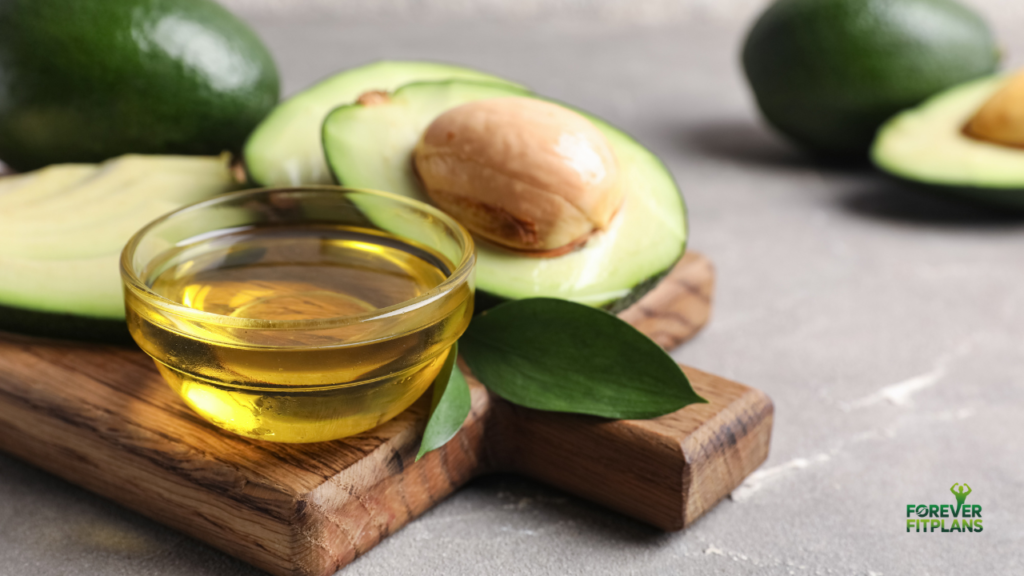
1. Supports Heart Health
One of the strongest arguments for adding avocado oil to your diet is its impact on cardiovascular health. The high oleic acid content has been shown in multiple studies to reduce LDL (bad) cholesterol while maintaining or even raising HDL (good) cholesterol levels. This favorable shift in cholesterol balance is directly associated with a lower risk of heart disease.
A study published in the journal Nutrients found that avocado oil consumption helped reduce triglyceride levels and improve overall lipid profiles in participants. Given that heart disease remains the leading cause of death globally, incorporating heart-protective foods and oils into your daily diet is a meaningful step in the right direction.
2. Rich in Antioxidants
Avocado oil, especially in its unrefined form, is loaded with antioxidants — most notably vitamin E and lutein. Antioxidants protect your cells from oxidative stress caused by free radicals, which are unstable molecules linked to aging, inflammation, and chronic diseases like cancer and diabetes.
Lutein, which is particularly abundant in avocado oil, is one of the few antioxidants that accumulates in the eyes. Regular consumption has been associated with a reduced risk of age-related macular degeneration and cataracts, two of the most common causes of vision loss in older adults.
3. Reduces Inflammation
Chronic inflammation is at the root of many modern diseases, including arthritis, heart disease, type 2 diabetes, and certain cancers. The oleic acid and antioxidants in avocado oil have potent anti-inflammatory properties that can help reduce the inflammatory markers in the body.
Some animal studies have also found that avocado oil may help protect mitochondria — the energy-producing structures inside cells — from damage caused by oxidative stress and inflammation. While more human studies are needed, the evidence so far is genuinely promising.
4. Enhances Nutrient Absorption
This is one of the most underrated benefits of avocado oil. Many vitamins and phytonutrients — including vitamins A, D, E, K, and carotenoids like beta-carotene and lycopene — are fat-soluble, meaning they need dietary fat to be absorbed properly by the body.
Research has shown that adding avocado oil to a salad or vegetable dish significantly increases the body’s absorption of these fat-soluble nutrients compared to eating the same vegetables without fat. So drizzling avocado oil over your salad isn’t just about flavor — it’s actually making your entire meal more nutritious.
5. May Support Weight Management
Despite being calorie-dense, healthy fats like those in avocado oil can actually support weight management when consumed as part of a balanced diet. Monounsaturated fats promote satiety — that feeling of fullness — which can reduce overall calorie intake throughout the day.
Additionally, oleic acid has been shown to reduce the tendency of fat to accumulate around the abdominal area, which is the most dangerous type of fat storage in terms of metabolic health. Replacing processed vegetable oils with avocado oil may therefore have a modest but meaningful impact on body composition over time.
6. Good for Skin Health
Avocado oil isn’t just beneficial when eaten — it’s also widely used topically for skin health, and for good reason. It’s rich in oleic acid, which penetrates deep into the skin rather than just sitting on the surface. This makes it an effective moisturizer for dry, cracked, or irritated skin.
Vitamin E in avocado oil helps reduce UV damage, supports skin repair, and may slow the visible signs of aging. Some studies suggest that avocado oil can help speed wound healing and reduce inflammation associated with skin conditions like psoriasis and eczema. Whether you’re using it in cooking or applying it directly to your skin, avocado oil delivers real dermatological value.
7. Supports Eye Health
As mentioned earlier, avocado oil is one of the richest dietary sources of lutein among cooking oils. Lutein is a carotenoid that your body cannot produce on its own, meaning you must get it from food. It acts as a natural filter for harmful blue light and protects the retina from oxidative damage.
Regular consumption of lutein-rich foods and oils is strongly associated with a lower risk of developing cataracts and age-related macular degeneration. For anyone concerned about long-term vision health, avocado oil is a valuable dietary addition.
Avocado Oil vs. Olive Oil: Which Is Better?
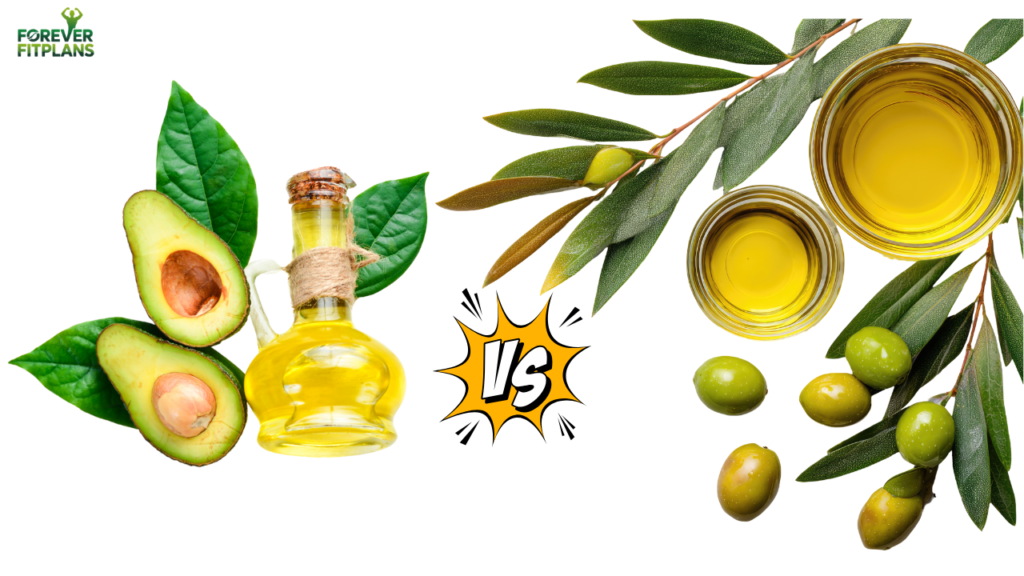
This is one of the most common questions people ask, and the honest answer is that both are excellent oils with similar health profiles. Both are rich in oleic acid, both have anti-inflammatory properties, and both are associated with cardiovascular benefits.
The main practical difference comes down to the smoke point. Avocado oil has one of the highest smoke points of any cooking oil — around 520°F (270°C) for refined avocado oil. Olive oil, particularly extra virgin olive oil, has a much lower smoke point of around 375°F (190°C).
This means avocado oil is the better choice for high-heat cooking methods like searing, grilling, frying, and roasting. Olive oil is better suited for low-heat cooking, dressings, and finishing dishes. Ideally, you’d keep both in your kitchen and use each where it performs best.
How to Use Avocado Oil
Avocado oil is remarkably versatile, which is one of the reasons it has become such a kitchen staple. You can use refined avocado oil for sautéing, stir-frying, grilling, roasting vegetables, and even deep frying because it handles high heat exceptionally well without breaking down into harmful compounds.
Unrefined extra virgin avocado oil, with its slightly grassy, buttery flavor, works beautifully as a salad dressing, drizzled over finished dishes, blended into smoothies, or used as a dip with bread. You can also use it as a substitute for butter or other oils in baking, where it adds a mild, pleasant flavor and a moist texture.
Are There Any Downsides?
Avocado oil is generally very safe and well-tolerated for most people. The main considerations are cost and quality. Avocado oil is more expensive than conventional cooking oils, and the market unfortunately has a significant adulteration problem — some studies have found that a large percentage of commercially sold avocado oils are mixed with cheaper oils or mislabeled.
To get a genuine product, look for avocado oil that is certified by a third party, has a clearly labeled harvest date, and comes from a reputable brand. If you’re buying extra virgin avocado oil, it should have a natural green hue and a mild, buttery scent.
Final Thoughts
So, is avocado oil good for you? Absolutely. From supporting heart health and reducing inflammation to enhancing nutrient absorption and promoting glowing skin, avocado oil earns its superfood reputation. Its exceptional smoke point makes it one of the most practical and health-conscious options for everyday cooking, and its rich antioxidant profile gives it benefits that extend well beyond the kitchen.
If you haven’t already made avocado oil a regular part of your diet, now is a great time to start. Just be sure to choose a high-quality product from a trusted source, use it in appropriate amounts as part of a balanced diet, and enjoy the very real health rewards it brings to your table.
Frequently Asked Questions
Is avocado oil healthier than vegetable oil?
Yes, avocado oil is considerably healthier than most vegetable oils. It’s rich in heart-healthy monounsaturated fats and antioxidants, while many vegetable oils are high in omega-6 fatty acids and prone to oxidation at high heat.
Can you use avocado oil for frying?
Absolutely. Refined avocado oil has a smoke point of around 520°F, making it one of the best oils available for high-heat frying, searing, and grilling without breaking down into harmful compounds.
Is avocado oil good for weight loss?
Avocado oil can support weight management as part of a balanced diet. It’s healthy monounsaturated fats promote satiety and may help reduce abdominal fat accumulation over time.
How much avocado oil should you consume per day?
One to two tablespoons per day is a reasonable amount for most healthy adults. Like all oils, it’s calorie-dense, so moderation is key, especially if you’re managing your calorie intake.
Is avocado oil safe to use on skin?
Yes, avocado oil is widely used in skincare and is generally safe for most skin types. It’s especially beneficial for dry or irritated skin due to its deep-penetrating oleic acid and vitamin E content.
What’s the difference between refined and unrefined avocado oil?
Refined avocado oil is processed for a neutral flavor and higher smoke point, making it ideal for cooking. Unrefined (extra virgin) avocado oil retains more nutrients and has a richer flavor, making it better for dressings and finishing dishes.

Dr. Daniel Carter is a certified health & wellness writer and fitness lifestyle researcher with over 8 years of experience in nutrition, weight management, sleep health, and preventive care. He is passionate about helping people live healthier, stronger, and more balanced lives through science-backed fitness strategies and easy-to-follow wellness tips.
Through FitForever Plan, Dr. Carter shares practical health advice, workout guidance, and nutrition insights designed to support long-term fitness, sustainable weight loss, and overall well-being. His mission is to make healthy living simple, achievable, and enjoyable for everyone.