Vegetables for Weight Loss: 25 Powerful Picks That Burn Fat and Keep You Full
Vegetables are the one dietary group that all doctors, nutritionists, and researchers studying weight loss agree upon. Without starving yourself or becoming fixated on calorie counts, the correct veggies for weight reduction are among the most effective tools available for reducing fat, managing appetite, and enhancing your general metabolic health.
However, when it comes to losing weight, not all vegetables are the same. Some are high in minerals and fiber, which actively promote fat burning, but are low in calories. Others, especially starchy vegetables, are nutrient-dense yet may be detrimental to weight loss objectives if consumed in excess.
Discover the top 25 vegetables for weight reduction in this in-depth guide, as well as the research underlying their effectiveness, how to include them in delectable everyday meals, and which vegetables to limit if losing weight is your main objective. Together, we can change both your plate and your body.
Also read the best low-impact exercise for weight loss.
Why Vegetables Are Essential for Weight Loss
It is crucial to comprehend the research underlying the need for plant-based diets for effective, long-term fat loss before delving into the particular veggies for weight loss.
The principle of calorie density
The quantity of calories per gram or cup of food is known as its calorie density. The potency of veggies for weight loss stems from this idea.
With about 10 to 50 calories per cup, non-starchy vegetables have an incredibly low calorie density. This implies that you can consume a sizable, satisfying amount of food for very few calories. You feel full, your stomach physically fills up, and your brain receives satiety signals from stretch receptors—all while consuming a small portion of the calories you would from foods high in calories.
Compare these volumes for 200 calories:
- Spinach: approximately 28 cups
- Broccoli: approximately 7 cups
- Potato chips: approximately 1.5 cups (a small handful)
This visual comparison makes it immediately clear why vegetables for weight loss are so effective — you can eat far more food and feel far more satisfied while consuming far fewer calories.
Fiber: The Fat Loss Accelerator
Most vegetables are rich in dietary fiber — both soluble and insoluble. Fiber is one of the most powerful natural appetite suppressants available:
- Soluble fiber dissolves in water to form a thick gel that slows digestion, keeps you fuller for longer, stabilizes blood sugar, and feeds beneficial gut bacteria associated with a healthy weight
- Insoluble fiber adds bulk to stool, accelerates intestinal transit, and reduces calorie absorption from other foods eaten at the same meal
- Viscous fiber (a type of soluble fiber) from vegetables like Brussels sprouts and asparagus forms particularly thick gels that are especially effective at reducing post-meal hunger
A meta-analysis published in the Annals of Internal Medicine found that simply increasing fiber intake to 30g per day was as effective for weight loss as following a complex multi-rule diet. Many of the vegetables for weight loss in this guide provide 3–8g of fiber per cup.
Vegetables Support the Hormones That Control Weight
Beyond fiber and calorie density, vegetables for weight loss influence the hormonal environment that determines whether your body burns fat or stores it:
- Reduce insulin spikes — low glycemic vegetables prevent the blood sugar swings that trigger fat storage
- Support cortisol reduction — magnesium-rich vegetables like spinach and leafy greens help lower cortisol (the primary belly fat hormone)
- Feed gut bacteria that produce GLP-1 — a hormone that suppresses appetite; research shows vegetable-fed gut microbiomes produce more of this satiety hormone
- Provide polyphenols — plant compounds that directly inhibit fat cell formation and reduce inflammation linked to obesity
The 25 Best Vegetables for Weight Loss
Tier 1: The Most Powerful Vegetables for Weight Loss (Under 30 Calories Per Cup)
These are the elite vegetables for weight loss — so low in calories that you can eat them essentially without restriction while dramatically increasing meal volume and satisfaction.
1. Spinach
Calories per cup (raw): 7 kcal Fiber per cup: 0.7g Key compounds: Thylakoids, magnesium, iron, folate
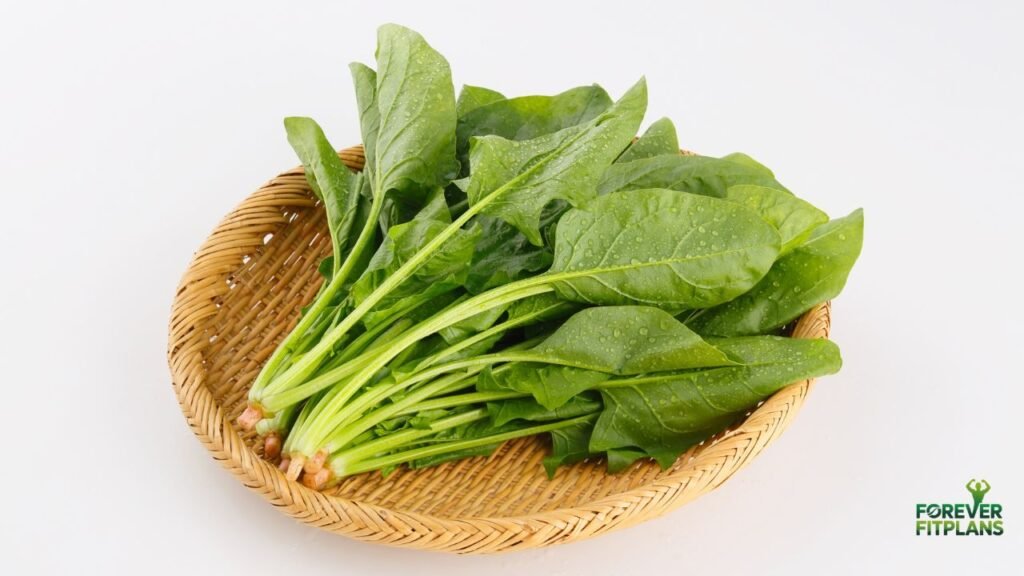
Spinach is arguably the single most powerful of all vegetables for weight loss. Its extraordinary calorie-to-volume ratio means you can add enormous amounts of spinach to any meal without meaningfully affecting calorie count.
Why spinach is exceptional for weight loss:
- Thylakoids — membrane structures in spinach that delay fat digestion and dramatically increase satiety hormone (GLP-1) release. A study in the Appetite journal found that spinach extract rich in thylakoids reduced hunger by 95% and cravings by 43% compared to a placebo
- High magnesium content — reduces cortisol and supports insulin sensitivity
- Iron — supports energy for exercise that burns fat
- Wilts dramatically when cooked, allowing you to consume enormous quantities invisibly in eggs, pasta sauces, curries, and smoothies
How to eat more: Add 2–3 handfuls to morning smoothies (you cannot taste it), sauté with garlic as a side dish, layer into sandwiches, mix into scrambled eggs.
2. Arugula
Calories per cup (raw): 5 kcal Fiber per cup: 0.3g Key compounds: Glucosinolates, nitrates, vitamin K
At 5 calories per cup, arugula is one of the lowest-calorie foods on earth. Its peppery, complex flavor makes it one of the most satisfying weight loss vegetables — it transforms any salad from bland diet food into something genuinely delicious.
Why arugula supports fat loss:
- Nitrates improve oxygen delivery during exercise — allowing more intense workouts that burn more fat
- Glucosinolates support liver detoxification — the liver is the primary fat metabolism organ
- Intensely flavorful for minimal calories — a small amount goes a long way, reducing the need for high-calorie dressings
3. Cucumber
Calories per cup (sliced): 16 kcal Fiber per cup: 0.6g Water content: 96%
Cucumber is 96% water — making it one of the most hydrating and volume-filling vegetables for weight loss. Dehydration is frequently mistaken for hunger; eating cucumbers addresses both simultaneously.
Weight loss benefits:
- High water content creates significant physical fullness with almost zero calories
- Mild diuretic effect reduces water retention and bloating
- Satisfying crunch reduces the psychological craving for crunchy, high-calorie snacks
- Contains cucurbitacins — compounds with anti-inflammatory properties
4. Celery
Calories per stalk: 6 kcal Fiber per stalk: 0.6g Key compounds: Phthalides, apigenin, luteolin
Celery has long been associated with weight loss — and while the myth that it has “negative calories” isn’t quite true, it’s extraordinarily close. The act of eating and digesting celery burns a significant proportion of its minimal calorie content.
Why celery is excellent for weight loss:
- Natural diuretic — reduces water retention and bloating
- Extremely high volume for minimal calories — a large bunch of celery provides bulk for pennies of calorie cost
- Phthalides relax blood vessel walls — improving circulation for better exercise performance
- Satisfying crunch curbs the desire for chips and crackers
5. Lettuce (Romaine, Butter, Green Leaf)
Calories per cup: 8–15 kcal Fiber per cup: 0.5–1g
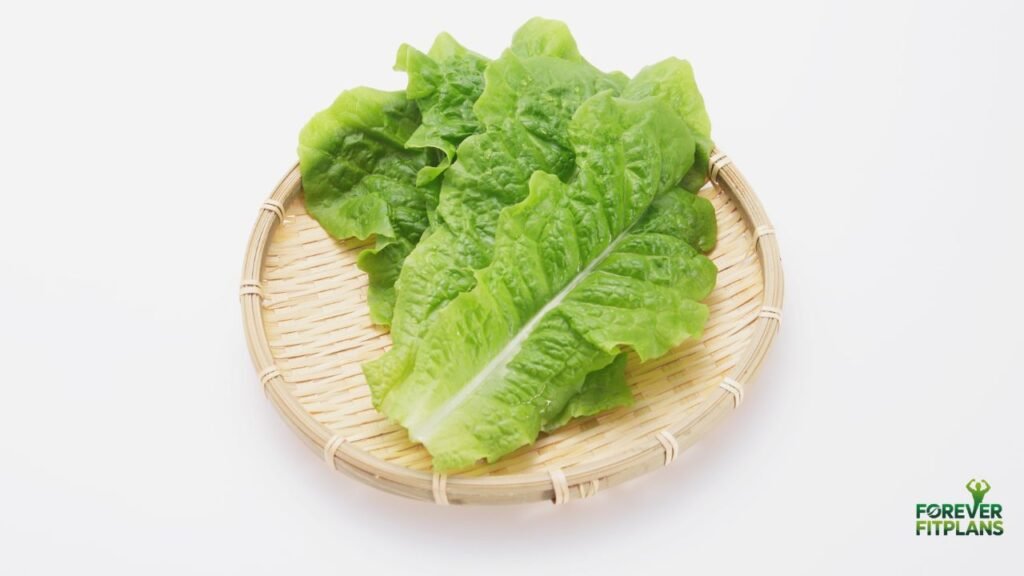
All varieties of lettuce are excellent vegetables for weight loss, providing the physical volume and visual fullness of a large meal for negligible caloric cost.
Weight loss advantage: Romaine specifically contains more nutrients than iceberg — more folate, vitamin C, and beta-carotene. Use romaine as the base for weight loss salads for maximum nutritional value, alongside the volume benefit.
6. Watercress
Calories per cup: 4 kcal Fiber per cup: 0.2g Key compounds: PEITC (phenylethyl isothiocyanate), vitamin C, vitamin K
Watercress has the highest nutrient density score of any food on the ANDI (Aggregate Nutrient Density Index) scale — meaning it provides more nutrition per calorie than any other food measured. For weight loss, this matters because nutrient sufficiency reduces the cravings that drive overeating.
Tier 2: Excellent Vegetables for Weight Loss (30–60 Calories Per Cup)
7. Broccoli
Calories per cup (raw): 31 kcal Fiber per cup: 2.4g Protein per cup: 2.6g Key compounds: Sulforaphane, glucosinolates, vitamin C
Broccoli may be the single most nutritionally complete vegetable in this guide. It provides meaningful protein, significant fiber, and sulforaphane — one of the most studied anti-cancer and anti-inflammatory compounds in plant foods.
Why broccoli is exceptional for weight loss:
- Sulforaphane activates fat-burning genes and supports liver detoxification — the liver metabolizes stored fat
- Meaningful protein content (2.6g per cup) — rare for a vegetable, helps with satiety
- High fiber creates significant fullness and slows gastric emptying
- Indole-3-carbinol — helps balance estrogen, reducing hormonal belly fat in women
8. Cauliflower
Calories per cup (raw): 27 kcal Fiber per cup: 2.1g
Cauliflower has become famous in weight loss communities for its extraordinary versatility as a low-calorie substitute for high-carbohydrate foods:
- Cauliflower rice: replaces rice (saves 170+ calories per cup)
- Cauliflower mash: replaces mashed potato (saves 130+ calories per cup)
- Cauliflower pizza crust: replaces dough (saves 200+ calories per serving)
These substitutions allow people to eat satisfying, familiar foods at a fraction of the calorie cost — making calorie reduction sustainable rather than painful.
9. Zucchini (Courgette)
Calories per cup: 33 kcal Fiber per cup: 1g Water content: 95%
Zucchini is one of the most versatile vegetables for weight loss — it adapts to virtually any cooking method and cuisine while adding volume and nutrition for minimal calories.
Key weight loss uses:
- Zucchini noodles (zoodles): Replace pasta with spiralized zucchini — saves 150–200 calories per serving while increasing fiber and nutrients dramatically
- High water content adds volume to meals
- Mild flavor absorbs surrounding seasonings — works in Italian, Asian, Mediterranean, and Mexican dishes
10. Asparagus
Calories per cup: 27 kcal Fiber per cup: 2.8g Key compounds: Inulin, asparagine, folate
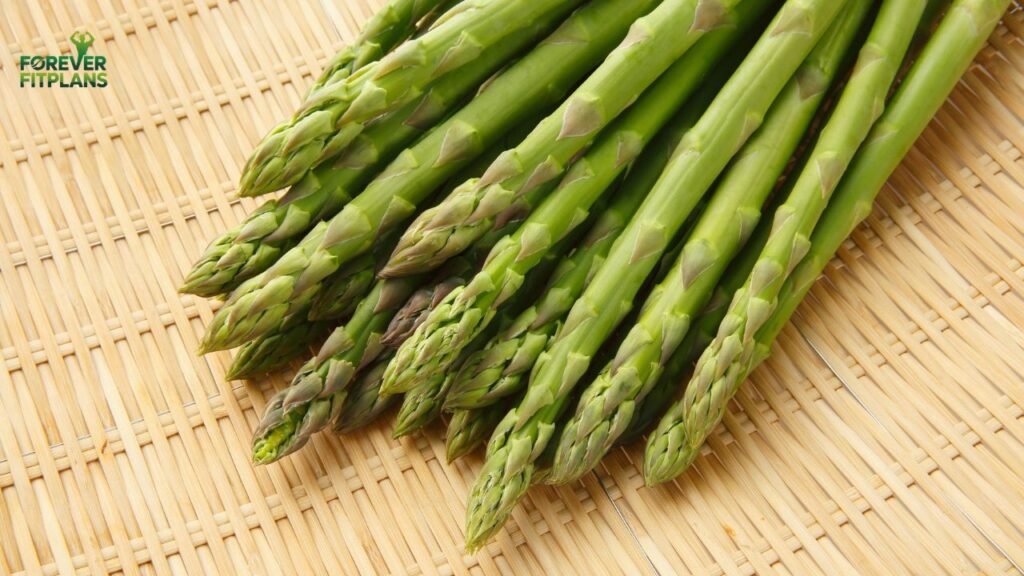
Asparagus is one of the most effective natural diuretics among all vegetables for weight loss — asparagine, its unique amino acid, specifically promotes kidney function and fluid excretion. Beyond water weight, asparagus provides inulin — a prebiotic fiber that feeds gut bacteria associated with reduced calorie absorption and improved satiety.
11. Green Beans (String Beans)
Calories per cup: 31 kcal Fiber per cup: 2.7g
Green beans are one of the most satisfying vegetables for weight loss because they provide genuine chewing resistance, which is physically and psychologically satisfying in a way that soft foods often are not. Research shows that foods requiring more chewing produce greater satiety for equivalent calorie loads.
12. Bell Peppers (All Colors)
Calories per cup: 30–45 kcal Fiber per cup: 2.5g Key compounds: Capsanthin, vitamin C (highest in red), quercetin
Bell peppers are among the most nutritionally impressive vegetables for weight loss, particularly red bell peppers, which contain more vitamin C per gram than oranges.
Weight loss benefits:
- Vitamin C supports fat oxidation — research shows adequate vitamin C is required for the body to synthesize carnitine, the compound that transports fatty acids into mitochondria for burning. Low vitamin C reduces fat burning by up to 25%
- Satisfying crunch with minimal calories
- Natural sweetness reduces cravings for sugary foods
- Quercetin — an antioxidant that reduces inflammation linked to obesity and insulin resistance
13. Cabbage
Calories per cup (shredded): 22 kcal Fiber per cup: 2.2g
Cabbage is one of the most affordable and most underappreciated vegetables for weight loss. It’s filling, nutritious, high in fiber, and remarkably versatile.
Weight loss advantages:
- Extremely low cost — makes healthy eating affordable
- Very filling for its calorie count
- Indole-3-carbinol (like broccoli) supports estrogen metabolism — reducing hormone-driven fat storage
- Raw in slaws and salads, cooked in stir-fries and soups — adapts to almost any cuisine
14. Brussels Sprouts
Calories per cup (raw): 38 kcal Fiber per cup: 3.3g Protein per cup: 3g
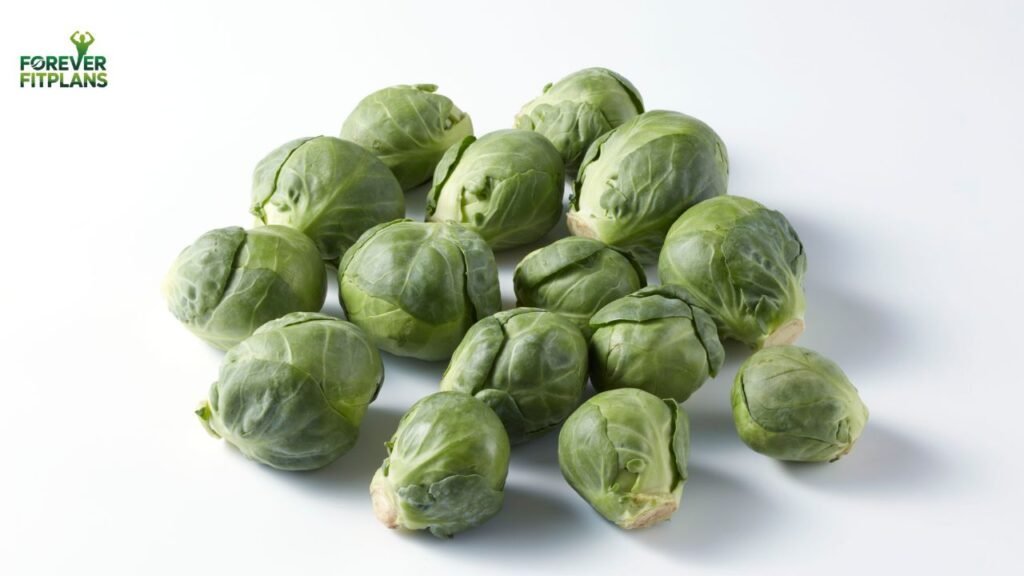
Brussels sprouts provide one of the highest fiber contents of any vegetable on this list — making them exceptionally filling for their calorie content. They also provide meaningful protein — 3g per cup is significant for a vegetable.
15. Kale
Calories per cup (raw): 33 kcal Fiber per cup: 1.3g Key compounds: Sulforaphane, calcium, iron, vitamins A, C, K
Kale has the highest ANDI nutrition score among leafy greens and is genuinely one of the most nutrient-dense foods on earth. For weight loss specifically, kale provides:
- Alpha-lipoic acid — shown in research to improve insulin sensitivity and support glucose metabolism
- Calcium — research links higher calcium intake to increased fat excretion in feces (the body literally excretes more fat)
- Thylakoids (like spinach) — increase satiety hormone GLP-1
Tier 3: Good Vegetables for Weight Loss With Moderate Carbs (60–100 Calories Per Cup)
16. Carrots
Calories per cup: 52 kcal Fiber per cup: 3.6g
Carrots are one of the most satisfying vegetables for weight loss because of their natural sweetness, crunch, and fiber content. Their moderate sweetness makes them an excellent substitute for higher-calorie sweet snacks.
17. Tomatoes
Calories per cup: 32 kcal Fiber per cup: 2g Key compounds: Lycopene, vitamin C, potassium
Tomatoes contain lycopene — one of the most powerful carotenoid antioxidants, particularly effective at reducing visceral fat inflammation. Research published in the Nutrition journal found that higher lycopene intake was associated with significantly lower waist circumference.
18. Eggplant (Aubergine)
Calories per cup: 35 kcal Fiber per cup: 2.5g Key compounds: Nasunin, chlorogenic acid
Eggplant contains chlorogenic acid — a polyphenol shown in research to inhibit glucose absorption and reduce fat accumulation in the liver. It also absorbs flavors beautifully, making it satisfying in Mediterranean and Asian cooking without requiring high-calorie sauces.
19. Mushrooms
Calories per cup: 15–21 kcal Fiber per cup: 0.7–2g Protein per cup: 2.2g
Mushrooms are unique among vegetables for weight loss because they’re the only plant-based source of ergothioneine — an antioxidant that accumulates preferentially in mitochondria (the cellular energy factories) and may support metabolic efficiency. Their umami flavor also makes them particularly satisfying as a meat replacement in plant-based meals.
20. Onions
Calories per cup: 64 kcal Fiber per cup: 2.7g Key compounds: Quercetin, sulfur compounds, inulin
Onions provide inulin, a prebiotic fiber that feeds gut bacteria, producing butyrate, a short-chain fatty acid that supports gut health, reduces inflammation, and may directly inhibit fat accumulation. They also provide quercetin, which has demonstrated anti-obesity properties in multiple research studies.
21. Garlic
Calories per clove: 4 kcal Key compounds: Allicin, sulfur compounds
Garlic deserves special mention among vegetables for weight loss because allicin — its primary active compound — has been shown in multiple studies to improve insulin sensitivity, reduce blood pressure, and modestly boost fat metabolism. Used generously in cooking, it adds enormous flavor for virtually zero caloric cost.
22. Peas (Fresh or Frozen)
Calories per cup: 118 kcal Fiber per cup: 7.4g Protein per cup: 8g
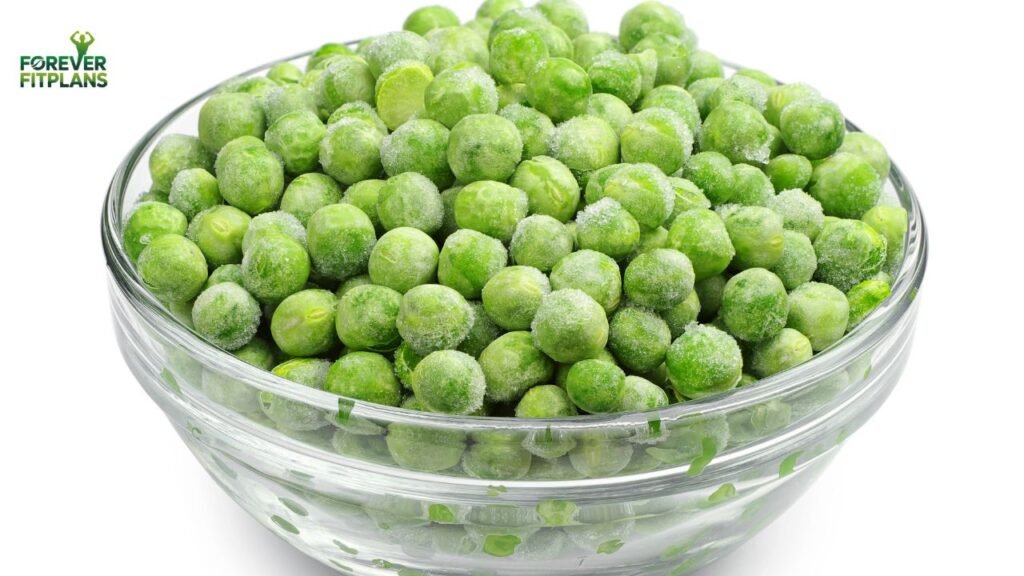
Fresh and frozen peas are the highest-protein vegetables for weight loss on this list. At 8g of protein per cup, they rival some protein supplements in their ability to trigger satiety hormones and support muscle preservation during calorie restriction.
23. Edamame (Soybeans)
Calories per cup: 188 kcal Fiber per cup: 8g Protein per cup: 17g
Edamame is technically a legume, but it functions as one of the most powerful vegetables for weight loss because of its extraordinary protein and fiber content. The protein-fiber combination creates an exceptionally strong and long-lasting satiety effect.
24. Spinach (Cooked)
Calories per cup (cooked): 41 kcal Fiber per cup: 4.3g
Cooked spinach deserves its own entry because cooking concentrates its nutrients — you can consume much larger quantities of cooked spinach than raw, delivering significantly more thylakoids, magnesium, and iron per meal.
25. Leeks
Calories per cup: 54 kcal Fiber per cup: 1.6g Key compounds: Kaempferol, inulin, polyphenols
Leeks are among the richest vegetable sources of kaempferol — a flavonoid shown in research to reduce fat cell formation and inhibit adipogenesis. They also provide meaningful inulin for prebiotic gut health support.
Vegetables for Weight Loss: Complete Nutrition Comparison
| Vegetable | Calories/Cup | Fiber | Protein | Key Weight Loss Benefit |
| Watercress | 4 kcal | 0.2g | 0.8g | Highest nutrient density |
| Arugula | 5 kcal | 0.3g | 0.5g | Nitrates for exercise performance |
| Spinach | 7 kcal | 0.7g | 0.9g | Thylakoids suppress hunger |
| Lettuce | 8–15 kcal | 0.5–1g | 0.6g | Maximum volume, minimum calories |
| Celery | 16 kcal | 1.6g | 0.7g | Natural diuretic |
| Cucumber | 16 kcal | 0.6g | 0.7g | 96% water for hydration |
| Mushrooms | 15–21 kcal | 0.7–2g | 2.2g | Umami, ergothioneine |
| Cabbage | 22 kcal | 2.2g | 1.1g | Affordable, filling |
| Broccoli | 31 kcal | 2.4g | 2.6g | Sulforaphane, protein |
| Cauliflower | 27 kcal | 2.1g | 2g | Best starchy food substitute |
| Zucchini | 33 kcal | 1g | 1.2g | Noodle substitute |
| Asparagus | 27 kcal | 2.8g | 2.9g | Natural diuretic, inulin |
| Kale | 33 kcal | 1.3g | 2.2g | Highest nutritional density |
| Tomatoes | 32 kcal | 2g | 1.6g | Lycopene reduces visceral fat |
| Carrots | 52 kcal | 3.6g | 1.2g | Natural sweetness, high fiber |
| Peas | 118 kcal | 7.4g | 8g | Highest fiber, high protein |
| Edamame | 188 kcal | 8g | 17g | Highest protein vegetable |
Vegetables to Limit When Trying to Lose Weight
While all vegetables are nutritious, some are significantly higher in starch and calories — and should be consumed in moderation when fat loss is the primary goal:
| Vegetable | Calories/Cup | Net Carbs | Recommendation |
| Corn | 132 kcal | 27g | Limit to ½ cup, treat as starchy |
| Potatoes | 116 kcal | 24g | Limit portions, choose sweet potato |
| Sweet potatoes | 114 kcal | 22g | Better than potato, limit to ½ cup |
| Butternut squash | 82 kcal | 17g | Moderate portions |
| Beets | 74 kcal | 15g | Moderate — high natural sugar |
| Parsnips | 100 kcal | 21g | Limit portions |
| Yams | 158 kcal | 35g | Limit significantly |
How to Eat More Vegetables for Weight Loss Every Day
Eating more veggies helps people lose weight, according to the research. Making it workable and sustainable is the challenge:
During breakfast:
- You will not be able to taste it if you add two handfuls of spinach to any smoothie.
- Add spinach, peppers, and mushrooms to scrambled eggs.
- Serve the eggs or yogurt with slices of cucumber and tomato.
During lunch:
- Before eating anything else, start with a big green salad, which cuts the total number of calories in the meal by 10–12%.
- Instead of using bread or tortillas for wraps, use lettuce leaves.
- For extra volume, add spiralized cucumber or zucchini to salads made with grains.
During dinner:
- Before adding the grains and protein, cover half of the plate with non-starchy veggies.
- Instead of using white rice, use cauliflower rice.
- Add more veggies to any stew, curry, or sauce; they absorb flavor and then vanish.
As a snack:
- Hummus and celery and cucumber sticks (the high-protein dip counterbalances the raw vegetable)
- Bell pepper slices with cherry tomatoes are inherently delicious and filling.
- Edamame pods are a high-protein snack that keeps you full for hours.
Cooking Methods That Maximize Weight Loss Benefits
Best cooking methods:
- Steaming — preserves the most nutrients, adds zero calories, maintains fiber integrity
- Roasting — concentrates flavor dramatically (reduces need for high-calorie sauces), caramelizes natural sugars for sweetness without added sugar
- Raw — preserves heat-sensitive vitamins (C, B vitamins), maximizes volume
- Sautéing with minimal olive oil adds healthy fat that improves absorption of fat-soluble vitamins (A, D, E, K)
- Fermenting — sauerkraut, kimchi, pickled vegetables, adds probiotic benefits alongside fiber
Avoid:
- Deep-frying vegetables completely transforms their calorie density
- Creamy gratins with heavy cream and cheese — add 200–400 calories per serving
- Heavy butter-based cooking dramatically increases calorie content
Frequently Asked Questions
Q: Which vegetable is best for weight loss?
Spinach consistently ranks as the single best vegetable for weight loss due to its extraordinary combination of near-zero calories (7 kcal per cup), thylakoid compounds that significantly suppress appetite and increase satiety hormones, high magnesium content that reduces cortisol and supports insulin sensitivity, and remarkable versatility that allows it to be added invisibly to almost any meal. Broccoli is a close second — providing meaningful protein (2.6g per cup), significant fiber, and sulforaphane that activates fat-burning genes.
Q: Can eating vegetables alone help you lose weight?
Vegetables for weight loss are most effective as part of a complete dietary approach rather than eaten alone. Vegetables provide the volume, fiber, and micronutrients that support fat loss — but a diet consisting only of vegetables would be insufficient in protein and healthy fat, leading to muscle loss, hormonal disruption, and eventual metabolic slowdown. The most effective approach is building meals around abundant non-starchy vegetables, adequate lean protein, moderate healthy fat, and small portions of complex carbohydrates.
Are starchy vegetables like potatoes and corn bad for weight loss?
Starchy vegetables are not “bad” — they’re nutritious foods that contain more carbohydrates and calories than non-starchy vegetables. For weight loss, they should be consumed in controlled portions rather than eliminated. A medium sweet potato (about 100g) contains 20g of net carbs and significant vitamins, minerals, and fiber — it fits within most weight loss plans when portioned appropriately. The vegetables for weight loss and fat burning are primarily the non-starchy varieties listed in this guide.
How many servings of vegetables should I eat daily for weight loss?
Research suggests that 5–9 servings of vegetables daily (where one serving = approximately 1 cup raw or ½ cup cooked) produces the most significant weight loss benefits. This amount provides 15–30g of fiber daily, sufficient micronutrients to prevent deficiency-driven cravings, and enough physical volume to create consistent meal satisfaction without excessive calories. Most people eating for weight loss find that aiming to fill half of every plate with vegetables is the most practical way to achieve this target.
Which vegetables for weight loss are best for belly fat specifically?
No vegetable spot-reduces belly fat specifically — fat loss is a whole-body process. However, certain vegetables are particularly effective at reducing the hormonal drivers of abdominal fat: spinach and leafy greens (high magnesium reduces cortisol — the primary belly fat hormone), broccoli and cruciferous vegetables (indole-3-carbinol supports estrogen balance that affects fat distribution in women), and any high-fiber vegetable that improves insulin sensitivity (reducing the insulin-driven fat storage that preferentially deposits around the abdomen). Combining these vegetables for weight loss with stress management and adequate sleep addresses belly fat most comprehensively.
Is it better to eat vegetables raw or cooked for weight loss?
Both raw and cooked vegetables for weight loss have advantages — and the ideal approach is to eat them in both forms. Raw vegetables preserve heat-sensitive vitamins (C and B vitamins), maintain maximum fiber integrity, and provide a satisfying crunch that reduces cravings. Cooked vegetables allow you to eat much larger quantities (spinach wilts to 10% of its raw volume when cooked), improve the bioavailability of some nutrients (lycopene from tomatoes increases dramatically when cooked), and are easier to digest for people with sensitive digestive systems. Aim for a variety of both throughout the day.
Can vegetable smoothies and juices help with weight loss?
Blended vegetable smoothies (where the whole vegetable is used) are excellent for weight loss — they preserve all the fiber and nutrients while making large quantities easy to consume. Green smoothies made with spinach, cucumber, celery, and kale can deliver 3–4 servings of vegetables invisibly and deliciously. Vegetable juices, however, remove most of the fiber, reducing their satiety and blood sugar benefits. If you juice, use primarily vegetables (not fruit) and consider re-adding some of the pulp to preserve fiber. Whole vegetable smoothies are generally superior to juiced vegetables for weight loss specifically.
Conclusion
The research is unambiguous — vegetables for weight loss are among the most powerful, most affordable, and most sustainable tools available for anyone trying to lose fat and improve their health. From the near-zero-calorie volume of spinach and cucumber to the protein power of edamame and peas, from the metabolic support of broccoli’s sulforaphane to the belly-fat-fighting lycopene of tomatoes — the right vegetables for weight loss do far more than simply fill space on your plate.
They feed your beneficial gut bacteria. They supply the micronutrients that support fat metabolism. They stabilize blood sugar. They reduce the cortisol that drives belly fat. They provide the physical fullness that makes calorie reduction effortless rather than torturous.
The simplest, most evidence-based advice for sustainable weight loss is this: fill half your plate with vegetables for weight loss at every meal, every day. Not occasionally. Not when it’s convenient. Every meal.
Ready to start? This week, choose three vegetables from this list that you genuinely enjoy. Add them to your meals starting today. Fill that half-plate at lunch and dinner. Build the habit for 30 days — and let the results show you what happens when you give your body the plant-based nutrition it was designed to thrive on.
Disclaimer: This article is for informational purposes only and does not replace professional medical or nutritional advice. Always consult a qualified healthcare provider or registered dietitian for personalized dietary guidance, especially if you have an existing health condition.
Also read more information from health.

Dr. Daniel Carter is a certified health & wellness writer and fitness lifestyle researcher with over 8 years of experience in nutrition, weight management, sleep health, and preventive care. He is passionate about helping people live healthier, stronger, and more balanced lives through science-backed fitness strategies and easy-to-follow wellness tips.
Through FitForever Plan, Dr. Carter shares practical health advice, workout guidance, and nutrition insights designed to support long-term fitness, sustainable weight loss, and overall well-being. His mission is to make healthy living simple, achievable, and enjoyable for everyone.