Which Vitamin Deficiency Causes Hair Loss and White Hair: Complete Guide to Restore Your Hair Health
Have you noticed more hair in your brush lately or strands of white hair appearing earlier than expected? You’re not alone. Many people wonder which vitamin deficiency causes hair loss and white hair, and the answer might surprise you. Your hair health is directly connected to the nutrients your body receives, and several vitamin deficiencies can trigger both hair loss and premature graying.
Understanding which vitamin deficiency causes hair loss and white hair is the first step toward restoring your hair’s health and natural color. In this comprehensive guide, we’ll explore the specific vitamins your hair needs to stay strong, thick, and vibrant. More importantly, you’ll learn how to identify deficiencies and what you can do to fix them.
For overall hair and heart health, add more heart-healthy cholesterol-reducing foods to your daily meals.
Vitamin B12 Deficiency and Its Role in Hair Pigmentation
Vitamin B12 plays a crucial role in keeping your hair colored and healthy. When you don’t get enough B12, it directly affects the cells that produce melanin, the pigment responsible for your hair color.
Your body needs B12 to create red blood cells that carry oxygen and nutrients to your scalp and hair follicles. Without adequate oxygen and nutrients, your hair follicles can’t function properly. This leads to weakened hair growth and can cause your hair to lose its natural color prematurely.
B12 deficiency is especially common in vegetarians and vegans because this vitamin is primarily found in animal products. People over 50 also struggle to absorb B12 properly due to decreased stomach acid production. If you have digestive issues like Crohn’s disease or celiac disease, you’re at even higher risk.
The symptoms of B12 deficiency go beyond just hair problems. You might experience fatigue, weakness, tingling in your hands and feet, and memory problems. Your hair may start turning white or gray earlier than expected, and you might notice increased hair shedding.
Vitamin D Deficiency and Hair Fall Problems
Vitamin D is essential for creating new hair follicles, the tiny pores where new hair grows. When your vitamin D levels are too low, your body struggles to produce new hair, leading to noticeable hair loss and thinning.
Research shows that people with alopecia areata, an autoimmune condition causing hair loss, often have significantly lower vitamin D levels than those without the condition. Even if you don’t have alopecia, low vitamin D can still cause your hair to become thin and brittle.
Your body makes vitamin D when your skin is exposed to sunlight. However, many people don’t get enough sun exposure, especially those living in northern climates or spending most of their time indoors. Dark skin requires more sun exposure to produce the same amount of vitamin D as lighter skin, putting some people at higher risk.
Signs of vitamin D deficiency include hair thinning, muscle weakness, bone pain, and frequent infections. You might also feel tired all the time and experience mood changes or depression.
To boost your vitamin D levels, spend 10 to 30 minutes in midday sun several times per week, depending on your skin tone. Include vitamin D-rich foods like fatty fish (salmon, mackerel, sardines), egg yolks, and fortified milk or orange juice.
Biotin (Vitamin B7) Deficiency and Weak Hair Growth
Biotin, also known as vitamin B7, is probably the most famous vitamin for hair health. It’s essential for producing keratin, the protein that makes up your hair, skin, and nails.
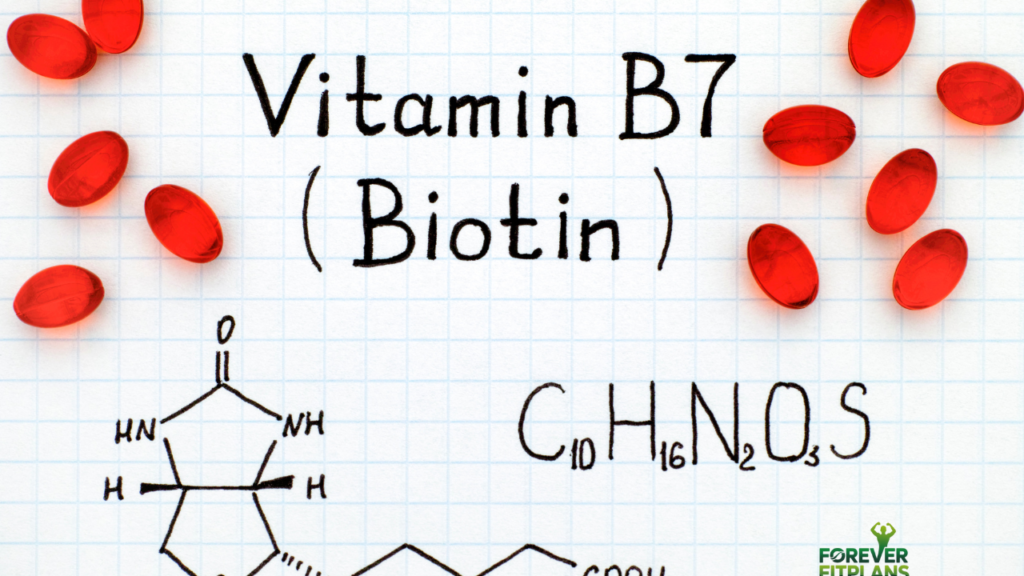
When you don’t get enough biotin, your hair becomes brittle, thin, and prone to breakage. Hair growth slows down significantly, and you might notice bald patches developing. Your nails may also become weak and crack easily.
True biotin deficiency is relatively rare because this vitamin is found in many foods, and your gut bacteria actually produce some biotin. However, certain factors increase your risk. Taking antibiotics long-term can kill the beneficial bacteria that produce biotin. Eating raw egg whites regularly can also interfere with biotin absorption because they contain a protein called avidin that binds to biotin.
Good sources of biotin include eggs (cooked, not raw), nuts and seeds, sweet potatoes, spinach, broccoli, and whole grains. Most people need about 30 micrograms of biotin daily. Biotin supplements are widely available, but talk to your doctor before taking them, especially if you’re on other medications.
Iron Deficiency: A Major Cause of Hair Loss and Premature Graying
Iron deficiency is one of the most common nutritional deficiencies worldwide and a leading cause of hair loss, particularly in women. Iron is crucial for producing hemoglobin, which carries oxygen to your cells, including hair follicles.
When your iron levels drop, your body prioritizes vital organs and pulls resources away from less essential functions like hair growth. This causes hair follicles to enter a resting phase, leading to increased shedding and slower growth. Iron deficiency can also contribute to premature graying because your hair follicles need adequate oxygen to produce melanin.
Women are especially vulnerable to iron deficiency due to menstruation, pregnancy, and breastfeeding. Vegetarians and vegans also face a higher risk because plant-based iron isn’t absorbed as efficiently as iron from animal sources.
Symptoms of iron deficiency include excessive hair shedding, pale skin, fatigue, weakness, cold hands and feet, brittle nails, and shortness of breath. You might notice clumps of hair falling out when you shower or brush your hair.
To increase iron intake, eat red meat, poultry, fish, beans, lentils, spinach, and iron-fortified cereals. Combining iron-rich plant foods with vitamin C sources like citrus fruits or tomatoes improves absorption. Women typically need 18 milligrams of iron daily, while men need 8 milligrams. If blood tests show a severe deficiency, your doctor may prescribe iron supplements.
Folic Acid (Vitamin B9) and Its Impact on Hair Health
Folic acid, or vitamin B9, works closely with vitamin B12 to support healthy cell division and tissue growth. Your hair follicles are some of the fastest-growing cells in your body, so they need plenty of folic acid to function properly.
Low folic acid levels can slow down hair growth and may contribute to premature graying. This vitamin is essential for creating DNA and RNA, the building blocks of new cells. Without enough folic acid, your body can’t produce new hair cells efficiently.
Folic acid deficiency is particularly concerning for pregnant women because it affects fetal development. However, it can affect anyone, especially those with poor diets, digestive disorders, or alcohol dependency.
Signs of folic acid deficiency include hair loss, premature graying, fatigue, mouth sores, swollen tongue, and irritability. You might also experience difficulty concentrating and frequent headaches.
Rich sources of folic acid include leafy green vegetables like spinach and kale, legumes, citrus fruits, avocados, and fortified bread and cereals. Adults need about 400 micrograms of folic acid daily, while pregnant women need 600 micrograms. Folic acid supplements are safe and effective when needed.
Copper Deficiency and Early White Hair
Copper might not be the first nutrient you think of for hair health, but it’s essential for maintaining your natural hair color. Copper is a key component in producing melanin, the pigment that gives your hair its color.
When copper levels are too low, your body can’t produce enough melanin, leading to premature graying or whitening of hair. Copper also helps your body absorb iron and form collagen, both important for strong, healthy hair.
Copper deficiency is uncommon but can occur in people who take high doses of zinc supplements for extended periods, as zinc interferes with copper absorption. People with digestive conditions like Crohn’s disease or those who’ve had gastric bypass surgery are also at risk.
Symptoms include premature gray or white hair, anemia, weak bones, frequent infections, fatigue, and pale skin. In severe cases, you might experience numbness and tingling in your extremities.
Foods rich in copper include shellfish, nuts (especially cashews), seeds, whole grains, beans, and dark chocolate. Most adults need about 900 micrograms of copper daily. Be cautious with copper supplements and only take them under medical supervision, as too much copper can be harmful.
Zinc Deficiency and Excessive Hair Shedding
Zinc plays multiple roles in hair health. It helps with tissue growth and repair, keeps the oil glands around hair follicles working properly, and supports protein synthesis needed for hair growth.
When you’re deficient in zinc, you’ll likely notice increased hair shedding and slower hair growth. Your hair may become dry, brittle, and lose its shine. Zinc deficiency can also lead to a flaky, itchy scalp similar to dandruff.
People at higher risk for zinc deficiency include vegetarians, pregnant and breastfeeding women, people with digestive disorders, and those with chronic kidney disease. Alcohol consumption can also interfere with zinc absorption.
Common signs of zinc deficiency include hair loss, skin problems like acne or eczema, a weak immune system leading to frequent colds, loss of appetite, poor wound healing, and decreased sense of taste or smell.
Good dietary sources of zinc include oysters and other shellfish, red meat, poultry, beans, nuts, whole grains, and dairy products. Adults typically need 8 to 11 milligrams of zinc daily. If you take zinc supplements, don’t exceed 40 milligrams per day unless directed by a doctor, as excess zinc can interfere with copper absorption and cause other problems.
How to Identify Which Deficiency You Have
Determining which vitamin deficiency causes hair loss and white hair in your specific case requires attention to your symptoms and possibly some testing. Hair loss combined with fatigue and pale skin often points to iron deficiency. Premature graying with numbness or tingling suggests B12 deficiency. Brittle hair with weak nails indicates biotin deficiency.
The most reliable way to identify deficiencies is through blood tests. Ask your doctor to check your levels of B12, vitamin D, iron (including ferritin), folate, and zinc if you’re experiencing hair problems. These tests are simple and can provide clear answers.
Keep a symptom journal, noting when you first noticed hair changes and any other symptoms you’re experiencing. This information helps your doctor determine which tests to run and what treatments might work best.
Prevention and Treatment Strategies

Once you know which vitamin deficiency causes hair loss and white hair in your case, you can take action. Start by improving your diet to include foods rich in the deficient vitamins. This is always the best first approach because whole foods provide nutrients in forms your body absorbs best.
Supplements can help when dietary changes aren’t enough, but always consult a healthcare provider before starting supplements. Some vitamins can interact with medications or cause problems when taken in excess.
Be patient with treatment. Hair grows slowly, so you won’t see results overnight. It typically takes three to six months of addressing nutritional deficiencies before you notice significant improvement in hair growth and reduction in shedding.
Consider working with a nutritionist who can help create a meal plan that addresses your specific deficiencies while meeting all your nutritional needs. They can also help identify any dietary habits that might be contributing to deficiencies.
Final Thoughts
Understanding which vitamin deficiency causes hair loss and white hair is essential for addressing these concerns effectively. The most common culprits are vitamin B12, vitamin D, biotin, iron, folic acid, copper, and zinc deficiencies. Each plays a unique role in maintaining healthy hair growth and pigmentation.
The good news is that vitamin deficiencies are usually correctable through dietary changes and appropriate supplementation. By identifying your specific deficiency and addressing it properly, you can restore your hair’s health, reduce hair loss, and potentially slow or reverse premature graying. Remember that healthy hair starts from the inside out. Focus on eating a balanced diet rich in all essential vitamins and minerals, and don’t hesitate to seek medical advice if you’re experiencing significant hair loss or other concerning symptoms. With the right approach, you can give your hair the nutrients it needs to stay strong, thick, and vibrant for years to come.
FAQs
How long does it take to see hair growth after correcting a vitamin deficiency?
Hair growth is a slow process, so you’ll need patience after correcting vitamin deficiencies. Typically, you’ll notice reduced hair shedding within 2 to 3 months of addressing the deficiency. New hair growth becomes visible around 3 to 4 months, and significant improvement in hair thickness and quality usually takes 6 to 12 months. This timeline varies depending on the severity of the deficiency, how long you’ve had it, and your individual hair growth cycle. Some people notice improvements faster, while others take longer. The key is consistency in maintaining proper vitamin levels through diet and supplements as recommended by your healthcare provider.
Can white hair turn black again if I fix my vitamin deficiency?
The answer depends on the cause of your white hair. If premature graying is caused by a vitamin deficiency, particularly B12, copper, or iron deficiency, correcting it may restore some color to your hair, especially in the newer growth. However, this isn’t guaranteed and works best when caught early. Hair that has been white for many years is less likely to regain color because the melanocyte cells (which produce pigment) may have permanently stopped functioning. Additionally, if your white hair is primarily due to genetics and natural aging rather than nutritional deficiency, fixing vitamin levels won’t reverse it. The most realistic expectation is that new hair growth may return to its natural color, while existing white hair will likely remain white.
Should I take multivitamins for hair loss, or specific vitamin supplements?
This depends on your specific deficiency. If you have multiple deficiencies or want general nutritional support, a high-quality multivitamin can be helpful and is generally safe. However, if blood tests reveal a specific severe deficiency (like iron or vitamin D), you’ll likely need targeted supplementation at higher doses than multivitamins provide. Taking individual supplements allows for precise dosing to address your specific needs. Be cautious about taking high doses of multiple individual vitamins simultaneously without medical supervision, as some vitamins can interact with each other or cause toxicity at high levels. The best approach is to get tested first, then work with your doctor or nutritionist to determine whether a multivitamin or specific supplements are right for you.
Are there any side effects of taking hair growth vitamins?
Yes, vitamin supplements can cause side effects, especially when taken in excessive amounts. Iron supplements commonly cause constipation, nausea, and stomach upset. High doses of biotin can interfere with certain lab tests, giving false results. Excess zinc can cause nausea, reduce copper absorption, and weaken immune function. Too much vitamin A can actually cause hair loss rather than prevent it. High doses of vitamin D can lead to calcium buildup and kidney problems. This is why it’s crucial to take supplements at appropriate doses and under medical guidance. Most side effects occur with megadoses well above recommended amounts. Stick to recommended daily values unless your doctor advises otherwise, and always take supplements with food to minimize stomach upset.

Dr. Daniel Carter is a certified health & wellness writer and fitness lifestyle researcher with over 8 years of experience in nutrition, weight management, sleep health, and preventive care. He is passionate about helping people live healthier, stronger, and more balanced lives through science-backed fitness strategies and easy-to-follow wellness tips.
Through FitForever Plan, Dr. Carter shares practical health advice, workout guidance, and nutrition insights designed to support long-term fitness, sustainable weight loss, and overall well-being. His mission is to make healthy living simple, achievable, and enjoyable for everyone.