Top 10 Best Anti-Inflammatory Foods to Eat for Health
When your body faces injury or infection, inflammation is its natural defense mechanism. However, chronic inflammation can lead to serious health problems like heart disease, diabetes, and arthritis.
The good news? The best anti-inflammatory foods can help you fight back naturally, without relying solely on medication.
In this comprehensive guide, we’ll explore which foods can reduce inflammation in your body and how to incorporate them into your daily diet for better health and wellness.
Understanding Inflammation and Why Food Matters
Before diving into the best anti-inflammatory foods, let’s understand what inflammation really is. Think of inflammation as your body’s fire alarm system. When something goes wrong, your immune system sends out inflammatory cells to protect you. This is good when you have a cut or infection.
But sometimes, this alarm system doesn’t turn off. Chronic inflammation happens when your body keeps sending out these cells even when there’s no real danger. This constant state of alert can damage your healthy cells and organs over time.
Your diet plays a crucial role in managing inflammation. Some foods act like fuel on fire, making inflammation worse. Others work like water, helping to cool down the inflammatory response in your body.
The Power Players: Best Anti-Inflammatory Foods
Fatty Fish
Salmon, mackerel, sardines, and tuna top the list of the best anti-inflammatory foods. These fish are packed with omega-3 fatty acids, which are powerful inflammation fighters. Your body can’t make omega-3s on its own, so you need to get them from food.
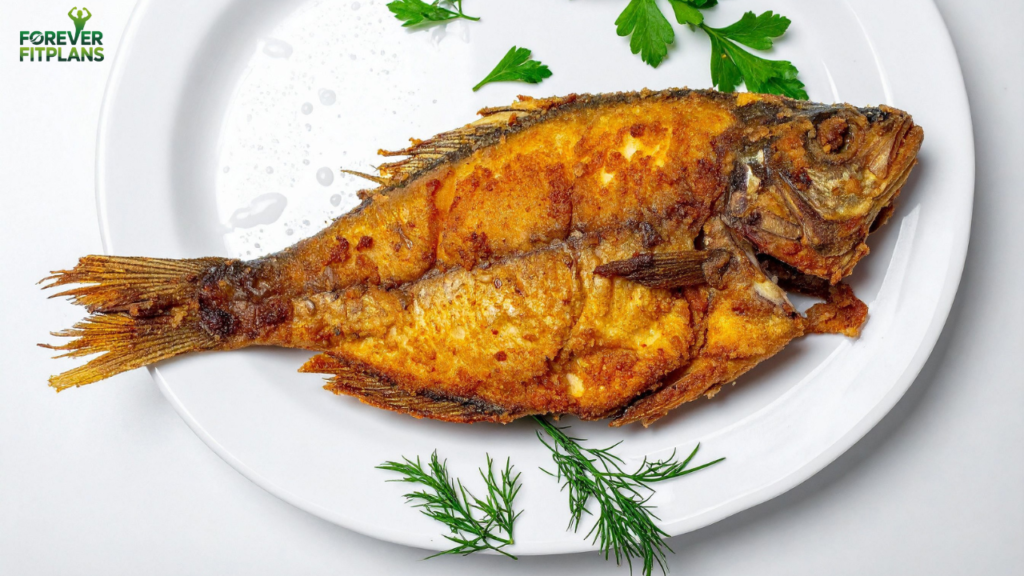
Omega-3s help produce compounds in your body that actively reduce inflammation. Studies show that people who regularly eat fatty fish have lower levels of inflammatory markers in their blood. Aim for at least two servings of fatty fish per week.
Berries
Strawberries, blueberries, raspberries, and blackberries aren’t just delicious. They’re loaded with antioxidants called anthocyanins, which give them their vibrant colors. These antioxidants have strong anti-inflammatory effects.
Research shows that people who eat berries regularly produce more natural killer cells in their bodies. These cells help keep your immune system functioning properly. Add a handful of berries to your breakfast or enjoy them as a snack.
Leafy Green Vegetables
Spinach, kale, collard greens, and Swiss chard deserve a place on your plate. These vegetables contain high amounts of vitamin E and other antioxidants that protect your cells from damage. They also provide fiber, which helps reduce inflammation in your gut.
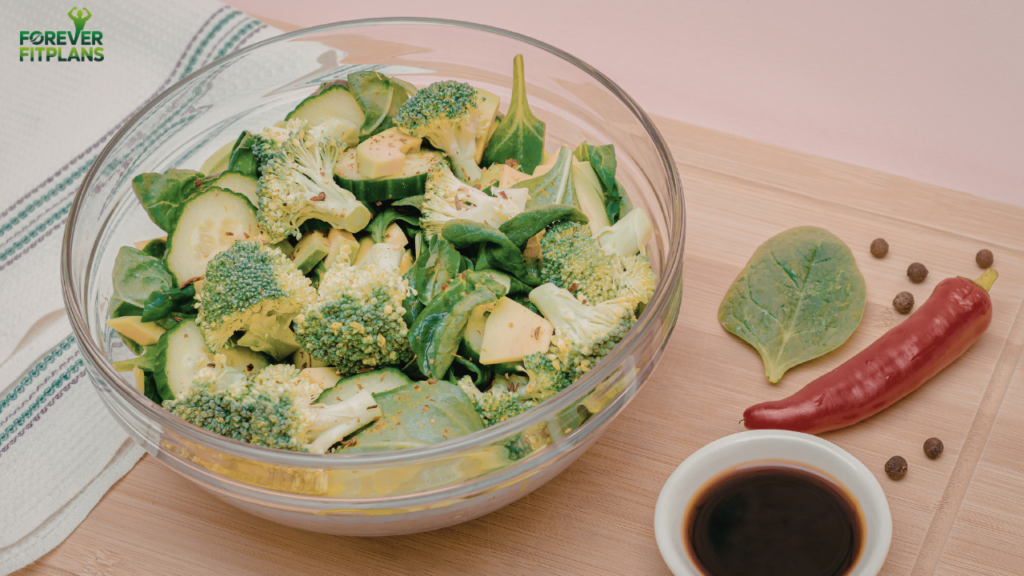
The best part? Leafy greens are incredibly versatile. Toss them in smoothies, add them to soups, or simply sauté them with garlic for a quick side dish.
Extra Virgin Olive Oil
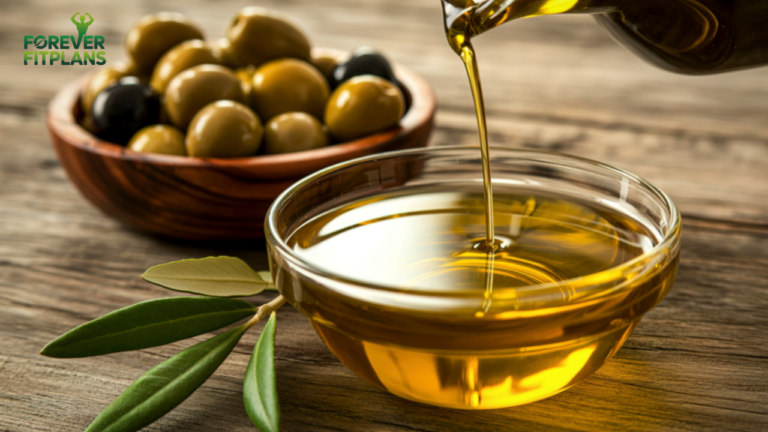
This Mediterranean staple is one of the healthiest fats you can consume. Extra virgin olive oil contains oleocanthal, a compound with anti-inflammatory properties similar to ibuprofen. It also provides antioxidants that protect your heart and brain.
Use olive oil for salad dressings, light cooking, or drizzle it over finished dishes. Just remember to buy extra virgin olive oil and store it in a dark, cool place to preserve its beneficial compounds.
Tomatoes
Tomatoes are nutrition powerhouses packed with vitamin C, potassium, and lycopene. Lycopene is a powerful antioxidant with impressive anti-inflammatory properties. Interestingly, cooking tomatoes actually increases the amount of lycopene your body can absorb.
Add tomatoes to salads, make homemade tomato sauce, or enjoy them roasted. For maximum benefits, pair tomatoes with a little olive oil to help your body absorb the lycopene better.
Nuts
Almonds, walnuts, and other nuts provide healthy fats, protein, and fiber. Walnuts, in particular, contain high amounts of alpha-linolenic acid, a type of omega-3 fatty acid that fights inflammation.
A small handful of nuts daily can reduce inflammatory markers and lower your risk of heart disease and diabetes. Keep nuts handy for quick, healthy snacks between meals.
Turmeric
This bright yellow spice contains curcumin, a compound with powerful anti-inflammatory effects. Curcumin blocks certain molecules that play a role in inflammation. However, your body doesn’t absorb curcumin very well on its own.
To boost absorption, combine turmeric with black pepper. The piperine in black pepper can increase curcumin absorption by up to 2,000 percent. Add turmeric to curries, smoothies, or golden milk.
Green Tea
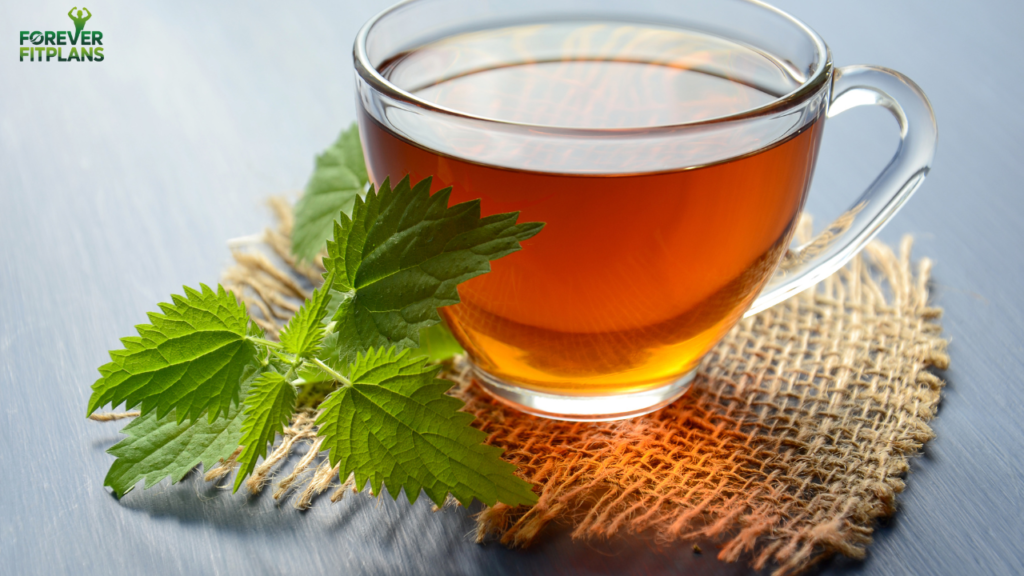
Green tea is rich in a compound called EGCG, which has strong anti-inflammatory and antioxidant properties. EGCG may help reduce the production of inflammatory chemicals in your body.
Drinking three to four cups of green tea daily can provide significant health benefits. If you’re sensitive to caffeine, try decaffeinated green tea or drink it earlier in the day.
Ginger
Fresh ginger has been used for centuries in traditional medicine to treat various ailments. Modern science confirms that ginger contains compounds called gingerols that have anti-inflammatory and antioxidant effects.
Add fresh grated ginger to stir-fries, smoothies, or tea. You can also take ginger supplements, but whole food sources are generally preferable.
Dark Chocolate
Yes, you read that right! Dark chocolate with at least 70 percent cocoa contains flavonoids that fight inflammation. These compounds also support healthy endothelial function, which helps keep your arteries flexible and healthy.
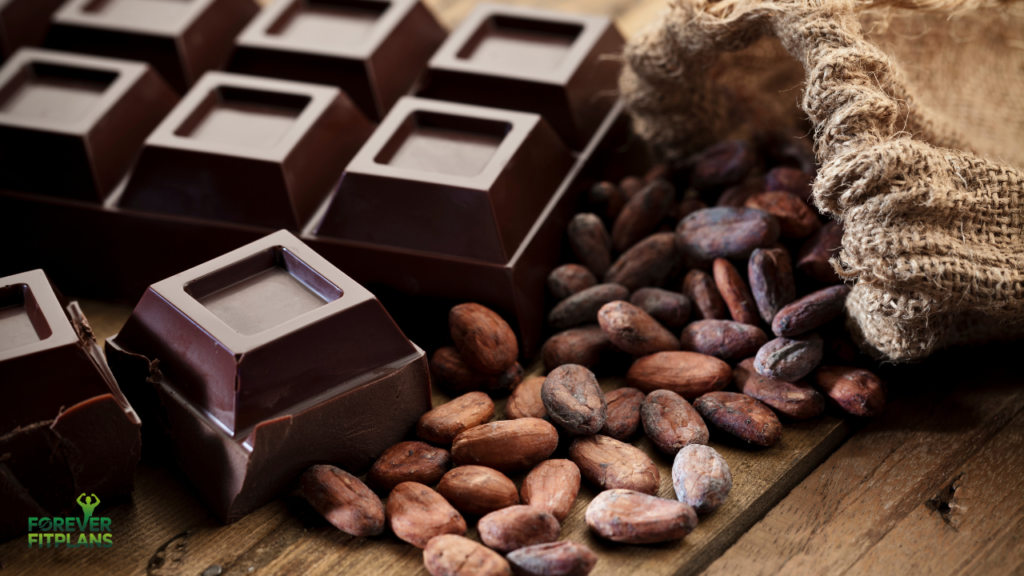
Enjoy a small square of dark chocolate as an occasional treat. Just watch your portion sizes, as chocolate is still high in calories.
Foods to Avoid
While adding the best anti-inflammatory foods to your diet, it’s equally important to limit inflammatory foods. These include:
- Refined carbohydrates like white bread and pastries
- Fried foods and foods high in trans fats
- Sugary beverages and excessive added sugars
- Processed meats like hot dogs and sausages
- Excessive alcohol consumption
Building Your Anti-Inflammatory Diet
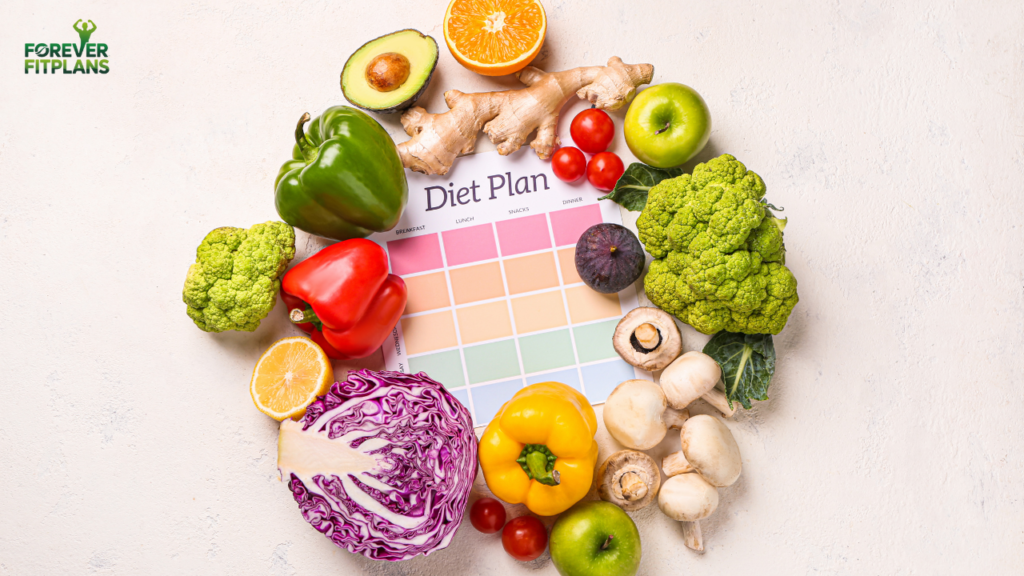
You don’t need to completely overhaul your diet overnight. Start by making small, sustainable changes. Add one or two anti-inflammatory foods to your meals each day. Gradually reduce your intake of processed and sugary foods.
Focus on whole, unprocessed foods as much as possible. Fill half your plate with vegetables, add a serving of fatty fish or nuts, and choose whole grains over refined ones. Cook with olive oil and herbs instead of butter and salt.
Remember that consistency matters more than perfection. Making these foods a regular part of your diet will provide cumulative benefits over time.
Final Thoughts
Incorporating the best anti-inflammatory foods into your daily routine is one of the most powerful steps you can take for your long-term health. These natural, delicious foods work together to reduce chronic inflammation, support your immune system, and protect against various diseases.
Remember that food is just one piece of the puzzle. Regular exercise, adequate sleep, stress management, and avoiding smoking also play crucial roles in controlling inflammation. By combining a healthy diet with other positive lifestyle habits, you can create a powerful defense against chronic inflammation and enjoy better health for years to come.
Start today by choosing just one or two anti-inflammatory foods from this list and finding creative ways to enjoy them. Your body will thank you for it.
FAQs
How long does it take for anti-inflammatory foods to work?
A: While some people notice improvements in just a few weeks, it typically takes one to three months of consistently eating anti-inflammatory foods to see significant changes. The effects are cumulative, so sticking with these healthy eating habits long-term provides the best results. Remember, you’re changing your body’s chemistry gradually, not taking a quick-fix medication.
Can I eat anti-inflammatory foods if I’m taking medication for inflammation?
A: Yes, in most cases, anti-inflammatory foods complement medical treatments rather than interfere with them. However, some foods like ginger and turmeric can interact with blood-thinning medications. Always discuss dietary changes with your healthcare provider, especially if you’re taking prescription medications or have existing health conditions.
Are anti-inflammatory supplements as effective as whole foods?
A: While supplements can be helpful in certain situations, whole foods are generally more effective because they contain multiple beneficial compounds that work together synergistically. Whole foods also provide fiber, vitamins, and minerals that supplements lack. Focus on getting nutrients from food first, and only consider supplements under professional guidance for specific deficiencies.
Will eating anti-inflammatory foods help me lose weight?
A: Many anti-inflammatory foods naturally support weight management because they’re nutrient-dense, high in fiber, and help regulate blood sugar levels. Additionally, reducing inflammation can improve metabolic health, making weight loss easier. However, portion control and overall calorie intake still matter. Think of anti-inflammatory eating as part of a healthy lifestyle that supports both reduced inflammation and healthy weight management.

Dr. Daniel Carter is a certified health & wellness writer and fitness lifestyle researcher with over 8 years of experience in nutrition, weight management, sleep health, and preventive care. He is passionate about helping people live healthier, stronger, and more balanced lives through science-backed fitness strategies and easy-to-follow wellness tips.
Through FitForever Plan, Dr. Carter shares practical health advice, workout guidance, and nutrition insights designed to support long-term fitness, sustainable weight loss, and overall well-being. His mission is to make healthy living simple, achievable, and enjoyable for everyone.