Best Fruits for Weight Loss: 15 Delicious Picks That Actually Work
Trying to lose weight doesn’t mean giving up on flavor — it just means making smarter choices. And one of the smartest things you can do is add the best fruits for weight loss to your daily diet. Fruits are naturally sweet, filling, and loaded with vitamins, fiber, and antioxidants that your body truly needs.
But here’s the thing — not all fruits are created equal when it comes to shedding pounds. Some are low in calories and high in fiber, making them perfect for weight loss. Others are calorie-dense and can slow your progress if you overeat them.
In this article, you’ll find the best fruits for weight loss, why they work, how much to eat, and when to eat them — all explained in simple, practical terms.
Why Fruit Is Good for Weight Loss
Before we go into the list, let us quickly review why fruit is one of your greatest weight-loss helpers when you choose it carefully.
- Rich in fiber: Fiber lowers total calorie intake, prolongs feelings of fullness, and slows digestion.
- Fruit is naturally sweet, satisfying sugar cravings without the harmful effects of processed sweets.
- High water content: Fruits high in water give your diet more volume without increasing your calorie intake.
- Low energy density: You can consume a lot of food for comparatively few calories.
- Rich in micronutrients: Minerals and vitamins support hormones, energy levels, and metabolism.
- Anti-inflammatory: A lot of fruits lower inflammation, which is strongly associated with obesity and trouble losing weight.
Even when overall calorie intake is identical, research repeatedly demonstrates that those who consume more whole fruits tend to weigh less than those who do not.
The 15 Best Fruits for Weight Loss (Ranked and Explained)
1. Watermelon 🍉
Calories: ~30 per 100g | Water content: 92%
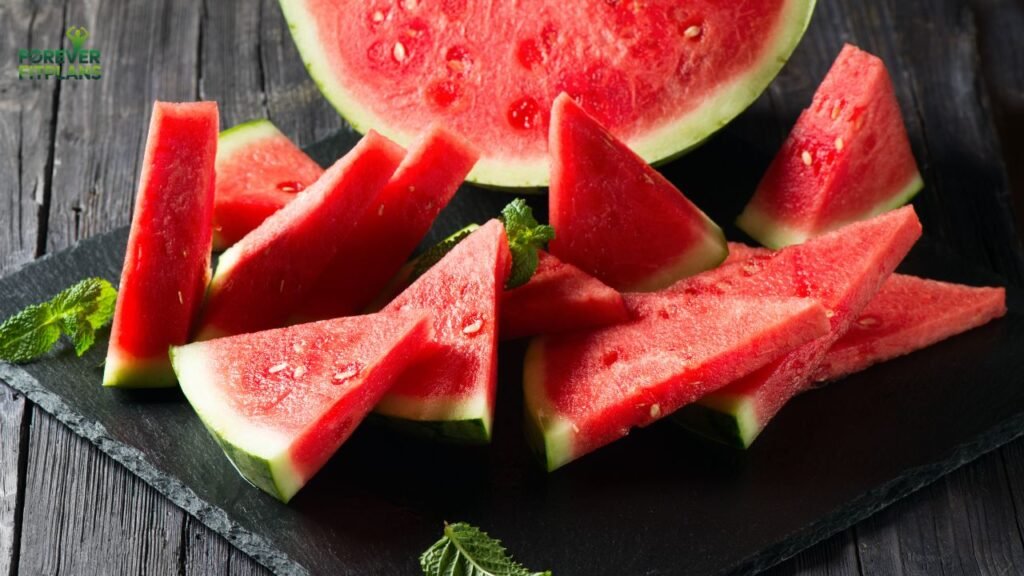
If you want to feel full without eating many calories, watermelon is your best friend. It’s one of the lowest-calorie fruits available and has one of the highest water contents of any food.
Watermelon also contains citrulline, an amino acid that may help reduce muscle soreness and support fat metabolism. It’s naturally sweet, so it crushes sugar cravings without the guilt.
How to eat it: Enjoy a 2-cup serving as a mid-morning or afternoon snack.
2. Grapefruit 🍊
Calories: ~42 per 100g | Fiber: 1.6g
Grapefruit is one of the most studied fruits in weight loss research. A landmark study from the Scripps Clinic found that people who ate half a grapefruit before meals for 12 weeks lost significantly more weight than those who didn’t — without changing anything else in their diet.
Why? Grapefruit is high in fiber and water, which helps reduce appetite. It also has a low glycemic index (25), meaning it doesn’t spike blood sugar levels.
Important note: If you take certain medications (like statins or blood pressure drugs), check with your doctor first — grapefruit can interact with some medicines.
3. Berries (Blueberries, Strawberries, Raspberries) 🫐🍓
Calories: 30–50 per 100g | Fiber: 2–6.5g
Berries deserve their own spotlight among the best fruits for weight loss. Here’s why they’re exceptional:
- Raspberries have the most fiber of any common fruit — 6.5g per cup — which is outstanding for satiety
- Blueberries are rich in anthocyanins, which may help reduce belly fat and improve insulin sensitivity
- Strawberries are sweet, low in calories (32 per 100g), and high in vitamin C
A study published in the British Journal of Nutrition found that eating berries regularly was associated with lower body weight and reduced waist circumference over time.
| Berry Type | Calories/100g | Fiber (g) | Sugar (g) |
| Raspberries | 52 | 6.5 | 4.4 |
| Strawberries | 32 | 2.0 | 4.9 |
| Blueberries | 57 | 2.4 | 9.9 |
| Blackberries | 43 | 5.3 | 4.9 |
How to eat them: Add to Greek yogurt, oatmeal, or eat a cup as a snack.
4. Apple 🍎
Calories: ~52 per 100g | Fiber: 2.4g
“An apple a day keeps the doctor away” — and apparently the extra pounds too. Apples are one of the most researched fruits for weight loss for good reason.
They’re high in pectin, a type of soluble fiber that forms a gel in your gut and slows digestion significantly. This keeps you feeling satisfied long after eating. One medium apple (about 182g) has around 4.4g of fiber and only 95 calories.
Studies show that eating whole apples — not apple juice — before a meal reduces total calorie intake at that meal. The key is eating them whole with the skin on.
5. Pears 🍐
Calories: ~57 per 100g | Fiber: 3.1g
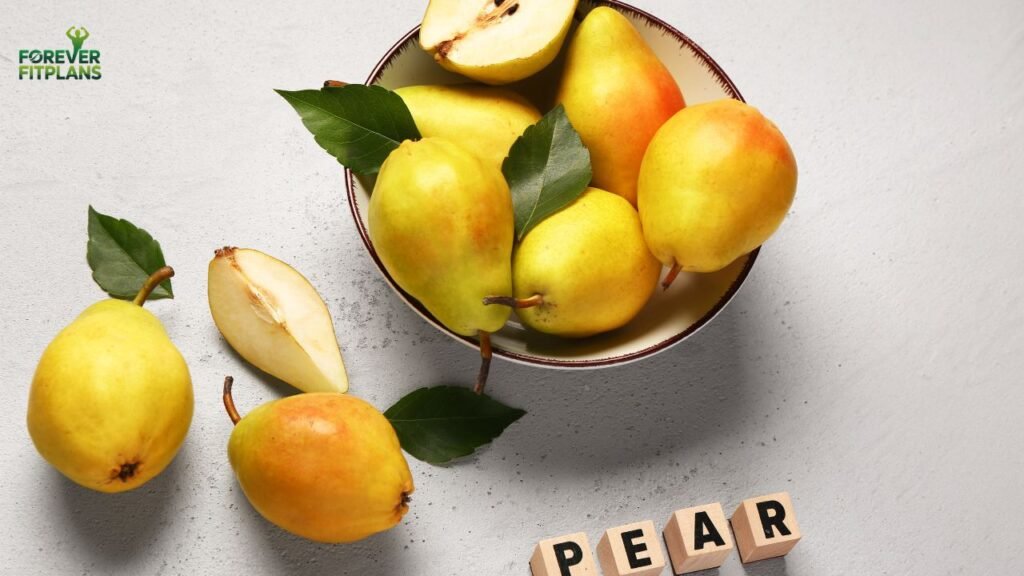
Pears are often overlooked, but they’re quietly one of the best fruits for losing weight. A medium pear contains about 5.5g of fiber — more than many other popular fruits.
Research published in the Nutrition journal found that women who ate three pears per day consumed fewer total calories and lost more weight than those who didn’t. The high fiber content is the main driver here.
6. Kiwi 🥝
Calories: ~61 per 100g | Fiber: 3g
Kiwi is a nutritional powerhouse in a small package. It contains actinidin, a unique enzyme that improves protein digestion. It’s also high in vitamin C, vitamin K, and folate.
From a weight loss standpoint, kiwi has a low glycemic index (around 50), which means it doesn’t spike blood sugar. Studies also show kiwi can improve gut health and reduce bloating — making you feel and look slimmer.
7. Avocado 🥑
Calories: ~160 per 100g | Healthy Fats: 15g
Wait — avocado? Isn’t it high in calories?
Yes, but avocado is one of the best fruits for weight loss because of its unique fat composition. It’s loaded with oleic acid (the same healthy fat in olive oil), which actually helps your body burn fat more efficiently.
Avocados are also extremely high in fiber (6.7g per 100g) and have been shown in studies to increase meal satisfaction by up to 23% and reduce the desire to eat for up to 5 hours after a meal.
Key tip: Portion matters. Stick to half an avocado (about 75g) per serving.
8. Peaches 🍑
Calories: ~39 per 100g | Fiber: 1.5g
Peaches are juicy, naturally sweet, and surprisingly low in calories. They contain phenolic compounds — plant chemicals that have been studied for their role in fighting obesity-related diseases.
They also have a satisfying sweetness that makes them a great replacement for sugary snacks and desserts when cravings hit.
9. Passion Fruit
Calories: ~97 per 100g | Fiber: 10.4g
Passion fruit has one of the highest fiber contents of any fruit — a whopping 10.4g per 100g. That’s extraordinary for a fruit. A single serving gives you nearly 40% of your daily recommended fiber intake.
High fiber = feeling full for longer = eating less overall. Simple math for weight loss. It also has a low glycemic index (30), so it won’t mess with your blood sugar levels.
10. Pomegranate 🍎
Calories: ~83 per 100g | Fiber: 4g
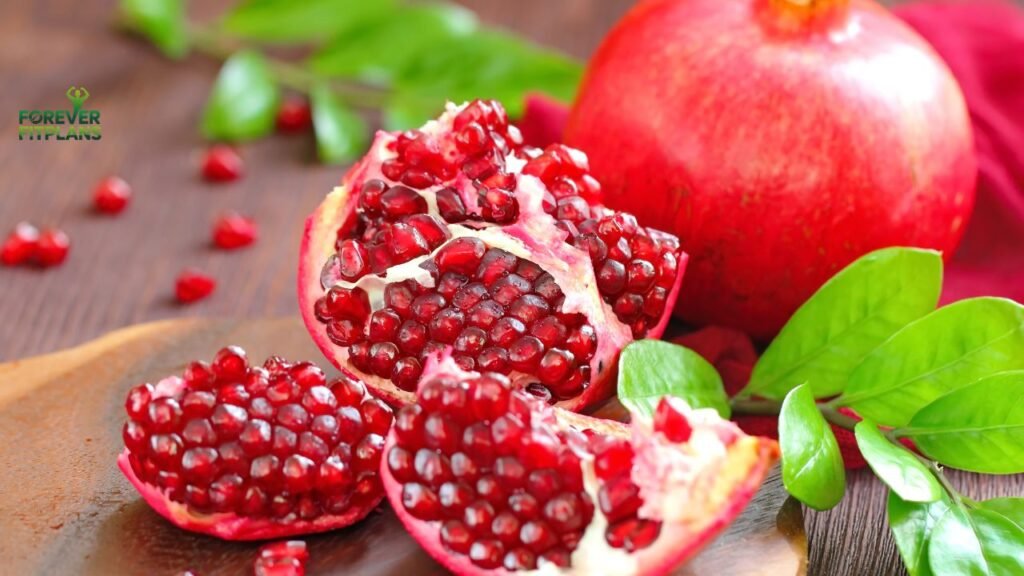
Pomegranate seeds are rich in punicalagins and anthocyanins — powerful antioxidants linked to reduced inflammation and better metabolic health. Some research suggests that pomegranate extract may help reduce fat tissue formation.
It’s also rich in fiber, which supports digestion and keeps you full.
11. Oranges 🍊
Calories: ~47 per 100g | Fiber: 2.4g | Vitamin C: 88% DV
Here’s a surprising fact: eating a whole orange is far better for weight loss than drinking orange juice. The whole fruit has fiber that slows sugar absorption; the juice strips that away and concentrates the sugar.
Oranges are high in vitamin C, which research links to lower body fat and a smaller waist size. They’re also very filling for their calorie count.
12. Papaya 🍈
Calories: ~43 per 100g | Fiber: 1.7g
Papaya contains papain, a digestive enzyme that helps break down proteins and reduces bloating. It’s also low in calories and has a mild natural sweetness.
For people who struggle with digestive issues that cause belly bloating, papaya can make a real visual and physical difference in how they feel.
13. Guava
Calories: ~68 per 100g | Fiber: 5.4g
Guava is one of the most fiber-dense fruits you can find at a grocery store. Five grams of fiber per 100g is impressive. It’s also rich in vitamin C (more than an orange), lycopene, and antioxidants.
The high fiber content combined with a low glycemic index makes guava a standout among the best fruits for weight loss — especially in tropical regions where it’s abundantly available.
14. Coconut
Calories: ~354 per 100g (fresh flesh) | MCT Fats: High
Coconut is high in calories, but it contains medium-chain triglycerides (MCTs) — fats that are metabolized differently than other fats. MCTs are rapidly converted to energy rather than stored as body fat, and research shows they may slightly boost calorie burning.
Use shredded coconut or coconut milk in small amounts as a flavorful addition to meals — not as a main snack.
15. Plums
Calories: ~46 per 100g | Fiber: 1.4g
Plums are sweet, juicy, and low in calories. They contain sorbitol, a natural sugar alcohol that acts as a mild laxative, which helps with regularity and reduces bloating. They’re also rich in phenolic compounds that may help combat metabolic syndrome.
Best Fruits for Weight Loss: Quick Comparison Table
| Fruit | Calories/100g | Fiber (g) | GI Score | Best For |
| Watermelon | 30 | 0.4 | 72 | Hydration, low-cal snacking |
| Grapefruit | 42 | 1.6 | 25 | Appetite control |
| Raspberries | 52 | 6.5 | 25 | High fiber, gut health |
| Apple | 52 | 2.4 | 38 | Satiety, meal prep |
| Passion Fruit | 97 | 10.4 | 30 | Highest fiber content |
| Avocado | 160 | 6.7 | 15 | Healthy fats, satiety |
| Guava | 68 | 5.4 | 12 | Fiber + vitamin C |
| Strawberries | 32 | 2.0 | 25 | Low sugar, versatile |
| Kiwi | 61 | 3.0 | 50 | Gut health, digestion |
| Peach | 39 | 1.5 | 42 | Sweet cravings substitute |
When Is the Best Time to Eat Fruit for Weight Loss?
Eating fruit at the right times can have a significant impact:
- Higher-sugar fruits, such as bananas or mangoes, are best consumed in the morning when your metabolism is active, and you will burn through them.
- Before meals: To lessen hunger and eat less overall, eat a modest portion 20 to 30 minutes before a meal.
- Berries, apples, or kiwis are ideal as a midmorning or afternoon snack to fill the time between meals.
- Natural sugar-containing fruits are an excellent way to swiftly replace glycogen levels after exercise.
- Avoid immediately before bed because late-night fruit might disrupt fat burning and sleep quality, and sugar metabolism slows down at night.
How Much Fruit Should You Eat for Weight Loss?
More is not always better — even with the best fruits for weight loss.
| Daily Intake Goal | Recommended Fruit Servings |
| Moderate weight loss | 2–3 servings per day |
| Active weight loss | 1–2 servings per day |
| Maintenance | 2–4 servings per day |
One serving = 1 medium fruit, 1 cup of berries, or about 150g of chopped fruit.
Stick to whole fruits. Avoid fruit juices, dried fruits, and canned fruits in syrup — these are calorie traps with little fiber benefit.
Fruits to Limit When Trying to Lose Weight
Eat these fruits in smaller portions because they are richer in calories and sugar, but not “bad”:
- Mango: Tasty yet heavy in sugar (45g per fruit)
- Banana: Excellent nourishment, but each one has more than 105 calories; ideal after exercise
- Grapes: Easy to overindulge; limit to one cup.
- Cherries: Consume in moderation due to their high sugar content.
- A tiny handful of dried fruits (raisins, dates) has a lot of calories due to their high sugar content.
Frequently Asked Questions
What is the number one best fruit for weight loss?
Grapefruit is often considered the top choice due to its proven appetite-suppressing effects and very low glycemic index. Berries come in at a close second for their high fiber content and antioxidant benefits. Ultimately, the best fruit for weight loss is the one you’ll actually eat consistently and in the right portion.
Is it okay to eat fruit every day when trying to lose weight?
Absolutely — in fact, it’s encouraged. Eating 2–3 servings of whole fruit daily has been consistently linked to healthier body weight in population studies. The fiber, water, and micronutrients in fruit support fat loss rather than hinder it. Just avoid fruit juices and dried fruits, which lack fiber and are calorie-dense.
Which fruits should I avoid for weight loss?
No fruit needs to be completely avoided, but high-sugar fruits like mangoes, bananas, and grapes should be eaten in smaller portions if you’re in an active weight loss phase. The bigger things to cut are fruit juices, smoothie bowls loaded with sugar, and canned fruit in syrup.
Do bananas make you gain weight?
Not when eaten in moderation. A medium banana has about 105 calories and 3g of fiber. Eaten as part of a balanced diet, bananas do not cause weight gain. However, eating several bananas a day alongside other high-calorie foods can contribute to a calorie surplus. Timing matters too — bananas are best eaten in the morning or post-workout.
Can I eat fruit at night for weight loss?
It’s generally better to eat fruit earlier in the day. Nighttime is when your metabolism slows, and the natural sugars in fruit are less efficiently burned close to bedtime. If you need a nighttime snack, choose lower-sugar options like berries or a small apple rather than bananas or grapes.
Is fruit juice as good as whole fruit for weight loss?
No — this is one of the biggest nutrition myths. Fruit juice strips away the fiber that makes whole fruit so beneficial for weight loss. Without fiber, the sugar is absorbed rapidly, causing blood sugar spikes. Whole fruits — eaten with skin where possible — are always the better choice.
How many calories should I get from fruit per day on a weight loss diet?
Most dietitians recommend getting 10–15% of your daily calorie intake from fruit. On a 1,500-calorie diet, that’s 150–225 calories from fruit per day — roughly 2–3 medium pieces of fruit. Focus on fiber-rich options to maximize fullness per calorie.
Conclusion
The majority of the best fruits for weight loss are waiting for you in your neighborhood grocery shop; they are neither pricey nor exotic. Nature has provided us amazing tools to reduce weight without feeling deprived, from the metabolism-boosting grapefruit and avocado to the fiber-rich passion fruit and raspberries.
The secret is to consume the proper fruits at the right times throughout the day, in sensible portions. Avoid the fruit juice, be mindful of portion sizes, and try to limit your intake to whole, fresh fruits.
Start small: this week, replace one processed snack every day with a piece of fresh fruit. Over time, that one habit alone might have a significant impact.
One mouthwatering nibble at a time, your body will appreciate it.
For detailed information, also read this blog from GoodRx.

Dr. Daniel Carter is a certified health & wellness writer and fitness lifestyle researcher with over 8 years of experience in nutrition, weight management, sleep health, and preventive care. He is passionate about helping people live healthier, stronger, and more balanced lives through science-backed fitness strategies and easy-to-follow wellness tips.
Through FitForever Plan, Dr. Carter shares practical health advice, workout guidance, and nutrition insights designed to support long-term fitness, sustainable weight loss, and overall well-being. His mission is to make healthy living simple, achievable, and enjoyable for everyone.