
Does Coffee Make You Lose Weight? 6 Shocking Reasons Your Daily Cup Burns Fat Fast
You drink it every morning without thinking twice. But could your daily cup of coffee actually be helping you lose weight? Does coffee make you lose weight — or is that just wishful thinking for coffee lovers everywhere? The honest answer is: yes, coffee can support weight loss — but the details matter enormously.
The type of coffee, what you add to it, when you drink it, and how much you consume all determine whether your coffee habit is working for or against your weight loss goals. Does coffee make you lose weight by itself? No. But as part of a smart approach to diet and lifestyle, the science shows that coffee has several genuine, measurable effects on metabolism, fat burning, appetite, and exercise performance that can meaningfully accelerate weight loss. This guide covers everything you need to know.
For more effective strategies, check out our guide 5 Best-Kept Secrets to Losing Weight After 60 to learn tips tailored for healthy weight loss as you age.
The Science Behind Coffee and Weight Loss
Before answering, does coffee make you lose weight in detail, it helps to understand what coffee actually does inside your body.
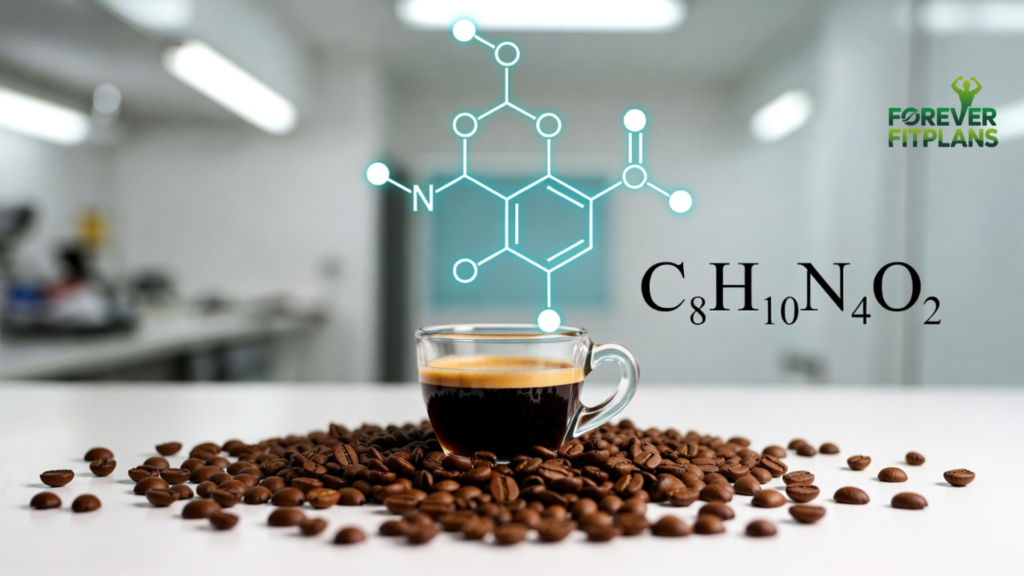
Coffee contains over 1,000 bioactive compounds, but three matter most for weight loss:
1. Caffeine — The Primary Fat-Burning Compound
Caffeine is the most studied psychoactive substance on earth — and its effects on metabolism and fat burning are well-documented.
Caffeine works through several mechanisms simultaneously:
- Stimulates the central nervous system — increases alertness, reduces perceived fatigue, and makes physical activity feel easier and more sustainable
- Raises epinephrine (adrenaline) levels — adrenaline signals fat cells to break down stored fat and release it into the bloodstream as free fatty acids available for energy
- Inhibits phosphodiesterase — this enzyme normally breaks down cAMP, a compound that promotes fat cell breakdown. By inhibiting this enzyme, caffeine keeps fat cells in fat-releasing mode for longer.
- Increases thermogenesis — caffeine raises body temperature slightly, increasing calorie burn.n
The research: A meta-analysis published in the International Journal of Food Sciences and Nutrition found that caffeine intake was significantly associated with reduced body weight, BMI, and body fat. The effect was most pronounced in people who consumed 270mg or more of caffeine daily — roughly two to three cups of coffee.
2. Chlorogenic Acids — The Overlooked Weight Loss Compound
Coffee is one of the richest dietary sources of chlorogenic acids — polyphenol antioxidants that have significant metabolic effects independent of caffeine.
Chlorogenic acids:
- Slow glucose absorption in the digestive tract reduces post-meal blood sugar and insulin spikes
- Improve insulin sensitivity over time
- Reduce hepatic (liver) glucose production
- Have been shown in multiple studies to reduce body fat accumulation
This is why green coffee extract — which is higher in chlorogenic acids than roasted coffee — has been studied specifically for weight loss. A meta-analysis in Gastroenterology Research and Practice found that green coffee extract supplementation produced significant reductions in body weight compared to placebo.
3. Diterpenes — Cafestol and Kahweol
These compounds, found primarily in unfiltered coffee (French press, Turkish coffee), have anti-inflammatory and antioxidant properties. While they have modest metabolic effects, they are also the compounds that raise LDL cholesterol — a reason to use a paper filter if cardiovascular risk is a concern.
Does Coffee Make You Lose Weight? 7 Proven Mechanisms
1. Coffee Boosts Metabolic Rate
Does coffee make you lose weight by speeding up metabolism? Yes — and the evidence is solid.
Caffeine is one of the few substances with clear evidence for increasing resting metabolic rate (RMR) — the calories your body burns at complete rest.
The research:
- A study published in the American Journal of Clinical Nutrition found that caffeine increased metabolic rate by 3–11%, depending on dose
- In lean individuals, a 100mg dose of caffeine increased metabolic rate by approximately 150 calories over the following 24 hours.
- In overweight individuals, the effect was smaller but still significant, approximately a 3–4% increase.
Practical implication: Three cups of black coffee per day could increase your daily calorie burn by 80–150 calories, equivalent to a 15–20 minute walk, purely from the metabolic stimulation of caffeine.
This effect is most pronounced in younger, leaner individuals and decreases with age and habitual caffeine use (tolerance develops over time). Taking periodic breaks from coffee — two to four weeks caffeine-free every few months — can help maintain this metabolic benefit.
2. Coffee Mobilises Fat From Fat Cells
Does coffee make you lose weight by releasing stored fat? Yes — and this is one of the most direct mechanisms.
Before exercise, caffeine raises blood levels of epinephrine (adrenaline), which sends a signal directly to fat cells, instructing them to break down stored triglycerides and release free fatty acids into the bloodstream.
What this means practically:
- Drinking black coffee 30–60 minutes before exercise increases the amount of fat available for burning during the workout
- Studies show caffeine before exercise increases fat oxidation by 10–29% during aerobic exercise
- This effect is stronger in a fasted state — making morning coffee before a fasted walk or workout, particularly effective for fat burning.g
A study in the Journal of the International Society of Sports Nutrition found that consuming 3mg of caffeine per kilogram of body weight before exercise significantly increased fat oxidation compared to a placebo in both trained and untrained individuals.
3. Coffee Suppresses Appetite
Does coffee make you lose weight by reducing hunger? Moderately — yes.
Caffeine affects several appetite-regulating hormones:
- Reduces ghrelin (the primary hunger hormone) for one to three hours after consumption
- Increases peptide YY, a fullness hormone released by the gut
- Delays gastric emptying slightly — food stays in the stomach longer, extending satiety
The research: A study published in Obesity found that caffeine consumption was associated with reduced energy intake at meals consumed shortly after coffee drinking. Participants who drank coffee before a meal ate approximately 10–15% fewer calories at that meal.
Practical application:
- Drinking black coffee 30 minutes before a meal can reduce calorie intake at that meal
- Morning coffee may help delay breakfast for those practising intermittent fasting — extending the fasting window comfortably
- The appetite-suppressing effect lasts approximately 1–3 hours and is most reliable in habitual coffee drinkers
4. Coffee Enhances Exercise Performance
Does coffee make you lose weight by improving your workouts? Absolutely — and this is one of the most well-established effects in sports nutrition.
Caffeine is one of the most evidence-backed ergogenic (performance-enhancing) aids available. It reduces perceived exertion — meaning the same exercise feels easier — and allows you to train harder, longer, and with more intensity.
Performance benefits of pre-workout coffee:
- Increases endurance performance by 2–12% in multiple studies
- Reduces perceived exertion by 5–8% — making exercise feel easier at the same intensity
- Improves strength performance in resistance training by 3–7%
- Increases power output in high-intensity exercise
- Reduces muscle pain during exercise, allowing longer training sessions
When you exercise harder and longer, you burn more calories both during and after the workout (EPOC — excess post-exercise oxygen consumption). This compounds into meaningful additional calorie burn over weeks and months.
Optimal pre-workout coffee timing: 30–60 minutes before exercise. Dose: 3–6mg per kg body weight. For a 150-pound (68kg) person, that is approximately 200–400mg caffeine, one to two strong cups of coffee.
5. Coffee Reduces Water Retention
Does coffee make you lose weight partly through reduced bloating and water retention? Yes, though this is temporary rather than true fat loss.
Caffeine has a mild diuretic effect — it increases urine production and helps the kidneys flush excess fluid. This is why some people notice they look slightly leaner and feel less bloated after morning coffee.
Important context: This is not fat loss — it is fluid loss. It is temporary and reverses when caffeine wears off or when you stop drinking coffee. However, for people with hormonal water retention (common in women premenstrually or with high cortisol), this effect can produce noticeable improvements in how clothes fit.
The diuretic effect is mild in habitual coffee drinkers because the body adapts. The effect is more pronounced in non-regular coffee drinkers or after a caffeine break.
6. Coffee May Improve Insulin Sensitivity Over Time
Does coffee make you lose weight through better blood sugar management? Long-term evidence suggests yes.
Regular coffee consumption is consistently associated in epidemiological studies with reduced risk of Type 2 diabetes — a relationship that has been observed across dozens of large cohort studies involving millions of participants.
The chlorogenic acids in coffee improve insulin sensitivity and slow glucose absorption — helping prevent the blood sugar spikes and subsequent insulin surges that promote fat storage.
The research:
- A meta-analysis of 28 studies found that both caffeinated and decaffeinated coffee consumption were associated with reduced Type 2 diabetes risk
- The association was dose-dependent — people drinking four or more cups daily had the greatest risk reduction
- Regular coffee drinkers tend to have lower fasting insulin levels than non-coffee drinkers after controlling for other factors.
Improved insulin sensitivity means your body needs less insulin to handle the same carbohydrate load — and lower chronic insulin means less fat storage and easier fat burning.
7. Coffee Shifts Fat Oxidation During Exercise
Does coffee make you lose weight by changing which fuel source your body uses during exercise?
Research shows that caffeine consumption before aerobic exercise shifts the body’s fuel preference from carbohydrates to fat — meaning your body burns a higher proportion of fat versus stored glycogen during the same workout.
A study in the Journal of Applied Physiology found that moderate caffeine intake before exercise increased fat oxidation by 31% compared to a placebo during moderate-intensity aerobic exercise.
Why this matters for weight loss:
- Burning more fat during exercise preserves glycogen stores
- Preserved glycogen delays fatigue, allowing longer exercise sessions
- Higher fat oxidation during exercise trains the body’s fat-burning pathways more effectively over time
- Combined with a calorie deficit, this shift toward fat oxidation accelerates body fat reduction
When Coffee Does NOT Make You Lose Weight
Does coffee make you lose weight in every scenario? Definitely not. There are specific situations where coffee actively works against your weight loss goals.
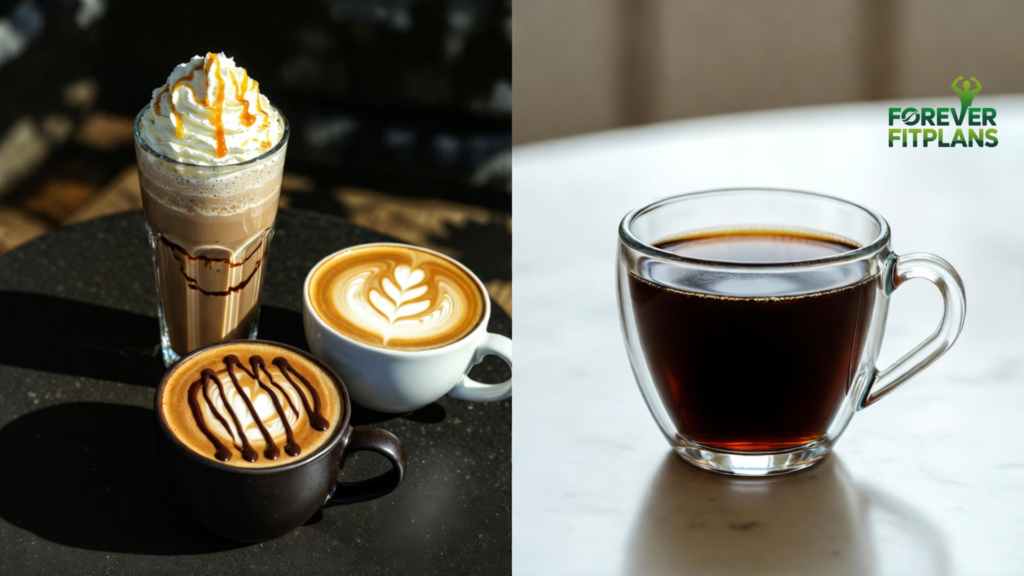
The Calorie Bomb Problem
The single biggest way coffee becomes a weight loss enemy is through high-calorie additions:
| Coffee Drink | Calories | Sugar | Fat |
| Plain black coffee (8oz) | 2 cal | 0g | 0g |
| Americano | 10 cal | 0g | 0g |
| Flat white (whole milk) | 170 cal | 13g | 9g |
| Latte (whole milk, grande) | 190 cal | 18g | 7g |
| Vanilla latte (sweetened) | 250 cal | 35g | 7g |
| Caramel Frappuccino (grande) | 380 cal | 54g | 13g |
| Pumpkin Spice Latte | 380 cal | 50g | 14g |
| Mocha with whipped cream | 400 cal | 44g | 15g |
A daily Frappuccino adds 2,660 calories per week — the equivalent of an extra day’s worth of food. Clearly, does coffee make you lose weight when ordered this way? Absolutely not.
The Cortisol Problem
Drinking coffee — particularly on an empty stomach immediately upon waking — spikes cortisol, the stress hormone.
Cortisol:
- Raises blood glucose (to provide energy for the anticipated “stress response”)
- Promotes fat storage in the abdominal area
- Increases appetite, particularly for high-carbohydrate comfort foods
- Disrupts sleep quality when consumed too late in the day
Cortisol is naturally highest in the first 30–60 minutes after waking — a period called the Cortisol Awakening Response (CAR). Drinking coffee during this window adds a caffeine-driven cortisol spike on top of an already elevated natural cortisol peak, which is counterproductive for both stress management and weight loss.
Better approach: Wait 60–90 minutes after waking before drinking your first coffee. Drink water and get some light exposure first. This allows the natural cortisol peak to subside before you add caffeine.
The Sleep Disruptor Problem
Caffeine has a half-life of approximately five to six hours in most people. Drinking coffee at 3 pm means half the caffeine is still active at 89 pmm.
Poor sleep:
- Raises ghrelin and lowers leptin — increasing hunger and reducing fullness signals
- Drives cravings for high-sugar, high-fat foods the following day
- Reduces insulin sensitivity
- Increases cortisol, promoting fat storage
People who drink coffee too late and suffer poorer sleep quality as a result often gain weight — not from the coffee itself but from the downstream effects on appetite and metabolism the following day.
Cutoff time: For most people, stop caffeine consumption by 1–2 pm. People who are fast caffeine metabolizers (genetically determined) may tolerate a later cutoff. People who are slow metabolizers should cut off by noon.
How to Use Coffee Specifically for Weight Loss
Does coffee make you lose weight most effectively when used strategically? Absolutely. Here is exactly how:
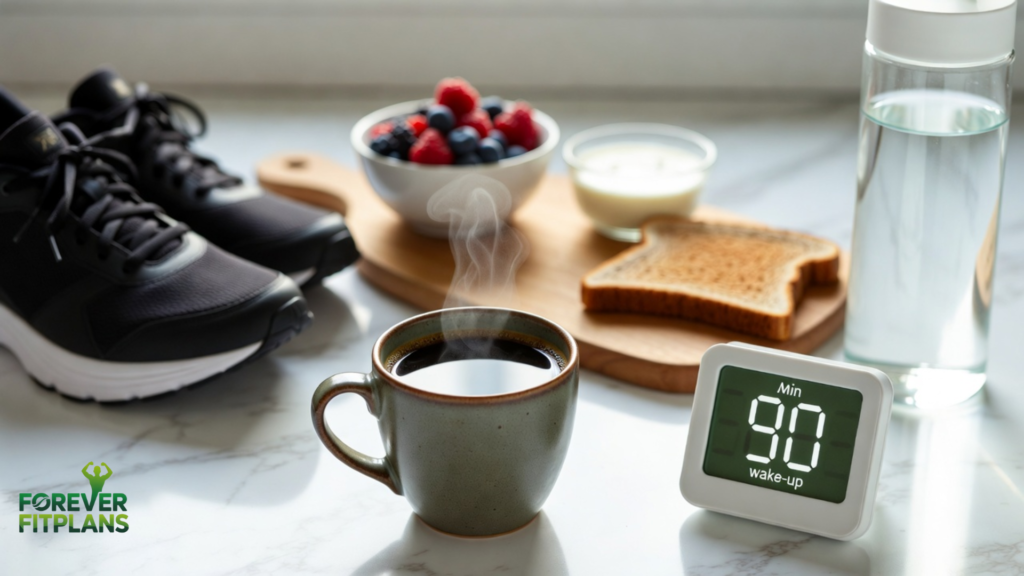
The Optimal Coffee Weight Loss Protocol
1. Black coffee only: No sugar, no cream, no flavoured syrups. Plain black coffee or Americano. This is non-negotiable for weight loss purposes. Even adding one tablespoon of cream and one teaspoon of sugar adds 50–70 calories — innocuous in isolation but significant across months.
2. Timing:
- Wait 60–90 minutes after waking before first coffee
- Drink before meals to suppress appetite (30 minutes before ideal)
- Drink 30–60 minutes before exercise for maximum fat-burning and performance benefit
- Final coffee before 12 pmm to protect sleep quality
3. Quantity:
- Optimal range: 2–4 cups (200–400mg caffeine) daily
- More than 400mg daily increases cortisol, anxiety, and disrupts sleep without additional weight loss benefit
- Less than 200mg produces minimal metabolic effects
4. Cycle your caffeine: Take a two to four week break from caffeine every two to three months. This resets tolerance and restores the full metabolic and fat-burning benefits of caffeine that diminish with habitual use.
5. Choose quality: Single-origin, lightly roasted coffee retains higher chlorogenic acid content than dark roasts. Brewing method matters — paper-filtered coffee removes cholesterol-raising diterpenes while retaining all metabolic compounds.
Best Coffee Types for Weight Loss
| Coffee Type | Weight Loss Benefit | Recommendation |
| Plain black coffee | Maximum metabolic benefit, zero calories | Best choice |
| Americano | Same as black, diluted | Excellent |
| Cold brew | Higher caffeine, lower acidity | Very good |
| Green coffee | Highest chlorogenic acids | Very good for metabolism |
| Espresso | Concentrated caffeine, low volume | Good — watch additions |
| Decaf | Chlorogenic acids without caffeine | Good evening |
| Bulletproof coffee | High fat may reduce hunger | Situational — high-calorie |
| Flavored lattes | High sugar and calories | Avoid for weight loss |
| Frappuccinos | Dessert-level calories | Avoid entirely |
Real-Life Example
James, a 38-year-old with 25 pounds to lose, made three changes to his coffee routine: switched from a daily sweetened vanilla latte (250 calories) to plain black Americano (10 calories), started drinking his morning coffee 90 minutes after waking instead of immediately, and had a cup 45 minutes before his daily 30-minute walk. Within eight weeks — without any other dietary changes — he had lost 6 pounds. The calorie reduction from the latte swap alone accounted for approximately 1,680 calories per week — nearly half a pound of fat loss per week from coffee alone. The pre-walk coffee increased his fat oxidation during exercise, and the delayed morning coffee reduced his mid-morning cortisol and subsequent snack cravings.
Final Thoughts
So does coffee make you lose weight? The honest, science-backed answer is: yes — when used correctly, coffee is a genuinely useful weight loss tool with multiple proven mechanisms. Does coffee make you lose weight on its own without dietary changes? No, but it meaningfully accelerates fat loss when combined with a calorie-controlled diet and regular exercise.
Does coffee make you lose weight when loaded with sugar and cream? Absolutely not — the calorie additions completely cancel and often reverse any metabolic benefit. Does coffee make you lose weight better when timed strategically? Yes — pre-exercise, pre-meal, and mid-morning timing maximises all seven fat-loss mechanisms discussed in this guide.
Does coffee make you lose weight faster than other interventions? No, but it is one of the most accessible, enjoyable, and zero-cost additions to a weight loss strategy that most people are already doing anyway. Making your existing coffee habit work for your weight loss goals rather than against them is one of the simplest and most sustainable optimisations available.
Start tomorrow: switch to plain black coffee, drink it 30 minutes before your morning walk, and wait 90 minutes after waking before that first cup. These three changes cost you nothing — and the results will speak for themselves.
For a deeper look at how coffee may boost metabolism and support fat burning, you can read this detailed guide on Healthline.
Frequently Asked Questions
Does coffee make you lose weight without exercise?
Coffee provides modest metabolic benefits without exercise — primarily through increased resting metabolic rate (3–11%) and mild appetite suppression. However, its fat-burning effects are significantly amplified when combined with exercise. Without any dietary changes or exercise, black coffee might contribute to burning an additional 80–150 calories daily — enough to produce slow, gradual fat loss over months but not dramatic results. For meaningful weight loss, coffee works best as part of a broader strategy including diet and activity.
How much coffee should I drink to lose weight?
Research suggests two to four cups of black coffee daily (200–400mg caffeine) produces the optimal balance of metabolic benefit without the negative effects of excessive caffeine — cortisol elevation, sleep disruption, anxiety, and digestive issues. More than four cups daily does not proportionally increase weight loss benefits and introduces significant downsides. The sweet spot for most people is two to three cups consumed strategically throughout the morning.
Does black coffee burn belly fat?
Black coffee does not specifically target belly fat — no single food does. However, the metabolic and fat-oxidation effects of caffeine increase overall fat burning, and visceral abdominal fat is responsive to the insulin-sensitising effects of chlorogenic acids in coffee. Combined with a calorie deficit, black coffee can accelerate fat loss, including from the abdominal area. The relationship is indirect but real.
Is it better to drink coffee before or after exercise for weight loss?
Before exercise — by 30–60 minutes — is significantly better for weight loss purposes. Pre-exercise caffeine increases fat oxidation during exercise by up to 31%, improves performance, allowing longer and harder workouts, and mobilises stored fat as fuel. Post-exercise coffee has no meaningful fat-burning benefit and may slightly impair post-exercise muscle glycogen replenishment in some contexts.
Does decaf coffee help with weight loss?
Decaf coffee retains most of the chlorogenic acids responsible for improved insulin sensitivity and glucose management — the metabolic benefits that come from these compounds are not dependent on caffeine. Decaf also contains small amounts of caffeine (typically 2–15mg per cup). For people sensitive to caffeine or who need afternoon coffee without sleep disruption, decaf provides meaningful metabolic support without the stimulant effect.
Can coffee reduce appetite enough to skip meals?
Coffee can suppress appetite for one to three hours after consumption, which some people use to comfortably delay breakfast when practising intermittent fasting. However, using coffee to skip meals consistently is not a sustainable or healthy weight loss strategy. Meal skipping driven by caffeine often leads to compensatory overeating later in the day and can increase cortisol chronically. Coffee works best as an appetite management tool before meals — not as a meal replacement.
Does adding milk to coffee prevent weight loss?
Small amounts of milk — one to two tablespoons of whole milk or unsweetened almond milk — add minimal calories (10–20) and do not meaningfully impair coffee’s weight loss effects. The problems arise with larger additions: a splash becomes a quarter cup, flavoured creamers add significant sugar and fat, and sweet milk-based drinks like lattes completely transform coffee into a high-calorie beverage. If you need something in your coffee, a small amount of plain whole milk or unsweetened plant milk is an acceptable compromise.

Dr. Daniel Carter is a certified health & wellness writer and fitness lifestyle researcher with over 8 years of experience in nutrition, weight management, sleep health, and preventive care. He is passionate about helping people live healthier, stronger, and more balanced lives through science-backed fitness strategies and easy-to-follow wellness tips.
Through FitForever Plan, Dr. Carter shares practical health advice, workout guidance, and nutrition insights designed to support long-term fitness, sustainable weight loss, and overall well-being. His mission is to make healthy living simple, achievable, and enjoyable for everyone.