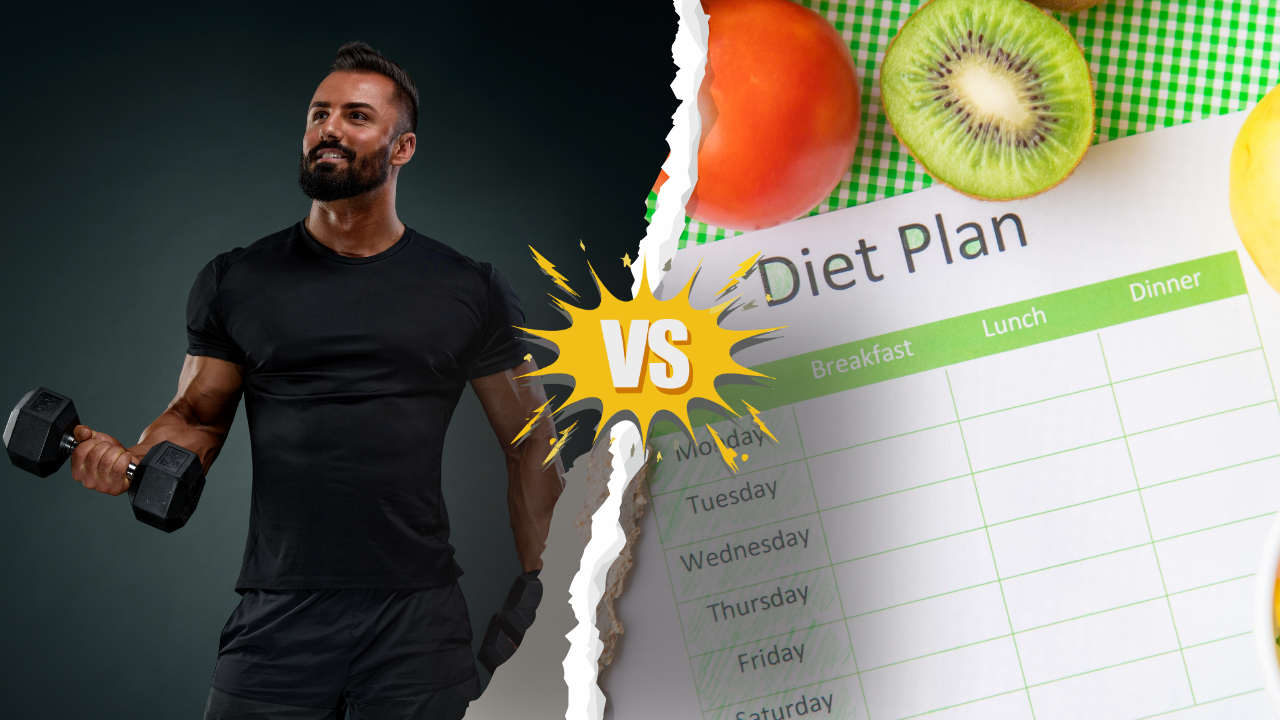
Exercise vs. Diet for Weight Loss: Which One Actually Works Better?
Exercise vs. diet for weight loss is one of the most debated topics in the health and fitness world, and honestly, it’s a conversation worth having properly. Whether you’ve been hitting the gym religiously without seeing results or you’ve tried every eating plan under the sun, you’ve probably wondered which one actually moves the needle more when it comes to losing weight.
The truth is a little more nuanced than the headlines suggest, and understanding the real relationship between these two factors could completely change how you approach your weight loss journey.
For better and faster results, combining regular exercise with a healthy eating plan—such as choosing the best breakfast for weight loss over 40—can significantly improve fat burning and overall metabolism.
Understanding the Basics of Weight Loss
Before diving into the exercise vs. diet debate, it helps to understand the fundamental principle behind weight loss. At its core, weight loss comes down to a calorie deficit — burning more calories than you consume. When your body doesn’t have enough incoming energy from food, it turns to stored fat as fuel, and that’s when you start losing weight.
Now, both exercise and diet can help you create that calorie deficit. The question is which one is more effective, more sustainable, and more realistic for most people. And the answer might surprise you.
The Case for Diet Being More Important
Here’s something that might be hard to hear if you love working out: when it comes to pure weight loss, what you eat tends to have a bigger impact than how much you exercise. Nutrition experts and researchers have said this for years, and the data consistently backs it up.
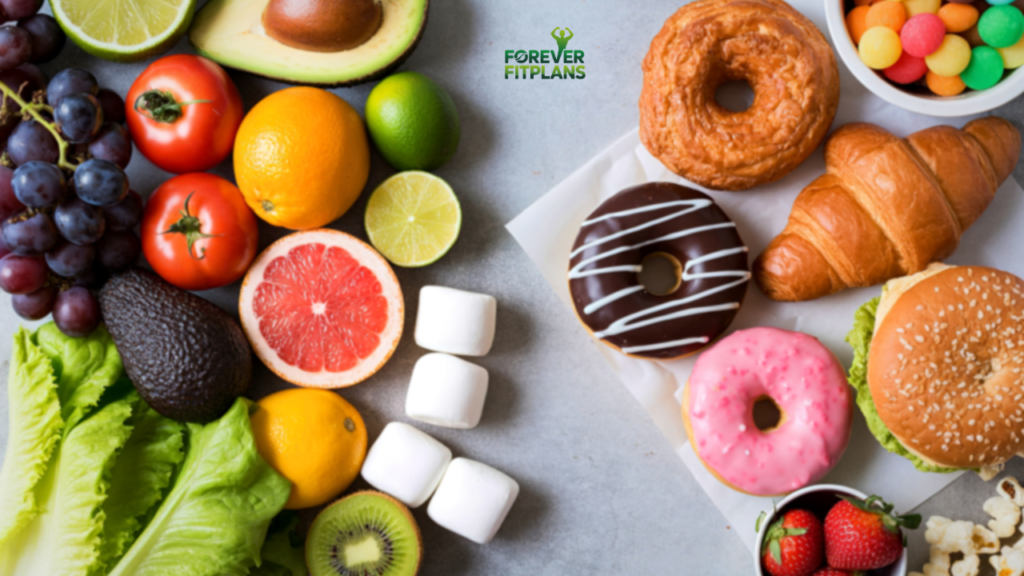
Think about it this way. A typical 30-minute run might burn around 300 calories. That’s roughly equivalent to one medium-sized muffin or a small bag of chips. It’s much easier to eat those 300 calories in two minutes than it is to burn them off in half an hour. This is why the phrase “you can’t out-exercise a bad diet” has become something of a fitness mantra — and it’s largely true.
When people focus on their diet alone and create a meaningful calorie deficit through food choices, they often see more consistent and faster weight loss compared to those who rely primarily on exercise without changing what they eat. Studies have repeatedly shown that dietary changes produce greater short-term weight loss results than exercise programs alone.
Diet also directly influences hormones that regulate hunger and fat storage, including insulin, leptin, and ghrelin. When you eat processed foods high in sugar and refined carbs, these hormones can work against you, making you feel hungrier and more likely to store fat. Clean up your diet, and your hormones start working with you rather than against you.
The Case for Exercise Being Essential
That said, writing off exercise as unimportant would be a serious mistake. Exercise might not be the fastest route to weight loss on its own, but it plays a role that diet simply cannot replace — and here’s why.
When you lose weight through diet alone, you risk losing muscle mass along with fat. Muscle is a metabolically active tissue, meaning it burns calories even at rest. The more muscle you have, the higher your resting metabolic rate, and the easier it is to maintain your weight long-term. Exercise — particularly resistance training — helps you preserve and even build muscle while you’re in a calorie deficit, which keeps your metabolism from slowing down.
Exercise also has a powerful effect on something called NEAT, which stands for non-exercise activity thermogenesis. This is basically all the movement you do throughout the day outside of formal workouts — fidgeting, walking, standing, taking the stairs. People who exercise regularly tend to be more active in general, which adds up to significant calorie burning over time.
There’s also the mental health angle. Exercise is one of the most effective natural tools for managing stress, anxiety, and depression. And since emotional eating and stress-driven food choices are among the biggest obstacles to weight loss for many people, anything that helps you feel better mentally can have a real downstream effect on your eating habits.
Beyond weight loss, exercise improves cardiovascular health, strengthens bones, boosts energy levels, improves sleep quality, and reduces the risk of chronic diseases like type 2 diabetes and heart disease. These are benefits that no diet, however clean, can fully replicate.
What the Research Actually Says
Several well-designed studies have looked at this question directly, and the results consistently point in the same direction: combining diet and exercise produces better results than either approach alone.

One frequently cited finding is that diet-only interventions typically produce more weight loss in the short term compared to exercise-only programs. However, people who incorporate regular exercise into their routine are significantly more likely to keep the weight off over the long term. This is a critical distinction — losing weight is one thing, but keeping it off is where most people struggle.
Research also shows that exercise becomes increasingly important as you get closer to your goal weight and try to maintain it. At that point, your body has adapted to your lower calorie intake, your metabolism has slowed somewhat, and the calories burned through regular physical activity become a much more important piece of the puzzle.
The Quality of Your Diet Matters More Than Calories Alone
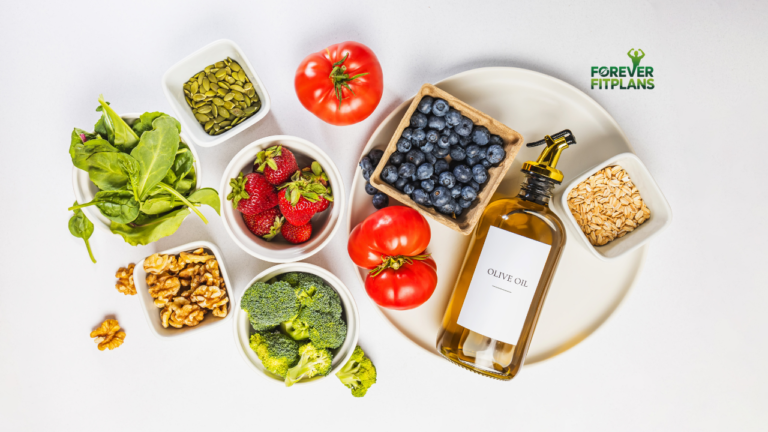
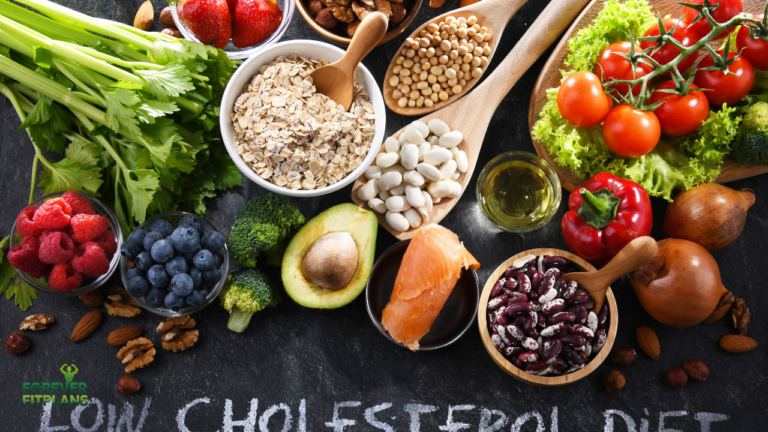
One thing worth emphasizing is that not all calories are created equal. A diet of 1,500 calories made up of whole foods, lean proteins, vegetables, fruits, and healthy fats will affect your body very differently than 1,500 calories of fast food and soda — even if the numbers are the same.
Whole foods tend to be more filling, support stable blood sugar, reduce cravings, and provide the nutrients your body needs to function well and recover from exercise. Processed foods, on the other hand, can trigger overeating, spike insulin, and leave you feeling tired and unmotivated.
So when we talk about diet being the most important factor for weight loss, we’re not just talking about eating less — we’re talking about eating better. Prioritizing protein is particularly important because it keeps you full, supports muscle retention during weight loss, and actually requires more energy to digest than carbohydrates or fat.
Why the Best Answer Is “Both”
After looking at all the evidence, the most honest answer to the exercise vs. diet for weight loss debate is that both matter — they just work in different ways and at different stages of your journey.
Think of diet as the engine driving your weight loss, and exercise as the system that keeps everything running efficiently. Diet creates the calorie deficit that makes weight loss possible. Exercise protects your muscles, boosts your metabolism, improves your mental health, and sets you up for long-term success. Together, they’re far more powerful than either one alone.
The key is finding a combination that works for your lifestyle, your preferences, and your body. There’s no one-size-fits-all solution here. Some people thrive with structured meal plans and moderate exercise. Others do better with intuitive eating and high-intensity workouts. The best plan is always the one you can actually stick to consistently over time.
Practical Tips to Make Both Work for You
Start with small, sustainable changes rather than overhauling everything at once. Swap processed snacks for whole food options, reduce portion sizes gradually, and aim to add 20 to 30 minutes of movement to your day — even if it’s just a walk. As those habits solidify, build on them.

Focus on protein at every meal. It’s the most filling macronutrient and the most important for preserving muscle during weight loss. Include resistance training in your exercise routine at least two to three times per week. And don’t underestimate the power of sleep — poor sleep disrupts hunger hormones and makes both dieting and exercising harder.
Most importantly, be patient with yourself. Real, lasting weight loss takes time. The goal isn’t a quick fix — it’s building a healthier relationship with food and movement that lasts a lifetime.
Final Thoughts
Exercise vs. diet for weight loss doesn’t have to be a competition. Both play important and complementary roles in helping you reach and maintain a healthy weight. If you had to prioritize one, the evidence leans toward diet having the greater short-term impact — but exercise is what makes those results last and keeps your body healthy in the process. The smartest approach is to work on both, make gradual improvements, and focus on consistency rather than perfection. Small, steady changes in how you eat and how you move will always beat extreme short-term efforts that aren’t sustainable. Your body is built to thrive — give it the right fuel and the right movement, and it will respond.
Frequently Asked Questions
Is diet or exercise more important for weight loss? Diet generally has a bigger impact on weight loss in the short term, but exercise is crucial for maintaining results and overall health long-term.
Can I lose weight by dieting alone without exercising? Yes, it’s possible to lose weight through diet alone, but without exercise, you risk losing muscle mass and slowing your metabolism.
How much exercise do I need to lose weight?
Most guidelines recommend at least 150 minutes of moderate-intensity exercise per week, combined with two days of strength training for best results.
What type of exercise is best for weight loss?
A combination of cardio and resistance training is most effective — cardio burns calories, while strength training builds muscle and boosts metabolism.
Why am I exercising but not losing weight?
This is usually a diet issue. If your calorie intake isn’t in a deficit, exercise alone is unlikely to produce significant weight loss.
How long does it take to see weight loss results?
Most people begin noticing changes within two to four weeks of consistently improving both diet and exercise habits, though results vary by individual.

Dr. Daniel Carter is a certified health & wellness writer and fitness lifestyle researcher with over 8 years of experience in nutrition, weight management, sleep health, and preventive care. He is passionate about helping people live healthier, stronger, and more balanced lives through science-backed fitness strategies and easy-to-follow wellness tips.
Through FitForever Plan, Dr. Carter shares practical health advice, workout guidance, and nutrition insights designed to support long-term fitness, sustainable weight loss, and overall well-being. His mission is to make healthy living simple, achievable, and enjoyable for everyone.