Is Olive Oil Healthy: Everything You Need to Know About This Mediterranean Staple
Is olive oil healthy? This question has sparked countless discussions among health enthusiasts, nutritionists, and home cooks alike. The short answer is a resounding yes – olive oil, particularly extra virgin olive oil, stands as one of the healthiest fats you can include in your diet.
For thousands of years, people living around the Mediterranean Sea have relied on olive oil as their primary cooking fat, and these populations consistently show lower rates of heart disease and longer lifespans.
Let’s explore the science behind olive oil’s health benefits and understand why this golden liquid deserves a prominent place in your kitchen.
What Makes Olive Oil Special
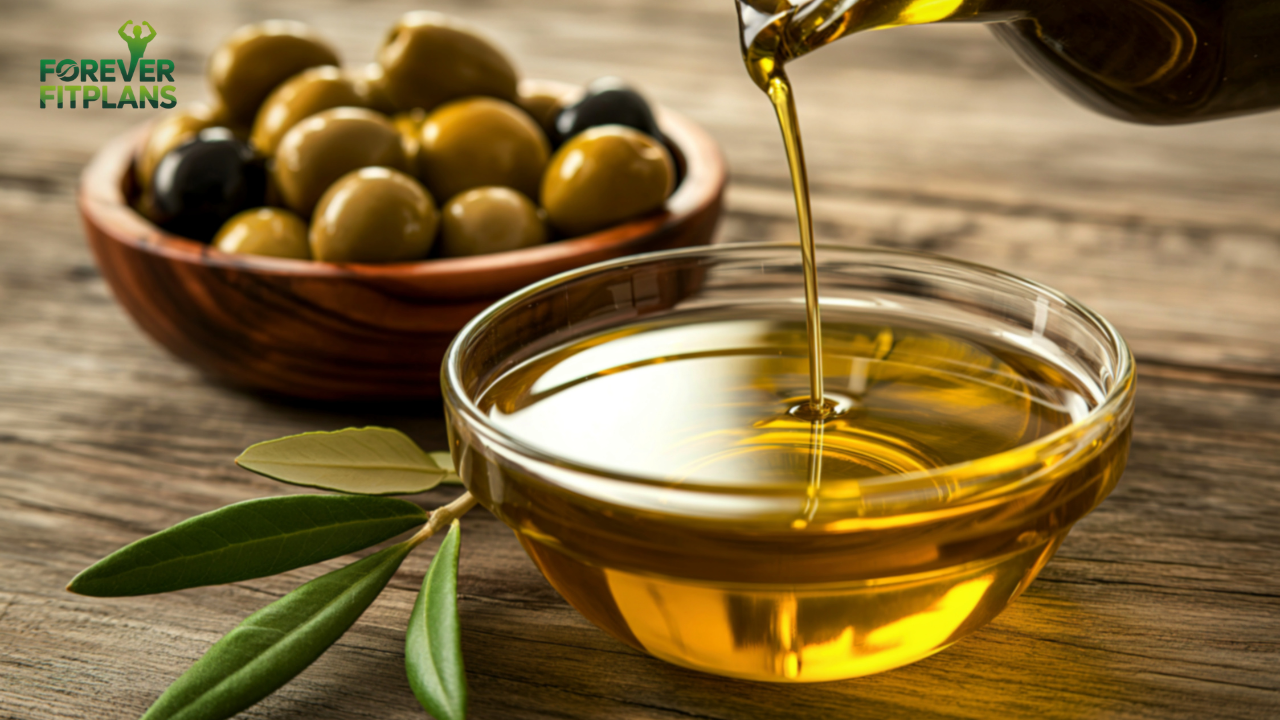
When asking if olive oil is healthy, it’s important to understand what sets it apart from other cooking oils. Olive oil comes from pressing whole olives, the fruit of the olive tree. Unlike many vegetable oils that require extensive processing and chemical extraction, quality olive oil is made through simple mechanical pressing, preserving its natural nutrients and beneficial compounds.
The healthiest type is extra virgin olive oil, which comes from the first pressing of olives and undergoes minimal processing. This means it retains maximum amounts of antioxidants, vitamins, and healthy fats. Virgin olive oil is the next best option, while regular or “pure” olive oil has been refined and contains fewer beneficial compounds.
The composition of olive oil is what makes it truly remarkable. It consists primarily of monounsaturated fatty acids, particularly oleic acid, which makes up about 73% of the total oil content. It also contains smaller amounts of saturated and polyunsaturated fats, as well as powerful antioxidants and anti-inflammatory compounds.
Heart Health Benefits
One of the strongest answers to whether olive oil is healthy comes from its proven cardiovascular benefits. Decades of research consistently show that olive oil consumption supports heart health in multiple ways. The monounsaturated fats in olive oil help reduce levels of LDL (bad) cholesterol while maintaining or even increasing HDL (good) cholesterol.
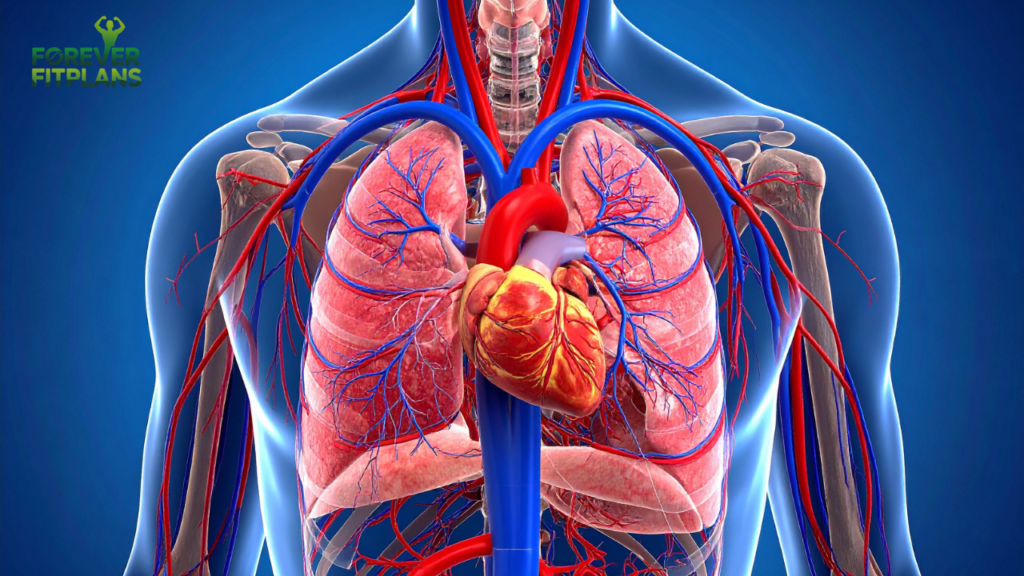
Studies of Mediterranean populations who consume olive oil daily show significantly lower rates of heart disease and stroke compared to those eating typical Western diets high in saturated fats. This isn’t a coincidence – olive oil actively protects your cardiovascular system.
The antioxidants in extra virgin olive oil, particularly polyphenols, help prevent the oxidation of LDL cholesterol. This matters because oxidized LDL cholesterol is what actually contributes to plaque buildup in arteries. By preventing this oxidation, olive oil helps keep your arteries clear and flexible.
Olive oil also helps reduce inflammation in blood vessels, lower blood pressure, and prevent excessive blood clotting. All these effects work together to dramatically reduce your risk of heart attacks and strokes. Some research suggests that consuming just two tablespoons of extra virgin olive oil daily can provide significant cardiovascular protection.
Maintaining healthy blood pressure is essential for overall heart health. If you want to learn more, check out our detailed guide on What Is Normal Blood Pressure by Age:
Anti-Inflammatory Properties
When considering whether olive oil is healthy, its powerful anti-inflammatory effects cannot be overlooked. Chronic inflammation underlies many serious diseases, including heart disease, cancer, diabetes, arthritis, and Alzheimer’s disease. Olive oil contains compounds that fight inflammation at the cellular level.
Oleocanthal, a compound found in extra virgin olive oil, works similarly to ibuprofen in reducing inflammation. You might even notice a slight peppery burn in the back of your throat when tasting quality extra virgin olive oil – that’s oleocanthal at work. While you’d need to consume large amounts to match ibuprofen’s anti-inflammatory effects, regular moderate consumption provides ongoing anti-inflammatory benefits.
The polyphenols in olive oil also combat inflammation by neutralizing free radicals and reducing inflammatory markers in your blood. This makes olive oil particularly valuable for people with inflammatory conditions like rheumatoid arthritis, inflammatory bowel disease, or chronic pain conditions.
Brain Health and Cognitive Function
Is olive oil healthy for your brain? Absolutely. The Mediterranean diet, which features olive oil prominently, is associated with better cognitive function and lower rates of Alzheimer’s disease and dementia. Olive oil appears to protect brain health through several mechanisms.
The monounsaturated fats in olive oil help maintain the structure and function of brain cell membranes. Your brain is nearly 60% fat, and the quality of fats you consume directly impacts brain health. Olive oil provides the healthy fats your brain needs to function optimally.
Antioxidants in olive oil cross the blood-brain barrier and protect brain cells from oxidative damage. They also help clear beta-amyloid plaques, the protein deposits associated with Alzheimer’s disease. Some studies suggest that regular olive oil consumption may slow cognitive decline and preserve memory as you age.
The anti-inflammatory effects of olive oil also benefit the brain. Chronic inflammation in the brain contributes to neurodegenerative diseases, and olive oil’s anti-inflammatory compounds help protect against this damage.
Cancer Prevention Potential
Research exploring whether olive oil is healthy has uncovered promising connections between olive oil consumption and reduced cancer risk. While no single food prevents cancer, olive oil contains compounds that may help protect against several types of cancer, particularly breast, colon, and digestive tract cancers.
The antioxidants in olive oil protect your DNA from damage that can lead to cancer development. Oleic acid, the main fatty acid in olive oil, has been shown to reduce the expression of cancer-promoting genes. The polyphenols in extra virgin olive oil can actually kill cancer cells while leaving healthy cells unharmed in laboratory studies.
Population studies show that people who consume more olive oil tend to have lower rates of certain cancers compared to those who eat less. While more research is needed to fully understand these protective effects, the existing evidence is encouraging.
Weight Management and Metabolism
You might wonder, is olive oil healthy if I’m trying to lose weight? After all, oil is calorie-dense. While olive oil does contain about 120 calories per tablespoon, it can actually support weight management when used appropriately.

The monounsaturated fats in olive oil promote feelings of fullness and satisfaction, helping you eat less overall. Including olive oil in meals slows stomach emptying and helps stabilize blood sugar, preventing the energy crashes that lead to cravings and overeating.
Research shows that diets including moderate amounts of olive oil are more effective for long-term weight maintenance than very low-fat diets. People find these diets easier to stick with because the food tastes better and feels more satisfying. The key is using olive oil to replace less healthy fats rather than simply adding it on top of your current diet.
Olive oil may also boost metabolism slightly and improve insulin sensitivity, helping your body use glucose more efficiently. This makes it particularly valuable for people with metabolic syndrome or type 2 diabetes.
Blood Sugar Control
For people concerned about diabetes, is olive oil healthy? Studies consistently show that olive oil helps regulate blood sugar levels and improve insulin sensitivity. The Mediterranean diet, rich in olive oil, is associated with reduced risk of developing type 2 diabetes.
When you eat carbohydrates with olive oil, the oil slows the absorption of sugar into your bloodstream, preventing sharp spikes in blood glucose. This helps keep your energy levels stable and reduces the burden on your pancreas to produce insulin.
For people who already have diabetes, replacing saturated fats with olive oil can improve glycemic control and reduce the need for diabetes medications. The anti-inflammatory effects of olive oil also help protect against diabetes-related complications like nerve damage and kidney disease.
Digestive Health Benefits
Is olive oil healthy for your digestive system? Yes, in multiple ways. Olive oil has mild laxative effects that can help prevent constipation and promote regular bowel movements. It stimulates the production of bile, which aids in fat digestion and nutrient absorption.
The anti-inflammatory and antimicrobial properties of olive oil may help protect against digestive tract infections and inflammatory bowel conditions. Some research suggests olive oil consumption is associated with lower rates of gastric ulcers and may even help inhibit the growth of H. pylori bacteria, which causes many stomach ulcers.
Olive oil also helps your body absorb fat-soluble vitamins (A, D, E, and K) from the foods you eat. Drizzling olive oil over salads or cooked vegetables significantly increases the absorption of their beneficial nutrients.
Bone Health Support
While not as widely discussed, is olive oil healthy for bones? Research indicates it may be. Studies show that people who consume more olive oil tend to have higher bone density and a lower risk of osteoporosis.
The polyphenols in olive oil appear to promote bone formation and prevent bone loss. They help increase calcium absorption and reduce oxidative stress that damages bone cells. While dairy products and weight-bearing exercise remain the cornerstones of bone health, olive oil provides additional support.
This is particularly important for older adults, especially postmenopausal women who face increased osteoporosis risk. Including olive oil as part of a bone-healthy diet may help preserve bone strength as you age.
How to Choose and Use Olive Oil
To maximize the answer to is olive oil healthy, you need to select quality oil and use it properly. Always choose extra virgin olive oil for the highest levels of beneficial compounds. Look for oils in dark glass bottles or tins, which protect against light damage. Check for harvest dates if available – fresher is better.
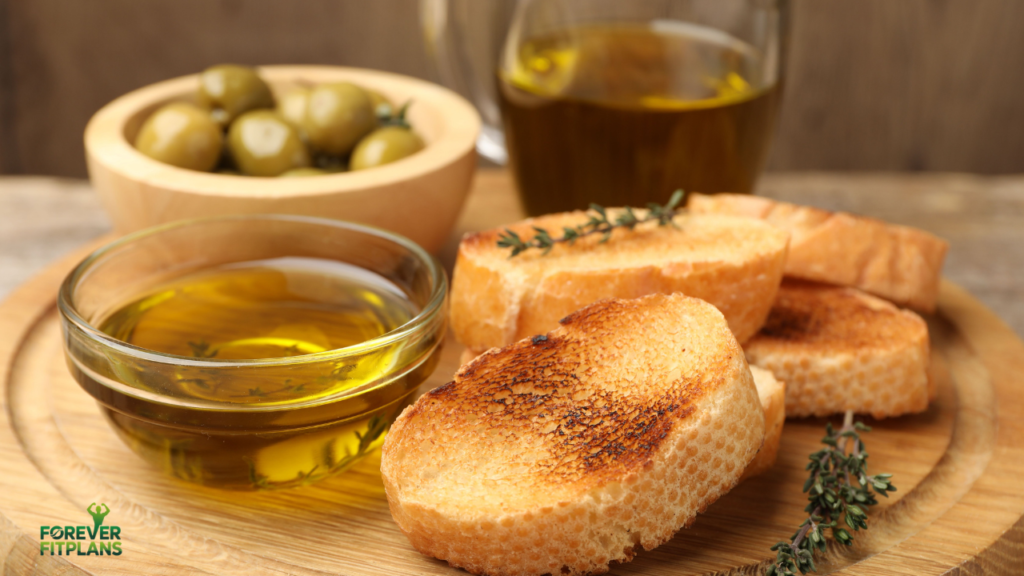
Quality extra virgin olive oil should have a fresh, fruity aroma and may taste slightly peppery or bitter (signs of healthy polyphenols). Avoid oils that smell or taste rancid, musty, or flat.
Store olive oil in a cool, dark place away from heat and light. Use it within a year of opening for the best quality and nutritional value. Don’t buy huge quantities unless you use them quickly.
Olive oil works beautifully for most cooking methods. Despite common myths, you can cook with extra virgin olive oil at medium-high temperatures without destroying its benefits or creating harmful compounds. Its smoke point (around 375-400°F) is suitable for most home cooking, including sautéing and roasting.
For maximum health benefits, also use olive oil raw. Drizzle it over salads, cooked vegetables, soups, and finished dishes. Use it in homemade salad dressings and marinades. This preserves all the delicate antioxidants that might be reduced by heating.
How Much Should You Consume
When asking if olive oil is healthy, quantity matters too. Most health benefits seen in studies come from consuming about two to four tablespoons daily. This might sound like a lot, but it includes oil used in cooking and dressings.
Remember that olive oil is calorie-dense, so if you’re watching your weight, use it to replace other fats rather than adding it in addition to your current intake. Swap butter for olive oil in cooking, use it instead of other salad dressings, and choose it over processed vegetable oils.
The key is making olive oil your primary cooking and dressing oil rather than consuming it occasionally. Consistent daily consumption provides the most health benefits.
Final Thoughts
So, is olive oil healthy? The evidence overwhelmingly says yes. Olive oil, particularly extra virgin olive oil, offers remarkable health benefits backed by thousands of studies and centuries of traditional use. From protecting your heart and brain to fighting inflammation and potentially preventing cancer, olive oil deserves its reputation as a superfood.
The key is choosing quality extra virgin olive oil, storing it properly, and using it regularly as your primary cooking and dressing oil. Make it a daily habit rather than an occasional indulgence. While olive oil isn’t a magic cure-all, it’s one of the simplest and most delicious ways to improve your overall health.
Remember that olive oil works best as part of an overall healthy lifestyle. Combine it with plenty of vegetables, fruits, whole grains, lean proteins, and regular physical activity. Think of the Mediterranean lifestyle that has made olive oil famous – it’s not just about the oil itself, but about a whole approach to eating and living well.
Including olive oil in your daily routine is an investment in your long-term health. Whether you’re drizzling it over a fresh salad, using it to sauté vegetables, or finishing a soup with a swirl of golden goodness, you’re nourishing your body with one of nature’s most beneficial foods. Your heart, brain, and entire body will thank you for making this simple, delicious change.
Frequently Asked Questions
Can I cook with olive oil at high temperatures?
Yes, extra virgin olive oil is stable enough for most cooking methods. Its smoke point of 375-400°F works for sautéing, roasting, and even shallow frying. While some antioxidants may decrease with high heat, olive oil remains healthier than most alternatives even when cooked.
Is olive oil better than other cooking oils?
Olive oil, especially extra virgin, is among the healthiest cooking oils due to its monounsaturated fats and antioxidants. It’s superior to most refined vegetable oils and saturated fats like butter for heart health. Other healthy options include avocado oil and coconut oil for specific uses.
How can I tell if olive oil is high quality?
Look for “extra virgin” on the label, dark glass or tin containers, harvest dates, and certification seals. Quality oil smells fruity and fresh, tastes slightly peppery or bitter, and may make your throat tingle. Avoid oils that smell musty or taste flat.
Does olive oil go bad?
Yes, olive oil can become rancid over time, especially when exposed to heat, light, or air. Use it within 12-18 months of harvest and within a year of opening. Store in a cool, dark place in a tightly sealed container. Rancid oil smells stale or like crayons.
Can I use olive oil for baking?
Absolutely! Olive oil works well in many baked goods, adding moisture and a subtle fruity flavor. It’s particularly good in Mediterranean-style cakes, breads, and muffins. Use mild or light olive oil if you prefer less olive flavor in sweet baked goods.
How much olive oil should I consume daily for health benefits?
Studies show benefits from 2-4 tablespoons (30-60ml) daily. This includes oil used in cooking and dressings. Start with smaller amounts and gradually increase. Use olive oil to replace other fats rather than adding extra calories to your diet.

Dr. Daniel Carter is a certified health & wellness writer and fitness lifestyle researcher with over 8 years of experience in nutrition, weight management, sleep health, and preventive care. He is passionate about helping people live healthier, stronger, and more balanced lives through science-backed fitness strategies and easy-to-follow wellness tips.
Through FitForever Plan, Dr. Carter shares practical health advice, workout guidance, and nutrition insights designed to support long-term fitness, sustainable weight loss, and overall well-being. His mission is to make healthy living simple, achievable, and enjoyable for everyone.