PCOS Weight Loss Exercise: The Complete Guide to Moving Your Way to Balance
PCOS weight loss exercise is one of the most powerful tools you have when managing polycystic ovary syndrome — and yet it’s one of the most misunderstood. If you’ve been grinding away on the treadmill with zero results, or if the scale refuses to budge no matter how hard you try, you’re not alone. Women with PCOS face a different hormonal reality, and that means the “just eat less, move more” advice often falls completely flat.
The good news? Once you understand how PCOS affects your body and which exercises actually work with your hormones instead of against them, everything starts to change. This guide is going to walk you through exactly that — no fluff, no generic advice, just real, practical information that you can actually use.
“Along with regular PCOS weight loss exercises, choosing the right diet is crucial. Check out our guide on Healthy Snacks for Weight Loss to complement your fitness routine.
Why Weight Loss With PCOS Is So Frustratingly Hard
Let’s talk about what’s really going on in your body first, because understanding the “why” makes the “how” so much easier to follow.
Most women with PCOS have some degree of insulin resistance. This means your cells don’t respond properly to insulin, so your body pumps out more of it to compensate. High insulin levels tell your body to store fat — especially around the belly — and make it extremely hard to burn it off. On top of that, elevated androgens (male hormones) can cause your body to hold onto weight differently than women without PCOS.
This isn’t a willpower problem. It’s a metabolic problem. And that’s actually empowering, because metabolic problems can be addressed with the right strategy.
Exercise plays a dual role here. Yes, it burns calories. But more importantly for women with PCOS, the right kind of exercise improves insulin sensitivity, lowers androgen levels, reduces inflammation, and supports a healthier hormonal environment overall. That’s why choosing the right exercise matters so much more than just “working out harder.”
The Best Types of Exercise for PCOS Weight Loss
1. Strength Training — Your PCOS Best Friend
If there’s one thing that research keeps coming back to, it’s this: strength training is incredibly effective for women with PCOS. When you build muscle, your body becomes more efficient at using glucose for energy rather than storing it as fat. This directly tackles insulin resistance at the root.
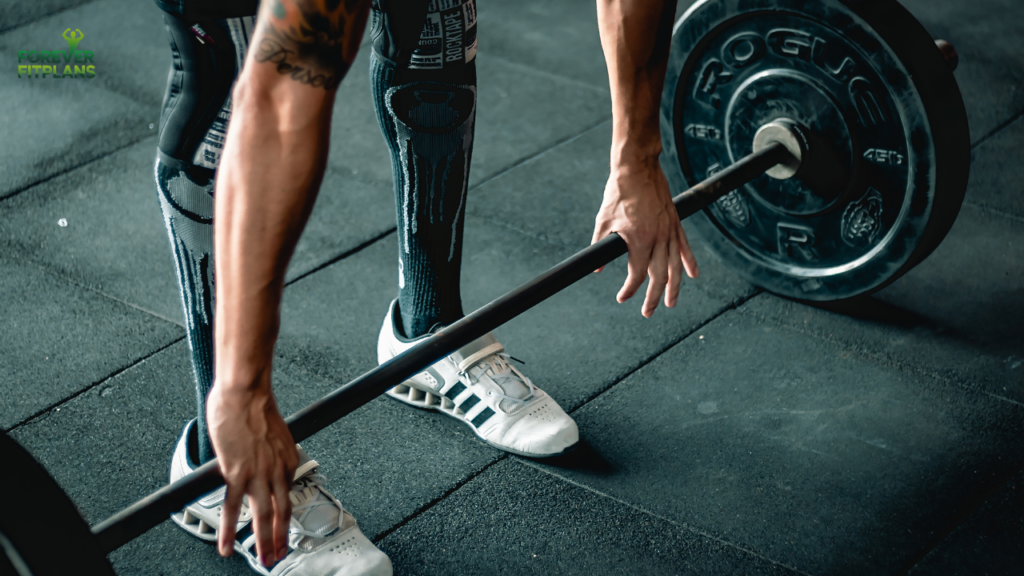
You don’t need to become a powerlifter. Starting with bodyweight exercises like squats, lunges, push-ups, and glute bridges is completely fine. As you get stronger, adding resistance through dumbbells, resistance bands, or barbells will amplify your results. Aim for 3 sessions per week, giving your muscles at least 48 hours to recover between sessions.
The magic here isn’t just in the calorie burn during the workout. It’s in the afterburn — your body continues using more energy for hours (sometimes days) after a strength session, which supports fat loss over time.
2. Low-Intensity Steady-State Cardio (LISS)
Long walks, gentle cycling, swimming, and easy hiking fall into this category. LISS cardio is fantastic for women with PCOS because it doesn’t spike cortisol — your stress hormone — the way intense cardio can. Elevated cortisol is already a concern for many women with PCOS, and too much intense exercise can actually make hormonal imbalances worse.
A 30 to 45-minute brisk walk every day might sound boring, but it’s genuinely one of the most effective and sustainable things you can do. Walking after meals, in particular, has been shown to significantly reduce blood sugar spikes, which is a big deal when insulin resistance is part of your picture.
3. High-Intensity Interval Training (HIIT) — With Caution
HIIT workouts — where you alternate between intense bursts and rest periods — can be very effective for fat loss and improving insulin sensitivity. Studies have shown positive outcomes for women with PCOS who incorporate HIIT into their routine.
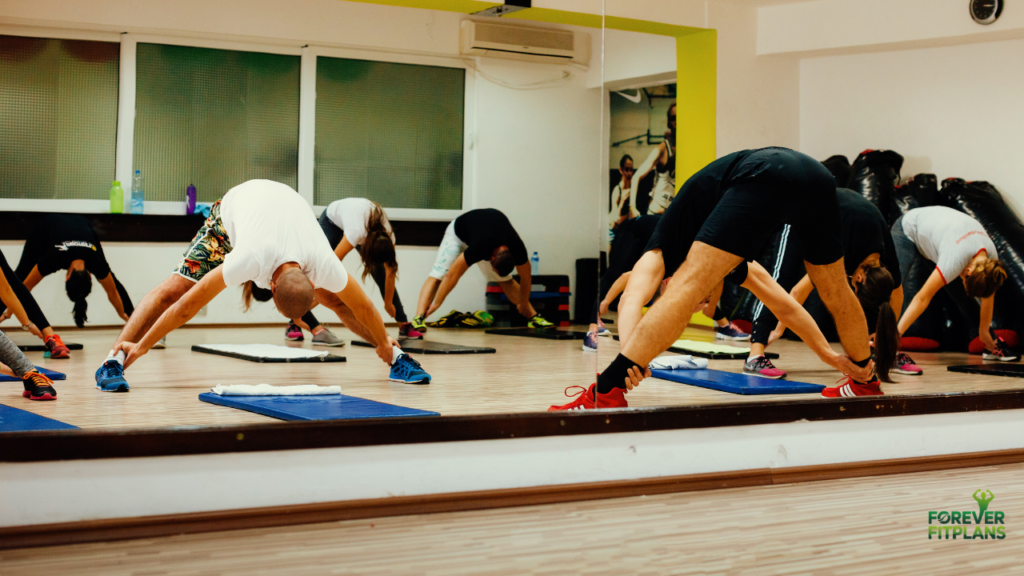
However, the keyword here is balance. Doing HIIT every day, or too frequently, can raise cortisol levels, disrupt sleep, and potentially worsen hormonal symptoms. Most women with PCOS do best with 1 to 2 HIIT sessions per week, mixed in with strength training and lower-intensity movement.
A simple HIIT session might look like: 20 seconds of sprint or fast cycling, 40 seconds of rest, repeated 8 to 10 times. That’s it. Short, effective, and done.
4. Yoga and Pilates — Don’t Underestimate These
Yoga and Pilates aren’t just for relaxation — they’re legitimate tools in your PCOS weight loss toolkit. Both improve body composition over time, but more importantly, they lower cortisol, reduce inflammation, and support nervous system regulation.

Several studies have looked specifically at yoga for PCOS and found improvements in hormonal profiles, menstrual regularity, and even anxiety and depression — all of which are commonly intertwined with PCOS. If stress is a major factor in your life (and for many women with PCOS, it is), incorporating two yoga sessions per week alongside your strength work can make a meaningful difference.
Building a Weekly Exercise Plan for PCOS
Here’s a realistic and balanced weekly structure that many women with PCOS find works well:
Monday — Strength training (40 minutes, full body or lower body focus)
Tuesday — Walking or light yoga (30–45 minutes)
Wednesday — HIIT session (20–25 minutes) or rest
Thursday — Strength training (40 minutes, upper body or full body)
Friday — Walking, Pilates, or gentle cycling (30–45 minutes)
Saturday — Active rest: a hike, a swim, a dance class — something you enjoy
Sunday — Full rest or gentle yoga/stretching
This plan hits all the major pillars: building muscle to improve insulin sensitivity, keeping cortisol in check with low-intensity days, and including enough recovery so your body can actually adapt and change.
The most important thing is consistency over perfection. Three solid weeks of this plan beats one “perfect” week followed by burnout.
Common Exercise Mistakes Women With PCOS Make

Doing too much cardio. Spending hours on the elliptical while avoiding weights is one of the most common patterns — and it often leads to frustration. Cardio has its place, but it shouldn’t dominate your routine.
Overtraining without recovery. Women with PCOS are often already under physiological stress. Training hard every single day without adequate rest can increase cortisol, spike inflammation, and stall progress. Rest is productive.
Ignoring sleep. Exercise and sleep are deeply connected. Poor sleep worsens insulin resistance and increases cravings for high-carb foods. If you’re exercising consistently but sleeping 5 hours a night, results will be limited. Prioritize 7 to 9 hours.
Exercising intensely right before bed. High-intensity workouts close to bedtime can disrupt sleep quality. Try to finish harder sessions at least 2 to 3 hours before you sleep.
Expecting fast results. This is a marathon, not a sprint. Women with PCOS often see slower weight loss than women without, and that’s okay. The hormonal improvements from regular exercise often show up before the scale changes — better mood, more regular cycles, improved energy. Trust the process.
Pairing Exercise With Nutrition for Better Results
Exercise is powerful, but it works best when paired with a PCOS-friendly way of eating. You don’t need to follow a rigid diet, but a few principles can dramatically amplify your results.
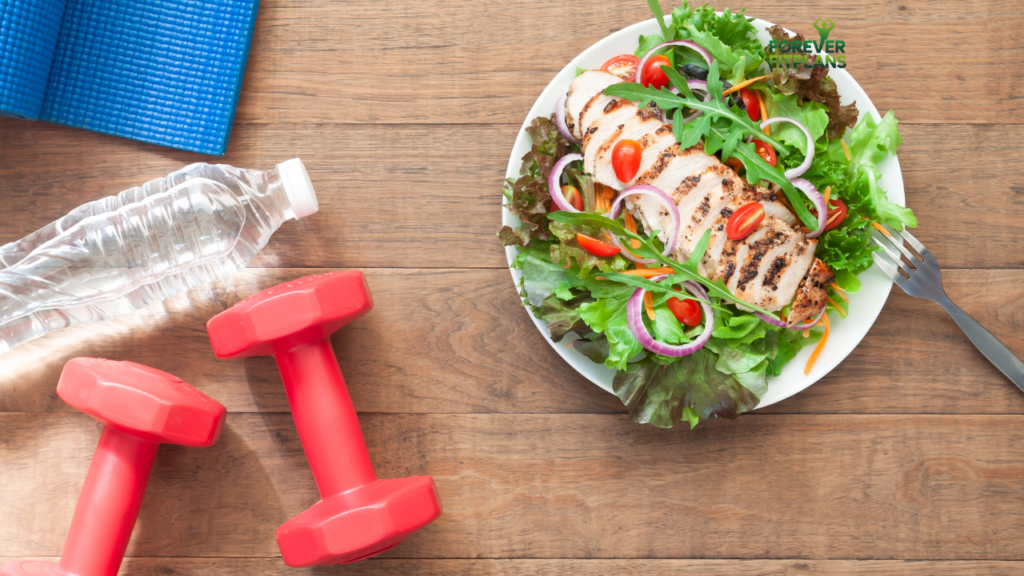
Prioritizing protein at every meal helps keep blood sugar stable, reduces hunger, and supports muscle building. Including healthy fats — avocado, olive oil, nuts, and fatty fish — supports hormone production and satiety. Reducing highly processed carbohydrates and sugary foods reduces insulin spikes and makes your exercise efforts count for more.
Anti-inflammatory foods like leafy greens, berries, turmeric, and omega-3-rich fish also support the underlying inflammation that drives many PCOS symptoms.
You don’t need to eat perfectly. But eating in a way that supports stable blood sugar makes everything else — including your workouts and your hormone balance — work better.
How Long Before You See Results?
This is the question everyone wants answered, and the truth is that it varies. Most women with PCOS who begin a consistent exercise program start noticing non-scale improvements — better energy, improved mood, less bloating — within 4 to 6 weeks. Measurable changes in body composition often appear within 8 to 12 weeks of consistent effort.
Hormonal improvements, such as more regular menstrual cycles, can take 3 to 6 months. Patience isn’t just a virtue here — it’s a necessity. The hormonal environment doesn’t shift overnight, but it does shift with consistent, smart effort.
Final Thoughts
PCOS weight loss exercise isn’t about punishing your body into submission. It’s about working with your hormones, not against them. Strength training builds the insulin-sensitive muscle tissue your body needs. Low-intensity movement keeps stress hormones in check. HIIT, used wisely, sharpens your metabolic efficiency. Yoga and Pilates reduce the stress and inflammation that fuel PCOS in the first place.
The women who see the best results aren’t necessarily the ones training the hardest — they’re the ones training the smartest, staying consistent, and giving their body the recovery and nourishment it needs alongside movement. Start where you are, build gradually, and trust that every walk, every workout, and every good night of sleep is working in your favor. You’re not just trying to lose weight — you’re rebuilding your hormonal health from the inside out, and that’s worth every single step.
FAQs
Can exercise alone help with PCOS weight loss?
Exercise significantly improves insulin sensitivity and hormonal balance, but pairing it with a balanced, low-glycemic diet produces far better results than exercise alone.
How often should I exercise if I have PCOS?
Aim for 4 to 5 days of movement per week — a mix of strength training, low-intensity cardio, and flexibility work. Avoid training intensely every single day.
Is walking good enough for PCOS weight loss?
Yes, walking is genuinely effective, especially after meals. It helps lower blood sugar, reduce stress hormones, and supports steady fat loss over time.
Why am I not losing weight despite exercising with PCOS?
Insulin resistance, high cortisol from overtraining, poor sleep, or diet choices may be working against you. Consider reviewing all four pillars — exercise type, nutrition, sleep, and stress.
Is HIIT safe for women with PCOS?
Yes, but limit it to 1 to 2 sessions per week. Too much HIIT can elevate cortisol levels, which can worsen hormonal symptoms in women with PCOS.
Does strength training increase testosterone in women with PCOS?
Strength training does not significantly raise testosterone in women. In fact, it can help reduce excess androgens over time by improving insulin sensitivity and reducing overall hormonal disruption.

Dr. Daniel Carter is a certified health & wellness writer and fitness lifestyle researcher with over 8 years of experience in nutrition, weight management, sleep health, and preventive care. He is passionate about helping people live healthier, stronger, and more balanced lives through science-backed fitness strategies and easy-to-follow wellness tips.
Through FitForever Plan, Dr. Carter shares practical health advice, workout guidance, and nutrition insights designed to support long-term fitness, sustainable weight loss, and overall well-being. His mission is to make healthy living simple, achievable, and enjoyable for everyone.