The Ultimate Weight Loss Guide for Women Over 40 (Backed by Science): A Complete, Honest Guide
If you are a woman over 40 and struggling to lose weight, you are not imagining it — it really is harder. Your body is going through very real hormonal and metabolic changes that make the strategies that worked in your 20s and 30s much less effective. But here is the good news: weight loss for women over 40 is absolutely possible. It just requires a smarter approach, not a more punishing one.
In this guide, we will walk through everything you need to know — from why weight gain happens after 40, to the best diet and exercise strategies, to the lifestyle habits that make all the difference. No fads. No gimmicks. Just practical, science-backed advice written for real women.
Why Is Weight Loss Harder After 40?
Before diving into solutions, it helps to understand what is actually happening in your body. Many women notice that around age 40, the scale starts creeping up even when their diet and activity levels have not changed. This is not a failure of willpower — it is biology.
Hormonal Shifts
As women approach perimenopause (which can begin in the early 40s), estrogen and progesterone levels start to fluctuate. Lower estrogen, in particular, is associated with increased fat storage — especially around the belly. Your body tends to shift fat from the hips and thighs toward the midsection, which is not just a cosmetic concern but also a metabolic one.
Slower Metabolism
Your basal metabolic rate — the number of calories your body burns at rest — declines with age. Research suggests that after 40, metabolism can slow by roughly 1 to 2 percent per decade. This means you may need to consume fewer calories than you did in your younger years just to maintain your weight, let alone lose it.
Muscle Loss (Sarcopenia)
Adults naturally lose 3 to 8 percent of their muscle mass per decade after age 30, and the rate accelerates after 40. Since muscle burns more calories than fat even at rest, losing muscle means your metabolism slows even further. This creates a cycle that can feel very frustrating.
Increased Stress and Poor Sleep
Many women in their 40s are juggling career pressures, family responsibilities, and aging parents. Chronic stress raises cortisol, a hormone that promotes fat storage and increases appetite, particularly cravings for high-sugar and high-fat foods. Combined with sleep disruption — which is common during perimenopause — this creates the perfect storm for weight gain.
The Best Diet Approach for Weight Loss After 40

There is no single “best” diet, but there are several principles that consistently work well for women over 40. The key is to focus on sustainable habits rather than short-term restriction.
Prioritize Protein at Every Meal
Protein is your most powerful tool for weight loss after 40. It helps preserve lean muscle mass, keeps you feeling full longer, and has a higher thermic effect than carbohydrates or fat — meaning your body burns more calories digesting it. Aim for 25 to 30 grams of protein per meal. Good sources include eggs, chicken, fish, Greek yogurt, legumes, tofu, and cottage cheese.
Reduce Refined Carbohydrates and Added Sugars
After 40, insulin sensitivity can decrease, meaning your body is less efficient at processing blood sugar. Eating large amounts of refined carbs — white bread, pasta, pastries, sugary drinks — causes blood sugar spikes and crashes that leave you feeling hungry and fatigued. Switching to complex carbohydrates like oats, sweet potatoes, quinoa, and vegetables can make a significant difference.
Do Not Fear Healthy Fats
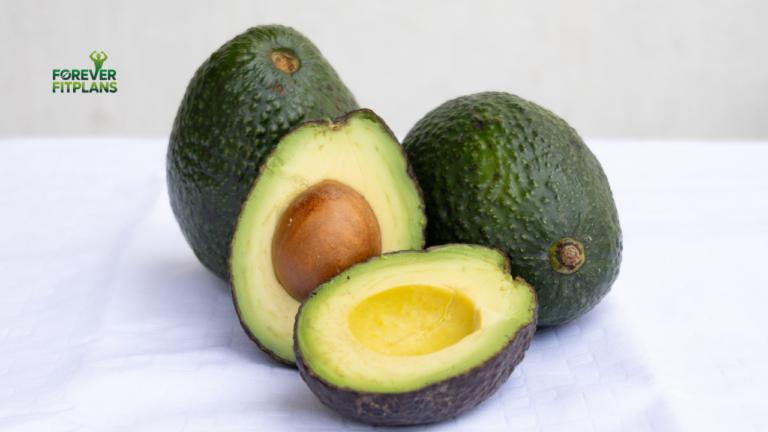
Healthy fats from sources like avocados, nuts, seeds, olive oil, and fatty fish support hormonal balance, which is crucial during perimenopause. They also help you feel satisfied after meals. The old low-fat diet advice is outdated — it is the quality of fat that matters, not simply the quantity.
Consider a Modest Calorie Deficit
While calorie counting is not mandatory, being mindful of portion sizes is helpful. A modest deficit of 300 to 500 calories per day is generally more sustainable and protects muscle mass better than aggressive restriction. Crash diets tend to backfire by slowing metabolism and increasing cravings.
Stay Hydrated
Adequate hydration supports metabolism, helps control hunger (thirst is often mistaken for hunger), and aids in digestion. Aim for at least 8 cups of water per day, and more if you are physically active. Herbal teas also count.
Exercise Strategies That Actually Work After 40
Exercise is non-negotiable for weight loss after 40 — but the type and balance of exercise matters more than it did when you were younger.
Strength Training Is Essential

Lifting weights or doing resistance exercises 2 to 3 times per week is arguably the single most important thing you can do for weight management after 40. Strength training builds and maintains muscle mass, boosts your resting metabolism, improves bone density (which also declines with age), and can even help reduce menopausal symptoms. You do not need to become a bodybuilder — even bodyweight exercises like squats, push-ups, and lunges deliver real benefits.
Do Not Overdo Cardio
Long, grueling cardio sessions can actually work against you after 40 by raising cortisol levels and potentially increasing muscle breakdown. That said, cardiovascular exercise is still important for heart health and calorie burn. The sweet spot is moderate-intensity cardio — brisk walking, cycling, swimming, or dancing — for 150 to 200 minutes per week, spread across several sessions.
Try High-Intensity Interval Training (HIIT) — Wisely
HIIT involves short bursts of intense activity followed by rest periods. It is time-efficient and can boost metabolism for hours after exercise. However, women over 40 should approach HIIT cautiously — starting with one or two sessions per week and allowing adequate recovery time. Joints become more susceptible to injury with age, so low-impact HIIT variations (like cycling or swimming intervals) are often a safer choice.
Move More Throughout the Day
Non-exercise activity thermogenesis — the calories burned through everyday movement like walking, taking stairs, gardening, and standing — adds up significantly. Research shows that women who incorporate more daily movement, even without formal exercise, tend to manage their weight better over time. Aim for at least 7,000 to 10,000 steps per day.
Lifestyle Habits That Support Weight Loss After 40

Diet and exercise alone are not always enough. Lifestyle factors play a surprisingly large role in weight management, especially as hormones shift.
Prioritize Quality Sleep
Lack of sleep disrupts the hormones that regulate hunger — ghrelin (which stimulates appetite) increases, while leptin (which signals fullness) decreases. Women experiencing night sweats or insomnia during perimenopause often find weight management especially difficult. Working on sleep hygiene — keeping a consistent sleep schedule, cooling your bedroom, limiting screens before bed — can have a meaningful impact on weight.
Manage Stress Actively
Chronic stress is a major driver of belly fat in women over 40. Building regular stress-reduction practices into your week — whether that is yoga, meditation, journaling, time in nature, or simply protecting time for things you enjoy — is not a luxury. It is a weight management strategy.
Limit Alcohol
Alcohol is calorie-dense and has no nutritional value. It also disrupts sleep quality, lowers inhibitions around food choices, and can interfere with hormone balance. You do not have to eliminate alcohol entirely, but cutting back — particularly wine in the evenings — can accelerate weight loss results noticeably.
Talk to Your Doctor About Hormones
If you are doing everything right and still struggling, it may be worth discussing hormone levels with your healthcare provider. Thyroid issues, which become more common in women over 40, can significantly impair metabolism. Similarly, hormone replacement therapy (HRT) is an option some women choose to manage perimenopause symptoms, including the metabolic changes associated with declining estrogen.
Common Mistakes to Avoid
Many women over 40 make well-intentioned mistakes that slow their progress:
- Eating too little: Severe calorie restriction slows your already-slowing metabolism and causes muscle loss.
- Skipping strength training: Cardio alone will not preserve muscle. You need resistance exercise.
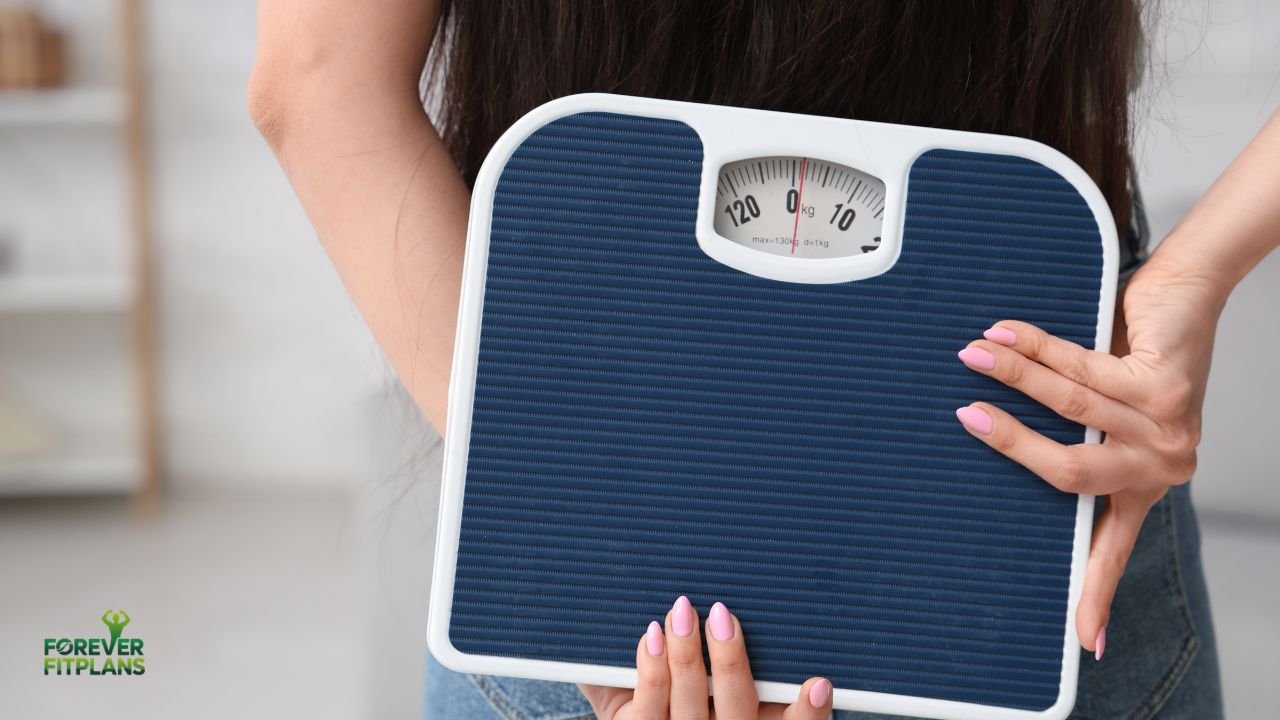
- Relying on the scale alone: Weight fluctuates daily due to water retention and hormones. Track inches and how your clothes fit too.
- Following the same plan you used at 25: Your body has changed. Your strategy needs to evolve too.
- Ignoring recovery: Rest is when your body rebuilds. Overtraining increases cortisol and hinders progress.
Final Thoughts
The goal of weight loss after 40 is not to force your body back to what it was in your 20s. It is to work with your body as it is now — supporting your hormones, protecting your muscles, managing your stress, and nourishing yourself in ways that are both effective and sustainable.
Progress may look different after 40. It might be slower, and it might require more patience. But women who shift their focus from restriction to nourishment — from punishment to strength — consistently see results that last.
You are not too old. You are not broken. You just need a strategy that is built for you, right now.
Start with one change this week. Make it something you can sustain. And keep going.
Frequently Asked Questions
Why is belly fat so hard to lose for women over 40?
Declining estrogen during perimenopause causes the body to redistribute fat toward the abdominal area. Higher cortisol from stress and disrupted sleep also promotes belly fat storage. A combination of strength training, stress management, reduced refined carbs, and adequate sleep are the most effective tools for targeting this area.
How many calories should a woman over 40 eat to lose weight?
This depends on your height, current weight, activity level, and metabolic health. As a general guideline, most women over 40 do well with a daily intake between 1,400 and 1,800 calories when in a modest deficit. Eating too few calories — below 1,200 per day — can backfire by slowing your metabolism and causing muscle loss. Working with a registered dietitian for a personalized plan is always a good idea.
What is the best exercise for weight loss in women over 40?
A combination of strength training (2 to 3 times per week) and moderate cardiovascular exercise (150+ minutes per week) is the most effective approach. Strength training is particularly important because it preserves muscle mass and keeps your metabolism elevated. Daily walking is also highly underrated and sustainable.
Does menopause make it impossible to lose weight?
No — menopause makes weight loss more challenging, but it is not impossible. Many women successfully lose weight during and after menopause by adjusting their nutrition (more protein, fewer refined carbs), prioritizing strength training, improving sleep quality, and managing stress. Some women also find that hormone replacement therapy helps by addressing the underlying hormonal shifts.
How long does it take to see weight loss results after 40?
Results vary based on starting point, consistency, and individual hormonal factors. Most women begin to notice meaningful changes — improved energy, looser clothing, and gradual scale movement — within 4 to 8 weeks of consistent effort. Expecting rapid results can lead to frustration; a realistic and healthy goal is 0.5 to 1 pound of fat loss per week.
Should women over 40 try intermittent fasting?
Intermittent fasting (IF) can be effective for some women over 40, particularly in improving insulin sensitivity and reducing overall calorie intake. However, it is not suitable for everyone. Some women experience increased cortisol, disrupted sleep, and heightened hunger on extended fasting windows. If you want to try IF, a gentler approach — such as a 12-hour eating window — is a safer starting point than more extreme protocols like 16:8 or 24-hour fasts.

Dr. Daniel Carter is a certified health & wellness writer and fitness lifestyle researcher with over 8 years of experience in nutrition, weight management, sleep health, and preventive care. He is passionate about helping people live healthier, stronger, and more balanced lives through science-backed fitness strategies and easy-to-follow wellness tips.
Through FitForever Plan, Dr. Carter shares practical health advice, workout guidance, and nutrition insights designed to support long-term fitness, sustainable weight loss, and overall well-being. His mission is to make healthy living simple, achievable, and enjoyable for everyone.