5 Fruits to Avoid for Weight Loss: What You Need to Know
When it comes to healthy eating, fruits are often considered the ultimate superfood. They’re natural, packed with vitamins, and refreshing. However, if you’re serious about losing weight, you might be surprised to learn that not all fruits are created equal. Understanding which of the 5 fruits to avoid for weight loss can make a significant difference in your journey to a healthier body. While fruits offer numerous health benefits, some varieties are surprisingly high in calories, sugar, and carbohydrates, which can slow down or even sabotage your weight loss efforts when consumed in large amounts.
In this comprehensive guide, we’ll explore the fruits that might be holding you back from reaching your weight loss goals, explain why they can be problematic, and provide practical alternatives that support your efforts to shed pounds. Remember, this doesn’t mean these fruits are unhealthy or should be eliminated forever, but understanding their impact helps you make smarter choices when calories and portion control matter most.
While enjoying healthy beverages, it’s important to know the differences in metabolism — for more insights, check out our guide on Coffee vs Tea.
Understanding Fruit and Weight Loss
Before we dive into the specific 5 fruits to avoid for weight loss, it’s important to understand how fruit affects your body when you’re trying to lose weight. Fruits contain natural sugars called fructose, along with varying amounts of fiber, water, vitamins, and minerals. While the fiber in fruit helps slow sugar absorption and promotes fullness, some fruits contain significantly more sugar and calories than others.
When you’re trying to lose weight, creating a calorie deficit is essential. This means you need to consume fewer calories than your body burns each day. Even though fruit sugar is natural, your body still processes it as sugar, and excess sugar gets stored as fat. Additionally, some fruits have a higher glycemic index, meaning they cause faster spikes in blood sugar, which can trigger hunger and cravings shortly after eating.
The key is not to eliminate fruit entirely but to be strategic about which fruits you eat and in what quantities, especially if you’re actively working toward weight loss goals.
The 5 Fruits to Avoid for Weight Loss
Now, let’s examine the specific fruits you should limit or avoid when weight loss is your primary goal.
1. Bananas
Bananas are one of the most popular fruits worldwide, loved for their convenience, creamy texture, and sweet taste. However, they also top the list of 5 fruits to avoid for weight loss for good reason. A medium-sized banana contains approximately 105 to 110 calories and about 27 grams of carbohydrates, with 14 grams coming from sugar.
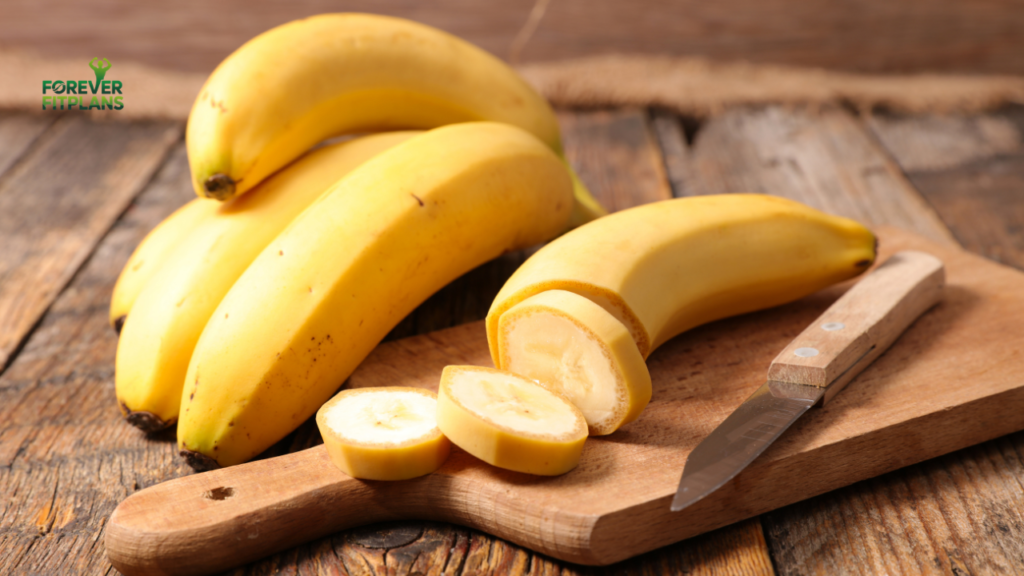
While bananas provide valuable nutrients like potassium, vitamin B6, and fiber, their high carbohydrate and sugar content can be problematic for weight loss. They have a moderate to high glycemic index, meaning they can cause relatively quick spikes in blood sugar levels. This can lead to increased hunger shortly after eating and potential energy crashes that trigger cravings for more food.
Bananas are also less filling compared to other fruits because they contain less water. You might find yourself eating multiple bananas in a sitting without feeling truly satisfied, which adds up to significant calories. If you’re trying to lose weight, consider saving bananas for post-workout snacks when your body can better utilize the quick energy, or choose smaller, less ripe bananas, which have slightly lower sugar content.
2. Grapes
Grapes are another fruit that deserves a spot on the list of 5 fruits to avoid for weight loss. These small, sweet fruits are incredibly easy to overeat. A single cup of grapes contains about 104 calories and 23 grams of sugar. The problem is that grapes are so small and lacking in fiber that it’s very easy to consume two, three, or even four cups without realizing it.
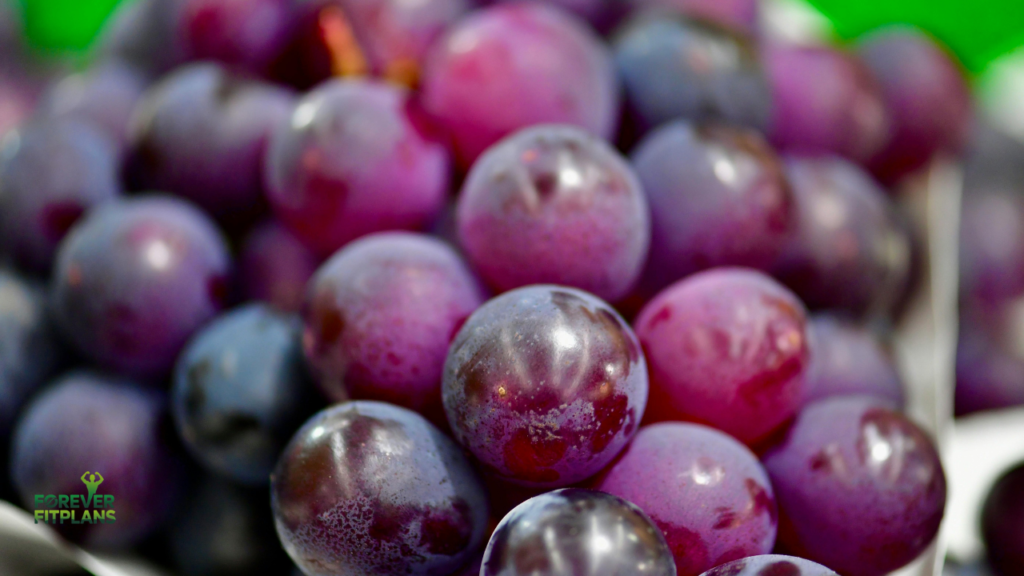
Grapes have a high glycemic index and very little protein or healthy fat to slow down sugar absorption. This means they can cause rapid blood sugar spikes followed by crashes, leaving you hungry and reaching for more food soon after eating them. The phrase “I can’t eat just one” definitely applies to grapes, making portion control extremely challenging.
Dried grapes, also known as raisins, are even more problematic. A quarter cup of raisins contains about 120 calories and 25 grams of sugar in a very small volume. It’s incredibly easy to consume several servings of raisins without thinking twice, which can add hundreds of extra calories to your day.
3. Mangoes
Mangoes are delicious, tropical fruits beloved for their sweet, juicy flesh and exotic flavor. Unfortunately, they also earn their place among the 5 fruits to avoid for weight loss. One medium mango contains approximately 150 calories and a whopping 45 grams of carbohydrates, with about 45 grams of sugar.
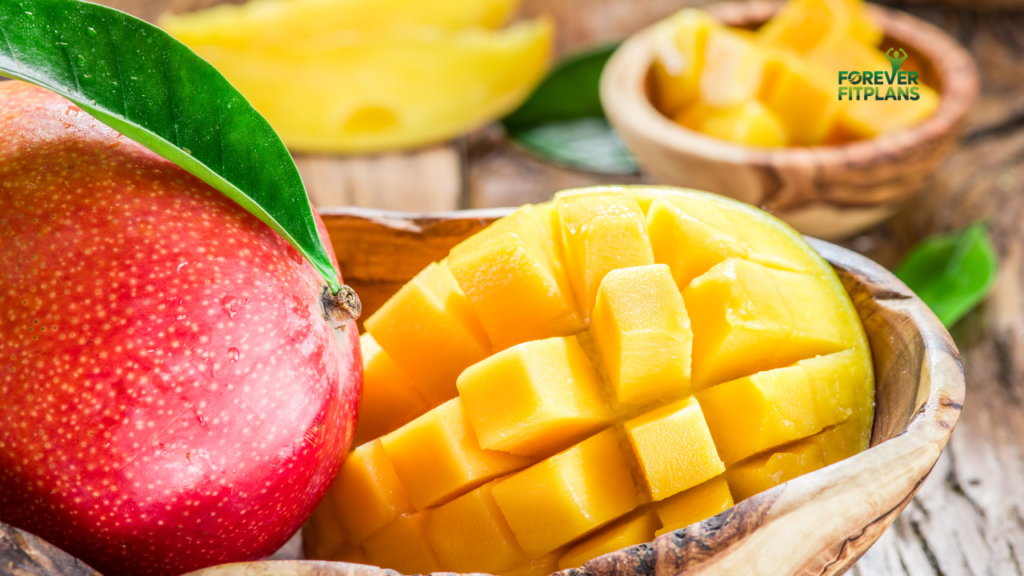
While mangoes do provide excellent amounts of vitamin C, vitamin A, and fiber, their extremely high sugar content makes them a less-than-ideal choice when you’re counting calories and trying to lose weight. The high sugar content can trigger cravings and make it difficult to maintain stable blood sugar levels throughout the day.
Mangoes are also quite large, and many people eat an entire mango in one sitting without realizing they’ve just consumed the caloric equivalent of a full meal’s worth of carbohydrates. If you absolutely love mangoes and can’t give them up, limit yourself to small portions, perhaps a quarter or half of a mango mixed into a salad or yogurt rather than eating a whole fruit alone.
4. Cherries
Cherries might seem like harmless little fruits, but they’re surprisingly calorie-dense and sugar-rich, making them one of the 5 fruits to avoid for weight loss. One cup of cherries contains about 97 calories and 20 grams of sugar. Like grapes, cherries are dangerously easy to overeat because of their small size and addictive sweet-tart flavor.
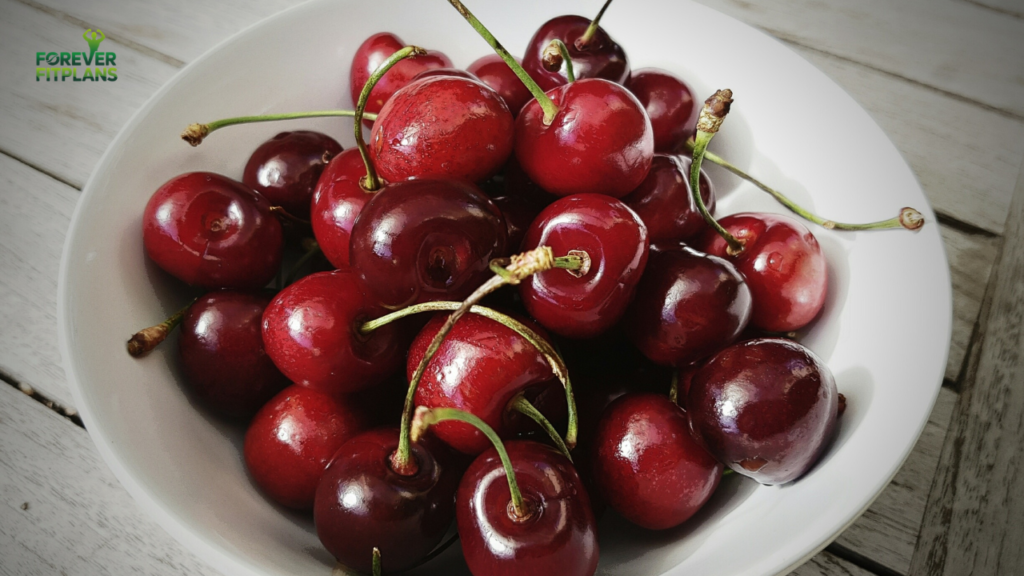
The biggest problem with cherries is portion control. Most people don’t stop at one cup. It’s incredibly easy to mindlessly eat two, three, or even more cups while watching television or working, which can add 200 to 300 calories or more to your daily intake without providing much satiety.
Fresh cherries also have a relatively short season, which means many people buy dried cherries instead. Dried cherries are even more problematic because they’re more concentrated in sugar and calories. A quarter cup of dried cherries can contain 130 calories and 29 grams of sugar, making them more like candy than fruit.
5. Pineapple
Rounding out our list of 5 fruits to avoid for weight loss is pineapple, another tropical fruit that’s surprisingly high in sugar. One cup of pineapple chunks contains about 82 calories and 16 grams of sugar. While this might not sound as bad as some other fruits on this list, pineapple’s high glycemic index is the real problem.
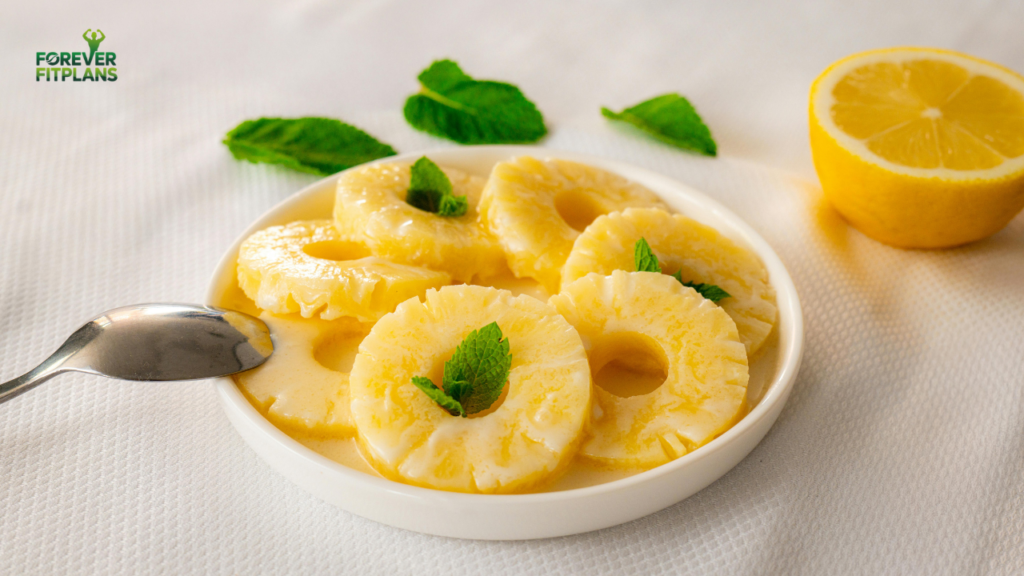
Pineapple causes rapid spikes in blood sugar levels, which can lead to increased hunger and cravings shortly after eating. The fruit also contains relatively little fiber compared to its sugar content, which means it doesn’t provide much satiety relative to its calorie load.
Many people also consume pineapple in juice form, which is even worse for weight loss. Pineapple juice lacks the fiber of the whole fruit and is incredibly easy to over-consume. A single glass can contain 130 calories and 25 grams of sugar without providing any feeling of fullness.
Why These Fruits Affect Weight Loss
Understanding why these are the 5 fruits to avoid for weight loss comes down to several key factors. First, they’re all relatively high in natural sugars and calories compared to other fruit options. Second, they tend to have higher glycemic indexes, causing faster blood sugar spikes and subsequent crashes that trigger hunger. Third, they’re either very easy to overeat due to their size and palatability, or they lack sufficient fiber and water content to promote fullness.
When you’re in a calorie deficit for weight loss, every calorie counts. Choosing fruits that provide maximum nutrition, fiber, and satiety for fewer calories helps you feel fuller while consuming less, making weight loss easier and more sustainable.
Better Fruit Choices for Weight Loss
Now that you know the 5 fruits to avoid for weight loss, you’re probably wondering what fruits you should eat instead. Here are excellent alternatives that support weight loss goals.
Berries like strawberries, raspberries, blackberries, and blueberries are fantastic choices. They’re low in calories, high in fiber, packed with antioxidants, and have lower sugar content compared to the fruits on our avoid list. One cup of strawberries contains only 50 calories and 7 grams of sugar.
Apples are excellent for weight loss because they’re high in fiber and water content, which promotes fullness. A medium apple has about 95 calories, but keeps you satisfied much longer than the same calories from bananas or grapes.
Watermelon is over 90 percent water, making it incredibly low in calorie density. You can eat a large volume and feel satisfied while consuming relatively few calories.
Grapefruit has been studied for its potential weight loss benefits and contains only about 52 calories per half fruit.
Oranges provide good fiber, plenty of vitamin C, and only about 62 calories per medium fruit.
Practical Tips for Eating Fruit While Losing Weight
You don’t have to eliminate the 5 fruits to avoid for weight loss from your diet forever. Here are some practical strategies for managing fruit intake while working toward your weight loss goals.
Practice strict portion control with higher-calorie fruits. If you want a banana, eat half instead of a whole one. Pair fruit with protein or healthy fat to slow sugar absorption and increase satiety. Try apple slices with almond butter or berries with Greek yogurt.
Eat whole fruits rather than drinking fruit juice, which lacks fiber and is easy to over-consume. Time your fruit consumption strategically, perhaps before or after a workout, so that your body can better utilize the quick energy.
Keep a food diary to track your fruit intake and see how it affects your hunger levels and weight loss progress. Fill up on vegetables first, then add fruit as a treat or dessert rather than making it a main component of meals.
Final Thoughts
Understanding the 5 fruits to avoid for weight loss—bananas, grapes, mangoes, cherries, and pineapple—empowers you to make smarter dietary choices that support your weight loss goals. These fruits aren’t inherently bad or unhealthy, but their high sugar content, calorie density, and tendency to cause blood sugar spikes make them less ideal when you’re trying to shed pounds. The ease with which you can overeat these particular fruits also contributes to their problematic nature for weight loss.
The key to successful weight loss isn’t about eliminating any food group, including fruit, but rather about making informed choices that create a sustainable calorie deficit while keeping you satisfied and nourished. By limiting these five fruits and choosing lower-calorie, higher-fiber alternatives like berries, apples, and melons, you can still enjoy the sweetness and nutrition of fruit while supporting your weight loss journey.
Remember that weight loss is about the big picture of your overall diet and lifestyle, not just one type of food. Focus on creating a balanced eating plan that includes plenty of vegetables, lean proteins, healthy fats, and yes, some fruit—just be strategic about which ones you choose and how much you eat. With the right knowledge and mindful eating practices, you can achieve your weight loss goals while still enjoying delicious, nutritious foods.
Frequently Asked Questions
Does this mean I can never eat bananas or mangoes again?
No, you don’t have to eliminate these fruits forever. Once you’ve reached your weight loss goal and are in maintenance mode, you can reintroduce them in moderation. Even during weight loss, having small portions occasionally is fine as long as you account for the calories and carbohydrates in your daily totals. The key is awareness and portion control rather than complete elimination.
Are frozen versions of these fruits better for weight loss?
Frozen fruits have the same calorie and sugar content as fresh versions, so they’re not better or worse for weight loss. However, be careful with frozen fruit that has added sugar or syrup. Plain frozen fruit can actually be helpful for portion control since you can measure out exact amounts, and the frozen state makes them less convenient to overeat mindlessly.
What about fruit smoothies for weight loss?
Fruit smoothies can be problematic for weight loss because it’s easy to blend multiple servings of high-sugar fruits, creating a very calorie-dense drink that doesn’t provide much satiety. If you enjoy smoothies, limit fruit to one serving, add vegetables like spinach, include protein powder, and add healthy fats like avocado or nut butter to make them more balanced and filling.
Can I eat unlimited amounts of berries since they’re better for weight loss?
While berries are much better choices than the 5 fruits to avoid for weight loss, you still need to practice portion control. Berries do contain calories and natural sugars, just in smaller amounts. A reasonable serving is about one cup of berries per sitting. Eating multiple cups throughout the day can still add significant calories that might slow your weight loss progress.
Is the timing of fruit consumption important for weight loss?
Yes, timing can matter. Eating fruit before or after workouts can be beneficial because your body uses the quick energy more efficiently. Eating high-sugar fruits late at night is generally not ideal for weight loss because you’re less likely to burn off that energy before bed. Having fruit earlier in the day gives your body more time to use that energy throughout your active hours.
Are there any medical conditions that make these fruits especially problematic?
Yes, people with diabetes, prediabetes, or insulin resistance should be particularly cautious with these high-sugar fruits as they can cause significant blood sugar spikes. Those with metabolic syndrome may also want to limit these fruits. However, people with these conditions should work with their healthcare provider or registered dietitian to create an individualized eating plan rather than making changes based solely on general weight loss advice.

Dr. Daniel Carter is a certified health & wellness writer and fitness lifestyle researcher with over 8 years of experience in nutrition, weight management, sleep health, and preventive care. He is passionate about helping people live healthier, stronger, and more balanced lives through science-backed fitness strategies and easy-to-follow wellness tips.
Through FitForever Plan, Dr. Carter shares practical health advice, workout guidance, and nutrition insights designed to support long-term fitness, sustainable weight loss, and overall well-being. His mission is to make healthy living simple, achievable, and enjoyable for everyone.