Weight Loss Tips for Women Over 40: Guide to Losing Weight and Feeling Amazing
Weight loss tips for women over 40 are not just about cutting calories and hitting the gym harder. If you’ve tried that and wondered why the scale barely budges, you’re not alone — and you’re not doing anything wrong. Your body has simply changed, and the approach that worked in your 20s and 30s needs to evolve with you.
After 40, hormonal shifts, a slower metabolism, muscle loss, and even stress can all work against your weight loss efforts. But here’s the good news: with the right strategies, losing weight after 40 is absolutely possible. In fact, many women find that this is the decade where they finally get serious, get smart, and get results that actually last.
Kick-start your weight loss journey with these proven routines: 5 Best Morning Exercises for Weight Loss.
Why Losing Weight After 40 Feels So Much Harder
Before diving into the tips, it helps to understand why things have changed. Around your late 30s and into your 40s, estrogen levels start to decline. This hormonal shift doesn’t just affect your mood and sleep — it also changes where your body stores fat. You might notice more weight accumulating around your belly, even if the rest of your lifestyle hasn’t changed.
At the same time, you naturally start losing muscle mass — a process called sarcopenia. Since muscle burns more calories than fat, less muscle means a slower metabolism. Add in the stress of life (career, family, aging parents), which raises cortisol levels and triggers fat storage, and it’s easy to see why those extra pounds seem to appear out of nowhere.
The key is not to fight your body but to work with it.
1. Prioritize Protein at Every Meal
If there’s one nutrition tip that matters most for women over 40, it’s this: eat more protein. Protein helps preserve and build muscle mass, keeps you feeling full longer, and actually requires more energy to digest than carbs or fat — meaning your body burns more calories processing it.
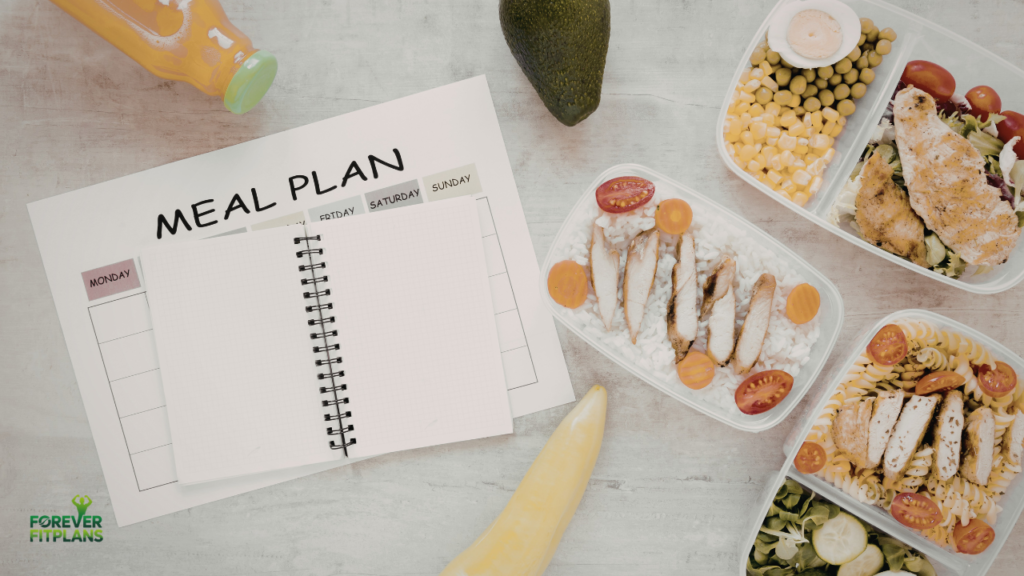
Aim for at least 25 to 30 grams of protein per meal. Think eggs, Greek yogurt, chicken, salmon, cottage cheese, lentils, tofu, and lean beef. Don’t save your protein for dinner — spreading it throughout the day is much more effective for muscle maintenance.
A simple habit? Start your morning with a high-protein breakfast instead of toast or a muffin. It sets the tone for the whole day.
2. Strength Training Is Non-Negotiable
Cardio has its place, but if you’re over 40 and your workout routine is mostly walking or spin class, you’re missing a critical piece. Strength training — lifting weights or doing resistance exercises — is one of the most powerful things you can do for your metabolism, bone density, and body composition.
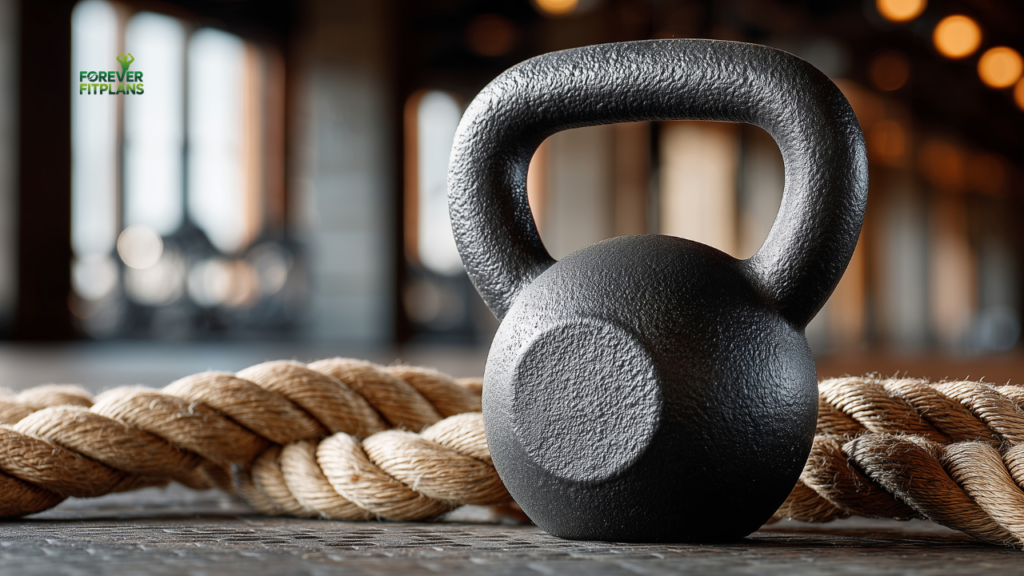
When you build muscle, your resting metabolic rate goes up. That means you burn more calories even while sitting on the couch. Aim for two to three strength training sessions per week, focusing on compound movements like squats, deadlifts, rows, and push-ups that work multiple muscle groups at once.
If you’re new to lifting, don’t be intimidated. Start with light weights and bodyweight exercises, or work with a trainer for a few sessions to get the form right. You’ll be amazed at how quickly your body responds.
3. Don’t Slash Your Calories Too Drastically
It sounds counterintuitive, but eating too little can actually slow down your weight loss after 40. When you severely restrict calories, your body goes into survival mode — it slows metabolism and holds onto fat. For women in this age group, a modest calorie deficit of around 300 to 500 calories per day is usually more effective and sustainable than dramatic cutting.
Focus on what you eat, not just how little. Whole foods, lean proteins, vegetables, healthy fats, and complex carbs will fuel your body far better than processed low-calorie “diet” foods that often leave you hungry and unsatisfied.
4. Balance Your Blood Sugar Throughout the Day
One thing many women over 40 don’t realize is how important blood sugar balance is for weight loss. When blood sugar spikes and crashes — often caused by refined carbs, sugary drinks, or skipping meals — it triggers cravings, energy crashes, and fat storage.
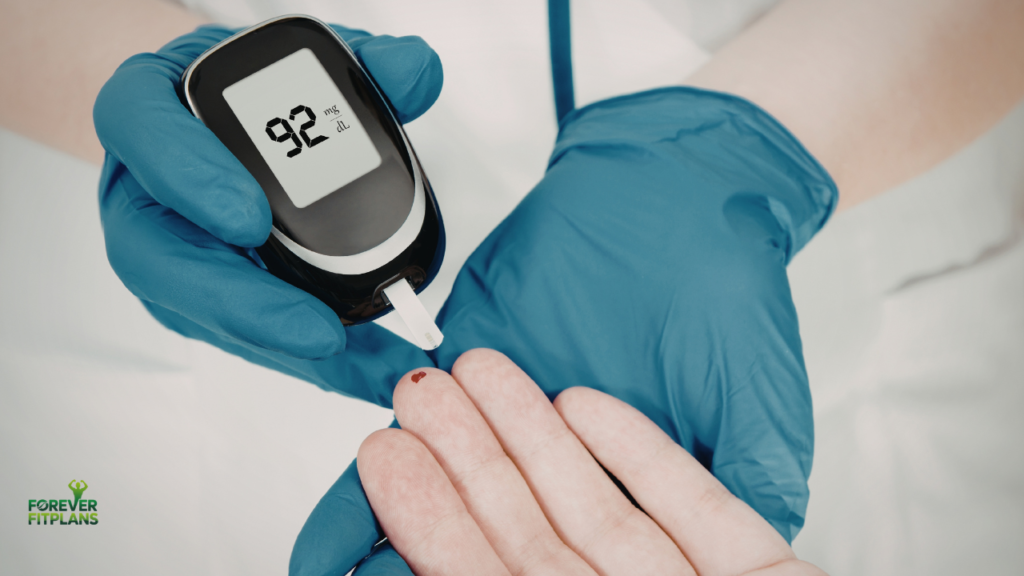
To keep things steady, pair carbohydrates with protein and fat. For example, instead of eating fruit alone, have it with a handful of nuts or some cheese. Instead of white bread, choose whole-grain options. Eat regularly — every 3 to 4 hours — to avoid the blood sugar rollercoaster that sends you running for the nearest snack drawer.
This simple shift alone can make a huge difference in both energy and appetite control.
5. Get Serious About Sleep
Here’s a weight loss tip that doesn’t involve diet or exercise: sleep more. Poor sleep is directly linked to weight gain, increased hunger, and reduced willpower. When you’re sleep-deprived, your body produces more ghrelin (the hunger hormone) and less leptin (the fullness hormone), which means you’re hungrier and less satisfied no matter how much you eat.

For women over 40, sleep quality often declines due to hormonal changes, night sweats, or stress. Make sleep a real priority — aim for 7 to 9 hours per night. Wind down without screens, keep your bedroom cool and dark, and stick to a consistent sleep schedule even on weekends.
Think of sleep as free weight loss medicine. Because honestly, it kind of is.
6. Manage Stress — It’s Not Just “in Your Head.”
Stress directly impacts weight, especially belly fat. When you’re chronically stressed, cortisol levels stay elevated, and cortisol signals your body to store fat — particularly around the midsection. For many busy women over 40, this is one of the biggest hidden barriers to weight loss.
You don’t have to overhaul your life to manage stress, but small,l consistent practices make a real difference. Daily walks in nature, deep breathing, yoga, journaling, limiting news consumption, and carving out even 15 minutes of quiet time for yourself can help lower cortisol levels over time.
This isn’t about being soft — it’s about being smart with your health.
7. Cut Back on Alcohol
This one is a bit tough to hear, but it matters. Alcohol becomes harder for the body to process as you age, and it’s a sneaky source of empty calories. A couple of glasses of wine a few nights a week can add up to several hundred calories with zero nutritional benefit.
Beyond the calories, alcohol also disrupts sleep, raises cortisol, and lowers your resolve when it comes to food choices (hello, late-night snacking). You don’t necessarily have to quit entirely, but being more mindful about how much and how often you drink can have a surprising impact on the scale.
Try swapping one or two drinks for sparkling water with lemon, herbal tea, or a mocktail — you might not miss it as much as you think.
8. Stay Hydrated
It sounds simple, but many women are chronically dehydrated without realizing it. Thirst is often mistaken for hunger, leading to unnecessary snacking. Staying well-hydrated also supports metabolism, digestion, and energy — all of which factor into weight management.
Aim for at least 8 cups of water a day, more if you’re active, or it’s warm outside. Start your morning with a full glass of water before coffee. Carry a water bottle everywhere. Add cucumber, mint, or lemon if plain water bores you.
9. Be Patient and Track Your Progress Beyond the Scale
Weight loss after 40 tends to be slower than it was in your younger years — and that’s okay. Your body is doing more than just losing fat; it’s recomposing, building strength, and recalibrating. The scale doesn’t always reflect that accurately.
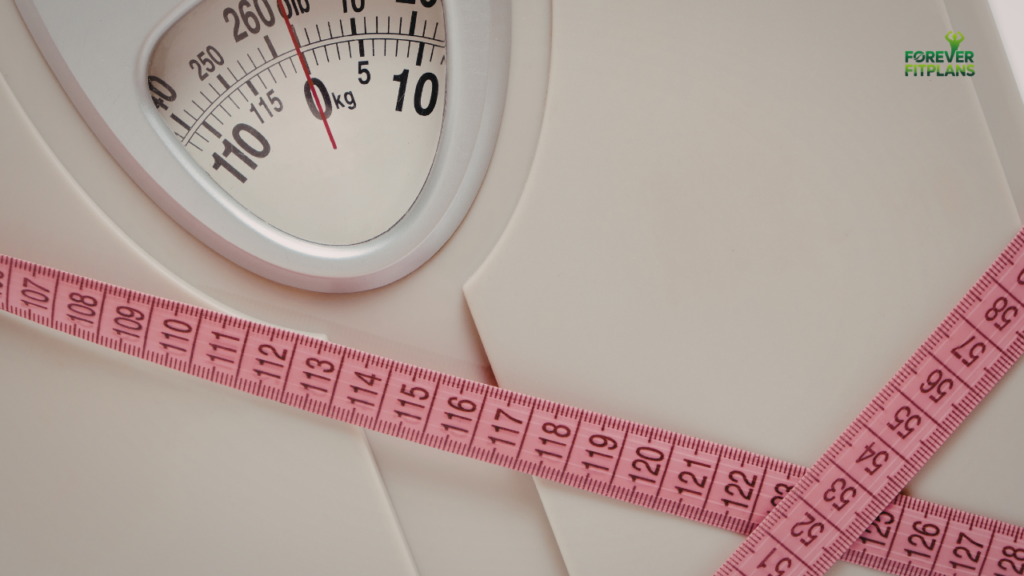
Track progress in other ways: how your clothes fit, your energy levels, how you’re sleeping, your strength in workouts, and how you feel overall. Take photos. Measure inches. Celebrate non-scale victories, because they’re often more meaningful and motivating than a number.
Final Thoughts
Losing weight after 40 as a woman requires a different mindset and a different strategy than what you may have used before. It’s less about deprivation and more about nourishing your body with the right foods, building strength, sleeping well, managing stress, and giving yourself grace and time.
The women who succeed long-term aren’t the ones who go on the most extreme diet — they’re the ones who make consistent, sustainable changes and stay patient with the process. You’ve got more wisdom now than you did at 25. Use it. Your healthiest years might just be ahead of you.
Frequently Asked Questions
Why is it harder to lose weight after 40 for women?
After 40, hormonal changes (especially declining estrogen), muscle loss, a slower metabolism, and higher stress levels all make weight loss more challenging. But with the right approach, it’s very achievable.
What is the best diet for women over 40 to lose weight?
A balanced diet rich in lean protein, vegetables, healthy fats, and whole grains works best. Avoid crash diets — they backfire. Focus on blood sugar balance and eating whole, unprocessed foods.
How much exercise should a woman over 40 do to lose weight?
Aim for at least 150 minutes of moderate activity per week, including 2 to 3 strength training sessions. Consistency matters more than intensity when starting.
Can hormonal changes prevent weight loss after 40?
Hormonal changes can make weight loss harder, but they don’t make it impossible. Addressing sleep, stress, diet, and exercise together helps balance hormones naturally. If you suspect a thyroid or hormonal disorder, consult your doctor.
How long does it take to lose weight after 40?
Results vary, but a healthy and sustainable rate is 0.5 to 1 pound per week. Don’t be discouraged by slow progress — body recomposition (losing fat while gaining muscle) may mean the scale moves slowly even as your body changes significantly.

Dr. Daniel Carter is a certified health & wellness writer and fitness lifestyle researcher with over 8 years of experience in nutrition, weight management, sleep health, and preventive care. He is passionate about helping people live healthier, stronger, and more balanced lives through science-backed fitness strategies and easy-to-follow wellness tips.
Through FitForever Plan, Dr. Carter shares practical health advice, workout guidance, and nutrition insights designed to support long-term fitness, sustainable weight loss, and overall well-being. His mission is to make healthy living simple, achievable, and enjoyable for everyone.