What to Eat After Exercise for Weight Loss: The Post-Workout Meal Guide That Actually Works
You just finished a solid workout. You’re sweaty, tired, and your stomach is starting to growl. And now comes the question that trips up so many people: what to eat after exercise for weight loss — without undoing all the hard work you just put in? This is genuinely one of the most confusing areas of fitness nutrition. Eat too much, and you erase your calorie deficit. Eat too little, and your body breaks down muscle, slows your metabolism, and leaves you exhausted for your next session.
Get it right, though, and your post-workout meal becomes one of the most powerful tools in your entire weight loss plan. This guide cuts through the noise and gives you a clear, practical, science-backed answer — with real food options, timing tips, and meal ideas you can actually use starting today.
After a workout, choosing the right carbs and protein can support recovery and fat loss. If you’re wondering whether rice fits into a healthy diet plan, read Is Rice Good for Weight Loss? for a complete guide.
Why What You Eat After Exercise for Weight Loss Matters More Than Most People Think
Most people focus almost entirely on the workout itself. They track every rep, every mile, every calorie burned. Then they walk through the door, grab whatever’s convenient, and completely ignore the recovery window — the 30–60 minutes after exercise when your body is most responsive to nutrition.
Here’s what’s happening inside your body the moment you finish exercising:
- Muscle glycogen is depleted — your muscles have used up their stored glucose for fuel
- Muscle fibers are damaged — small micro-tears from resistance or intense cardio need repair
- Cortisol is elevated — your stress hormone rises during exercise and needs to come back down
- Insulin sensitivity is at its peak — your muscles are primed to absorb nutrients more efficiently than at any other time of day.
- Metabolism is temporarily elevated — the afterburn effect (EPOC) means you’re still burning calories.s
What you eat in this window determines whether your body repairs and rebuilds muscle (which keeps your metabolism high and supports fat loss) or breaks down existing muscle for energy (which slows your metabolism over time).
Understanding what to eat after exercise for weight loss isn’t about eating as little as possible. It’s about eating the right things at the right time to maximize fat loss while protecting and building lean muscle.
The Two Non-Negotiables: Protein and Carbohydrates
Every post-workout meal for weight loss needs to include two main components. Fat can come along too, but in smaller amounts. Let’s break down why each matters.
Protein: The Muscle Repair Hero
After exercise — especially strength training — your muscles are broken down and need amino acids to repair and rebuild. This process is called muscle protein synthesis (MPS), and it’s the foundation of every physique transformation.
Why does muscle matter for weight loss specifically? Because muscle is a metabolically active tissue. The more lean muscle you carry, the more calories your body burns at rest — even while you sleep. Losing muscle during weight loss is one of the biggest mistakes people make. It feels like progress on the scale short-term, but it slows your metabolism and makes long-term fat loss significantly harder.
Post-workout protein targets:
- General guideline: 20–40 grams of protein within 1–2 hours after exercise
- For weight loss specifically: aim for the higher end (30–40g) to maximize muscle retention
- Protein quality matters: complete proteins (containing all 9 essential amino acids) are best
Carbohydrates: The Recovery Fuel
Here’s where weight loss advice gets confusing. Many people trying to lose weight are avoiding carbs, so they skip them after exercise too. This is a mistake.
After exercise, your muscles desperately want to replenish glycogen (stored glucose). Eating some carbohydrates after a workout does two important things:
- Replenishes glycogen stores so your next workout doesn’t feel sluggish and depleted
- Lowers cortisol — carbohydrates help bring the stress hormone cortisol back down to baseline, which supports fat burning and reduces muscle breakdown.
The key is choosing the right carbohydrates and the right amount — not avoiding them altogether.
Post-workout carb targets for weight loss:
- Moderate-intensity workout (30–45 min cardio): 20–30g carbs
- High-intensity workout (HIIT, heavy lifting): 30–50g carbs
- Long endurance session (60+ min running, cycling): 40–60g carbs
What to Eat After Exercise for Weight Loss: The Best Food Choices
Now let’s get practical. Here are the best real foods for your post-workout meal, organized by category.
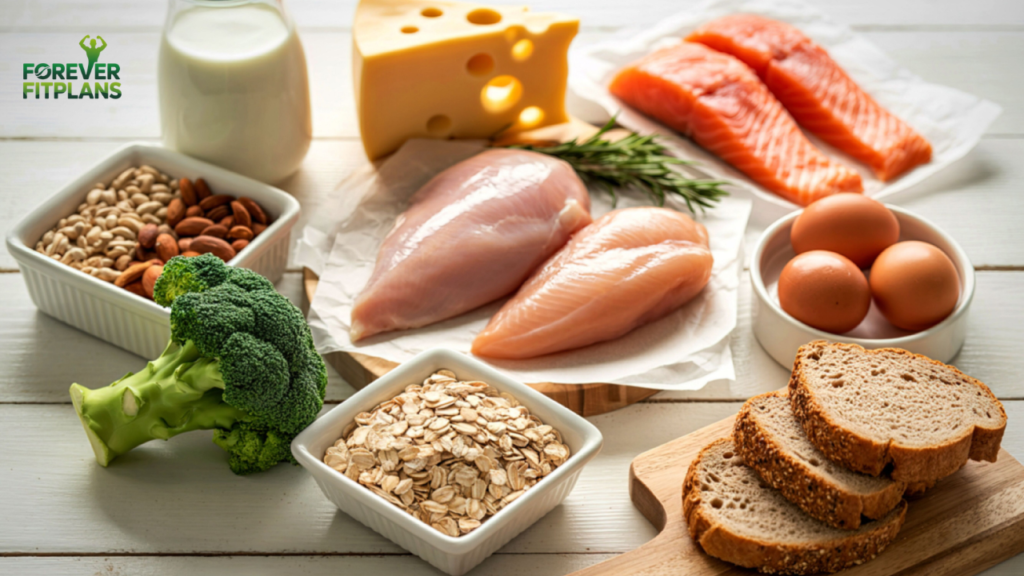
Best Protein Sources Post-Workout:
- Grilled chicken breast — lean, complete protein, about 31g per 100g serving
- Eggs and egg whites — fast-absorbing, nutrient-dense, highly bioavailable
- Greek yogurt (plain, low-fat) — contains both fast and slow-digesting proteins plus probiotics
- Cottage cheese — high in casein protein, which releases slowly to support muscle repair
- Canned tuna or salmon — convenient, high protein, rich in omega-3s that reduce exercise-induced inflammation
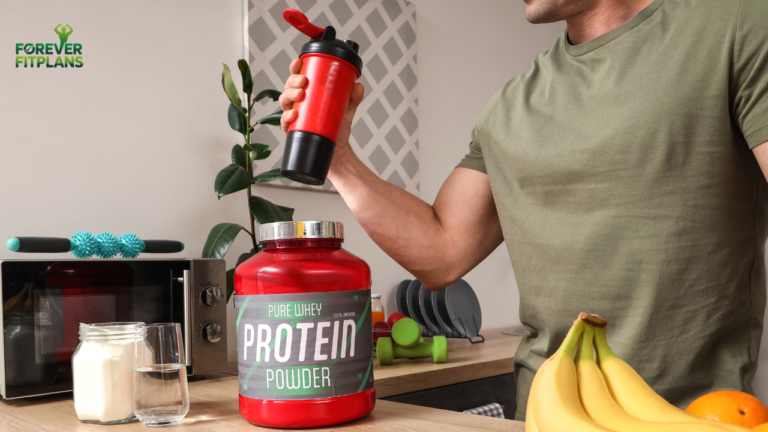
- Whey protein shake — fastest-absorbing protein available, ideal if you can’t stomach solid food post-workout
- Tofu or tempeh — excellent plant-based, complete protein options
- Lentils or chickpeas — plant-based protein with bonus fiber and complex carbs
Best Carbohydrate Sources Post-Workout:
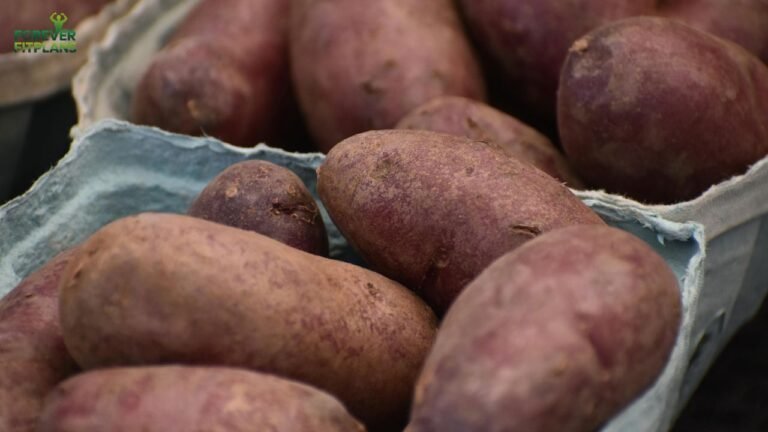
- Sweet potato — nutrient-dense, high in potassium, moderate glycemic index
- Brown rice or white rice — white rice is actually fine post-workout as quick-digesting glycogen replenishment
- Oats — slow-releasing, high fiber, keeps you full longer
- Quinoa — unique among grains because it also provides complete protein
- Banana — natural sugars plus potassium for muscle cramp prevention
- Whole grain bread — convenient, portable, pairs easily with protein
- Berries — lower sugar than most fruits, packed with antioxidants that reduce muscle soreness
Best Fat Sources (In Small Amounts):
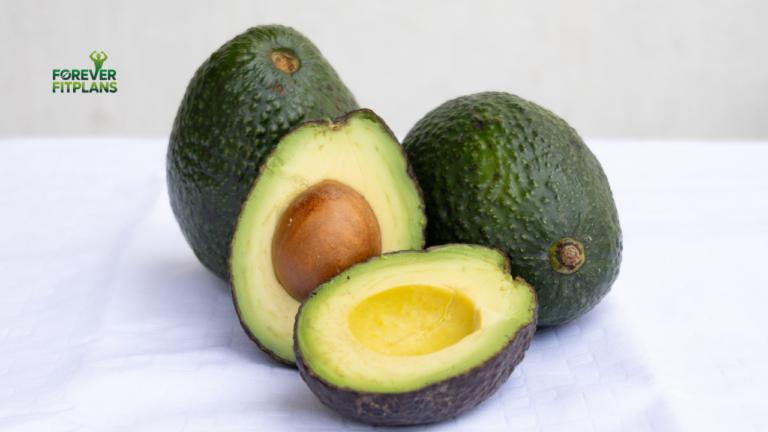
- Avocado (quarter to half)
- A small handful of almonds or walnuts
- A drizzle of olive oil on food
- Natural nut butter (1 tablespoon)
Note on fat: Fat slows digestion, which is normally a benefit — but immediately post-workout, you want nutrients delivered relatively quickly. Keep fat portions small in your immediate post-workout meal.
Post-Workout Meal Ideas: What to Eat After Exercise for Weight Loss
Here are practical, ready-to-use meal combinations organized by calorie range and lifestyle:
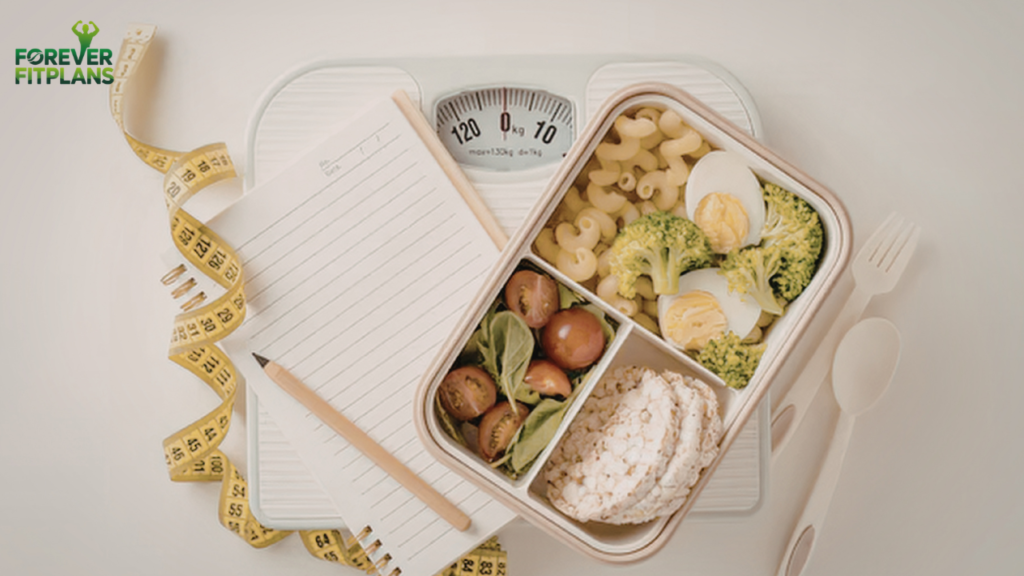
Under 300 Calories (Strict Deficit / Light Workout):
| Meal | Protein | Carbs | Calories |
| 2 scrambled eggs + 1 slice whole grain toast | 16g | 18g | 260 |
| Greek yogurt (150g) + half a banana | 15g | 22g | 195 |
| Protein shake (whey) + 1 small apple | 25g | 20g | 220 |
| Cottage cheese (150g) + berries | 18g | 15g | 185 |
300–450 Calories (Moderate Deficit / Medium Workout):
| Meal | Protein | Carbs | Calories |
| Grilled chicken (100g) + sweet potato (medium) | 31g | 26g | 330 |
| Tuna (1 can) + brown rice (½ cup) + cucumber | 28g | 25g | 310 |
| 3 egg omelette + oats (½ cup) | 22g | 28g | 360 |
| Salmon (100g) + quinoa (½ cup) + steamed broccoli | 30g | 22g | 370 |
450–600 Calories (Active / Heavy Training Day):
| Meal | Protein | Carbs | Calories |
| Chicken breast (150g) + rice (¾ cup) + salad | 42g | 38g | 480 |
| Protein smoothie: whey + banana + oats + almond milk | 35g | 45g | 520 |
| Turkey mince stir-fry with vegetables + noodles | 38g | 42g | 550 |
| Tofu (200g) + quinoa (¾ cup) + roasted vegetables | 32g | 40g | 490 |
Timing: The Post-Workout Window Explained
For years, fitness culture said you had exactly 30 minutes after exercise to eat — or you’d lose all your gains. The “anabolic window” was treated like a closing door you had to sprint through.
Current research tells a more relaxed story. The post-workout window is real but wider than once thought — generally 1–2 hours after exercise for most people. Here’s a practical timing guide:
| Situation | Ideal Eating Time |
| Trained fasted (no pre-workout meal) | Within 30–45 minutes |
| Had a pre-workout meal 1–2 hrs before | Within 1–2 hours |
| Light workout, ate beforehand | Within 2 hours is fine |
| Heavy lifting or HIIT | Sooner is better — within 45–60 min |
| Evening workout before bed | Small protein-focused meal, lower carbs |
What NOT to Eat After Exercise If You’re Trying to Lose Weight
Knowing what to eat after exercise for weight loss also means knowing what sabotages your progress. These are the most common post-workout eating mistakes:
Foods That Undermine Weight Loss After Exercise:
- High-calorie sports drinks — most contain 30–60g of sugar with minimal nutrition. Fine for elite athletes; unnecessary and counterproductive for gym-goers trying to lose weight
- “Reward” fast food — the classic mistake. “I earned it” thinking leads to eating 600+ calories to replace a 400-calorie workout.
- Protein bars with high sugar — many popular bars are glorified candy bars with 30g+ of sugar. Check labels carefully
- Smoothies made with fruit juice, honey, and banana — these can easily exceed 600 calories with little protein.n
- Fried foods slowws digestion significantly and aaddunnecessary saturated fat with zero recovery benefit
- Alcohol directly impairs muscle protein synthesis, elevates cortisol, disrupts sleep quality, and adds empty calories. It’s one of the worst post-workout choices for weight loss.
- Skipping food entirely — eating nothing after exercise increases cortisol, promotes muscle breakdown, and often leads to intense hunger and overeating later.r
Special Situations: Tailoring What to Eat After Exercise for Weight Loss
After Cardio (Running, Cycling, Swimming)
Cardio primarily depletes glycogen. Your recovery meal should emphasize carbohydrates slightly more than after strength training, with moderate protein.
Good post-cardio meal: Oats with Greek yogurt and berries, or a banana with a protein shake.
After Strength Training (Weights, Resistance)
Strength training creates more muscle damage. Your recovery meal should emphasize protein, with enough carbs to replenish glycogen and lower cortisol.
Good post-weights meal: Chicken breast with sweet potato and steamed greens, or cottage cheese with whole grain crackers and fruit.
After HIIT (High-Intensity Interval Training)
HIIT depletes both glycogen and creates significant muscle stress. You need both protein and carbohydrates promptly.
Good post-HIIT meal: Protein smoothie with whey, banana, oats, and almond milk — quick, balanced, and easy on a potentially sensitive stomach.
After Evening Workouts
If you train at 8 or 9 PM and go to bed within 2 hours, a large meal isn’t ideal. But skipping food entirely is worse.
Best approach: A smaller, protein-focused snack with minimal carbs — cottage cheese, a protein shake with almond milk, or Greek yogurt with a few berries. Casein protein (from cottage cheese or Greek yogurt) releases slowly overnight, supporting muscle repair during sleep without spiking blood sugar.
Hydration: The Forgotten Part of Post-Workout Recovery
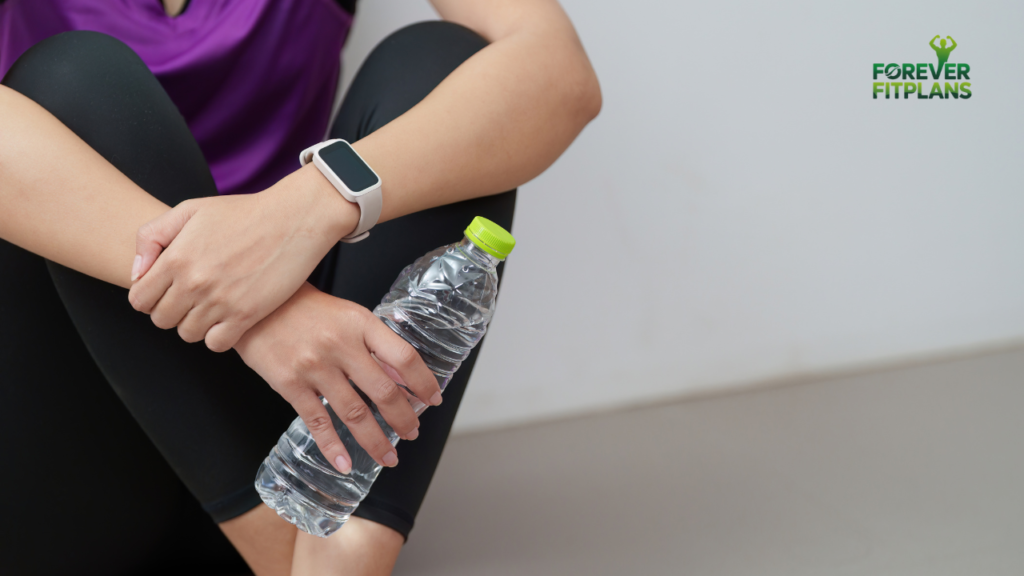
You cannot talk about what to eat after exercise for weight loss without addressing hydration. Dehydration after exercise:
- Reduces muscle protein synthesis efficiency
- Slows metabolism
- Increases perceived hunger (thirst is frequently mistaken for hunger)
- Impairs performance in your next session
Post-workout hydration guidelines:
- Drink 500ml–750ml of water within 30 minutes of finishing exercise
- For sessions lasting over 60 minutes or in hot conditions, replace electrolytes with a low-sugar electrolyte drink or add a pinch of sea salt to your water.
- Avoid sugary sports drinks unless you’ve done an intense session lasting 90+ minutes.
- Coffee and tea count toward hydration — the diuretic effect of caffeine is minimal at normal consumption levels
Real-Life Example: How Post-Workout Nutrition Changed Everything
Ahmed, a 36-year-old accountant, had been going to the gym four times a week for three months with almost no visible results. He was frustrated. His workouts were solid — he was working hard and sweating plenty.
The problem? After every gym session, he was either skipping food entirely (thinking he was being disciplined) or rewarding himself with a large protein bar and a fruit smoothie that together contained nearly 700 calories and only 18 grams of protein.
A sports nutritionist reviewed his habits and made two changes: replace the post-workout smoothie with a proper meal of grilled chicken, rice, and vegetables (~420 calories, 38g protein), and add a glass of water immediately after training.
Within six weeks, Ahmed had lost 9 pounds — more than the previous three months combined. Same workouts. Better post-workout nutrition. Completely different results.
Final Thoughts
Understanding what to eat after exercise for weight loss is one of the highest-leverage changes you can make to your fitness results. It doesn’t require expensive supplements, complicated meal prep, or obsessive calorie counting. It requires getting two things right consistently: enough protein to repair and build muscle, and enough quality carbohydrates to refuel and recover — eaten within a reasonable window after training.
What to eat after exercise for weight loss isn’t about eating as little as possible after a workout — it’s about eating smart. Protect your muscles, replenish your glycogen, hydrate properly, and avoid the common post-workout traps that quietly undo hours of honest effort.
Start simple this week: After your next workout, have a meal with at least 25–30 grams of protein and a moderate portion of complex carbs within 90 minutes. Do it consistently for two weeks and pay attention to how your energy, recovery, and body composition respond. Small, consistent improvements in post-workout nutrition add up to significant results over time.
Choosing the right foods after exercise can help with recovery and support weight loss goals. The American Diabetes Association recommends combining carbohydrates with protein to refuel muscles and maintain stable energy levels after a workout.
Frequently Asked Questions
What is the best thing to eat after a workout to lose weight?
The best post-workout meal for weight loss combines lean protein (25–40g) with moderate complex carbohydrates. Great options include grilled chicken with sweet potato, Greek yogurt with fruit and oats, or a whey protein shake with a banana. The protein repairs muscle, and the carbs replenish energy stores without excessive calories.
Should I eat immediately after exercise for weight loss?
You don’t need to eat within minutes, but aim to eat within 1–2 hours after exercise. If you trained in a fasted state or did a very intense session, eating sooner (within 30–45 minutes) is better. Waiting longer than 2 hours can increase muscle breakdown and leave you overly hungry later.
Is it okay to eat carbs after a workout when trying to lose weight?
Yes — post-workout carbs are actually important for weight loss. They replenish muscle glycogen, lower the stress hormone cortisol, and help preserve lean muscle mass. Choose complex carbs like sweet potato, oats, brown rice, or fruit rather than refined sugars or processed foods.
What should I eat after exercise if I’m trying to lose belly fat specifically?
No food targets belly fat specifically, but your best post-workout strategy is a high-protein, moderate-carb, low-fat meal that keeps you in an overall calorie deficit. Focus on lean proteins, vegetables, and complex carbs. Avoid sugary drinks, alcohol, and high-calorie “reward” foods after training.
Can I drink a protein shake after exercise for weight loss?
Yes — a whey protein shake is one of the most convenient and effective post-workout options for weight loss. It’s fast-absorbing, low in calories (typically 120–150 per serving), and provides 20–25g of high-quality protein. Add some fruit or oats if you need carbs after an intense session.
What happens if I don’t eat after exercise when trying to lose weight?
Skipping food after exercise raises cortisol levels, promotes muscle breakdown, and can slow your metabolism over time. It also typically leads to intense hunger hours later, which often results in overeating — the opposite of what you’re trying to achieve. A small, balanced post-workout meal is always better than nothing.

Dr. Daniel Carter is a certified health & wellness writer and fitness lifestyle researcher with over 8 years of experience in nutrition, weight management, sleep health, and preventive care. He is passionate about helping people live healthier, stronger, and more balanced lives through science-backed fitness strategies and easy-to-follow wellness tips.
Through FitForever Plan, Dr. Carter shares practical health advice, workout guidance, and nutrition insights designed to support long-term fitness, sustainable weight loss, and overall well-being. His mission is to make healthy living simple, achievable, and enjoyable for everyone.