Is Watermelon Good for Weight Loss? The Juicy Truth You Need to Hear
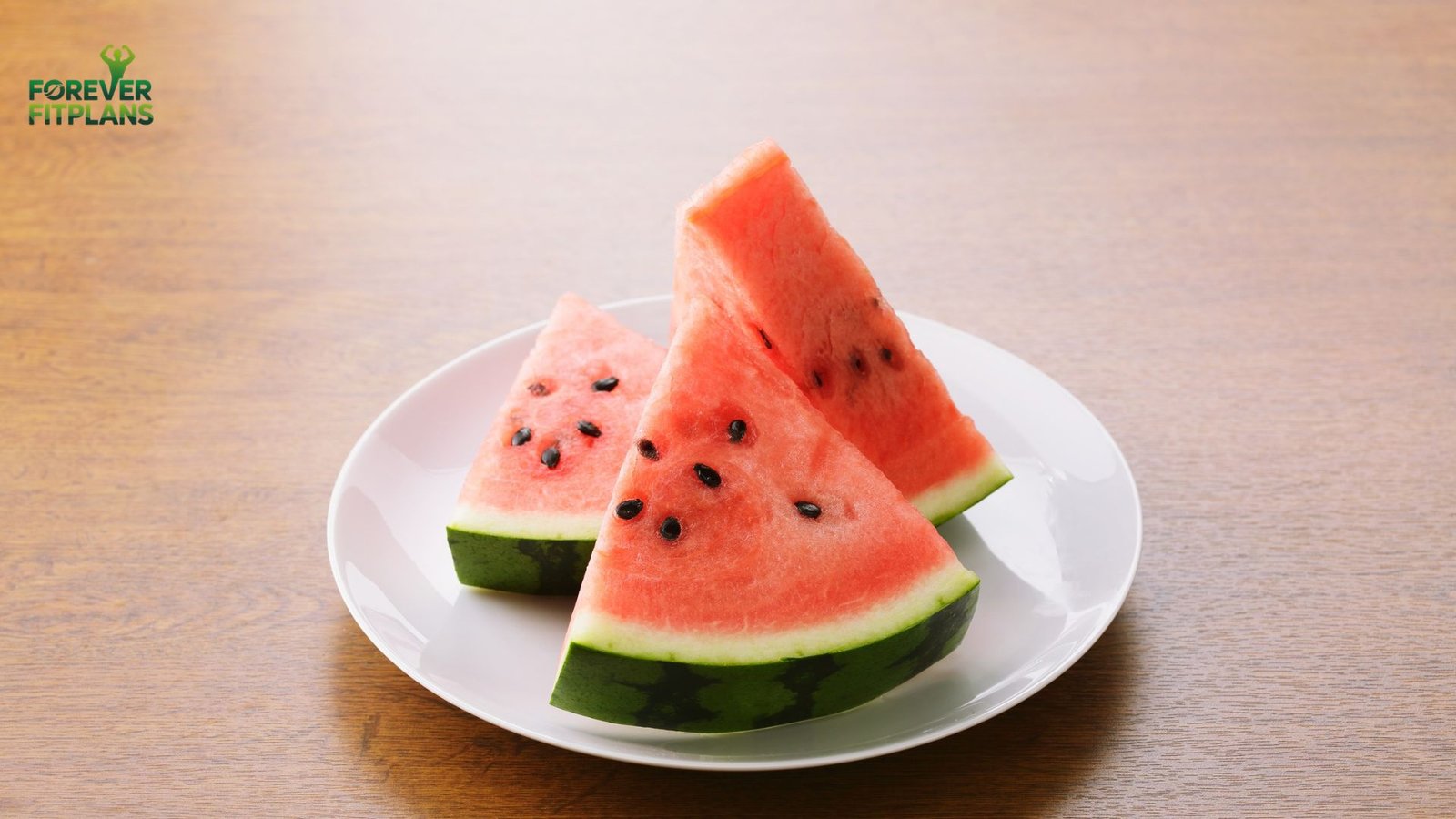
Summer’s favorite fruit is sweet, refreshing, and incredibly hydrating — but is watermelon good for weight loss? It’s a fair question. Watermelon tastes so good that it almost feels like a cheat food. And with all the mixed messages about fruit and sugar, many people aren’t sure if they should be eating it while trying to lose weight.
Here’s the good news: watermelon is actually one of the most weight-loss-friendly fruits you can eat. It’s low in calories, high in water content, and packed with nutrients that support your body’s fat-burning process.
In this article, we look at the real science behind watermelon and weight loss. You’ll learn exactly what makes it helpful, how much to eat, when to eat it, and how to fit it into a healthy diet that gets results.
Along with fruits, low-carb meals can also support your weight loss goals—check out our guide, Low-Carb Recipes for Weight Loss, for healthy ideas.
Is Watermelon Good for Weight Loss? Let’s Look at the Facts
There are a number of strong reasons why watermelon is beneficial for weight loss. Let us begin with the fundamentals.
There are just roughly 30 calories in a 100g portion of watermelon. It is therefore among the fruits with the fewest calories. A big, filling bowl of watermelon has fewer calories than a single cookie or a modest handful of chips.
However, eating fewer calories is only one aspect of the problem. Watermelon’s special blend of high water content, essential nutrients, and organic ingredients that support a healthy body weight is what really sets it apart for weight loss.
Watermelon Nutrition Facts: What’s Actually Inside?
Before we go deeper, let’s look at what watermelon actually contains per 100g serving:
| Nutrient | Amount per 100g |
| Calories | 30 kcal |
| Water | 91–92% |
| Carbohydrates | 7.6g |
| Natural Sugar | 6.2g |
| Fiber | 0.4g |
| Protein | 0.6g |
| Fat | 0.2g |
| Vitamin C | 8.1mg (9% DV) |
| Vitamin A | 569 IU (11% DV) |
| Potassium | 112mg |
| Lycopene | 4,532mcg |
As you can see, watermelon is mostly water with a modest amount of natural sugar and very few calories. It also delivers important vitamins, potassium, and a powerful antioxidant called lycopene.
8 Reasons Why Watermelon Is Good for Weight Loss
1. Extremely Low in Calories
This is the most straightforward reason watermelon is good for weight loss. At just 30 calories per 100g, you can eat a generous 2-cup serving (about 280g) for under 85 calories.
Compare that to other snacks:
| Snack | Serving Size | Calories |
| Watermelon | 2 cups (280g) | ~84 kcal |
| Potato chips | Small bag (28g) | ~150 kcal |
| Chocolate bar | 1 bar (45g) | ~230 kcal |
| White bread | 2 slices (60g) | ~160 kcal |
| Apple | 1 medium (182g) | ~95 kcal |
When you swap high-calorie snacks for watermelon, you cut calories without feeling deprived. That calorie deficit — maintained consistently — is what drives weight loss.
2. High Water Content Keeps You Full
Watermelon is about 92% water. This high water content plays a big role in why watermelon is good for weight loss.
Foods with high water content take up more space in your stomach. This sends fullness signals to your brain faster, helping you eat less overall without trying hard.
Research published in the journal Nutrients found that eating foods with high water content is associated with lower body weight and reduced calorie intake. The more volume a food has relative to its calories, the more it satisfies hunger.
Watermelon has one of the highest water-to-calorie ratios of any food — making it a perfect weight-loss snack.
3. Helps You Stay Hydrated
Proper hydration is essential for weight loss, and many people don’t drink enough water throughout the day. Eating watermelon helps top up your fluid intake naturally.
Here’s why hydration matters for weight loss:
- Your kidneys need water to flush out waste and metabolize fat
- Dehydration slows your metabolism
- Thirst is often mistaken for hunger, leading to unnecessary snacking
- Water helps transport nutrients and supports every cellular process
Eating watermelon is an enjoyable way to stay hydrated — especially on hot days when plain water feels less appealing.
4. Contains an Amino Acid That Reduces Fat Storage
This one surprises most people. Watermelon is one of the richest natural sources of an amino acid called citrulline.
Citrulline is converted in the body to another amino acid called arginine. Research suggests that arginine may help reduce fat accumulation and improve body composition by influencing how the body uses and stores fat.
A study published in the Journal of Nutrition found that citrulline supplementation helped reduce fat gain in animal models. While more human research is needed, early evidence supports watermelon’s role as more than just a low-calorie snack — it may actively support fat metabolism.
5. Natural Sugar That Won’t Spike Your Blood Sugar
Many people worry about the sugar in watermelon. It’s true that watermelon contains natural sugar — about 6g per 100g serving. But the full picture is more reassuring.
Watermelon has a high glycemic index (GI) of around 72 but a very low glycemic load (GL) of just 5. Here’s why that matters:
- The glycemic index measures how quickly a food raises blood sugar
- Glycemic load takes into account how much of that food you actually eat
- Because watermelon is mostly water, a typical serving contains very little actual sugar
A GL of 5 is considered low. This means eating a normal portion of watermelon has minimal impact on blood sugar — much less than its GI number suggests.
For people watching their blood sugar or managing insulin resistance, watermelon in normal portions is generally safe and won’t derail weight loss.
6. Rich in Lycopene — A Fat-Fighting Antioxidant
Watermelon is the richest dietary source of lycopene, even more than tomatoes. Lycopene is a powerful antioxidant that gives watermelon its red color.
Why does lycopene matter for weight loss?
- It reduces inflammation, which is strongly linked to obesity and metabolic disorders
- It may help lower LDL (bad) cholesterol, supporting heart health during weight loss
- Studies suggest lycopene may play a role in reducing fat cell formation
Chronic inflammation makes it harder to lose weight and easier to gain it. Foods rich in lycopene — like watermelon — help fight this inflammation naturally.
7. Supports Exercise and Recovery
Weight loss works best when combined with physical activity. And this is another area where watermelon shines.
- Citrulline in watermelon has been shown to reduce muscle soreness after exercise
- A study in the Journal of Agricultural and Food Chemistry found that athletes who drank watermelon juice before exercise had significantly less muscle soreness the next day
- Better recovery means you can work out more consistently, which speeds up weight loss
- Watermelon’s potassium content also helps prevent muscle cramps during exercise
Eating watermelon before or after a workout is a smart, natural strategy that supports both performance and recovery.
8. Naturally Sweet — Reduces Junk Food Cravings
Sugar cravings are one of the main obstacles to weight loss. Sweet cravings can lead you toward cookies, ice cream, and sugary drinks while you are attempting to eat less.
Without the extra sugars, bad fats, or empty calories that come with processed sweets, watermelon is naturally sweet enough to sate those desires.
Regularly substituting watermelon for a dessert or sugary snack can result in weekly calorie savings of hundreds, which over time can lead to actual weight loss.
How Much Watermelon Should You Eat for Weight Loss?
Watermelon is healthy, but portion size still matters — especially because of its natural sugar content.
| Goal | Recommended Daily Amount |
| Weight loss | 1.5 to 2 cups (250–300g) per day |
| Maintenance | 2 to 3 cups per day |
| Diabetics or blood sugar concerns | 1 cup (150g) per day — consult a doctor |
| Children | 1 cup per day |
Eating 1–2 cups of watermelon per day as a snack or part of a meal is a healthy, sustainable habit for most people trying to lose weight.
When Is the Best Time to Eat Watermelon for Weight Loss?
Timing your watermelon intake can make a difference:
- Morning: Great way to start the day, hydrated and energized with natural sugars for fuel
- Before meals: Eating watermelon 20–30 minutes before a meal can reduce appetite and help you eat smaller portions
- As a snack: Replace afternoon chips or cookies with watermelon to cut calories without feeling deprived
- Before a workout: The citrulline gives your muscles a natural boost and can reduce post-exercise soreness
- Avoid late night: Eating fruit late at night isn’t harmful, but earlier in the day is generally better for digestion and metabolism
What to Avoid When Eating Watermelon for Weight Loss
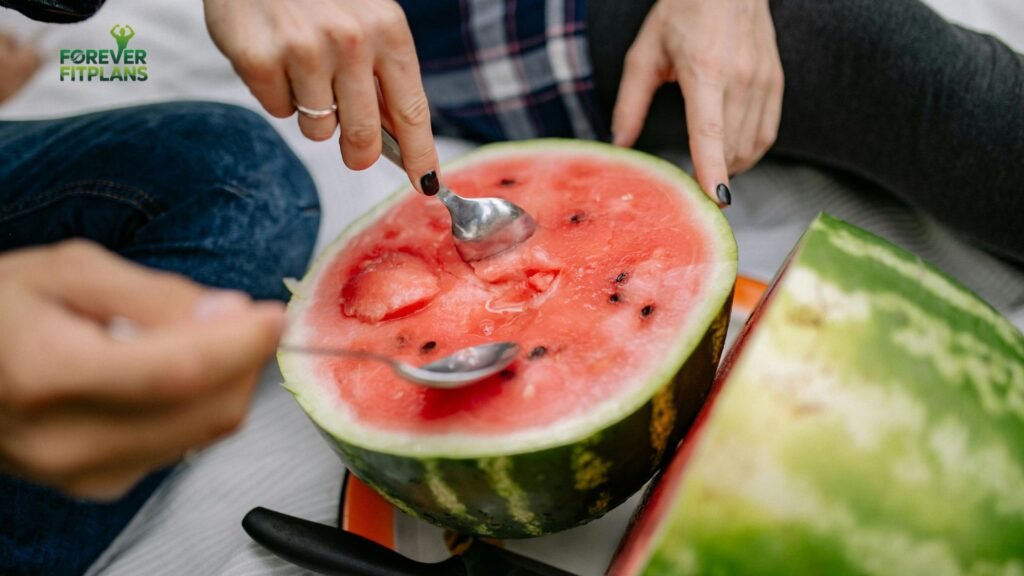
- Although watermelon is nutritious in and of itself, how you consume it may be detrimental to your objectives:
- Steer clear of adding salt or sugar, which are frequently added to watermelon in some areas but negate its weight-loss properties.
- Store-bought watermelon juice should be avoided since it frequently contains added sugar and lacks the fiber found in whole fruits.
- Avoid overindulging; even healthful foods can impede weight loss if they are consumed in excess.
- Steer clear of combining it with foods rich in calories; for instance, watermelon feta salads with thick dressings may add extra calories.
Watermelon vs. Other Popular Weight Loss Fruits
| Fruit | Calories per 100g | Water Content | Sugar per 100g | Weight Loss Friendliness |
| Watermelon | 30 kcal | 92% | 6.2g | ⭐⭐⭐⭐⭐ |
| Strawberries | 32 kcal | 91% | 4.9g | ⭐⭐⭐⭐⭐ |
| Cantaloupe | 34 kcal | 90% | 7.9g | ⭐⭐⭐⭐ |
| Peach | 39 kcal | 89% | 8.4g | ⭐⭐⭐⭐ |
| Apple | 52 kcal | 86% | 10.4g | ⭐⭐⭐⭐ |
| Mango | 60 kcal | 83% | 13.7g | ⭐⭐⭐ |
| Banana | 89 kcal | 75% | 12.2g | ⭐⭐ |
| Grapes | 69 kcal | 81% | 15.5g | ⭐⭐ |
Watermelon ranks among the very best fruits for weight loss — low in calories, high in water, and genuinely satisfying.
Easy Ways to Add Watermelon to Your Weight Loss Diet
- Make a delightful, low-calorie watermelon smoothie by blending two cups of watermelon with lime juice, mint, and some ice cubes.
- Add cubed watermelon, cucumber, fresh mint, and a touch of lime to make a watermelon salad.
- Pre-workout snack: For natural energy and citrulline, have a cup of watermelon half an hour before working out.
- Frozen watermelon cubes: Use frozen watermelon cubes as a nutritious substitute for ice cream.
- Watermelon breakfast bowl: For a satisfying, low-calorie breakfast, top watermelon cubes with Greek yogurt, nuts, and berries.
Frequently Asked Questions
Is watermelon good for weight loss despite its sugar content?
Yes. Although watermelon contains natural sugar, its very low calorie count, high water content, and low glycemic load make it an excellent fruit for weight loss. A normal portion (1–2 cups) has minimal impact on blood sugar and keeps you feeling full.
Can I eat watermelon every day while trying to lose weight?
Yes, most people can eat 1–2 cups of watermelon daily as part of a balanced diet without any negative effects on weight loss. Its low calorie and high-water-content make it one of the safest fruits to enjoy regularly.
Does watermelon burn belly fat?
Watermelon doesn’t directly burn belly fat, but it supports the conditions that help reduce it. Its low calories, hydrating properties, citrulline content, and anti-inflammatory lycopene all contribute to an environment in the body that makes fat loss — including belly fat — more achievable.
Is it okay to eat watermelon at night for weight loss?
Eating watermelon at night isn’t harmful, but it’s better consumed earlier in the day. The natural sugars provide energy your body may not need late at night. If you’re hungry at night, a small amount of watermelon is still a much better choice than processed snacks.
Is watermelon better than other fruits for weight loss?
Watermelon is one of the lowest-calorie fruits available and has the highest water content of most common fruits. For calorie control and hydration, it competes very well against other weight-loss fruits. Berries and cantaloupe are close competitors.
Can people with diabetes eat watermelon?
People with diabetes can eat watermelon in small portions (around 1 cup or 150g) because its glycemic load is low despite its higher glycemic index. However, everyone’s blood sugar response is different, and diabetics should monitor their levels and consult their doctor or dietitian.
How does watermelon help with exercise and weight loss?
Watermelon contains citrulline, an amino acid that reduces muscle soreness after exercise. Better recovery means you can work out more consistently. It also hydrates your muscles before and after workouts and provides quick natural energy — all of which support an active weight-loss lifestyle.
Conclusion: Yes, Watermelon Is Good for Weight Loss
The answer is obvious when you consider the whole picture: watermelon is one of the most tasty and healthful foods you can include in your diet, and it can help you lose weight.
It is naturally sweet, high in water, low in calories, full of antioxidants, and full of citrulline, which helps with exercise recovery and fat metabolism. Any serious weight-loss diet should include watermelon, whether you consume it as a snack, before meals, or before working out.
Does watermelon aid in weight loss? Yes, if you consume it in sensible amounts as part of a whole-food, balanced diet.
Are you prepared to change? Begin simply. Make a bowl of fresh watermelon your next afternoon snack. Feel the difference in your level of energy and fullness. Consistently making little changes produces tangible outcomes.
If you want to learn about fruits that may aid in losing or maintaining weight, this detailed article from Keck Medicine explains it clearly.

Dr. Daniel Carter is a certified health & wellness writer and fitness lifestyle researcher with over 8 years of experience in nutrition, weight management, sleep health, and preventive care. He is passionate about helping people live healthier, stronger, and more balanced lives through science-backed fitness strategies and easy-to-follow wellness tips.
Through FitForever Plan, Dr. Carter shares practical health advice, workout guidance, and nutrition insights designed to support long-term fitness, sustainable weight loss, and overall well-being. His mission is to make healthy living simple, achievable, and enjoyable for everyone.