Weekly Exercise Plan for Weight Loss: The Complete Guide That Gets Real Results
If you’ve been exercising without seeing results, the problem might not be your effort — it might be your plan. A structured weekly exercise plan for weight loss makes all the difference between spinning your wheels and actually burning fat, building strength, and transforming your body.
Random workouts don’t produce consistent results. But a well-designed weekly exercise plan for weight loss — one that combines the right types of exercise in the right order with adequate recovery — can accelerate fat loss, preserve muscle, boost your metabolism, and create the kind of physical and mental momentum that keeps you going week after week.
In this guide, you’ll find complete weekly exercise plans for weight loss for beginners, intermediate, and advanced fitness levels, the science behind why each type of exercise works, nutrition tips to maximize your results, and answers to the most common questions. Let’s build your plan.
To maximize your results, combine exercise with healthy nutrition—read our post Juicing Recipes for Weight Loss for refreshing and effective options.
Why You Need a Structured Weekly Exercise Plan for Weight Loss
Most people who struggle to lose weight through exercise make the same mistake: they work out randomly, without a plan, without structure, and without progression. Here’s why a structured weekly exercise plan for weight loss changes everything.
The Science of Structured Exercise for Fat Loss
People who followed an organized exercise program lost much more weight and body fat than those who exercised for the same total amount of time but without a regular plan or schedule, according to research published in the Journal of Obesity. A well-thought-out weekly workout regimen for weight loss is effective because it
- combines strength and cardio training; strength training develops muscle that burns calories continuously while at rest, while cardio burns calories throughout the activity.
- includes progressive overload, which keeps your body adjusting and avoids plateaus by progressively increasing intensity.
- strikes a balance between training and recuperation; rest days are important because they allow your body to heal, rebuild, and get stronger.
- produces metabolic diversity; various forms of exercise test distinct energy systems, impeding adaptation and sustaining a high metabolic rate.
- Develops consistency: Having a predetermined plan eliminates the daily decision of what to do, increasing the likelihood that you will show up.
How Much Exercise Do You Need to Lose Weight?
According to the American College of Sports Medicine (ACSM), the minimum exercise needed for meaningful weight loss is:
| Goal | Weekly Exercise Requirement |
| Health maintenance | 150 minutes moderate cardio/week |
| Weight loss | 250–300 minutes moderate cardio/week |
| Significant weight loss | 300+ minutes combined cardio + strength/week |
| Weight maintenance after loss | 200–250 minutes/week |
A good weekly exercise plan for weight loss typically involves 4–6 workout days per week, with a mix of cardio, strength training, and active recovery — totaling 250–350 minutes of intentional movement.
The Four Types of Exercise in Every Effective Weight Loss Plan
Before building your weekly exercise plan for weight loss, it’s important to understand the four types of exercise that produce the best fat loss results when combined correctly:

1. HIIT (High-Intensity Interval Training)
Short bursts of maximal effort are interspersed with short recovery intervals in HIIT. It produces a potent afterburn effect (EPOC) that keeps your metabolism high for 12 to 24 hours after the workout and burns more calories per minute than any other form of exercise.
- Ideal for: Burning the most calories in the shortest amount of time
- Each session lasts between twenty and thirty minutes.
- Frequency: a maximum of two to three times each week (needs substantial recuperation)
- Examples include bike sprints, burpee sets, jump rope circuits, and sprint intervals.
2. Resistance training, or strength training
Lean muscle mass is increased by lifting weights or applying bodyweight resistance. Your resting metabolic rate is higher when you have more muscle, so you burn more calories even when you are asleep. Additionally, strength training changes your body composition, decreases fat storage, and increases insulin sensitivity.
- Ideal for: Long-term fat loss, increased metabolism, and muscle growth
- Each session lasts between forty and sixty minutes.
- Frequency: two to four times a week for the same muscle groups, with a minimum of 48 hours in between sessions
- Examples include lunges, squats, deadlifts, push-ups, rows, and overhead presses.
3. Steady-State Cardio (LISS — Low Intensity Steady State)
LISS requires sustaining a steady, moderate speed for a long time. It is simpler to recover from than HIIT, directly burns fat as the main fuel source (at 60–70% of maximum heart rate), and promotes stress reduction and cardiovascular health.
- Ideal for: Cardiovascular health, active recuperation, and fat burning
- Each session lasts between thirty and sixty minutes.
- Regularity: two to four times a week
- Examples include cycling, swimming, elliptical exercise, mild running, and brisk walking.
4. Proactive Recuperation
Gentle exercise that increases blood flow, lessens pain in the muscles, and expedites healing without increasing fatigue is known as active recovery. It is a crucial but frequently overlooked part of a comprehensive weekly workout regimen for weight loss.
- Ideal for: Stress relief, injury prevention, flexibility, and recuperation
- Time: 20 to 45 minutes
- Regularity: once or twice a week
- Examples include foam rolling, yoga, moderate walking, and gentle stretching.
Complete Weekly Exercise Plan for Weight Loss — Three Levels
Beginner Weekly Exercise Plan for Weight Loss
Who this is for: People new to exercise, returning after a long break, or those with a limited fitness base. Start here if you haven’t exercised consistently in the past 3 months.
Goal: Build the exercise habit, improve cardiovascular fitness, and introduce strength training fundamentals.
Duration: 4 days per week | ~20–35 minutes per session
Beginner Weekly Schedule
| Day | Workout Type | Exercises | Duration |
| Monday | Full Body Strength | Squats, push-ups, lunges, plank, glute bridges | 25–30 min |
| Tuesday | LISS Cardio | Brisk walk or light jog | 30 min |
| Wednesday | Rest | Full rest or gentle stretching | — |
| Thursday | Full Body Strength | Deadlifts, rows, shoulder press, step-ups, core | 25–30 min |
| Friday | LISS Cardio | Brisk walk, cycling, or swimming | 30–35 min |
| Saturday | Active Recovery | Yoga or light stretching | 20–30 min |
| Sunday | Rest | Complete rest | — |
Beginner Strength Workout Details
Monday and Thursday Full Body Strength:
- Bodyweight squats — 3 sets x 12 reps
- Push-ups (knee or full) — 3 sets x 8–10 reps
- Reverse lunges — 3 sets x 10 each leg
- Plank hold — 3 sets x 20–30 seconds
- Glute bridges — 3 sets x 15 reps
- Bent-over dumbbell rows — 3 sets x 10 reps
Rest 45–60 seconds between sets. Focus on form over speed.
Progression: Add 1–2 reps per exercise each week. After 4 weeks, move to the intermediate plan.
Intermediate Weekly Exercise Plan for Weight Loss
Who this is for: People who exercise 2–3 times per week and have basic fitness. You can do full push-ups, walk/jog for 30 minutes, and have been exercising for at least 1–3 months.
Goal: Accelerate fat loss, introduce HIIT, and increase training frequency and intensity.
Duration: 5 days per week | ~30–50 minutes per session
Intermediate Weekly Schedule
| Day | Workout Type | Focus | Duration |
| Monday | Strength Training | Upper body push (chest, shoulders, triceps) | 45 min |
| Tuesday | HIIT Cardio | Full body intervals | 25–30 min |
| Wednesday | Strength Training | Lower body (quads, hamstrings, glutes) | 45 min |
| Thursday | LISS Cardio | Moderate jog, cycling, or swimming | 40 min |
| Friday | Strength Training | Upper body pull (back, biceps, core) | 45 min |
| Saturday | Active Recovery | Yoga, stretching, or a light walk | 30 min |
| Sunday | Rest | Complete rest | — |
Intermediate Workout Details
Monday — Upper Body Push:
- Dumbbell bench press — 4 sets x 10 reps
- Overhead dumbbell press — 3 sets x 10 reps
- Incline push-ups or dips — 3 sets x 12 reps
- Lateral raises — 3 sets x 12 reps
- Tricep kickbacks — 3 sets x 12 reps
- Plank — 3 sets x 40 seconds
Wednesday — Lower Body:
- Goblet squats — 4 sets x 12 reps
- Romanian deadlifts — 4 sets x 10 reps
- Walking lunges — 3 sets x 12 each leg
- Sumo squats — 3 sets x 12 reps
- Glute bridges with weight — 3 sets x 15 reps
- Calf raises — 3 sets x 20 reps
Friday — Upper Body Pull:
- Dumbbell rows — 4 sets x 10 reps each side
- Resistance band pull-aparts — 3 sets x 15 reps
- Bicep curls — 3 sets x 12 reps
- Face pulls — 3 sets x 15 reps
- Superman holds — 3 sets x 12 reps
- Bicycle crunches — 3 sets x 20 reps
Tuesday HIIT Workout (25 minutes):
| Exercise | Work Time | Rest Time | Rounds |
| Jumping jacks | 40 seconds | 20 seconds | 4 |
| Burpees | 40 seconds | 20 seconds | 4 |
| High knees | 40 seconds | 20 seconds | 4 |
| Mountain climbers | 40 seconds | 20 seconds | 4 |
| Squat jumps | 40 seconds | 20 seconds | 4 |
Rest 90 seconds between rounds.
Advanced Weekly Exercise Plan for Weight Loss
Who this is for: People who exercise regularly (4+ times per week), have solid fitness foundations, and want to maximize fat loss and performance. You’ve been training consistently for 3+ months.
Goal: Maximize fat burning, build significant muscle, and achieve advanced body recomposition.
Duration: 6 days per week | ~45–60 minutes per session
Advanced Weekly Schedule
| Day | Workout Type | Focus | Duration |
| Monday | Strength + HIIT | Upper body strength + 15 min HIIT finisher | 55–60 min |
| Tuesday | Strength Training | Lower body power and hypertrophy | 55 min |
| Wednesday | LISS + Core | 40 min cardio + dedicated core work | 55 min |
| Thursday | Strength Training | Full body compound movements | 60 min |
| Friday | HIIT | High intensity full body circuit | 30–35 min |
| Saturday | Strength Training | Upper body volume day | 55 min |
| Sunday | Active Recovery | Yoga, mobility, foam rolling | 30–40 min |
Advanced Key Workouts
Monday — Upper Body Strength + HIIT Finisher:
Strength block (40 minutes):
- Barbell or dumbbell bench press — 4 sets x 8 reps
- Bent-over barbell rows — 4 sets x 8 reps
- Overhead press — 4 sets x 8 reps
- Pull-ups or lat pulldowns — 4 sets x 8–10 reps
- Dips — 3 sets x 12 reps
- Cable face pulls — 3 sets x 15 reps
HIIT Finisher (15 minutes):
- 30 seconds on / 15 seconds off: Battle ropes, box jumps, sprint in place, kettlebell swings — 3 full rounds
Tuesday — Lower Body Power:
- Barbell squats — 5 sets x 6 reps (heavier weight)
- Romanian deadlifts — 4 sets x 8 reps
- Bulgarian split squats — 4 sets x 10 each leg
- Leg press — 3 sets x 12 reps
- Nordic hamstring curls — 3 sets x 8 reps
- Box jumps — 4 sets x 5 reps (power development)
Thursday — Full Body Compound:
- Deadlifts — 4 sets x 6 reps
- Push press — 4 sets x 8 reps
- Single-arm dumbbell rows — 4 sets x 10 each side
- Goblet squats — 3 sets x 12 reps
- Renegade rows — 3 sets x 8 each side
- Farmer’s carry — 3 sets x 30 meters
Calorie Burn Comparison: Different Exercise Types
| Exercise Type | Duration | Calories Burned (75kg person) | Afterburn Effect |
| HIIT | 25 min | 300–450 kcal | High (12–24 hours) |
| Strength Training | 45 min | 200–350 kcal | Moderate (24–48 hours) |
| Running (moderate) | 40 min | 350–450 kcal | Low |
| Brisk Walking | 45 min | 200–280 kcal | Very Low |
| Cycling (moderate) | 45 min | 300–400 kcal | Low |
| Swimming | 45 min | 300–420 kcal | Low |
| Yoga | 45 min | 100–180 kcal | Very Low |
| LISS (elliptical) | 45 min | 250–350 kcal | Very Low |
The combination of HIIT and strength training in a weekly exercise plan for weight loss produces the highest total calorie burn — both during and after each workout.
How to Progress Your Weekly Exercise Plan for Weight Loss
Adaptation—your body grows accustomed to the same routine and ceases to be challenged—is one of the most frequent reasons people stop losing weight despite exercising. This is prevented by progression. Principles of Progressive Overload. Every one to two weeks, implement at least one of these progressions:

- Increase reps: For the same weight, add 1-2 reps every set.
- When you can finish every set cleanly, increase the weight by 2.5–5%.
- Shorten rest intervals by five to ten seconds to boost intensity.
- Add sets: Give important workouts an additional set.
- Increase the frequency of your workouts by switching from four to five days.
- Increase the difficulty of your workouts by going from bodyweight squats to goblet squats or from knee push-ups to full push-ups.
When to Move Up to the Next Level
| Sign | Action |
| Completing all sets and reps easily | Increase weight or reps |
| No muscle soreness after workouts | Time to progress |
| Weight loss has stalled for 2+ weeks | Change workout structure |
| Workouts feel too easy | Move to the next fitness level plan |
| Energy levels are high throughout the day | Ready for more frequency |
Nutrition to Support Your Weekly Exercise Plan for Weight Loss
Exercise alone drives about 20–30% of weight loss. Nutrition drives the remaining 70–80%. Your weekly exercise plan for weight loss will produce dramatically better results when paired with the right eating strategy.
Calorie Targets for Weight Loss
| Activity Level | Daily Calorie Deficit for Fat Loss |
| Sedentary + starting exercise | 300–400 calories below maintenance |
| Moderately active | 400–500 calories below maintenance |
| Highly active (advanced plan) | 500–600 calories below maintenance |
Never cut more than 500–600 calories below maintenance — aggressive restriction causes muscle loss and metabolic slowdown that undermines your weekly exercise plan for weight loss.
Macronutrient Guidelines
- Protein: 1.6–2.2g per kg of body weight — essential for muscle preservation and recovery
- Carbohydrates: Focus on complex carbs (oats, brown rice, sweet potato) timed around workouts
- Fat: 25–35% of total calories from healthy sources (avocado, olive oil, nuts)
- Fiber: 25–35g per day to support fullness and digestive health
Pre and Post Workout Nutrition
| Timing | What to Eat | Why |
| 1–2 hours before | Complex carb + protein (oats + eggs) | Fuel for the workout |
| 30 min before (if needed) | Banana or small fruit | Quick energy boost |
| Within 30–60 min after | Protein + carbs (chicken + rice, or protein shake + fruit) | Muscle repair and glycogen replenishment |
| Rest days | Slightly lower carbs, maintain protein | Match intake to lower energy expenditure |
Common Mistakes That Undermine Your Weekly Exercise Plan for Weight Loss
If these errors are not fixed, even the best weekly workout regimen for weight loss may not succeed:
- Ignoring strength training: A lot of people focus solely on cardio to lose weight and are perplexed by their lack of progress. Increasing resting metabolism requires strength training.
- Overtraining, raised cortisol, increased hunger, and decreased fat burning result from performing more than three HIIT workouts per week. For most people, two sessions a week is ideal.
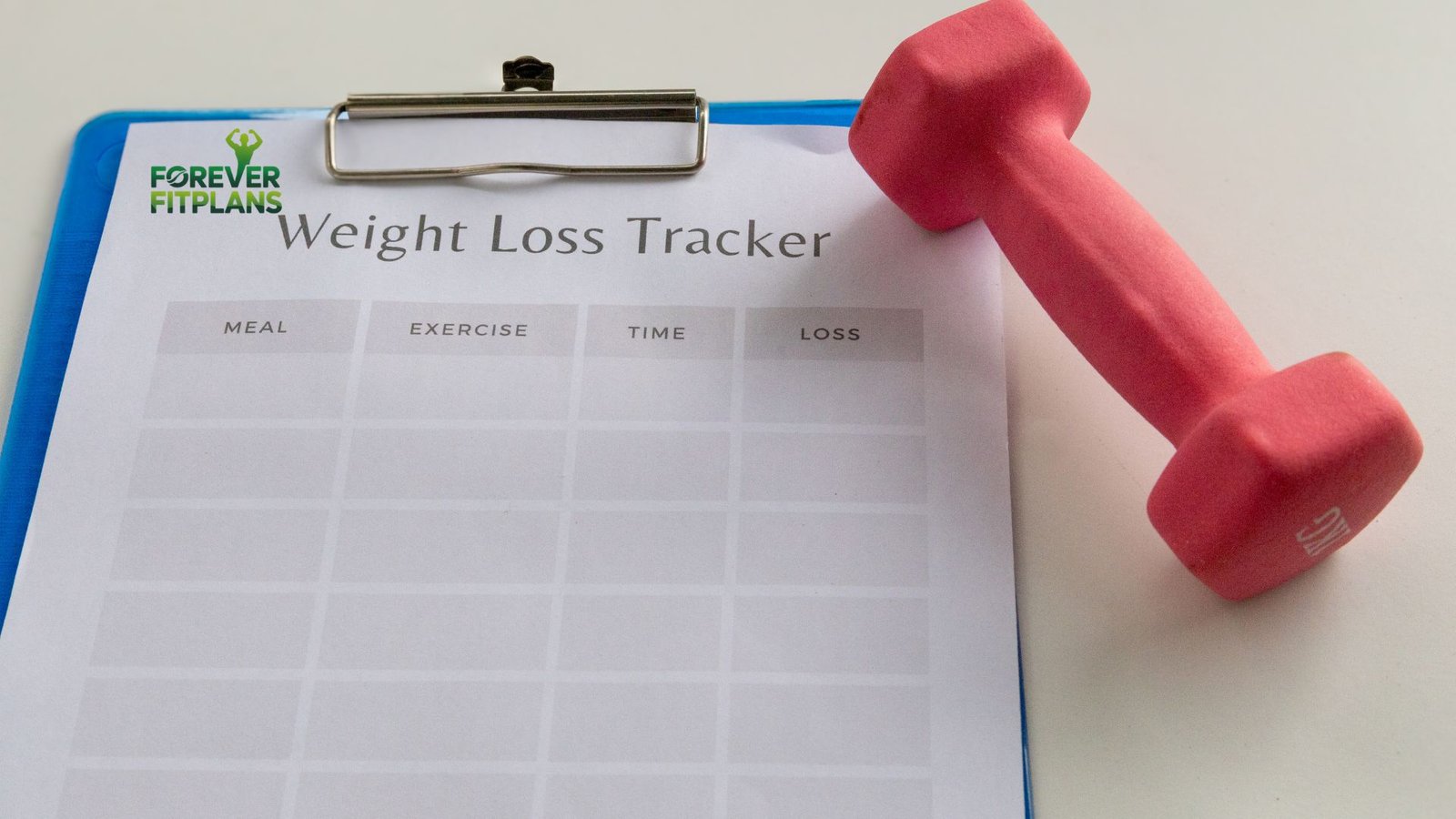
- Lack of progress tracking: You can not determine what is effective and what needs improvement if you do not keep track of your exercises, weight, measurements, or pictures.
- Inconsistent sleep: Regardless of how well you work out and eat, insufficient sleep increases cortisol and hunger hormones, making fat reduction very challenging.
- Exercise effectiveness is decreased, and injury risk is increased when warm-up and cool-down are neglected.
- Eating back all of the calories expended during activity: Many people underestimate their food intake and overestimate the number of calories burned during exercise, resulting in no true deficit.
- Weight loss is rarely a straight line, so do not expect linear progress. Weeks in which there is no scale movement are typical. Pay attention to the general pattern over a period of four to eight weeks rather than daily variations.
- skipping rest days: Your body uses rest to burn fat and gain muscle. One or two days of rest or active recovery are always part of a smart weekly fitness program for weight loss.
Tracking Your Progress on the Weekly Exercise Plan for Weight Loss
Use multiple methods to track progress — the scale alone doesn’t tell the full story:
| Tracking Method | Frequency | Why It Matters |
| Scale weight | Weekly (same day, same time) | Overall trend tracking |
| Waist measurement | Every 2 weeks | Visceral fat reduction |
| Progress photos | Every 4 weeks | Visual body composition changes |
| Workout log | Every session | Tracks strength gains and progression |
| Energy levels | Daily | Indicates recovery and metabolic health |
| Sleep quality | Daily | Key indicator of recovery adequacy |
| How clothes fit | Monthly | Practical body composition measure |
Sample 4-Week Results Timeline
| Week | Expected Changes |
| Week 1 | Initial soreness, improved energy, 0.5–1.5 kg loss (mostly water) |
| Week 2 | Soreness reduces, endurance improves, 0.5–1 kg fat loss |
| Week 3 | Strength increases noticeable, consistent fat loss of 0.5–1 kg |
| Week 4 | Visible changes in body composition, metabolism elevated, 0.5–1 kg fat loss |
| Month 2 | Significant body recomposition visible, 2–4 kg total fat loss likely |
| Month 3 | Clear transformation, strength substantially improved, 4–8 kg total loss possible |
Frequently Asked Questions
How many days a week should I exercise for weight loss?
For meaningful weight loss, a weekly exercise plan for weight loss should include 4–5 workout days per week for most people. Beginners can start with 3–4 days and progress from there. Research shows that 4–5 days of combined cardio and strength training produce optimal fat loss while allowing adequate recovery. More is not always better — 6–7 days of intense exercise without proper recovery leads to overtraining and stalled weight loss.
What is the best combination of exercises for a weekly weight loss plan?
The most effective weekly exercise plan for weight loss combines strength training (2–3 days), HIIT cardio (1–2 days), and steady-state cardio (1–2 days), with 1 active recovery day. This combination burns calories during workouts, builds metabolism-boosting muscle, creates the afterburn effect from HIIT, and supports active recovery — producing faster and more sustainable results than any single exercise type alone.
Can I lose weight with just 3 days of exercise per week?
Yes — a 3-day weekly exercise plan for weight loss can produce results, especially for beginners or people returning after a break. However, the calorie deficit must be primarily created through diet when exercise frequency is limited. Three full-body strength sessions or two strength sessions plus one HIIT session per week, combined with daily walking and a healthy diet, can produce 0.3–0.7 kg of fat loss per week — slower than a 5-day plan but absolutely achievable.
Should I do cardio or weights first in my weekly exercise plan?
The optimal order depends on your primary goal. If fat loss is the priority, do strength training first while your energy is highest, then cardio — this approach burns more fat during the cardio portion because glycogen stores are partially depleted. If cardiovascular endurance is your priority, do cardio first. Separating cardio and strength into different sessions entirely — one in the morning, one in the evening, or on different days — is ideal when the schedule allows.
How long before I see results from my weekly exercise plan for weight loss?
Most people notice improved energy, reduced bloating, and better sleep within the first 1–2 weeks of following a structured weekly exercise plan for weight loss. Visible physical changes typically begin appearing at 4–6 weeks of consistent training. Significant body composition transformation — the kind that others notice — usually takes 8–12 weeks of regular exercise combined with appropriate nutrition. The scale may not move much initially as muscle develops alongside fat loss — progress photos and measurements tell a more accurate story.
Is it better to exercise in the morning or evening for weight loss?
Both times produce excellent results — the best time for your weekly exercise plan for weight loss is the time you will consistently show up. That said, research suggests morning exercise may help regulate appetite hormones throughout the day and improve sleep quality. Evening exercise has the advantage of peak body temperature and muscle strength, potentially leading to better performance. Ultimately, consistency trumps timing — choose the time that works for your schedule and lifestyle.
What should I eat on rest days in my weekly exercise plan for weight loss?
On rest days in your weekly exercise plan for weight loss, maintain high protein intake (1.6–2.2g per kg body weight) to support muscle repair, slightly reduce carbohydrate intake to match lower energy needs, and keep healthy fats consistent. Don’t drastically cut calories on rest days — your body continues repairing and building muscle, which requires adequate nutrition. A modest 100–200 calorie reduction from training days is appropriate, but not a significant restriction.
Conclusion
The most effective tool you can develop for long-term, sustained fat loss is a weekly workout regimen. It eliminates uncertainty from every workout, guarantees that you are mixing the proper exercises to get the best results, and establishes the consistency that makes change inevitable.
The most crucial phase is just getting started, regardless of whether you start with the beginner plan (4 days, 25–30 minutes, full body concentration) or jump right into the intermediate or advanced program. The effectiveness of your weekly exercise regimen for weight loss is directly correlated with your dedication to attending each planned training day, making improvement over time, and bolstering your activity with a healthy diet and enough sleep.
The weekly workout regimen that you truly adhere to—consistently, gradually, and patiently—is the greatest one for losing weight. Perfect weeks followed by absentee weeks do not provide results. They originate from adequate weeks that are completed week after week.
Are you prepared to begin? Make a note of the days you plan to work out this week, select the plan that best suits your present level of fitness, and attend the first session today. Over the next 12 weeks, even a regular 25-minute starter workout will change your body. It is your time now that your plan is ready
For a more structured and effective workout routine, you can read this detailed guide on Anytime Fitness.

Dr. Daniel Carter is a certified health & wellness writer and fitness lifestyle researcher with over 8 years of experience in nutrition, weight management, sleep health, and preventive care. He is passionate about helping people live healthier, stronger, and more balanced lives through science-backed fitness strategies and easy-to-follow wellness tips.
Through FitForever Plan, Dr. Carter shares practical health advice, workout guidance, and nutrition insights designed to support long-term fitness, sustainable weight loss, and overall well-being. His mission is to make healthy living simple, achievable, and enjoyable for everyone.