

Does Running Help You Lose Weight? The Complete Truth You Need to Hear
Running is one of the most popular forms of exercise in the world — but does running help you lose weight in the way most people expect? The honest answer is yes — but with important conditions that most running articles don’t tell you about.
Running burns more calories per minute than almost any other accessible exercise. It strengthens your heart, builds endurance, improves mood, and creates the calorie deficit needed for fat loss. But running alone — without the right approach, nutrition strategy, and progression plan — often produces disappointing weight loss results that leave people frustrated and confused.
In this complete guide, we answer whether running helps you lose weight with real science, practical strategies, and honest expectations. You’ll learn exactly how running burns fat, how much running you need, common mistakes that kill results, and a step-by-step plan to maximize every mile you run. Let’s get started.
Does Running Help You Lose Weight? The Science Says Yes
The fundamental answer to whether running helps you lose weight is a clear yes — running is one of the most effective calorie-burning exercises available to anyone at any fitness level.
Here’s why running works for weight loss at a biological level:
How Running Creates a Calorie Deficit
Weight loss requires one non-negotiable condition: burning more calories than you consume. This is called a calorie deficit. Running creates this deficit by burning a significant number of calories in a relatively short time.
A study published in Medicine & Science in Sports & Exercise found that running burns approximately 2.16 calories per kilogram of body weight per kilometer, making it one of the highest calorie-burning activities available.
Running Calories Burned by Body Weight and Pace
| Body Weight | Pace | Calories Burned per Mile | Calories Burned per 30 Min |
| 55 kg (121 lbs) | Easy (5 mph) | ~85 kcal | ~260 kcal |
| 68 kg (150 lbs) | Easy (5 mph) | ~105 kcal | ~320 kcal |
| 82 kg (180 lbs) | Easy (5 mph) | ~127 kcal | ~390 kcal |
| 95 kg (210 lbs) | Easy (5 mph) | ~147 kcal | ~453 kcal |
| 68 kg (150 lbs) | Moderate (6 mph) | ~113 kcal | ~380 kcal |
| 68 kg (150 lbs) | Fast (8 mph) | ~136 kcal | ~500 kcal |
| 68 kg (150 lbs) | Sprint intervals | ~150+ kcal | ~550+ kcal |
As you can see, a 68 kg person running at a moderate pace for 30 minutes burns approximately 380 calories — a meaningful contribution to the daily calorie deficit needed for weight loss.
The Afterburn Effect (EPOC)
Running — especially at higher intensities — creates something called Excess Post-Exercise Oxygen Consumption (EPOC), or the “afterburn effect.” After a harder run, your body continues burning calories at an elevated rate for hours as it:
- Replenishes oxygen stores
- Repairs micro-damaged muscle fibers
- Restores hormonal balance
- Returns body temperature to normal
A study in the European Journal of Applied Physiology found that high-intensity running can elevate metabolic rate for up to 24 hours after the workout — adding an extra 50–200 calories burned on top of what you burned during the run itself.
How Much Weight Can You Lose Running?
This is the most important practical question after does running help you lose weight — and the answer depends on several factors.
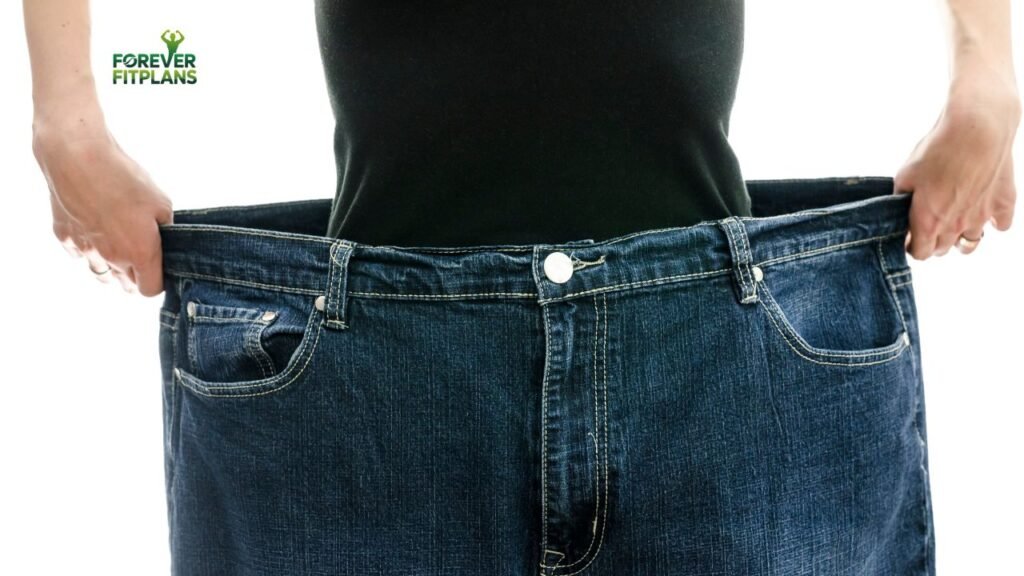
The Math of Running for Weight Loss
One pound (0.45 kg) of fat contains approximately 3,500 calories. To lose 1 pound per week, you need a calorie deficit of 500 calories per day.
Running 3–5 miles per day creates approximately a 300–500 calorie deficit from exercise alone. Combined with modest dietary adjustments, most consistent runners can expect:
| Running Frequency | Weekly Mileage | Expected Weekly Fat Loss |
| 3 days/week, 3 miles each | 9 miles | 0.3–0.5 kg |
| 4 days/week, 4 miles each | 16 miles | 0.5–0.7 kg |
| 5 days/week, 5 miles each | 25 miles | 0.7–1.0 kg |
| Daily running, 5+ miles | 35+ miles | 0.8–1.2 kg |
These estimates assume no significant compensatory eating — which brings us to the biggest obstacle to running for weight loss.
Why Some Runners Don’t Lose Weight (The Compensation Problem)
The most significant and overlooked reason why jogging can help you lose weight in real life is compensatory eating and decreased activity.
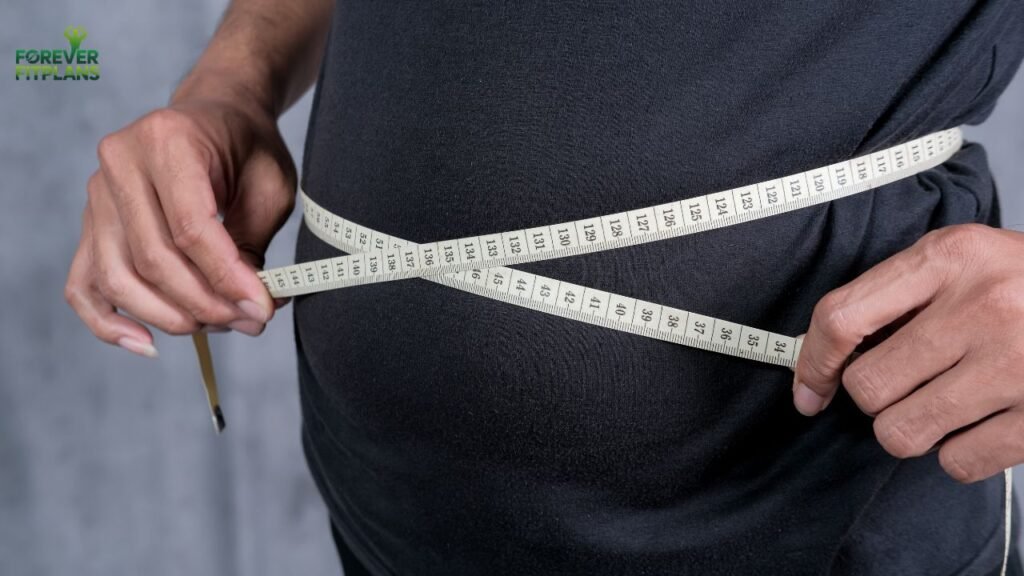
The Compensation Trap for Runners
People routinely overestimate the number of calories expended during exercise and underestimate the number of calories taken subsequently, according to numerous studies, including a seminal report published in the British Journal of Sports Medicine.
When you begin running on a regular basis, a number of unconscious things frequently occur:
- Running boosts hunger, especially in the hours following a run, and causes a spike in hunger hormones (ghrelin).
- Your body conserves energy by making you less active outside of your run, such as by using elevators rather than stairs, sitting more, and fidgeting less for the remainder of the day.
- The psychological “I earned this” effect causes you to reward yourself with food, which frequently results in post-run indulgences that surpass the number of calories burnt.
- Fitness monitors and treadmills overestimate your burn by 15% to 30%.
This explains why exercising four days a week for months can result in little to no weight loss because the calories from running are counteracted by eating more and engaging in less non-exercise.
The answer is to be honest about how much food you eat, at least at first. You can become aware of whether you are truly in a deficit by keeping a rough calorie count for two to four weeks.
Does Running Help You Lose Weight Faster Than Other Exercises?

Running is one of the highest-calorie-burning exercises per minute, but how does it compare to other popular weight loss exercises?
Running vs. Other Exercises for Weight Loss
| Exercise | Calories/30 Min (68 kg person) | Afterburn Effect | Muscle Building | Injury Risk |
| Running (moderate) | 320–380 kcal | Moderate | Low | Moderate-High |
| Running (intervals/sprints) | 450–550 kcal | High | Moderate | Moderate |
| Cycling (moderate) | 260–310 kcal | Low-Moderate | Low | Low |
| Swimming | 300–400 kcal | Low | Moderate | Very Low |
| Strength training | 180–260 kcal | High (24–48 hrs) | High | Low-Moderate |
| HIIT (bodyweight) | 300–450 kcal | High | Moderate | Low-Moderate |
| Walking (brisk) | 150–200 kcal | Very Low | Very Low | Very Low |
| Rowing | 300–380 kcal | Moderate | Moderate | Low |
| Jump rope | 400–500 kcal | Moderate-High | Low | Low-Moderate |
Running burns more calories per session than most activities when done at moderate to high intensity. However, strength training produces a higher afterburn effect and builds muscle that raises resting metabolic rate — which is why combining running with strength training produces the best long-term weight loss results.
The Best Types of Running for Weight Loss
Not all running is equally effective for fat loss. The type of running you do significantly affects how many calories you burn and how your body responds.

1. Easy/Steady-State Running (LISS Running)
Best for: Beginners, active recovery, base building, fat burning Pace: Conversational pace — you can talk in full sentences Duration: 30–60 minutes Calorie burn: Moderate
At a comfortable, steady pace, your body primarily uses fat as its fuel source (fat burning zone = 60–70% of maximum heart rate). This makes running excellent for directly burning fat, though the total calories burned per session are lower than higher-intensity options.
For weight loss: Excellent as a daily habit for consistent, sustainable calorie burning without excessive recovery demands.
2. Tempo Runs (Threshold Running)
Best for: Intermediate runners, metabolic improvement, calorie burn Pace: “Comfortably hard” — you can speak only a few words at a time Duration: 20–40 minutes at tempo pace Calorie burn: High
Tempo runs push you to the threshold between aerobic and anaerobic effort. They burn significantly more calories per minute than easy running and create a more pronounced afterburn effect.
For weight loss: One tempo run per week significantly boosts weekly calorie expenditure and improves running efficiency — allowing you to run faster and burn more calories in future runs.
3. Interval Running (HIIT Running)
Best for: Maximum fat loss, experienced runners, time-limited sessions. Format: 30 seconds–2 minutes at near-maximum effort, followed by equal or longer recovery. Duration: 20–30 minutes total. Calorie burn: Highest
Interval running — alternating between sprinting and walking or jogging recovery — is the most powerful running method for weight loss. It:
- Burns 25–30% more calories than steady-state running in the same time
- Creates the highest EPOC (afterburn) of any running type
- Improves insulin sensitivity significantly
- Preserves muscle mass better than long steady runs
- Continues elevating metabolism for up to 24 hours
A study in the Journal of Obesity found that high-intensity interval training produced 28.5% greater reductions in total fat mass compared to moderate-intensity continuous exercise.
For weight loss: 2 interval sessions per week combined with 2–3 easy runs produces excellent fat loss results.
4. Fasted Running
Best for: Experienced runners, morning fat burning sessions Timing: First thing in the morning before eating Duration: 30–45 minutes at low-to-moderate intensity Calorie burn: Comparable to fed running, but with higher fat oxidation
Running on an empty stomach — when glycogen stores are lower after an overnight fast — forces the body to rely more heavily on stored fat for fuel. Research shows fasted running increases fat oxidation by 20–30% compared to running after eating.
Important caveat: Fasted running at high intensity can break down muscle for energy if done excessively. Keep fasted runs easy to moderate intensity and limit them to 3–4 times per week.
5. Hill Running
Best for: Building strength, calorie burn, glute and leg development Format: Running uphill at moderate-to-hard effort, easy recovery on the way down Duration: 20–40 minutes Calorie burn: 40–50% higher than flat running at the same pace
Running uphill dramatically increases calorie burn, strengthens the glutes and legs, and creates more muscle activation than flat running — making it one of the most efficient running formats for does running help you lose weight questions.
The Best Running Plan for Weight Loss: 8-Week Program
Here is a complete 8-week running plan for weight loss — structured for beginners to intermediate runners:
Weeks 1–2: Foundation Building
| Day | Session | Duration |
| Monday | Easy run/walk intervals | 25 min |
| Tuesday | Rest or brisk walk | 30 min walk |
| Wednesday | Easy run/walk | 25 min |
| Thursday | Rest | — |
| Friday | Easy continuous run | 20 min |
| Saturday | Long easy run/walk | 35 min |
| Sunday | Rest | — |
Goal: Build the running habit, develop aerobic base, and avoid injury.
Weeks 3–4: Building Volume
| Day | Session | Duration |
| Monday | Easy run | 30 min |
| Tuesday | Strength training (lower body) | 30 min |
| Wednesday | Interval run (8 x 1 min fast / 1 min walk) | 25 min |
| Thursday | Rest or yoga | 20 min |
| Friday | Tempo run | 25 min |
| Saturday | Long easy run | 40 min |
| Sunday | Rest | — |
Weeks 5–6: Intensification
| Day | Session | Duration |
| Monday | Easy run | 35 min |
| Tuesday | Strength training (full body) | 40 min |
| Wednesday | Hill intervals (6 x 90 sec uphill) | 30 min |
| Thursday | Easy recovery run | 25 min |
| Friday | Tempo run | 30 min |
| Saturday | Long run | 50 min |
| Sunday | Active recovery | Yoga/walk |
Weeks 7–8: Peak Fat Loss
| Day | Session | Duration |
| Monday | Fasted easy run | 35 min |
| Tuesday | Strength training + 15 min intervals | 55 min |
| Wednesday | Sprint intervals (10 x 30 sec sprints) | 30 min |
| Thursday | Rest | — |
| Friday | Tempo run | 35 min |
| Saturday | Long run | 60 min |
| Sunday | Active recovery | — |
Nutrition Strategies to Maximize Running for Weight Loss
Running creates the exercise side of weight loss, but nutrition determines 70–80% of results. Here’s how to eat to support your running weight loss plan:

Calorie Targets
- Determine your TDEE (Total Daily Energy Expenditure) using an online calculator
- Create a deficit of 300–500 calories below TDEE — enough for 0.5–1 kg of fat loss per week without impairing running performance
- Never drop below 1,400 calories (women) or 1,600 calories (men) — too large a deficit reduces muscle mass, energy, and running performance
Macronutrient Guidelines for Runners
| Macronutrient | Recommended Intake | Why It Matters |
| Protein | 1.6–2.0g per kg body weight | Preserves muscle during calorie deficit |
| Carbohydrates | 3–5g per kg body weight | Fuels running performance |
| Fat | 0.8–1.2g per kg body weight | Hormonal health, fat-soluble vitamins |
| Fiber | 25–35g per day | Fullness, digestive health, blood sugar |
Pre and Post Run Nutrition
Before running (1–2 hours prior):
- Complex carbs + moderate protein
- Examples: Oatmeal with berries, banana with peanut butter, toast with eggs
After running (within 30–60 minutes):
- Protein + carbs to repair muscles and replenish glycogen
- Examples: Chicken and rice, Greek yogurt with fruit, protein shake with banana
Avoid: Eating a large high-calorie meal immediately after a run as a reward — this is the most common way runners accidentally eliminate their calorie deficit.
Common Running Mistakes That Prevent Weight Loss
These errors can totally halt weight loss efforts, even with regular running:
- Your body quickly adjusts to recurrent stimuli when you run the same route at the same pace every day. Instead, change up the pace, distance, and terrain on a frequent basis.
- Ignoring strength training: Strength training increases resting metabolism continuously, while running mainly improves cardiovascular fitness.
- The “I earned it” approach is the most prevalent excuse for rewarding runs with high-calorie foods, but the answer to the question of whether running aids in weight loss is unsatisfactory.
- Most people greatly underestimate the number of calories they consume when they do not measure their food consumption, especially after a run when their desire is heightened.
- Ignoring pain might result in major injuries that prevent you from exercising for weeks or months.
- The 10% rule states that in order to avoid overuse injuries, mileage should never be increased by more than 10% per week.
- Ignoring sleep: Regardless of how much you run, insufficient sleep increases cortisol, hunger hormones, and hinders fat burning.
- Overtraining, which involves only jogging and never resting, raises cortisol, degrades muscle, and paradoxically increases the accumulation of belly fat.
Does Running Help You Lose Belly Fat Specifically?
The answer to the question of whether running specifically helps with belly fat is yes, but there is a significant disclaimer.
Running does not specifically burn abdominal fat; you cannot spot-reduce fat. Running, however, works especially well to reduce visceral fat, which is the hazardous deep abdominal fat around organs, because
- When training load is appropriate, high-intensity running significantly lowers cortisol, the main hormone responsible for belly fat over time.
- Running dramatically increases insulin sensitivity, which lowers the hormone signal that encourages the storage of belly fat.
- Even without dietary modifications, aerobic exercise, such as running, decreased visceral fat by up to 7% over the course of eight months, according to research published in the American Journal of Physiology.
Therefore, while running does aid in weight loss, it does so through general fat loss rather than specifically burning belly fat.
Frequently Asked Questions
Does running help you lose weight if you do it every day?
Daily running can absolutely help you lose weight — but only if you’re in a consistent calorie deficit. Running every day burns significant calories, but rest days are important for injury prevention and recovery. A better approach is running 4–5 days per week with 1–2 rest or active recovery days. If you do run daily, alternate between harder sessions and very easy recovery runs to prevent overtraining.
How long does it take to lose weight from running?
Most people who run consistently 3–5 days per week and maintain a modest calorie deficit begin to see meaningful weight loss within 4–8 weeks. In the first 1–2 weeks, you may not see scale changes due to increased water retention from muscle adaptation. Visible fat loss typically becomes apparent at 6–8 weeks. Significant transformation — the kind others notice — usually takes 12–16 weeks of consistent running and proper nutrition.
Is running or walking better for weight loss?
Running burns approximately 2–2.5 times more calories per minute than walking at the same body weight, making it more time-efficient for weight loss. However, walking has a much lower injury risk and is sustainable for longer durations. For total calorie burn, running wins. For those who can’t run due to joint issues, fitness level, or injury history, brisk walking for longer durations can produce similar or better results due to better adherence and lower injury risk. The best exercise is the one you’ll do consistently.
Does running on a treadmill help you lose weight the same as outdoor running?
Yes — treadmill running burns approximately the same calories as outdoor running at the same pace, though outdoor running may burn slightly more due to wind resistance and varied terrain. To make treadmill running more comparable to outdoor running, set the incline to 1–1.5% to simulate wind resistance. Both are equally effective for running help you lose weight — choose based on convenience, weather, and personal preference.
Why am I running but not losing weight?
The most common reasons running doesn’t produce weight loss include compensatory eating (eating more to replace burned calories), overestimating calories burned, moving less throughout the rest of the day (reduced non-exercise activity), insufficient running volume, not tracking food intake, adapting to the same routine, and poor sleep that elevates hunger hormones. Running creates an opportunity for weight loss — but it must be paired with a genuine calorie deficit and consistent tracking of nutrition to produce results.
How many miles should I run a week to lose weight?
Research suggests that running 15–25 miles per week can produce meaningful weight loss for most people, when combined with appropriate nutrition. Beginners should start with 9–12 miles per week (3–4 runs of 3 miles each) and build gradually. The key is increasing mileage progressively by no more than 10% per week to prevent injury. Even 9 miles per week of consistent running, combined with a modest calorie deficit, can produce 0.3–0.5 kg of fat loss per week.
Should I run before or after strength training for weight loss?
For weight loss specifically, strength training first, followed by cardio running, is generally recommended. Doing weights when your energy and glycogen stores are fresh allows for better muscle stimulation and preservation, which is critical for maintaining the metabolic rate that drives fat loss. Running after weights, when glycogen is partially depleted, increases the proportion of fat used as fuel during the cardio session. Alternatively, separate running and strength training into different sessions or different days entirely for optimal performance in both.
Conclusion
After reviewing all the data, the answer to the question of whether running aids in weight loss is unquestionably yes. Running is one of the most potent, accessible, and efficient methods for burning fat and changing your body.
Running burns more calories per minute than most forms of exercise, produces a significant afterburn effect that keeps burning fat for hours, specifically lowers dangerous visceral belly fat, increases insulin sensitivity, which lowers fat storage, and improves cardiovascular fitness, which makes life easier.
Does running, however, naturally aid in weight loss? No, not until the issue of compensation is resolved. To achieve the calorie-burning potential of running, it must be combined with patience, increasing exercise diversity, honest nutrition knowledge, and enough sleep.
The good news is that running can change your life if you do these things properly. Start with this article’s 8-week strategy, prioritize consistency over perfection, monitor your food consumption for the first month, and give your body 8 to 12 weeks to demonstrate the true benefits of jogging.
Are you prepared to begin? Put on your running shoes now. A 20-minute walk-run is an effective starting point. You grow closer to your weight loss objectives and become a stronger, healthier, and more vivacious version of yourself with each mile you run. The road is ready.
For more information, read this post from Healthline.

Dr. Daniel Carter is a certified health & wellness writer and fitness lifestyle researcher with over 8 years of experience in nutrition, weight management, sleep health, and preventive care. He is passionate about helping people live healthier, stronger, and more balanced lives through science-backed fitness strategies and easy-to-follow wellness tips.
Through FitForever Plan, Dr. Carter shares practical health advice, workout guidance, and nutrition insights designed to support long-term fitness, sustainable weight loss, and overall well-being. His mission is to make healthy living simple, achievable, and enjoyable for everyone.