Post Pregnancy Weight Loss Tips at Home: The Honest Guide Every New Mom Needs
You just brought a tiny human into this world. That’s incredible. But now you’re standing in front of the mirror, looking at a body that feels unfamiliar — and wondering when (or if) things will ever go back to the way they were.
First, take a breath. You are not alone.
Millions of moms search for post pregnancy weight loss tips at home every single day. They want real answers, not cookie-cutter advice that ignores sleepless nights, crying babies, and zero time for themselves. This guide is different. It’s honest, medically grounded, and built around the life of a real new mom. Whether you gave birth two months ago or a year ago, these practical tips will help you lose the baby weight — safely, steadily, and from the comfort of your home.
Also read The Real Weight Loss Plan for Women Over 30 That Works With Your Body — Not Against It.
Why Losing Weight After Pregnancy Is Different (And Why That’s Okay)
Your body during pregnancy goes through major hormonal, physical, and metabolic changes. The uterus stretches, abdominal muscles separate (a condition called diastasis recti), hormones like relaxin loosen your joints, and your body stores fat — especially around the belly, hips, and thighs — to support breastfeeding and recovery.
After delivery, the weight doesn’t just vanish. Most women retain some extra weight for months, and that’s completely normal.
What to Expect in the First Few Weeks
Right after birth, most women lose 10–13 pounds almost immediately — that’s the baby, placenta, and amniotic fluid. But the remaining weight, which can range from 5 to 30+ extra pounds, takes time to come off. Rushing this process can hurt your recovery, affect your milk supply (if breastfeeding), and leave you exhausted.
Give yourself grace. Your body did something extraordinary.
When Is It Safe to Start Losing Weight After Pregnancy?
Most doctors recommend waiting at least 6 weeks postpartum before starting any structured weight loss plan. If you had a C-section, the typical advice is to wait 8–12 weeks before resuming light physical activity.
Here’s a simple timeline:
| Timeline | What’s Generally Safe |
| 0–6 weeks | Rest, healing, gentle walking only |
| 6–8 weeks | Light exercise, mindful eating begins |
| 8–12 weeks | Gradual increase in activity, focus on nutrition |
| 3–6 months | Structured routines, stronger core work (if cleared) |
| 6+ months | Full fitness routines as tolerated |
Always check with your OB-GYN or midwife before beginning any post pregnancy weight loss plan at home.
The Best Post Pregnancy Weight Loss Tips at Home
Now let’s get into the real stuff — the actionable, evidence-based, mom-friendly strategies that actually work.
1. Start With Walking — Seriously, Don’t Skip This
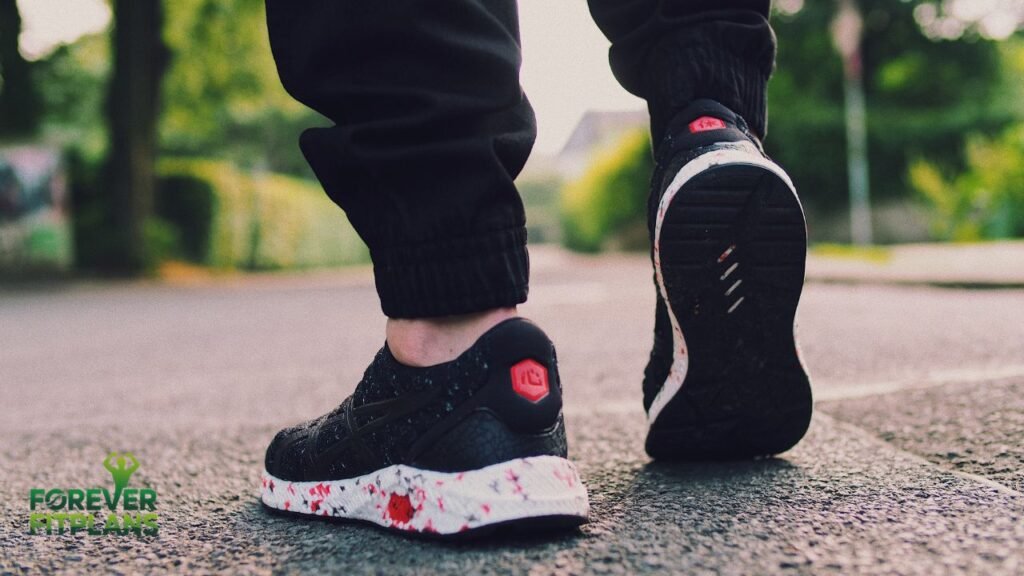
Walking is the most underrated post pregnancy exercise. It’s free, low-impact, and you can do it with your baby in a stroller. Studies consistently show that walking helps reduce postpartum belly fat, improve mood, and boost energy without straining healing muscles or joints.
How to start:
- Week 1–2 (post-clearance): 10–15 minutes a day
- Week 3–4: 20–30 minutes, 4–5 times a week
- Month 2+: 30–45 minutes at a brisk pace
Walking outdoors also exposes you to sunlight, which helps regulate cortisol (the stress hormone), and high cortisol is a major reason why postpartum belly fat is so stubborn.
2. Focus on What You Eat, Not How Little You Eat
This is one of the most important post pregnancy weight loss tips at home: don’t crash diet.
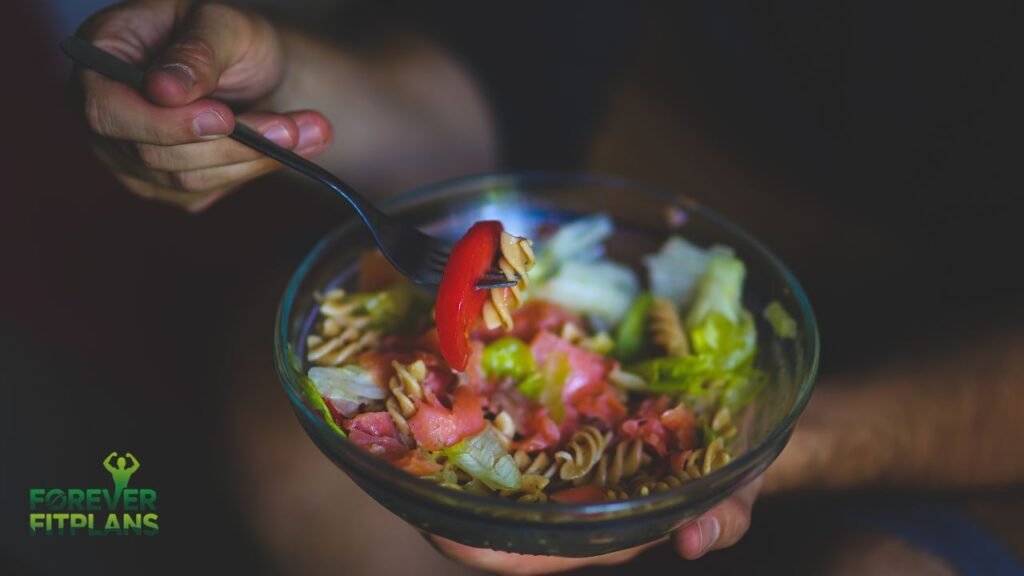
New moms need a minimum of 1,800–2,200 calories per day (more if breastfeeding). Eating too little causes fatigue, slows metabolism, and can reduce breast milk supply.
Instead, focus on food quality:
- Protein at every meal — eggs, chicken, lentils, Greek yogurt, paneer. Protein keeps you full longer and supports muscle repair.
- Fiber-rich foods — vegetables, fruits, whole grains, and legumes. Fiber improves digestion and reduces belly bloat.
- Healthy fats — avocado, nuts, seeds, olive oil. These support hormonal balance and keep hunger in check.
- Limit ultra-processed foods — chips, sugary drinks, instant noodles, packaged cookies. These spike insulin and promote fat storage.
- Stay hydrated — aim for 8–10 glasses of water a day. Dehydration is often mistaken for hunger.
Sample Daily Meal Plan for Postpartum Weight Loss
| Meal | What to Eat |
| Breakfast | Oatmeal with banana + boiled eggs or a vegetable omelette |
| Mid-morning | A handful of almonds + one seasonal fruit |
| Lunch | Brown rice or roti + dal + mixed vegetable sabzi + salad |
| Evening snack | Greek yogurt or roasted chickpeas |
| Dinner | Grilled chicken or paneer + steamed vegetables + light soup |
| Before bed (if hungry) | Warm turmeric milk or a small handful of nuts |
3. Breastfeed If You Can — It Actually Burns Calories
Breastfeeding burns approximately 300–500 extra calories per day. That’s a meaningful contribution to post pregnancy weight loss. Research published in the American Journal of Clinical Nutrition found that women who breastfeed for at least 3 months lose more weight in the first year postpartum compared to those who don’t.
It also helps the uterus contract back to its normal size faster.
Of course, not every mother can or chooses to breastfeed — and that’s completely fine. This is just one helpful tool among many.
4. Do Postpartum-Safe Home Exercises
Once your doctor clears you, these exercises are excellent for post pregnancy weight loss at home. They’re safe, effective, and require no equipment.
Core Rebuilding Exercises (Start Here First)
Many new moms have diastasis recti — a gap between the abdominal muscles. Doing traditional crunches or sit-ups too early can make this worse. Instead, start with:
- Diaphragmatic breathing — Lie on your back, inhale deeply so your belly rises, then exhale slowly while gently pulling your navel inward. Do 10–15 reps.
- Pelvic floor exercises (Kegels) — Contract and hold the muscles you’d use to stop urination for 5–10 seconds. Release. Repeat 10–15 times, twice a day.
- Dead bugs — Lying on your back, extend opposite arm and leg slowly while keeping your lower back pressed to the floor.
- Bird dogs — On hands and knees, extend opposite arm and leg. Hold for 3–5 seconds. This strengthens the deep core without putting pressure on healing tissue.
Full-Body Home Workouts (After 8–12 Weeks, With Clearance)
- Bodyweight squats — 3 sets of 15 reps
- Glute bridges — 3 sets of 12–15 reps
- Wall push-ups or modified knee push-ups — 3 sets of 10
- Standing lunges — 2 sets of 10 per leg
- Light dumbbell rows (use water bottles if no weights) — 2 sets of 12
You don’t need a gym. A 20–30 minute routine, 4 times a week, done in your living room, is more than enough to see results.
5. Prioritize Sleep — Even in Small Doses

Yes, we know this sounds almost cruel to say to a new mom. But sleep deprivation is directly linked to weight gain. When you’re sleep-deprived, your body produces more ghrelin (the hunger hormone) and less leptin (the fullness hormone). This makes you crave high-calorie, high-sugar foods and makes it harder to feel satisfied.
Sleep tips for new moms:
- Sleep when the baby sleeps — even 20-minute naps help
- Ask your partner or family member to handle one night feed per week, so you can get a longer stretch
- Keep your bedroom cool and dark to improve sleep quality
- Avoid your phone screen for 30 minutes before sleep
Getting even one extra hour of sleep a night can noticeably reduce cravings and improve your ability to make healthy choices throughout the day.
6. Manage Stress (Your Cortisol Is Working Against You)
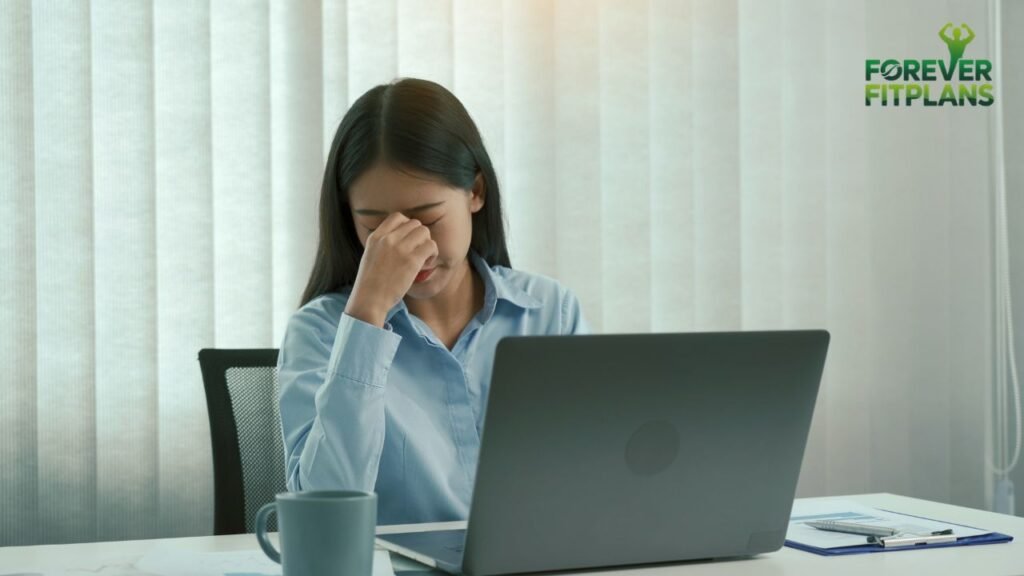
Postpartum life is emotionally intense. Stress triggers the release of cortisol, which signals the body to store fat — especially around the abdomen. This is why many new moms eat well and exercise but still struggle to lose belly fat.
Simple stress management tips at home:
- Practice 5 minutes of deep breathing or meditation daily (apps like Insight Timer are free)
- Journal your thoughts or gratitude for 5 minutes each morning
- Ask for help — from family, friends, your partner. You don’t have to do everything alone.
- Limit social media, especially accounts that make you feel bad about your body
- Do something just for you, even if it’s 10 minutes: a warm bath, a cup of tea, a book
7. Track Progress Without Obsessing Over the Scale
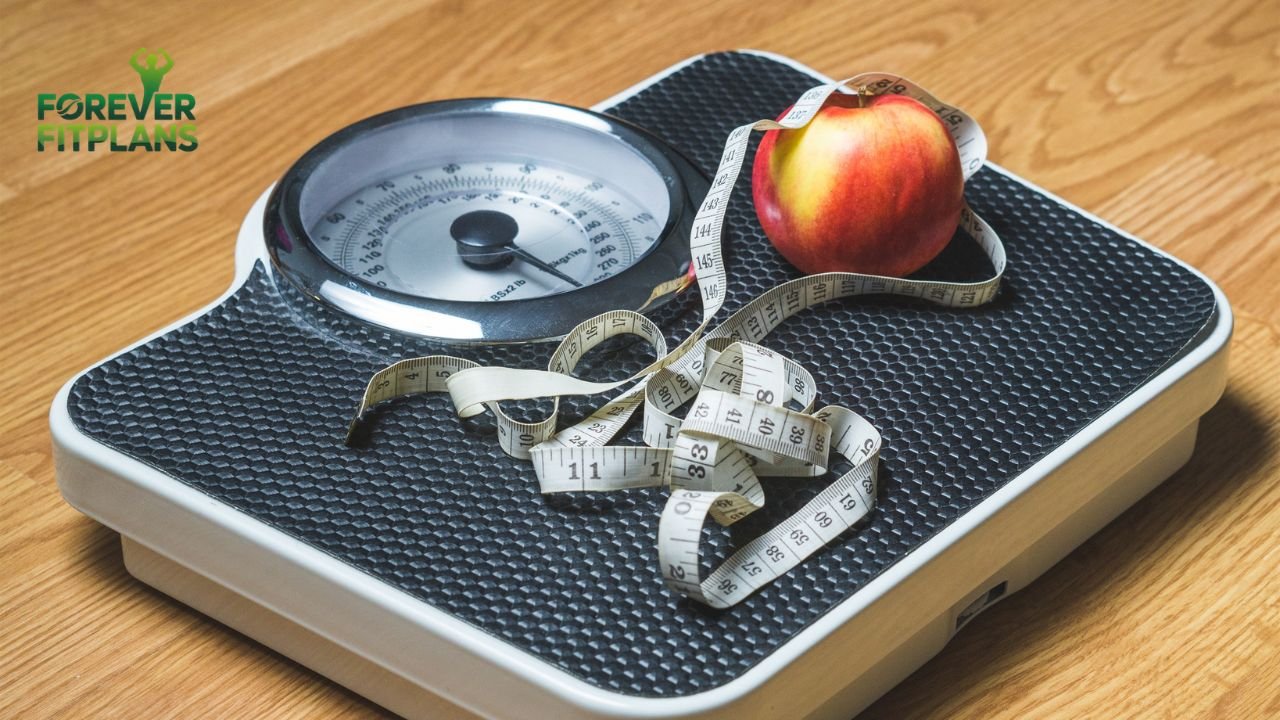
The scale doesn’t tell the whole story. Muscle weighs more than fat, and your body is doing a lot of recomposition in the postpartum period. Instead of weighing yourself daily, try these methods:
- Measure inches — Use a tape measure around your waist, hips, and thighs monthly
- How your clothes fit — Often a more honest indicator than numbers
- Energy levels — Are you feeling stronger and less tired?
- Progress photos — Take one monthly, in the same lighting and outfit
- Mood and strength — Are you lifting more? Walking farther? Feeling more like yourself?
Celebrate non-scale victories. They matter just as much.
8. Avoid These Common Post Pregnancy Weight Loss Mistakes
A lot of moms unknowingly slow their own progress. Here’s what to watch out for:
| Mistake | Why It Hurts Progress |
| Skipping meals | Slows metabolism, increases cravings |
| Doing intense ab exercises too early | Can worsen diastasis recti |
| Following extreme diets | Reduces milk supply and causes fatigue |
| Comparing yourself to celebrities | Unrealistic; they have personal trainers, chefs, and help |
| Expecting fast results | Healthy postpartum loss is 0.5–1 kg per week |
| Ignoring mental health | Postpartum depression can derail any wellness plan |
9. Use Belly Binding or Postpartum Wraps (Optional but Helpful)
Many cultures — including South Asian, Latin American, and Southeast Asian traditions — use belly wrapping after childbirth to support the core and reduce the uterus back to size. Modern postpartum belly bands and wraps can provide support, reduce back pain, and help with posture during recovery.
They don’t melt fat, but they can provide comfort and support that makes movement easier during early recovery, which indirectly supports your post pregnancy weight loss journey at home.
10. Be Consistent, Not Perfect
This is perhaps the most important tip of all. Consistency over time beats perfection every single time.
You will have bad days. Days when you eat poorly, skip exercise, and feel like you’re not making progress. That’s normal. What matters is that you keep going. A healthy, sustainable approach to post pregnancy weight loss at home — one that respects your body’s timeline — will always beat crash diets and extreme exercise regimes.
Aim for progress, not perfection.
How Long Does It Really Take to Lose Baby Weight?
Most women lose the majority of their baby weight within 6–12 months of giving birth — and that’s with healthy habits, not extreme measures.
Here’s a realistic timeline:
- Month 1–2: Initial recovery. Focus on healing, not losing.
- Month 3–4: Light activity, mindful eating. Lose 1–2 kg/month.
- Month 5–6: More structured routine. Lose 1–2 kg/month.
- Month 7–12: Stronger workouts, consistent nutrition. Reach or near pre-pregnancy weight.
If you’re not seeing progress after 6 months despite healthy efforts, consult your doctor — thyroid issues and postpartum hormonal imbalances can sometimes interfere with weight loss.
Frequently Asked Questions
How soon after delivery can I start losing weight?
Most doctors recommend starting a gentle weight loss routine no earlier than 6 weeks postpartum (8–12 weeks after a C-section). During the first few weeks, focus on healing, rest, and nutrition — not weight loss.
Can I lose weight while breastfeeding?
Yes, you can. In fact, breastfeeding naturally burns 300–500 extra calories per day, which supports gradual weight loss. However, don’t eat fewer than 1,800 calories per day while nursing, as this can reduce your milk supply and leave you exhausted.
What exercises are safe for post pregnancy weight loss at home?
Start with walking, pelvic floor exercises (Kegels), and diaphragmatic breathing. After 8–12 weeks (with medical clearance), you can add bodyweight squats, glute bridges, lunges, and light strength training.
Why is my belly still big even after delivery?
The uterus takes about 6–8 weeks to shrink back to its normal size. Additionally, bloating, water retention, and stretched abdominal muscles contribute to the “still pregnant” look. Consistency in exercise and nutrition will help over time.
Is it normal not to lose weight for the first few months postpartum?
Yes, completely normal. Hormonal fluctuations — especially the hormone prolactin if you’re breastfeeding — can slow weight loss. Your body is prioritizing recovery and milk production. Focus on healthy habits and trust the process.
What foods should I avoid for faster post-pregnancy weight loss?
Limit or avoid: sugary drinks (soda, juice), ultra-processed snacks, fried foods, white bread and refined carbs, and alcohol. These spike insulin levels and promote fat storage, especially around the belly.
Can stress prevent me from losing weight after pregnancy?
Absolutely. High cortisol from stress and sleep deprivation signals your body to hold onto fat, especially around the abdomen. Managing stress through rest, support systems, and mindfulness is just as important as diet and exercise.
Conclusion
Losing weight after pregnancy isn’t about bouncing back — it’s about moving forward. Your body grew, nurtured, and delivered a whole human being. It deserves patience, nourishment, and kindness.
The post-pregnancy weight-loss tips shared in this guide aren’t quick fixes. They’re sustainable lifestyle habits that support your health, your energy, and your confidence over the long term. Walk daily. Eat real, nourishing food. Sleep when you can. Manage stress. Move your body gently, then move it more strongly. And above all — be kind to yourself.
You don’t have to do this perfectly. You just have to keep going.
If you found this guide helpful, share it with a new mom who needs to hear it today. And remember: the best version of your postpartum self isn’t about a number on the scale — it’s about feeling strong, healthy, and like yourself again.
Also, read more information from Healthline.

Dr. Daniel Carter is a certified health & wellness writer and fitness lifestyle researcher with over 8 years of experience in nutrition, weight management, sleep health, and preventive care. He is passionate about helping people live healthier, stronger, and more balanced lives through science-backed fitness strategies and easy-to-follow wellness tips.
Through FitForever Plan, Dr. Carter shares practical health advice, workout guidance, and nutrition insights designed to support long-term fitness, sustainable weight loss, and overall well-being. His mission is to make healthy living simple, achievable, and enjoyable for everyone.