Is Cabbage Good for Weight Loss? The Surprising Science Behind This Humble Vegetable
You’ve probably walked past cabbage hundreds of times at the grocery store without giving it much thought. But if you’re trying to lose weight, you might be wondering: is cabbage good for weight loss? The answer is a resounding yes — and the reasons are more impressive than most people realize.
Cabbage is one of the most affordable, versatile, and nutritionally powerful vegetables available anywhere. It’s incredibly low in calories, high in fiber, rich in vitamins and minerals, and surprisingly filling — making it one of nature’s most effective natural weight loss foods. Is cabbage good for weight loss when compared to trendy superfoods and expensive supplements? Absolutely — and the science backs it up completely.
In this comprehensive guide, you’ll discover exactly why cabbage is so effective for weight loss, the specific compounds that make it work, the best types of cabbage to eat, how to incorporate it into your diet, and honest answers to the most common questions. Let’s explore.
If you like to eat vegetables, know the best vegetables for weight loss to stay fit.
Is Cabbage Good for Weight Loss? The Nutritional Science Says Yes
To fully answer whether cabbage is good for weight loss, we need to look at what’s actually inside this humble vegetable — because its nutritional profile is genuinely remarkable for anyone trying to shed fat.
Cabbage Nutritional Profile (Per 100g, Raw)
| Nutrient | Amount | % Daily Value |
| Calories | 25 kcal | 1% |
| Total carbohydrates | 5.8g | 2% |
| Net carbs | 3.3g | — |
| Dietary fiber | 2.5g | 9% |
| Protein | 1.3g | 3% |
| Fat | 0.1g | 0% |
| Vitamin C | 36mg | 40% |
| Vitamin K | 76mcg | 63% |
| Folate | 43mcg | 11% |
| Potassium | 170mg | 4% |
| Manganese | 0.16mg | 7% |
| Calcium | 40mg | 4% |
| Water content | 92% | — |
At just 25 calories per 100g — and with 92% water content — cabbage offers extraordinary volume for virtually no caloric cost. You can eat an entire cup of shredded cabbage (approximately 70g) for only 17 calories.
This remarkable combination of low calories, high water content, and meaningful fiber makes cabbage one of the most powerful natural appetite control tools available, which directly answers the question of whether cabbage is good for weight loss with a clear yes.
10 Science-Backed Reasons Cabbage Is Good for Weight Loss
1. Extremely Low Calorie Density — Eat More, Weigh Less
The most fundamental reason cabbage is good for weight loss is its extraordinarily low calorie density. Calorie density refers to the number of calories per gram of food, and cabbage has one of the lowest calorie densities of any food that exists.
Calorie comparison:
| Food | Calories per 100g |
| Cabbage (raw) | 25 kcal |
| Spinach | 23 kcal |
| Broccoli | 34 kcal |
| Brown rice (cooked) | 112 kcal |
| Pasta (cooked) | 131 kcal |
| White bread | 265 kcal |
| Cheddar cheese | 402 kcal |
| Peanut butter | 588 kcal |
This extremely low calorie density means you can eat large, physically satisfying portions of cabbage for very few calories. Eating a large bowl of cabbage — say 300g — costs only 75 calories. That same volume of pasta would cost nearly 400 calories.
Research from Penn State University on calorie density and satiety consistently shows that people who eat more low-calorie-density foods consume significantly fewer total calories per day — without consciously restricting food intake. This is one of the primary mechanisms through which cabbage is good for weight loss becomes a reality.
2. High Water Content Keeps You Full
At 92% water by weight, cabbage is one of the most hydrating vegetables for weight loss available. This extraordinary water content contributes to both satiety and metabolic support.
How water content supports weight loss:
- Physically fills the stomach — triggering stretch receptors that send fullness signals to the brain
- Helps maintain the blood volume and hydration that supports optimal fat metabolism
- Reduces false hunger — dehydration is frequently misinterpreted by the brain as hunger
- Contributes to daily fluid intake — supporting the kidney and liver function essential for fat processing
A 2010 study published in Obesity found that drinking water before meals reduced calorie intake by up to 13% — eating water-rich foods like cabbage provides a similar physiological benefit throughout the entire meal rather than just before it.
3. Rich in Fiber — The Blood Sugar and Hunger Regulator
Cabbage contains 2.5g of dietary fiber per 100g — a meaningful amount that significantly contributes to its weight loss effectiveness. This fiber works through multiple mechanisms simultaneously.
How cabbage’s fiber promotes weight loss:
Slows digestion: Fiber slows the movement of food through the digestive system — extending the feeling of fullness for hours after eating cabbage. This is a critical reason cabbage is good for weight loss: it creates sustained satiety rather than temporary fullness.
Stabilizes blood sugar: Soluble fiber in cabbage forms a gel in the digestive tract that slows carbohydrate absorption — preventing the blood sugar spikes that trigger insulin release. Elevated insulin is a direct fat storage signal; cabbage’s fiber keeps insulin levels stable, reducing fat storage hormones.
Feeds beneficial gut bacteria: Cabbage contains prebiotic fibers that nourish Bifidobacterium and Lactobacillus — gut bacteria species consistently associated in research with healthy body weight, reduced fat storage, and improved metabolic function.
A study in the Annals of Internal Medicine found that adding 30g of fiber daily to the diet was as effective for weight loss as a complex multi-rule dietary intervention. Cabbage is an excellent, affordable way to increase daily fiber intake.
4. Contains Unique Fat-Fighting Compounds
Is cabbage good for weight loss beyond its fiber and calorie content? Absolutely — because cabbage contains specific bioactive compounds that actively support fat metabolism:
Glucosinolates: Cabbage is a cruciferous vegetable — a family that includes broccoli, Brussels sprouts, and kale — and like its relatives, it’s rich in glucosinolates. When cabbage is chewed or digested, glucosinolates break down into compounds including sulforaphane and indole-3-carbinol.
- Sulforaphane activates the Nrf2 gene pathway, which promotes fat burning and reduces new fat cell formation (adipogenesis)
- Indole-3-carbinol supports healthy estrogen metabolism — particularly relevant for women whose weight gain is influenced by estrogen dominance
Anthocyanins (in red cabbage): Red and purple cabbage contain anthocyanins — powerful antioxidants that give the vegetable its vibrant color. Research published in the Journal of Nutritional Biochemistry found that anthocyanins directly inhibit adipogenesis (fat cell formation) and reduce fat accumulation in existing fat cells.
Polyphenols: Multiple polyphenol compounds in cabbage reduce chronic inflammation that promotes insulin resistance, one of the primary hormonal drivers of weight gain and difficulty losing fat.
5. Supports Gut Health — The Microbiome-Weight Connection
One of the most exciting and emerging reasons cabbage is good for weight loss relates to gut health — particularly in the form of fermented cabbage (sauerkraut and kimchi).
How gut health affects body weight:
Research has established a clear link between gut microbiome composition and body weight. People with obesity consistently show less diverse gut bacteria and higher ratios of certain bacterial species associated with increased calorie extraction from food and fat storage.
Fermented cabbage and probiotics:
Sauerkraut and kimchi — fermented forms of cabbage — are rich in live probiotic bacteria, particularly Lactobacillus species. Research shows these beneficial bacteria:
- Reduce intestinal permeability (“leaky gut”) that drives systemic inflammation
- Improve insulin sensitivity — reducing fat storage signals
- Produce short-chain fatty acids that reduce appetite by activating gut hormones
- Compete with less beneficial bacteria associated with obesity
A study published in the British Journal of Nutrition found that Lactobacillus supplementation significantly reduced body fat percentage and BMI over 12 weeks — without any other dietary changes.
Raw cabbage as a prebiotic:
Even raw cabbage — before fermentation — contains prebiotic fibers that feed the beneficial bacteria already in your gut. Regular cabbage consumption supports a favorable microbiome environment that makes weight loss metabolically easier.
6. Reduces Water Retention and Bloating
One of the most immediately visible reasons cabbage is good for weight loss is its ability to reduce water retention and bloating — making you look and feel slimmer often within days of regular consumption.
How cabbage reduces water retention:
- Potassium content: Cabbage’s natural potassium counteracts sodium’s water-retaining effects. When potassium intake is adequate, the body excretes excess sodium, and the water is retained with it
- Natural diuretic properties: Certain compounds in cabbage support kidney function, encouraging healthy fluid excretion
- Digestive enzyme stimulation: Cabbage stimulates the production of digestive enzymes, reducing the gas, bloating, and digestive distension that can make people feel and appear heavier than they are
Important note: This water retention reduction can produce significant, rapid weight loss — particularly in the first week of incorporating cabbage into the diet. While this isn’t pure fat loss, reduced bloating and water weight make a visible difference in how clothes fit and how the body looks.
7. High Vitamin C Content Supports Fat Burning
Cabbage provides 40% of the daily vitamin C requirement per 100g, and this vitamin C plays a direct role in fat metabolism that most people don’t know about.
The vitamin C-fat burning connection:
- Vitamin C is required for the biosynthesis of carnitine — the compound that transports long-chain fatty acids across the mitochondrial membrane, where they’re oxidized for energy
- Without adequate vitamin C, carnitine production decreases — and without carnitine, the body cannot efficiently burn fat for fuel
- Research published in the Journal of the American College of Nutrition found that individuals with adequate vitamin C burned 30% more fat during moderate exercise than those who were vitamin C-deficient
This makes cabbage — as a significant vitamin C source — a direct contributor to the fat oxidation that makes weight loss possible.
8. Vitamin K Supports Metabolic Health
Cabbage is exceptionally rich in vitamin K, providing 63% of the daily value per 100g. While vitamin K is best known for blood clotting, research increasingly shows important roles in metabolic health.
Vitamin K and weight loss:
- Insulin sensitivity: A study in Diabetes Care found that higher vitamin K intake was associated with improved insulin sensitivity, reducing the fat storage signals driven by insulin resistance
- Fat cell regulation: Vitamin K2 (produced from K1 in the gut and found in fermented cabbage) has been shown to regulate genes involved in fat cell formation
- Reduced inflammation: Vitamin K acts as an anti-inflammatory, reducing the chronic low-grade inflammation that promotes insulin resistance and metabolic dysfunction
9. Supports Liver Health — The Fat Metabolism Organ
The liver is the body’s primary fat-processing organ — it metabolizes dietary fat, converts stored fat to usable energy, and plays a central role in glucose metabolism. Keeping the liver healthy is essential for efficient weight loss.
Cabbage contains compounds that specifically support liver health:
- Sulforaphane has been shown to reduce liver fat accumulation and oxidative stress in the liver
- Indole-3-carbinol supports Phase 2 liver detoxification — improving the liver’s ability to process and eliminate hormones, toxins, and metabolic waste products
- Glutamine (found in cabbage) is a critical fuel source for intestinal cells that supports gut barrier integrity, reducing the bacterial toxins (endotoxins) that reach the liver and promote fatty liver disease
A healthier, less burdened liver functions more efficiently as a fat metabolism organ — directly supporting the body’s ability to lose weight.
10. Extremely Affordable and Satiating — The Practical Weight Loss Advantage
This practical consideration genuinely matters for long-term weight loss success: cabbage is one of the most affordable foods you can buy. A full head of cabbage — enough for multiple meals — typically costs $1–2 and lasts in the refrigerator for 1–2 weeks.
Long-term dietary adherence is the most important factor in successful weight loss. Diets that become too expensive to maintain are abandoned. Cabbage’s extraordinary affordability means it can be genuinely incorporated into any dietary budget, making it also an answer to whether cabbage is sustainable for weight loss.
Types of Cabbage for Weight Loss
Not all cabbage varieties have identical nutritional profiles. Here’s how the main types compare:
| Type | Calories/100g | Key Advantage | Best Use |
| Green cabbage | 25 kcal | Most widely available, good fiber | Salads, coleslaw, soups, stir-fries |
| Red/purple cabbage | 31 kcal | Highest anthocyanins — strongest fat cell inhibition | Raw salads, pickling, and adding to dishes for color |
| Savoy cabbage | 27 kcal | Softer leaves, milder flavor | Wraps, stuffed cabbage, salads |
| Napa/Chinese cabbage | 13 kcal | Lowest calorie, very mild flavor | Stir-fries, kimchi, soups |
| Bok choy | 13 kcal | High calcium and vitamin A | Stir-fries, soups |
| Sauerkraut (fermented) | 19 kcal | Probiotic content, gut health | Side dish, fermented food benefits |
| Kimchi (fermented) | 15 kcal | Probiotics + capsaicin (thermogenic) | Side dish, added to meals |
Best choice for weight loss: Red/purple cabbage for maximum antioxidant and anti-adipogenic benefit; Napa or bok choy for the lowest calorie content; fermented varieties for gut microbiome support.
The Cabbage Diet: Is It Effective?
The “cabbage soup diet” has been around for decades and claims that eating mostly cabbage soup, along with certain other meals, can result in significant weight loss in just seven days. Is it both healthy and effective?
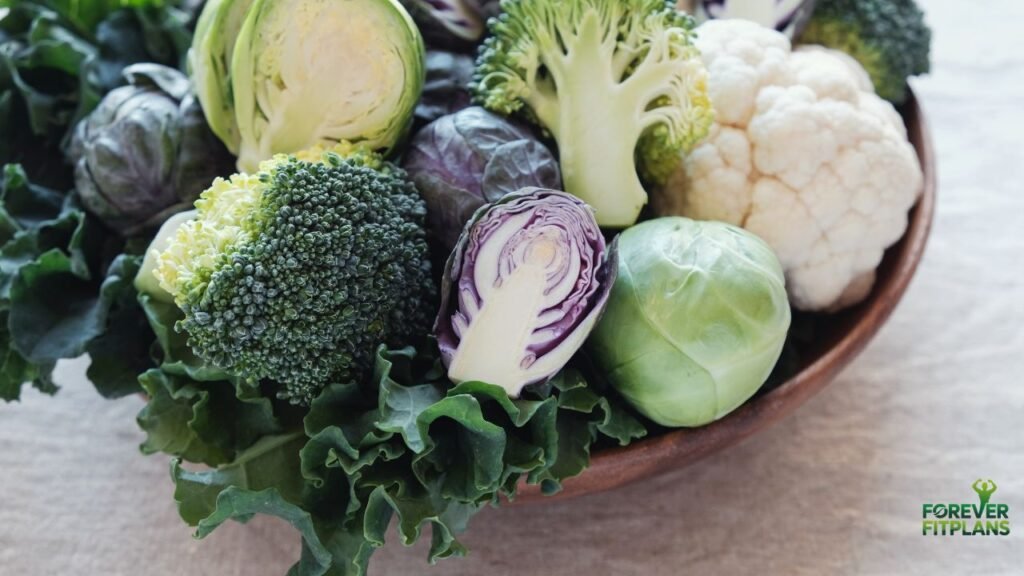
What the study reveals:
- Within seven days, the cabbage soup diet might result in a quick weight loss of three to five kg.
- Water weight and glycogen depletion account for the majority of this loss rather than fat loss.
- When regular eating begins, the weight usually returns.
- The diet is deficient in numerous vitamins, healthy fats, and protein over the long term.
A fair evaluation
As a long-term approach, the cabbage soup diet is not advised. Its fundamental idea, however, is nutritionally sound: focusing meals on high-fiber, high-volume, low-calorie foods like cabbage results in significant calorie restriction without excessive hunger.
A better strategy would be to include a lot of cabbage in a balanced diet that also contains a range of vegetables, good fats, and enough protein. This method provides a long-term, rather than short-term, solution to the question of whether cabbage is beneficial for weight loss.
Best Ways to Eat Cabbage for Weight Loss
Raw Preparations
Coleslaw (no-mayo version):
- Shredded green and red cabbage
- Shredded carrot
- Apple cider vinegar + lemon juice dressing
- Fresh herbs (dill, parsley)
- Tiny amount of olive oil
- Salt, pepper, stevia if sweetness desired. Total: ~50 calories per large serving
Cabbage salad with protein:
- 3 cups of shredded cabbage as the base
- Add any lean protein (tuna, chicken, shrimp, chickpeas)
- Vegetables (cucumber, tomato, bell pepper)
- Light dressing: Total ~300 calories for a complete meal
Cooked Preparations
Cabbage stir-fry:
- Napa or green cabbage with garlic and ginger
- Add any protein
- Soy sauce, sesame oil (minimal)
- Red chili for thermogenic benefit
Stuffed cabbage leaves:
- Large savoy or green cabbage leaves are used instead of pasta or bread
- Fill with seasoned ground turkey or lentils
- Tomato-based sauce
- Significantly lower in calories than traditional stuffed pasta
Cabbage soup:
- Large pot of cabbage with carrots, celery, onion, garlic, canned tomatoes
- Low-sodium broth
- Herbs and spices
- Extremely filling, extremely low calorie — ideal as a pre-meal starter that reduces overall meal calories
Fermented Preparations
Sauerkraut:
- Add 2–3 tablespoons as a condiment to any meal
- Provides probiotics alongside the meal — improving gut bacteria that support weight loss
Kimchi:
- Korean fermented cabbage with chili — provides both probiotics and capsaicin (thermogenic)
- Use as a side dish or add to stir-fries and rice bowls
Cabbage Calories Compared to Common Meal Replacements
| Portion | Calories | Fiber | Protein | Satiety Rating |
| 300g raw cabbage | 75 kcal | 7.5g | 3.9g | ⭐⭐⭐⭐ |
| 2 cups cabbage soup | 80–100 kcal | 6g | 4g | ⭐⭐⭐⭐⭐ |
| Large cabbage salad | 50 kcal base | 7g | 4g | ⭐⭐⭐⭐ |
| 1 cup of pasta | 206 kcal | 2.5g | 7g | ⭐⭐⭐ |
| 1 cup white rice | 206 kcal | 0.6g | 4.3g | ⭐⭐ |
| 1 slice of white bread | 79 kcal | 0.6g | 2.7g | ⭐⭐ |
Potential Downsides of Eating Too Much Cabbage
The answer to the question of whether cabbage is beneficial for weight loss is unquestionably yes, but excessive consumption should be taken into consideration.
- Intestinal gas and bloating are caused by raffinose, a complex sugar found in cabbage that some people are unable to completely digest. To lessen this effect, start with smaller portions and cook the cabbage thoroughly.
- Thyroid-related issues: Goitrogens found in raw cruciferous vegetables have the potential to significantly disrupt the production of thyroid hormones. Cooking cabbage deactivates the majority of goitrogenic chemicals in hypothyroid individuals.
- Drugs that thin the blood: The high vitamin K content of cabbage can interact with warfarin (blood thinners); individuals using anticoagulants should keep up a regular vitamin K intake and speak with their physician.
- Sensitivity to digestion: Cabbage, especially raw cabbage, may make irritable bowel syndrome (IBS) sufferers’ symptoms worse.
In general, these issues only apply to excessive usage. For most people, eating moderate amounts of cabbage on a regular basis is safe and healthful.
Frequently Asked Questions
Is cabbage good for weight loss as a daily food?
Yes — cabbage is excellent as a daily weight loss food. It’s 25 calories per 100g, 92% water content, and 2.5g of fiber per 100g make it one of the most calorie-efficient foods for creating satiety and supporting fat loss. Eating cabbage daily — whether raw in salads, cooked in soups or stir-fries, or fermented as sauerkraut — provides continuous fiber, vitamin C, vitamin K, and gut health benefits that support weight management over time. Most people can safely eat 200–400g of cabbage daily without any negative effects.
How much weight can you lose eating cabbage?
Cabbage itself doesn’t produce weight loss in isolation — the calorie deficit it helps create does. Incorporating cabbage into meals as a high-volume, low-calorie base can reduce daily calorie intake by 200–400 calories without hunger, producing 0.2–0.4 kg of fat loss per week from this dietary change alone. The extreme version — the 7-day cabbage soup diet — can produce 3–5 kg of total loss, but most of this is water weight rather than fat. For sustainable fat loss, the question of whether cabbage is good for weight loss is best answered by treating it as a daily dietary foundation rather than a short-term cleanse.
Is red or green cabbage better for weight loss?
Both are excellent for weight loss, but red/purple cabbage offers additional advantages. Red cabbage contains 10 times more vitamin C than green cabbage and significantly higher concentrations of anthocyanins — antioxidants shown to directly inhibit fat cell formation and reduce fat accumulation. Red cabbage also has more polyphenols and antioxidants overall. For maximum weight loss benefit, use red cabbage in raw preparations (cooking reduces its anthocyanin content) and green cabbage in cooked dishes. Alternating between varieties provides the broadest range of beneficial compounds.
Is cooked or raw cabbage better for weight loss?
Both raw and cooked cabbage support weight loss effectively — but they offer slightly different benefits. Raw cabbage retains more vitamin C, enzymes, and some beneficial compounds that cooking reduces. It also has a lower calorie impact from preparation. Cooked cabbage is easier to digest (reducing gas for sensitive individuals), deactivates goitrogens (better for thyroid health), and is more palatable in larger quantities — meaning you can eat more of it. For weight loss, the best approach is eating both raw in salads and slaws for nutrient density, cooked in soups and stir-fries for volume and variety.
Does sauerkraut help with weight loss more than regular cabbage?
Sauerkraut offers additional weight loss benefits beyond regular cabbage through its probiotic content. The fermentation process creates Lactobacillus bacteria that improve gut microbiome composition — research links a healthier microbiome to better weight management, reduced fat storage, and improved insulin sensitivity. Sauerkraut also contains enzymes and organic acids from fermentation that improve digestive efficiency. The downsides: sauerkraut is higher in sodium than raw cabbage, so it shouldn’t be eaten in very large quantities by those managing blood pressure. Two to three tablespoons of sauerkraut as a daily condiment provides meaningful probiotic benefits alongside your regular cabbage intake.
Can I lose belly fat specifically by eating cabbage?
Cabbage cannot spot-reduce belly fat — no food can. However, cabbage’s specific compounds make it particularly effective at addressing the root causes of abdominal fat accumulation. Sulforaphane and indole-3-carbinol support estrogen metabolism — relevant for hormonal belly fat in women. Fiber improves insulin sensitivity — reducing the insulin-driven abdominal fat storage that affects both men and women. Probiotics from fermented cabbage improve gut health, which research links to visceral fat reduction. And cabbage’s anti-inflammatory compounds reduce the chronic inflammation that promotes insulin resistance and belly fat accumulation. Combined with overall calorie control, regular cabbage consumption supports visible belly fat reduction over 8–12 weeks.
Is the cabbage soup diet safe?
The cabbage soup diet is generally safe for healthy adults for its typical 7-day duration — but it’s nutritionally inadequate for longer periods. The main concerns are insufficient protein (leading to muscle loss), inadequate healthy fat (impairing fat-soluble vitamin absorption), and nutritional monotony that makes it impossible to sustain. The rapid initial weight loss is predominantly water and glycogen, not fat, and this weight typically returns when normal eating resumes. A much better long-term approach to answering the question of whether cabbage is good for weight loss is incorporating cabbage generously into a balanced diet rather than using it as the foundation of a restrictive short-term cleanse.
Conclusion
After examining all the data, the answer to the question of whether cabbage is beneficial for weight loss is a resounding, solid “yes.” Cabbage is low in calories, incredibly high in water content, high in fiber, full of vitamins C and K, full of fat-fighting substances like anthocyanins and sulforaphane, and supports gut health, which is increasingly linked to a healthy body weight in contemporary studies.
Is using cabbage as the main component of an extreme diet beneficial for weight loss? Probably not in the long run—nutritional balance is important. But as a daily dietary foundation, is cabbage beneficial for weight loss? Without a doubt.
Whether raw in salads, cooked in soups and stir-fries, or fermented as sauerkraut and kimchi, adding large amounts of cabbage to your daily meals produces natural calorie restriction without hunger, supports the gut bacteria that control metabolism, provides vitamins that support fat burning, and delivers anti-inflammatory and anti-adipogenic compounds that facilitate physiological fat loss.
In comparison to pricey superfoods and supplements, is cabbage beneficial for weight loss? It is superior in a lot of respects, and it is far less expensive.
Are you prepared to begin? This week, pick up a head of cabbage, preferably both green and red. Instead of using more expensive greens as the base of your next salad, use shredded cabbage. For the week, prepare a large pot of vegetable-cabbage soup. Try using sauerkraut as a condiment every day. When these minor adjustments are applied regularly, they result in significant and long-lasting weight loss.
For more information, read the post from cleaneatzkitchen.

Dr. Daniel Carter is a certified health & wellness writer and fitness lifestyle researcher with over 8 years of experience in nutrition, weight management, sleep health, and preventive care. He is passionate about helping people live healthier, stronger, and more balanced lives through science-backed fitness strategies and easy-to-follow wellness tips.
Through FitForever Plan, Dr. Carter shares practical health advice, workout guidance, and nutrition insights designed to support long-term fitness, sustainable weight loss, and overall well-being. His mission is to make healthy living simple, achievable, and enjoyable for everyone.