Is Matcha Good for Weight Loss? The Honest, Science-Backed Answer You Need to Read
If you have been scrolling through wellness blogs or Instagram lately, you have probably seen matcha everywhere — in lattes, smoothies, energy balls, and even desserts. But beyond the trendy green aesthetic, people are seriously asking: Is matcha good for weight loss? The honest answer is yes — but with important nuance. Matcha is not a magic powder that melts fat overnight.
What it is, though, is one of the most scientifically supported natural tools for boosting metabolism, enhancing fat burning, reducing appetite, and supporting the kind of sustained energy that makes healthy habits easier to maintain. In this article, you will get the full, unfiltered truth about matcha and weight loss — what the research actually says, how much to drink, when to drink it, and exactly how to use it for real results. No hype, no filler — just facts.
You can also read the Japanese diet for weight loss.
What Is Matcha and Why Is It Different from Regular Green Tea?
Before we answer is matcha good for weight loss, it helps to understand what makes matcha unique in the first place, because matcha is not just another green tea. It is in a completely different category.
Regular green tea is made by steeping dried tea leaves in hot water. You get some of the nutrients, but most of the beneficial compounds stay locked inside the leaf and get thrown away with the spent bag. Matcha is different. It is made from shade-grown green tea leaves that are ground into an ultra-fine powder. When you drink matcha, you consume the entire leaf, which means you get the full concentration of every beneficial compound the plant contains.
The result is that matcha delivers:
- Roughly 3 times more EGCG (the most powerful fat-burning antioxidant in green tea) than regular steeped green tea
- Higher levels of L-theanine, an amino acid that promotes calm focus without jitteriness
- More chlorophyll, giving matcha its distinctive bright green color and additional detox benefits
- A more concentrated dose of catechins, the antioxidant family most closely linked to weight loss
This concentration difference is exactly why research on matcha for weight loss shows stronger results than research on regular green tea. You are essentially getting a supercharged version of all the active compounds.
Is Matcha Good for Weight Loss? What the Science Actually Says
Let us get into the real science here, because this is where most wellness articles fall short. Is matcha good for weight loss according to actual research — not just marketing claims?

The short answer is: yes, and here is the solid evidence.
EGCG: The Compound That Makes Matcha a Fat Burner
The most important active compound in matcha for weight loss is EGCG — epigallocatechin gallate. This catechin has been extensively studied, and the research is genuinely impressive.
A landmark study published in the American Journal of Clinical Nutrition found that green tea extract containing EGCG increased 24-hour calorie burning by 4%, and fat oxidation (actual fat burning) by up to 17% during moderate exercise. These effects come directly from EGCG, which matcha provides in high concentrations.
How does EGCG do this? It works by inhibiting an enzyme called catechol-O-methyltransferase (COMT), which normally breaks down norepinephrine — a hormone that signals your body to burn fat. By slowing this enzyme down, EGCG allows norepinephrine to work longer and harder, keeping your fat-burning mechanisms switched on for an extended period. This is the core biological reason why matcha is good for weight loss at the cellular level.
Matcha Boosts Metabolism Without Spiking Your Heart Rate
One of the most frequently asked follow-up questions is whether matcha is good for weight loss: does it just work like caffeine? The answer is no — and this distinction matters enormously.
Caffeine alone raises metabolism by stimulating the central nervous system, but it also raises heart rate and can cause anxiety, jitteriness, and energy crashes. Matcha works differently because of L-theanine, the unique amino acid found in high concentrations in shade-grown matcha leaves.
L-theanine and caffeine work synergistically. The L-theanine moderates the stimulating effects of caffeine, creating what researchers describe as a state of “alert calm” — improved focus and energy without the spike-and-crash pattern of coffee. Studies show that this L-theanine and caffeine combination produces:
- Greater sustained energy than caffeine alone
- Improved fat oxidation compared to caffeine alone
- Better cognitive performance with less anxiety
- Longer-lasting metabolic boost without cardiovascular stress
This combination is one of the main reasons matcha for weight loss is more sustainable and safer than many stimulant-based fat burners on the market.
Matcha Reduces Appetite and Food Cravings
This is an area of matcha’s weight loss benefits that does not get nearly enough attention. Beyond burning fat and boosting metabolism, matcha appears to have meaningful appetite-suppressing effects. Here is how:
First, the combination of caffeine and L-theanine promotes steady, sustained energy, which directly reduces the energy crashes and subsequent cravings that lead many people to overeat throughout the day. When your energy is stable, your brain is less likely to send urgent hunger signals in search of a quick glucose fix.
Second, animal research published in the Appetite journal found that EGCG specifically suppressed appetite by influencing cholecystokinin (CCK) — a gut hormone that signals fullness to the brain. While human trials on this specific mechanism are still ongoing, the preliminary findings support the idea that matcha is good for weight loss through appetite regulation as well as metabolism.
Third, drinking matcha — a warm, flavorful, calorie-free beverage — naturally reduces the drive to snack because it provides oral satisfaction and mild psychological comfort without calories. Replacing a sugary coffee drink or a mid-morning snack with matcha can easily save 200 to 400 calories per day without feeling deprived.
Matcha Improves Exercise Performance and Fat Burning During Workouts
If you exercise as part of your weight loss plan — which you should — matcha for weight loss becomes even more powerful. A study published in the Journal of Nutritional Biochemistry specifically examined matcha’s effects on exercise-induced fat oxidation in women. Participants who consumed matcha before a 30-minute brisk walk burned significantly more fat during the exercise session compared to those who did not.
The researchers concluded that drinking matcha before moderate-intensity exercise enhances fat burning in a statistically meaningful way. Combined with the metabolic boost from EGCG and the sustained energy from L-theanine, matcha before a workout is one of the most effective natural pre-exercise strategies available for weight loss.
Matcha vs. Other Weight Loss Drinks: How Does It Compare?

Many people want to know whether matcha is better than other popular weight loss drinks. Here is a straightforward comparison:
| Drink | Key Active Compound | Metabolism Boost | Appetite Suppression | Calories | Anxiety/Jitters Risk | Overall Weight Loss Score |
| Matcha | EGCG + L-theanine + Caffeine | High | Moderate to High | 3–5 kcal | Very Low | Excellent |
| Regular Green Tea | EGCG (lower dose) | Moderate | Low to Moderate | 2–3 kcal | Very Low | Good |
| Black Coffee | Caffeine only | Moderate | Low | 2 kcal | High | Good |
| Hibiscus Tea | Anthocyanins | Low to Moderate | Low | 37 kcal | None | Moderate |
| Lemon Water | Vitamin C | Minimal | Minimal | 6–10 kcal | None | Low to Moderate |
| Energy Drinks | Caffeine + Sugar | Moderate initially | None | 100–200+ kcal | High | Poor |
| Sugary Lattes | Sugar + Caffeine | Minimal | None | 250–500 kcal | Moderate | Counterproductive |
As this table makes clear, matcha sits at the top of the weight loss drink list for good reason. It delivers the most concentrated package of fat-burning, metabolism-boosting compounds in a nearly calorie-free form — and without the jitteriness or anxiety that makes coffee and energy drinks unsustainable for many people.
How Much Matcha Per Day for Weight Loss?
This is one of the most practical questions people ask after they accept that matcha is good for weight loss. How much do you actually need to drink to see results?
Here is what the research and clinical guidelines suggest:
- Minimum effective dose: 1 cup per day (approximately 1 gram or half a teaspoon of matcha powder)
- Optimal dose for weight loss: 2 to 3 cups per day (2 to 3 grams of matcha)
- Maximum recommended dose: 4 to 5 cups per day — beyond this, caffeine intake may become excessive for some individuals
- Caffeine per cup: approximately 70 to 80mg (compared to 90 to 120mg in a standard coffee)
At 2 to 3 cups per day, you are consuming enough EGCG and catechins to produce measurable metabolic effects according to the clinical research. This translates to roughly 200 to 400mg of catechins and 140 to 240mg of caffeine per day — well within safe ranges for most healthy adults.
People who are pregnant, breastfeeding, sensitive to caffeine, have anxiety disorders, or take certain medications should check with their doctor before drinking matcha daily.
When Is the Best Time to Drink Matcha for Weight Loss?
Timing your matcha strategically can significantly enhance its weight loss effects. Here is the optimal drinking schedule:

Morning (Best Time — On an Empty Stomach or with Breakfast)
Drinking matcha in the morning is ideal for weight loss. It kick-starts your metabolism for the day, provides clean energy without the mid-morning crash common with coffee, and sets a healthy tone for appetite management. The L-theanine prevents the jitteriness that many people experience from morning coffee, making it a genuinely superior morning energy option for most people.
Drink matcha at least 30 minutes before breakfast for maximum fat-burning effect on an empty stomach, or alongside a protein-rich breakfast to moderate any potential caffeine sensitivity.
30 to 45 Minutes Before Exercise
This is the timing that research most directly supports for fat burning. Drinking matcha 30 to 45 minutes before moderate-intensity exercise has been shown to significantly enhance fat oxidation during the workout. Whether you are going for a walk, doing yoga, lifting weights, or doing cardio, matcha before exercise is one of the simplest evidence-based strategies for burning more fat per session.
Mid-Morning or Early Afternoon
A second cup of matcha in the late morning or early afternoon (before 2 PM, ideally) serves as an excellent replacement for sugary snacks, sugary coffees, or energy drinks. It maintains metabolism, prevents the post-lunch energy slump, and keeps appetite under control through the afternoon — the window when most people are most vulnerable to cravings and poor food choices.
What Time to Avoid
Avoid matcha after 3 to 4 PM if you are sensitive to caffeine. The caffeine in matcha has a half-life of approximately 5 to 6 hours, meaning half of it is still in your system 5 to 6 hours after drinking. Evening matcha can interfere with sleep quality — and poor sleep is one of the most powerful drivers of weight gain, as it disrupts the hunger hormones leptin and ghrelin.
How to Prepare Matcha for Weight Loss: The Right Way
Not all matcha preparations are equal when it comes to weight loss. Here is how to get the most out of your matcha:

Traditional Matcha (Best for Weight Loss)
This is the purest, most effective preparation:
- Sift 1 teaspoon (2 grams) of ceremonial or premium-grade matcha into a bowl or cup to remove lumps
- Add 2 to 3 ounces of hot water (around 80°C or 175°F — not boiling, which destroys beneficial compounds)
- Whisk vigorously in a W or M motion until frothy — ideally using a traditional bamboo whisk (chasen)
- Drink as is or add a small amount of unsweetened oat milk or almond milk
Zero calories. Full EGCG content. Maximum weight loss benefit.
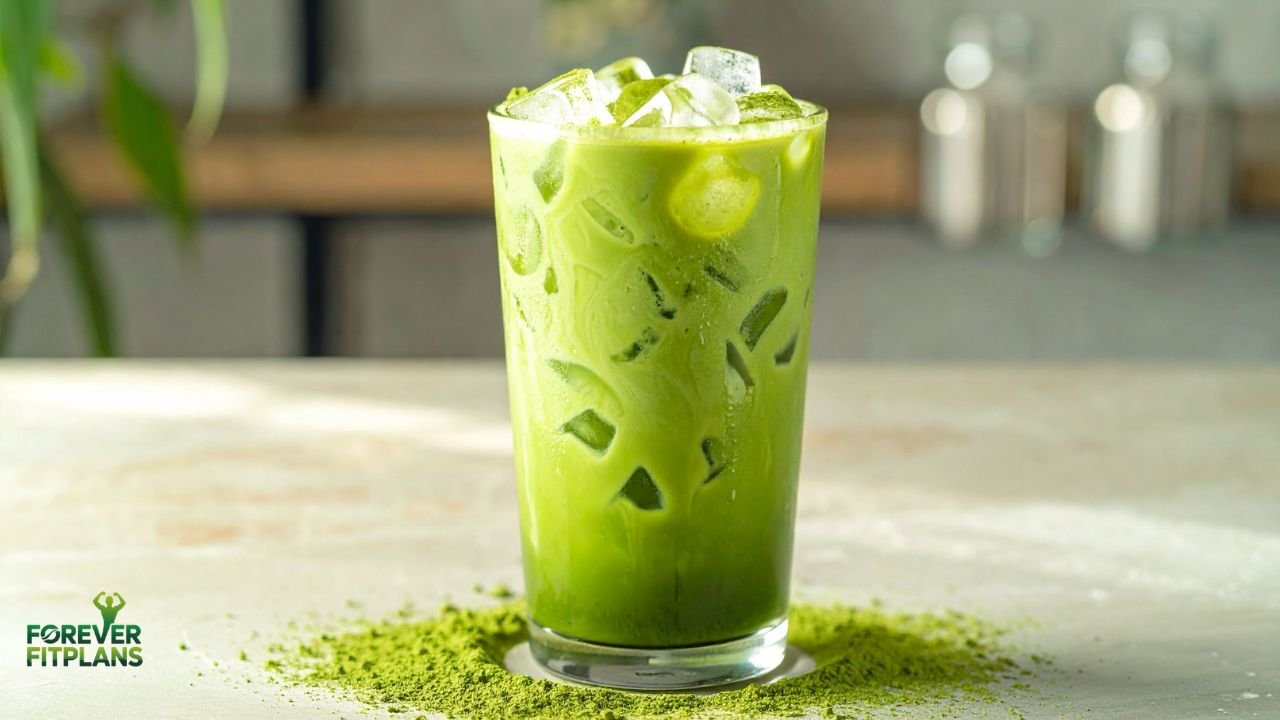
Matcha Latte (Good for Weight Loss)
- 1 teaspoon matcha powder
- 2 ounces hot water, whisked
- 6 ounces of steamed unsweetened oat milk, almond milk, or coconut milk
- Optional: a few drops of liquid stevia
This version is still excellent for weight loss as long as you do not add sugar or use full-fat milk in large quantities. Keep total calories under 60 to 80 per cup.
Matcha Smoothie (Good for Breakfast)
- 1 teaspoon matcha powder
- 1 cup unsweetened almond milk
- Half a frozen banana
- A handful of spinach
- 1 tablespoon almond butter
- Ice
Blended, this creates a filling, metabolism-boosting breakfast that delivers matcha’s full weight loss benefits alongside protein and fiber.
What to Avoid
- Matcha with sugar or honey — even a tablespoon of honey adds 60 calories and a blood sugar spike that partially negates matcha’s fat-burning effects
- Sweetened matcha lattes from cafes — many contain 30 to 40 grams of sugar and 300 to 500 calories, making them counterproductive for weight loss
- Low-quality culinary-grade matcha — it contains lower concentrations of EGCG and catechins, often tastes bitter, and is less effective for weight loss benefits
What Grade of Matcha Is Best for Weight Loss?
Not all matcha is created equal, and the grade you choose affects both the taste and the weight loss effectiveness significantly.
| Matcha Grade | EGCG Content | Taste | Best Used For | Price Range |
| Ceremonial Grade | Highest | Smooth, slightly sweet | Drinking plain or in lattes | Higher |
| Premium Grade | High | Balanced, mild | Daily drinking, lattes, smoothies | Moderate |
| Culinary Grade | Moderate | Bitter, earthy | Baking, cooking, flavoring | Lower |
| Blended/Commercial | Variable (often low) | Often bitter or bland | Not recommended for weight loss | Lowest |
For weight loss purposes, premium grade is the best value — high enough in EGCG to deliver real metabolic benefits, but more affordable than ceremonial grade for daily use. Look for matcha that is:
- Bright, vibrant green in color (dull, yellowish-green indicates poor quality or old stock)
- Sourced from Japan — specifically Uji (Kyoto), Nishio (Aichi), or Kagoshima regions
- Packaged in airtight, light-blocking containers
- Ideally, certified organic to minimize pesticide exposure
- Free from fillers, additives, or added flavoring
Matcha and Weight Loss: Realistic Expectations
Here is the truth about what matcha can and cannot do for your weight loss journey — because managing expectations is part of helping you succeed.
What matcha realistically does:
- Increases your daily calorie burn by approximately 4 to 5% through thermogenesis
- Enhances fat oxidation during exercise by up to 17%
- Reduces hunger and cravings when used consistently
- Provides clean, sustained energy that makes it easier to exercise and stay active
- Replaces high-calorie drinks and snacks, creating a passive calorie deficit
- Supports better mood and focus, making healthy choices feel less difficult
What matcha cannot do:
- Compensate for a consistently poor diet
- Eliminate the need for physical activity
- Produce dramatic, rapid weight loss on its own
- Replace medically prescribed weight loss treatment
- Override a large daily calorie surplus
Think of matcha for weight loss as a powerful supporting player — not the lead actor. Combined with a nutritious diet, regular physical activity, adequate sleep, and stress management, matcha meaningfully accelerates your results. Used alone while maintaining unhealthy habits, the effects will be minimal.
Realistic weight loss contribution from matcha alone, without other changes: approximately 2 to 3 pounds over 3 months.
Realistic weight loss contribution from matcha as part of a comprehensive healthy lifestyle: significantly greater, as matcha supports every other component of the weight loss process.
Frequently Asked Questions
Is matcha good for weight loss even if I am not exercising?
Yes, matcha provides metabolic benefits even without exercise — primarily through thermogenesis and mild appetite suppression. Studies have shown that matcha increases calorie burning at rest by around 4%, which over a day adds up to approximately 60 to 100 additional calories burned, depending on your baseline metabolic rate. That said, the strongest evidence for matcha’s fat-burning effects comes from studies that combined matcha consumption with moderate exercise. If you can add even 30 minutes of walking daily, the weight loss effects of matcha are significantly amplified. Exercise and matcha together are genuinely synergistic.
How long does it take to see weight loss results from drinking matcha?
Most people begin to notice subtle effects — reduced cravings, more stable energy, less afternoon snacking — within the first 1 to 2 weeks of consistent matcha consumption. Measurable changes in body composition from matcha’s metabolic effects typically take 4 to 12 weeks to appear. Research studies that showed significant body composition changes used 12-week intervention periods. Think of matcha as a long-term metabolic investment rather than a quick fix. Drinking 2 cups daily for 3 months consistently will produce noticeably better results than drinking it sporadically.
Is matcha better than coffee for weight loss?
For weight loss specifically, matcha has several advantages over coffee. First, matcha contains EGCG — a compound that directly stimulates fat oxidation, which caffeine alone does not do. Second, matcha’s L-theanine prevents the anxiety and energy crashes associated with coffee, making it more sustainable. Third, matcha is less likely to disrupt sleep when consumed in the morning and early afternoon, and good sleep is essential for weight management. Coffee is not without metabolic benefits — caffeine does boost metabolism — but matcha provides a broader, more balanced package of weight loss support. Most nutrition experts would say matcha is a superior choice for weight loss, specifically.
Can matcha reduce belly fat?
Research suggests that EGCG from green tea and matcha has a particular affinity for reducing visceral fat — the dangerous abdominal fat that surrounds internal organs. A 12-week randomized controlled trial published in the Journal of Functional Foods found that participants who consumed green tea catechins (the key component in matcha) showed significantly greater reductions in waist circumference and belly fat than the control group. The mechanism relates to EGCG’s ability to inhibit fat cell differentiation and promote fat cell breakdown, particularly in abdominal adipose tissue. So yes — matcha for weight loss is particularly relevant for people targeting belly fat reduction.
Does matcha work for weight loss without changing your diet?
Matcha will produce some metabolic benefits regardless of diet, but the results will be limited if the rest of your eating habits work against you. Here is a realistic example: if you currently drink two sugary lattes per day and switch them for plain matcha, you could easily save 400 to 600 calories daily, which alone would produce meaningful weight loss over weeks without any other changes. That simple swap represents both matcha’s weight loss benefit and a dietary change simultaneously. Matcha works best as part of a coherent, healthy eating strategy, even a modest one. Think of it as the multiplier that makes everything else work better.
Is it safe to drink matcha every day for weight loss?
For most healthy adults, yes — drinking 2 to 3 cups of matcha per day long-term is safe. The World Health Organization has concluded that green tea consumption of up to 1,200mg of catechins daily is safe for healthy adults. Two cups of matcha deliver approximately 400 to 600mg of catechins, well within this range. The main caution is caffeine sensitivity — people who are sensitive to caffeine may experience anxiety, insomnia, or digestive discomfort at higher doses. Pregnant women should limit caffeine intake to under 200mg daily and should consult their doctor. People with liver conditions should also seek medical advice, as very high doses of green tea extract supplements (different from drinking matcha) have been linked to rare liver complications.
What does matcha taste like, and how do I make it less bitter?
High-quality matcha tastes smooth, slightly grassy, mildly sweet with a pleasant umami depth — and only subtly bitter when prepared correctly. If your matcha tastes very bitter, one of three things is likely happening: the water is too hot (use water at 80°C/175°F, not boiling), the matcha is low quality or old (look for bright green color, not dull olive), or you are using too much powder. For weight loss purposes, do not use sweeteners like sugar or flavored syrups to cover bitterness — this adds unnecessary calories. Instead, choose a higher quality matcha, use cooler water, and start with a smaller amount (half a teaspoon) until you develop a taste for it.
Conclusion
After reviewing all the evidence, the answer to is matcha good for weight loss is a clear and confident yes — when used correctly and consistently. Matcha delivers a unique combination of EGCG, L-theanine, and caffeine that works synergistically to boost metabolism, enhance fat burning during exercise, reduce appetite, stabilize energy, and replace calorie-dense drinks with something genuinely healthy. The science is not hype — it is published research in respected journals, replicated across multiple studies, with consistent findings pointing in the same direction.
Matcha is good for weight loss not because it is magical, but because it is genuinely exceptional at doing several things simultaneously that matter for weight management: raising metabolic rate, enhancing fat oxidation, supporting exercise performance, and reducing cravings. No other single beverage does all of this as cleanly, safely, and sustainably.
Here is what to do next: start with one cup of quality premium-grade matcha in the morning for one week. Notice how your energy feels, how your cravings behave, and how you feel before and after exercise. Then add a second cup before your workout or mid-morning. Give it 8 to 12 weeks of consistency and pair it with sensible eating and regular movement.
Matcha is not the entire answer to weight loss. But it might just be the best daily tool you have not been using yet.
Medical Disclaimer: This article is for informational purposes only and does not constitute medical advice. Consult a qualified healthcare provider before making significant changes to your diet or starting any weight loss program, particularly if you have existing health conditions or are taking medications.
For more information, you can read the post from health.

Dr. Daniel Carter is a certified health & wellness writer and fitness lifestyle researcher with over 8 years of experience in nutrition, weight management, sleep health, and preventive care. He is passionate about helping people live healthier, stronger, and more balanced lives through science-backed fitness strategies and easy-to-follow wellness tips.
Through FitForever Plan, Dr. Carter shares practical health advice, workout guidance, and nutrition insights designed to support long-term fitness, sustainable weight loss, and overall well-being. His mission is to make healthy living simple, achievable, and enjoyable for everyone.