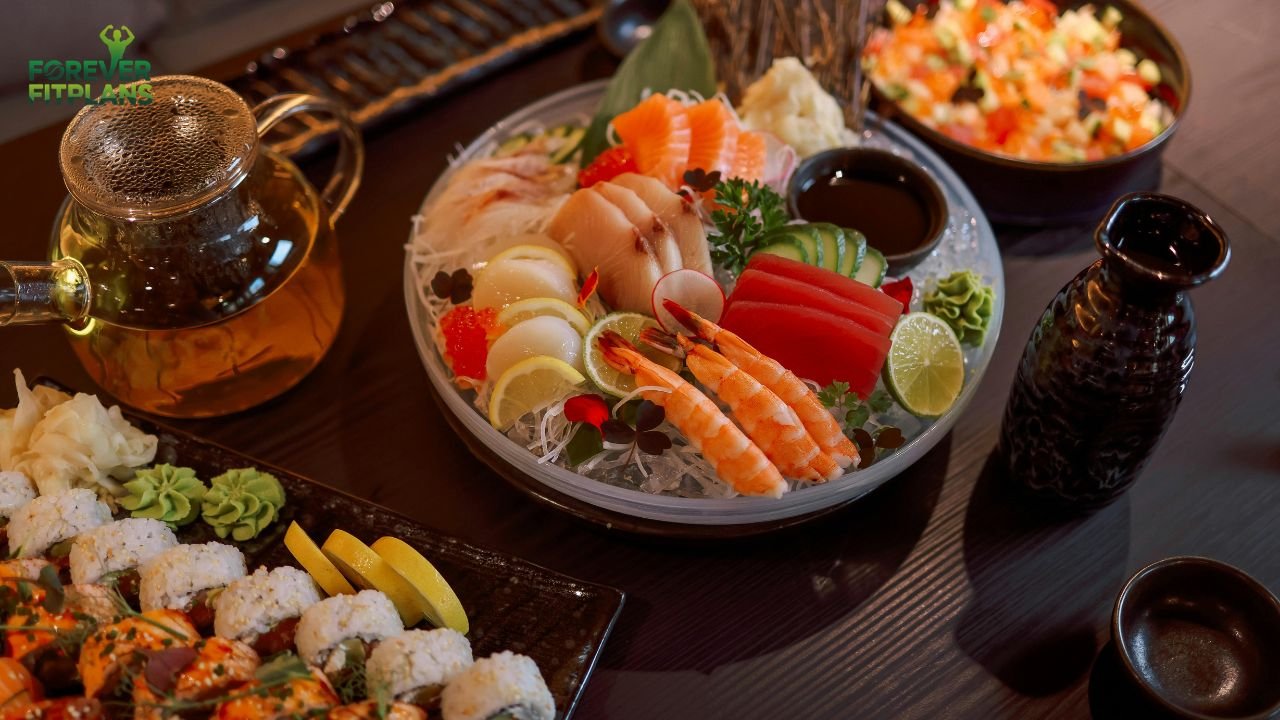
Japanese Diet for Weight Loss: The Ancient Eating Secret That Actually Works
Have you ever wondered why Japan has one of the lowest obesity rates in the world? The answer lies in something most people overlook — the way Japanese people eat. The Japanese diet for weight loss is not a crash diet, a calorie-counting system, or a trendy 30-day challenge. It is a complete food philosophy built over centuries that naturally keeps the body lean, energized, and healthy.
Japanese people eat real food, in smaller portions, with deep cultural mindfulness — and the results speak for themselves. Japan’s obesity rate hovers around just 4%, compared to over 36% in the United States. In this article, you will learn exactly what the Japanese diet for weight loss looks like, why it works, what foods are at its core, and how you can start applying its principles today — no extreme rules required.
Also read How to make hibiscus tea for weight loss?
What Is the Japanese Diet for Weight Loss?
There is no defined meal plan that you must adhere to for a predetermined number of weeks when following the Japanese diet for weight loss. It is a customary eating style that has developed organically over thousands of years in Japan. It is fundamentally based on eating modest, balanced portions of whole, minimally processed foods (mostly fish, rice, vegetables, fermented foods, and green tea) while paying careful attention to hunger and fullness.
The lack of restrictive mentality is what distinguishes the Japanese diet for weight loss from the Western diet culture. There are no guilt cycles, no forbidden foods, and no drastic calorie reductions. Rather, there is a cultural framework that makes eating healthily seem normal and uncomplicated.
The following are the main tenets of the Japanese diet:
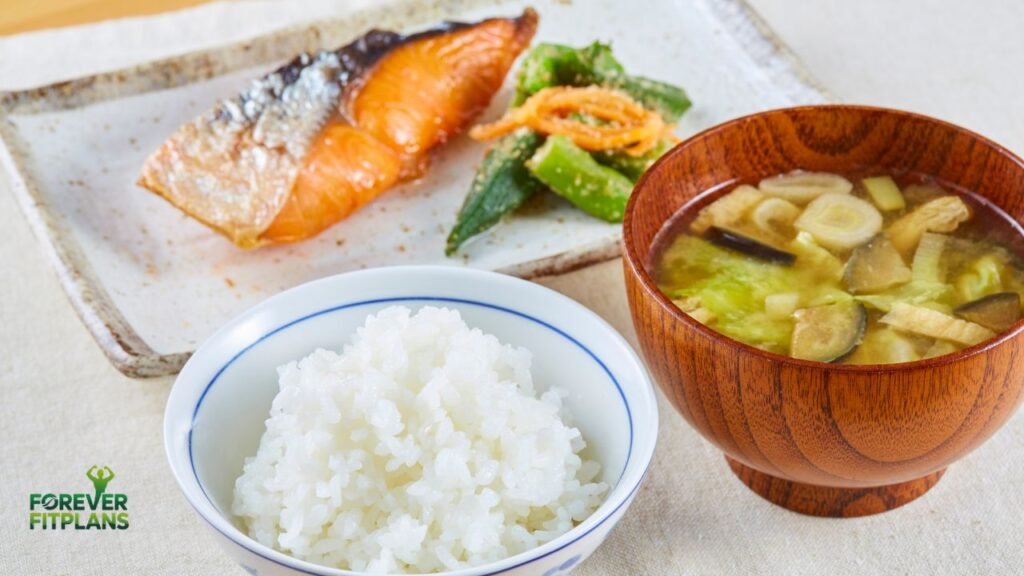
- Ichiju Sansai is a typical Japanese meal consisting of one soup and three sides.
- Eating until you are 80% full rather than 100% full is known as Hara Hachi Bu.
- Shokuiku: food education and the notion that food serves as both pleasure and medicine
- Very little processing—the majority of goods are consumed almost exactly as they are
- Eating seasonally means emphasizing locally grown, in-season produce.
These are not strict guidelines. Together, these cultural practices—which eventually become second nature—create a manner of eating that promotes a healthy weight without feeling at all like a diet.
Why the Japanese Diet for Weight Loss Actually Works
The science behind the Japanese diet for weight loss is solid. Let us look at why this approach leads to sustainable, natural weight management without the suffering most diets involve.
It Is Naturally Low in Calories Without Feeling Restrictive
The average Japanese person consumes significantly fewer calories per day than the average American or European — not because they are deliberately restricting food, but because the foods they eat are naturally lower in calorie density. A bowl of miso soup, steamed fish, rice, pickled vegetables, and a small salad delivers complete nutrition with far fewer calories than a burger, fries, and a soda. The Japanese diet for weight loss works in part because it replaces calorie-dense, nutrient-poor processed foods with nutrient-dense whole foods that fill you up on fewer calories.
Portion Size Is Naturally Smaller
In Japan, food is served in smaller, individual dishes rather than large family-style servings. This visual presentation naturally reduces how much people eat. Research shows that people eat more when food is served in larger containers or portions — a phenomenon called the “unit bias.” The Japanese practice of small, beautiful dishes directly counteracts this tendency and is a powerful, practical driver of the Japanese diet’s weight loss results.
The 80% Rule Prevents Overeating at Its Source
Hara Hachi Bu — the Confucian teaching to eat until 80% full — is one of the most scientifically intelligent eating practices ever developed. Here is the biology behind it: your stomach sends fullness signals to your brain, but those signals take approximately 15 to 20 minutes to arrive. If you eat until you feel full, you have already overeaten by the time your brain registers satisfaction. Stopping at 80% means stopping when your brain will soon register as completely satisfied. Over a lifetime, this small habit prevents thousands of excess calories from being consumed.
High Fiber and Low Sugar Keep Blood Sugar Stable
The Japanese diet for weight loss is rich in dietary fiber from vegetables, seaweed, whole grains, and fermented foods. Fiber slows digestion, which means glucose is released into the bloodstream gradually rather than in spikes. Stable blood sugar is one of the most important factors in controlling hunger, reducing cravings, and preventing the kind of energy crashes that lead to overeating. At the same time, the Japanese diet is naturally low in added sugars compared to Western diets — another factor that stabilizes energy and reduces fat storage.
Fish-Forward Protein Supports Metabolism and Muscle
Protein is one of the most important macronutrients for weight management. It reduces appetite, supports muscle preservation during weight loss, and has a high thermic effect — meaning your body burns more calories digesting protein than it does digesting fat or carbohydrates. The Japanese diet for weight loss is naturally high in protein from fish and seafood, which provides lean, high-quality protein along with omega-3 fatty acids that reduce inflammation and support fat burning.
Core Foods in the Japanese Diet for Weight Loss
Understanding which foods power the Japanese diet weight loss approach helps you apply the principles practically. Here are the nutritional heroes of traditional Japanese eating:
Fish and Seafood
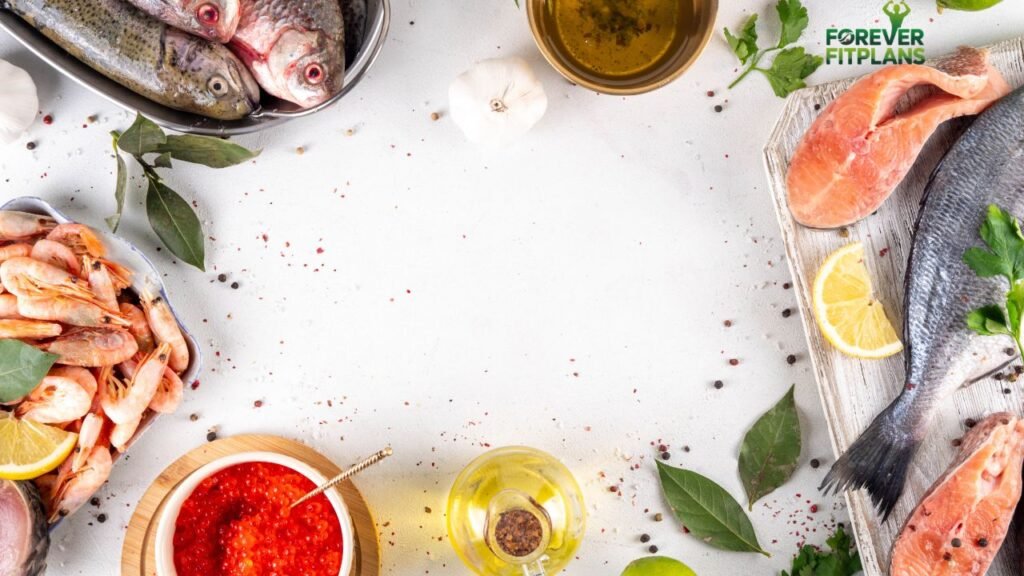
Japan consumes more fish per capita than almost any other country. Fish like salmon, mackerel, tuna, and sardines are rich in omega-3 fatty acids, high-quality protein, and vitamin D. Omega-3s have been shown to reduce visceral fat (the dangerous belly fat that surrounds organs), improve insulin sensitivity, and reduce the inflammation that contributes to weight gain and metabolic disorders. Fish is eaten at virtually every Japanese meal — breakfast included — and this consistent intake is a significant driver of the Japanese diet’s weight loss benefits.
Rice
White rice is a staple of the Japanese diet, and many people are surprised to learn this given how low-carb culture has demonized rice in recent years. Here is the nuance: Japanese people eat shorter portions of rice than Westerners assume, and they eat it alongside high-fiber, high-protein foods that reduce its glycemic impact. Rice in the Japanese context is filling, satisfying, and naturally low in fat. It is not the enemy — it is a clean, simple carbohydrate that provides energy without excess calories when portioned correctly.
Miso and Fermented Foods
Miso soup is eaten at most Japanese meals, often for breakfast. It is made from fermented soybeans and provides probiotics — beneficial bacteria that support gut health. A healthy gut microbiome is increasingly linked to healthy weight management because gut bacteria influence how efficiently the body extracts and stores calories from food. Miso also contains protein, B vitamins, and antioxidants. Other fermented foods in the Japanese diet include natto (fermented soybeans), tsukemono (pickled vegetables), and soy sauce — all of which support digestive health and contribute to the Japanese diet for weight loss results.
Vegetables and Seaweed
The Japanese diet includes an enormous variety of vegetables, both cooked and pickled. Common choices include edamame, daikon radish, bamboo shoots, burdock root, lotus root, and sweet potato. Seaweed — particularly wakame, nori, and kombu — is a nutritional powerhouse that provides iodine (essential for thyroid function and metabolism), fiber, minerals, and almost zero calories. Seaweed is particularly helpful for weight loss because it is extremely filling for its calorie content and contains compounds called fucoxanthins that may promote fat burning.
Green Tea (Matcha and Sencha)
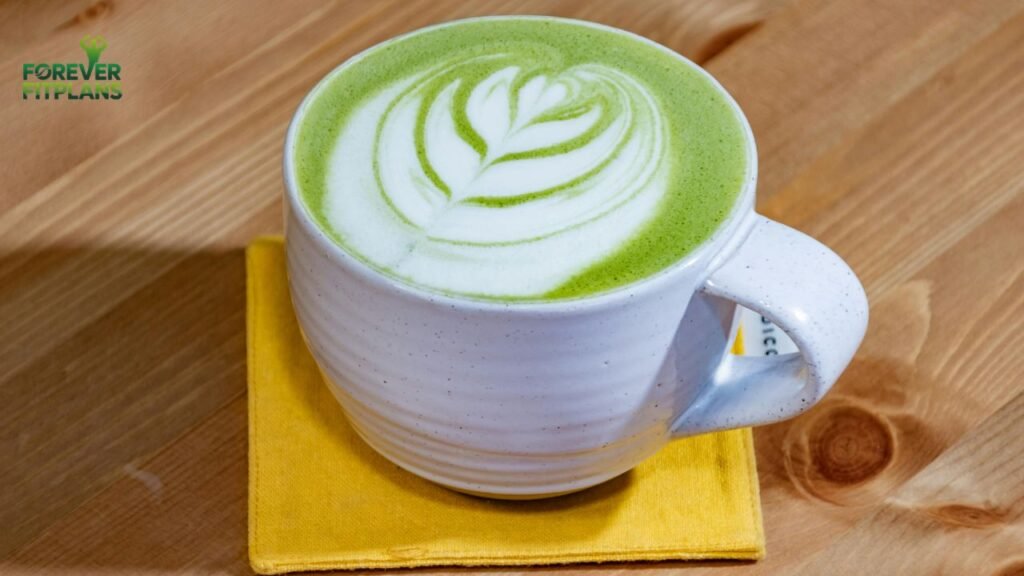
Green tea is consumed multiple times per day in Japan, and it is one of the most scientifically validated natural weight loss aids available. Green tea contains EGCG (epigallocatechin gallate), a catechin that boosts metabolism and promotes fat oxidation. Studies have shown that regular green tea consumption increases calorie burning by 4 to 5% and fat burning by up to 17% specifically. Replacing sugary drinks, sodas, and calorie-laden coffees with green tea is one of the most impactful and immediately actionable changes you can make when adopting the Japanese diet for weight loss.
Tofu and Soy
Tofu is a staple protein source in Japan, made from soybean curds. It is low in calories (around 70 calories per 100g), high in protein (8g per 100g), and contains all essential amino acids. Tofu is incredibly versatile — it can be grilled, added to soups, eaten cold with toppings, or stir-fried with vegetables. Soy-based foods also contain isoflavones, plant compounds that have been linked to improved insulin sensitivity and reduced body fat in multiple studies.
The Japanese Diet for Weight Loss: Complete Food Guide
Here is a quick reference table to understand what to eat more of, what to eat in moderation, and what to minimize when following the Japanese diet for weight loss:
| Category | Eat Freely | Eat in Moderation | Minimize |
| Protein | Fish, seafood, tofu, edamame | Chicken, eggs, lean pork | Red meat, processed meats |
| Carbohydrates | White rice (small portions), soba noodles | Udon noodles, sweet potato | White bread, pastries, sugary snacks |
| Vegetables | All vegetables, seaweed, mushrooms | Corn, peas | Fried vegetables |
| Beverages | Green tea, water, miso broth | Sake (occasionally) | Sugary drinks, soda, juice |
| Fats | Oily fish (omega-3), small amounts of sesame oil | Avocado, nuts | Butter, cream, and deep-fried foods |
| Fermented Foods | Miso, natto, tsukemono, soy sauce | Yogurt | Processed, pasteurized versions |
| Condiments | Wasabi, ginger, ponzu, dashi | Low-sodium soy sauce | Mayonnaise, sugary sauces |
A Day of Eating on the Japanese Diet for Weight Loss
What does a typical day actually look like on the Japanese diet? Here is a realistic, practical example:
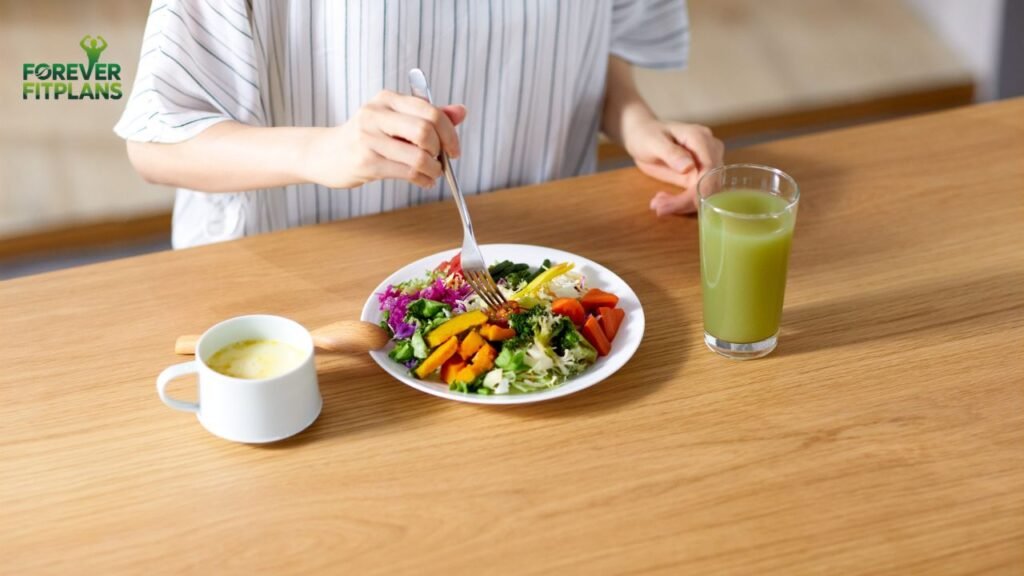
Breakfast — Traditional Japanese Morning Meal
- A small bowl of steamed white rice
- A cup of miso soup with tofu and wakame seaweed
- A piece of grilled fish (salmon or mackerel)
- A small dish of pickled vegetables (tsukemono)
- A cup of green tea
This breakfast is warm, satisfying, protein-rich, and naturally anti-inflammatory. It sets steady blood sugar for the morning and prevents the mid-morning hunger crash that comes from sugary cereals or pastries.
Lunch — Light, Balanced, and Colorful
- A bowl of soba noodles in dashi broth with tofu, spring onion, and nori
- A small side salad with sesame dressing
- Green tea or water
Soba noodles (made from buckwheat) are higher in fiber and protein than regular wheat noodles, making them a better blood sugar choice. This lunch is light enough to avoid afternoon sluggishness but filling enough to prevent snacking.
Dinner — The Main Event, Still Portion-Controlled
- Grilled fish or teriyaki chicken (small portion)
- Steamed or stir-fried vegetables (broccoli, spinach, mushrooms, daikon)
- A small bowl of rice
- Miso soup
- Green tea
Notice that even dinner is not a large, heavy meal. Everything is portioned carefully and presented beautifully — because in Japanese culture, how food looks is almost as important as how it tastes, and this mindfulness naturally slows eating and improves satisfaction.
Snacks (If Needed)
- A small piece of fruit
- Edamame (steamed soybeans with a pinch of salt)
- A few rice crackers with green tea
- A small serving of mochi (occasionally)
Key Japanese Diet Principles You Can Apply Starting Today
The Japanese diet can help you lose weight without requiring you to completely revamp your kitchen. The following are the most effective guidelines that you may put into practice right away:
- Replace sugary drinks with green tea; just one adjustment lowers caloric intake and increases metabolism.
- Use smaller bowls and plates; visual portion management is simple and very successful.
- Miso soup is a hearty, satisfying, low-calorie, and gut-healthy addition to one meal each day.
- Eat fish at least twice a week; the easiest possibilities are salmon, mackerel, or sardines.
- Practice Hara Hachi Bu: wait ten minutes after setting down your fork when you are 70–80% pleased.
- Incorporate a fermented food every day; sauerkraut, kimchi, yogurt, and miso all promote gut health and weight control.
- Eat carefully and away from devices; studies have repeatedly shown that eating while preoccupied increases calorie intake by 30 to 50%.
- Seaweed is very nutritious, nearly calorie-free, and readily available in most stores. Add it to salads or soups.
Japanese Diet for Weight Loss vs. Other Popular Diets
How does the Japanese diet compare to other popular approaches?
| Diet | Sustainability | Weight Loss Speed | Hunger Levels | Long-Term Health Impact |
| Japanese Diet | Very High | Gradual, Steady | Low | Excellent |
| Keto Diet | Moderate | Fast initially | Moderate to High | Mixed (long-term data limited) |
| Intermittent Fasting | Moderate to High | Moderate | High initially | Good |
| Mediterranean Diet | High | Gradual, Steady | Low | Excellent |
| Calorie Counting | Low to Moderate | Variable | High | Depends on food quality |
| Paleo Diet | Moderate | Moderate | Low to Moderate | Good |
The Japanese diet for weight loss stands out for its exceptional long-term sustainability, minimal hunger, and outstanding health outcomes. This is not surprising when you consider that Japan consistently ranks among the top countries for life expectancy — and that diet is the single most important factor in healthy longevity.
Frequently Asked Questions
How much weight can you lose on the Japanese diet?
Weight loss on the Japanese diet is gradual and sustainable — most people lose 1 to 2 pounds per week when consistently following its principles. This may sound slower than crash diets, but the weight lost is more likely to stay off permanently. Unlike restrictive diets that lead to rebound weight gain, the Japanese diet creates lasting changes in eating behavior. Over 3 to 6 months, weight losses of 15 to 30 pounds are realistic for people who are significantly overweight.
Is the Japanese diet difficult to follow?
Not if you approach it as a gradual lifestyle shift rather than a strict rulebook. Start with the easiest changes — swap one meal per day for a Japanese-inspired version, add miso soup to your routine, replace sugary drinks with green tea, and practice eating more slowly. Over a few weeks, these habits become natural and you build on them organically. The Japanese diet for weight loss is one of the most sustainable approaches precisely because it does not require extreme restriction.
Can I eat rice on the Japanese diet and still lose weight?
Yes. White rice is a staple of the Japanese diet, and Japanese people are among the leanest in the world. The key is portion size and what you eat rice with. Japanese rice portions are typically small (around half a cup per meal), and rice is always eaten alongside protein, vegetables, and fiber-rich sides that reduce its overall glycemic impact. When portioned correctly as part of a balanced meal, rice supports rather than hinders weight loss.
Is green tea really effective for weight loss?
Yes, and the science is strong. Green tea contains EGCG (epigallocatechin gallate), a catechin that has been shown in multiple clinical trials to boost metabolism by 3 to 5% and increase fat oxidation during exercise by up to 17%. Drinking 3 to 4 cups of green tea per day provides a meaningful metabolic boost while delivering zero calories and powerful antioxidants. It is one of the simplest and most evidence-backed components of the Japanese diet for weight loss.
What is Hara Hachi Bu, and does it work for weight loss?
Hara Hachi Bu is the Japanese practice of eating until you are 80% full rather than completely full. It works because your brain’s fullness signals lag behind your stomach by 15 to 20 minutes — by the time you feel full, you have already overeaten. Stopping at 80% gives your satiety signals time to catch up, preventing consistent overconsumption. Over weeks and months, this practice can reduce daily calorie intake by 200 to 500 calories without any sense of deprivation. It is one of the most powerful and natural weight management tools in the Japanese diet.
Can vegetarians or vegans follow the Japanese diet for weight loss?
Absolutely. While fish is a central part of traditional Japanese eating, the diet is already very plant-forward. Tofu, edamame, miso, natto, seaweed, rice, and vegetables form a complete, nutritious, and naturally weight-loss-supporting diet without any fish or meat. Vegans should ensure they get adequate vitamin B12 (from fortified foods or supplements, since natto provides some), and complete their protein by combining tofu, edamame, and various plant sources throughout the day.
How long does it take to see results on the Japanese diet?
Most people notice improved energy, reduced bloating, and better digestion within the first 1 to 2 weeks — especially after reducing processed foods and sugary drinks. Visible weight loss typically begins in weeks 2 to 4 as the body adjusts to lower calorie intake and improved metabolism. By 2 to 3 months of consistent practice, the Japanese diet for weight loss produces meaningful, noticeable changes in body composition that continue to improve over time.
Conclusion
The Japanese weight-loss regimen is not a passing trend. It is not a ruse. For generations, one of the greatest populations in the world has remained thin, healthy, and long-lived because of this tried-and-true, scientifically validated diet. The guidelines are straightforward: drink green tea, eat real, whole foods in smaller portions, incorporate fish and fermented foods frequently, stop eating before you feel full, and give each meal your full attention.
In today’s world of crash diets and unsustainable eating regimens, the Japanese diet is extremely beneficial for weight loss since it works with your body rather than against it. Starvation, remorse, and lists of forbidden foods that make you seek things you can not have do not exist. There is just a more intelligent, attentive, and wholesome way to eat, and it also naturally results in good weight loss outcomes.
Begin modestly. Make miso soup for breakfast tomorrow. Green tea can be used in place of a sweet beverage. Tonight for dinner, use a smaller bowl. Practice asking yourself if you are really still hungry midway through your meal. The Japanese diet for weight loss produces the long-lasting effects that most diets claim but few provide through these minute changes, which are compounded every day over weeks and months. Stricter diets do not conceal your healthiest self. It could be waiting in a cup of green tea and a bowl of miso soup.
Medical Disclaimer: This article is for informational purposes only and is not a substitute for professional medical or nutritional advice. Always consult a qualified healthcare provider before making significant changes to your diet, especially if you have existing health conditions.
For more information, read the blog from Healthline.

Dr. Daniel Carter is a certified health & wellness writer and fitness lifestyle researcher with over 8 years of experience in nutrition, weight management, sleep health, and preventive care. He is passionate about helping people live healthier, stronger, and more balanced lives through science-backed fitness strategies and easy-to-follow wellness tips.
Through FitForever Plan, Dr. Carter shares practical health advice, workout guidance, and nutrition insights designed to support long-term fitness, sustainable weight loss, and overall well-being. His mission is to make healthy living simple, achievable, and enjoyable for everyone.