PCOS Weight Loss Diet Plan for Beginners: The Complete Guide to Losing Weight and Balancing Your Hormones Naturally
If you have been diagnosed with PCOS and feel like weight loss is an uphill battle no matter how hard you try, you are not imagining it — and you are absolutely not alone. Polycystic ovary syndrome affects roughly 1 in 10 women of reproductive age worldwide and makes losing weight genuinely harder than it is for women without the condition.
But here is the encouraging truth: a well-structured PCOS weight loss diet plan for beginners can produce meaningful, sustainable results even when nothing else has seemed to work. The right food choices directly address the hormonal imbalances that drive PCOS weight gain — particularly insulin resistance — making weight loss possible without extreme restriction or exhausting exercise regimens. This complete guide will walk you through everything a beginner needs to know to start eating for PCOS today, including what to eat, what to avoid, sample meal plans, and the science behind why it works.
Also see the Lazy Girl Weight Loss Method That Actually Works.
What Is PCOS and Why Does It Make Weight Loss So Hard?
Before diving into the PCOS weight loss diet plan for beginners, it is essential to understand what is actually happening in your body — because PCOS weight gain is not simply a matter of eating too much or moving too little.
PCOS is a hormonal disorder characterized by elevated androgens (male hormones like testosterone), irregular or absent menstrual cycles, and the presence of multiple small follicles on the ovaries. But the factor that most directly sabotages weight loss is insulin resistance — present in up to 70% of women with PCOS.
Understanding Insulin Resistance in PCOS
Insulin is the hormone your pancreas releases to help cells absorb glucose from the bloodstream for energy. When cells become resistant to insulin, the pancreas compensates by producing more and more of it. High insulin levels cause several problems that make weight loss extremely difficult:
- Excess insulin signals the body to store fat — particularly around the abdomen
- High insulin stimulates the ovaries to produce more testosterone, worsening PCOS symptoms
- Elevated insulin increases hunger and cravings, especially for sugar and refined carbohydrates
- Insulin resistance promotes chronic low-grade inflammation that further disrupts fat metabolism
- High insulin suppresses the fat-burning hormone glucagon, making it harder to access stored fat for energy
This is exactly why a PCOS weight loss diet plan built around managing insulin levels — rather than simply cutting calories — produces dramatically better results than conventional dieting for women with this condition.
The Androgen Connection to PCOS Weight Gain
Elevated testosterone and other androgens in PCOS promote a male-pattern fat distribution — meaning fat accumulates preferentially around the abdomen rather than hips and thighs. Abdominal fat is metabolically active in a problematic way: it secretes inflammatory compounds that worsen insulin resistance, creating a vicious cycle of hormonal disruption and further weight gain.
Breaking this cycle through nutrition is the central goal of any effective PCOS weight loss diet plan for beginners.
Core Principles of the PCOS Weight Loss Diet Plan for Beginners
The PCOS weight loss diet plan for beginners is built on several foundational principles that work together to address the root hormonal causes of PCOS weight gain rather than just creating a calorie deficit.

Principle 1: Prioritize Blood Sugar Stability Above Everything
The most important dietary goal for women with PCOS is maintaining steady, stable blood sugar throughout the day. Every time blood sugar spikes — from refined carbohydrates, sugary drinks, or large portions of high-GI foods — insulin surges in response. Repeated insulin spikes throughout the day keep insulin levels chronically elevated, which perpetuates insulin resistance and makes fat loss nearly impossible.
Eating for blood sugar stability means:
- Choosing low to medium glycemic index carbohydrate sources
- Always pairing carbohydrates with protein and fat to slow glucose absorption
- Eating regular meals and avoiding long gaps that lead to blood sugar crashes and compensatory overeating
- Avoiding refined grains, added sugars, and ultra-processed foods that cause rapid blood sugar spikes
Principle 2: Eat Enough Protein at Every Meal
Protein is the most powerful macronutrient for PCOS weight loss for several reasons. It reduces levels of ghrelin (the hunger hormone), increases satiety hormones, has the highest thermic effect of any macronutrient — meaning the body burns more calories digesting it — and directly supports the muscle mass preservation that keeps metabolism healthy during weight loss.
For women with PCOS specifically, research suggests that higher protein intake also helps reduce free testosterone levels and improve hormonal balance over time. Aim for 25 to 35 grams of protein at each main meal in your PCOS weight loss diet plan.
Principle 3: Include Plenty of Anti-Inflammatory Foods
Chronic inflammation is a significant driver of both insulin resistance and elevated androgens in PCOS. An anti-inflammatory dietary pattern — rich in omega-3 fatty acids, antioxidants, polyphenols, and fiber — directly reduces the inflammatory load in the body and improves hormonal function over time.
Anti-inflammatory foods to prioritize:
- Fatty fish (salmon, sardines, mackerel) — rich in omega-3 fatty acids
- Berries (blueberries, strawberries, raspberries) — high in antioxidant polyphenols
- Leafy greens (spinach, kale, arugula) — rich in anti-inflammatory compounds and magnesium
- Turmeric and ginger — contain curcumin and gingerols that directly reduce inflammatory markers
- Extra virgin olive oil — rich in oleocanthal, a natural anti-inflammatory compound
- Nuts and seeds — provide omega-3 fatty acids and vitamin E
Principle 4: Support Gut Health
Research increasingly links gut microbiome health to PCOS severity. Women with PCOS tend to have less diverse gut bacteria, and this gut dysbiosis contributes to insulin resistance and inflammation. Including prebiotic and probiotic foods in your PCOS weight loss diet plan for beginners helps restore gut bacterial diversity and improve the metabolic and hormonal environment in your body.
- Prebiotic foods (feed beneficial bacteria): garlic, onion, leeks, asparagus, oats, slightly underripe bananas
- Probiotic foods (introduce beneficial bacteria): plain Greek yogurt, kefir, kimchi, sauerkraut, miso
Principle 5: Do Not Fear Healthy Fats
One of the most persistent and damaging myths in conventional dieting is that fat makes you fat. For women with PCOS, healthy dietary fats are genuinely essential — they support hormone production (all sex hormones are made from cholesterol), reduce inflammation, improve insulin sensitivity, and keep you satisfied between meals to prevent the cravings that derail consistency.
Healthy fats to include freely:
- Avocado and avocado oil
- Extra virgin olive oil
- Fatty fish
- Full-fat Greek yogurt (in moderation)
- Nuts — particularly walnuts, almonds, and Brazil nuts
- Seeds — chia seeds, flaxseeds, hemp seeds
What to Eat on the PCOS Weight Loss Diet Plan for Beginners
Here is a comprehensive, practical breakdown of the best foods for a PCOS diet:
Best Protein Sources for PCOS
| Protein Source | Serving Size | Protein Content | PCOS Benefit |
| Salmon (wild-caught) | 3 oz cooked | 22g | Omega-3s reduce inflammation and androgens |
| Chicken breast (skinless) | 3 oz cooked | 26g | Lean, versatile, hormone-neutral |
| Eggs (whole) | 2 large | 12g | Contains choline which supports liver detox of estrogen |
| Greek yogurt (plain, full-fat) | 6 oz | 17g | Probiotics + protein; anti-inflammatory |
| Lentils (cooked) | 1 cup | 18g | High fiber + protein lowers insulin response |
| Chickpeas (cooked) | 1 cup | 15g | Inositol content supports insulin sensitivity |
| Tofu (firm) | 3 oz | 9g | Phytoestrogens may help balance androgens |
| Sardines (canned in water) | 3 oz | 23g | Highest omega-3 source, very affordable |
| Turkey (ground, lean) | 3 oz | 22g | Lean protein, low saturated fat |
| Cottage cheese (low-fat) | 1 cup | 28g | Casein protein promotes satiety for hours |
Best Carbohydrate Sources for PCOS
The PCOS weight loss diet plan for beginners does not eliminate carbohydrates — it selects them carefully. Choose slow-digesting, high-fiber carbohydrates that produce a gentle, gradual blood sugar response:
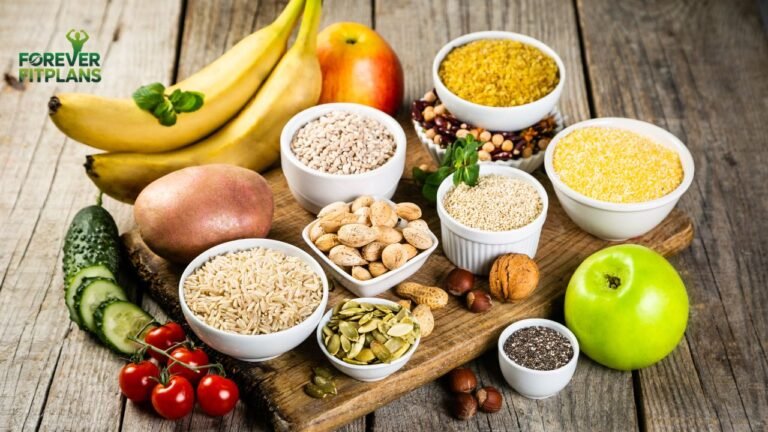
- Quinoa — a complete protein grain with a low glycemic index, ideal for PCOS
- Sweet potato — rich in fiber, beta-carotene, and vitamin B6 which supports progesterone production
- Oats (steel-cut or rolled) — high beta-glucan fiber content significantly improves insulin sensitivity
- Brown rice — provides sustained energy without refined starch spikes
- Legumes — lentils, black beans, chickpeas, and kidney beans have among the lowest GI values of any carbohydrate
- Berries — low in sugar, high in fiber and antioxidants
- Cruciferous vegetables — broccoli, cauliflower, Brussels sprouts help the liver process and excrete excess estrogen
- Leafy greens — virtually unlimited, high in magnesium which improves insulin sensitivity
Best Fats to Include in Your PCOS Diet
- Extra virgin olive oil for cooking and dressings
- Avocado — half per day is ideal
- Walnuts — rich in ALA omega-3 fatty acids
- Flaxseeds (ground) — contain lignans that reduce free testosterone
- Chia seeds — omega-3 rich, excellent in smoothies and yogurt
- Fatty fish two to three times per week
Foods to Avoid or Strictly Limit on the PCOS Weight Loss Diet Plan
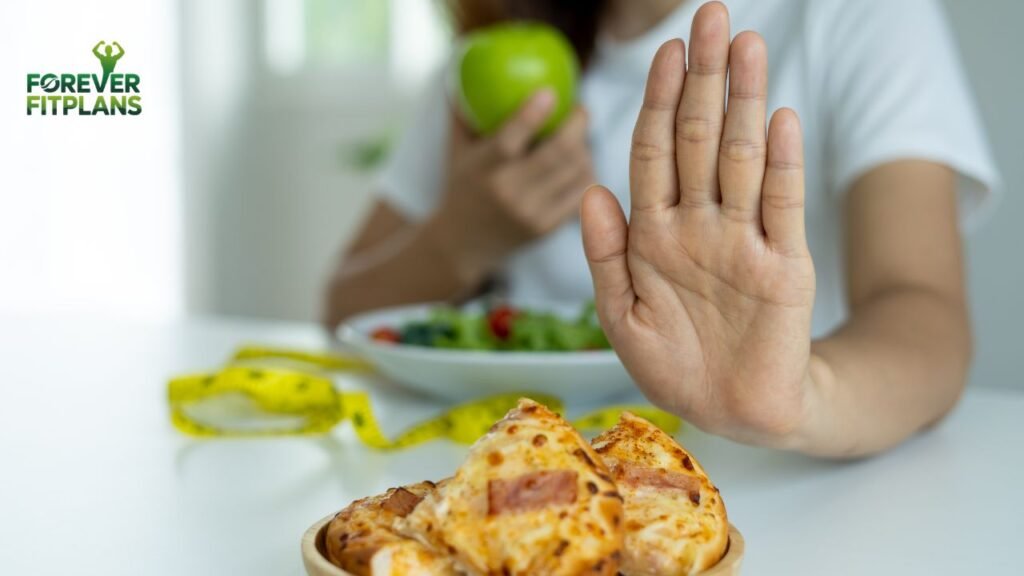
Knowing what to remove from your diet is just as critical as knowing what to add. The PCOS weight loss diet plan for beginners requires avoiding the foods most likely to spike insulin, worsen inflammation, and disrupt hormone balance:
Foods That Spike Insulin and Worsen PCOS
- Refined grains: White bread, white pasta, white rice, bagels, pastries, most cereals — these convert to glucose almost immediately
- Added sugars: Soda, juice, candy, cookies, cakes, sweetened yogurts, energy drinks — sugar drives insulin spikes and directly promotes androgen production
- Ultra-processed snacks: Chips, crackers made from refined flour, packaged snack cakes — engineered for overconsumption and loaded with ingredients that worsen insulin resistance
- Sweetened coffee drinks: Frappuccinos, flavored lattes, and sweetened iced coffees are essentially sugar delivery systems with minimal nutritional value
- Alcohol: Alcohol is metabolized as sugar, disrupts liver function (which processes hormones), disrupts sleep quality, and adds empty calories
Foods That Worsen Inflammation in PCOS
- Industrial seed oils: Corn oil, soybean oil, sunflower oil, vegetable oil — high in omega-6 fatty acids that promote inflammation when consumed in excess
- Conventional dairy (in excess): Some women with PCOS are sensitive to conventional dairy which can spike IGF-1 and worsen acne and androgen activity. Fermented dairy (Greek yogurt, kefir) is generally better tolerated.
- Processed meats: Hot dogs, deli meats, bacon — high in sodium, preservatives, and saturated fat that worsen inflammation
- Trans fats: Found in some margarines and processed foods — directly worsen insulin resistance
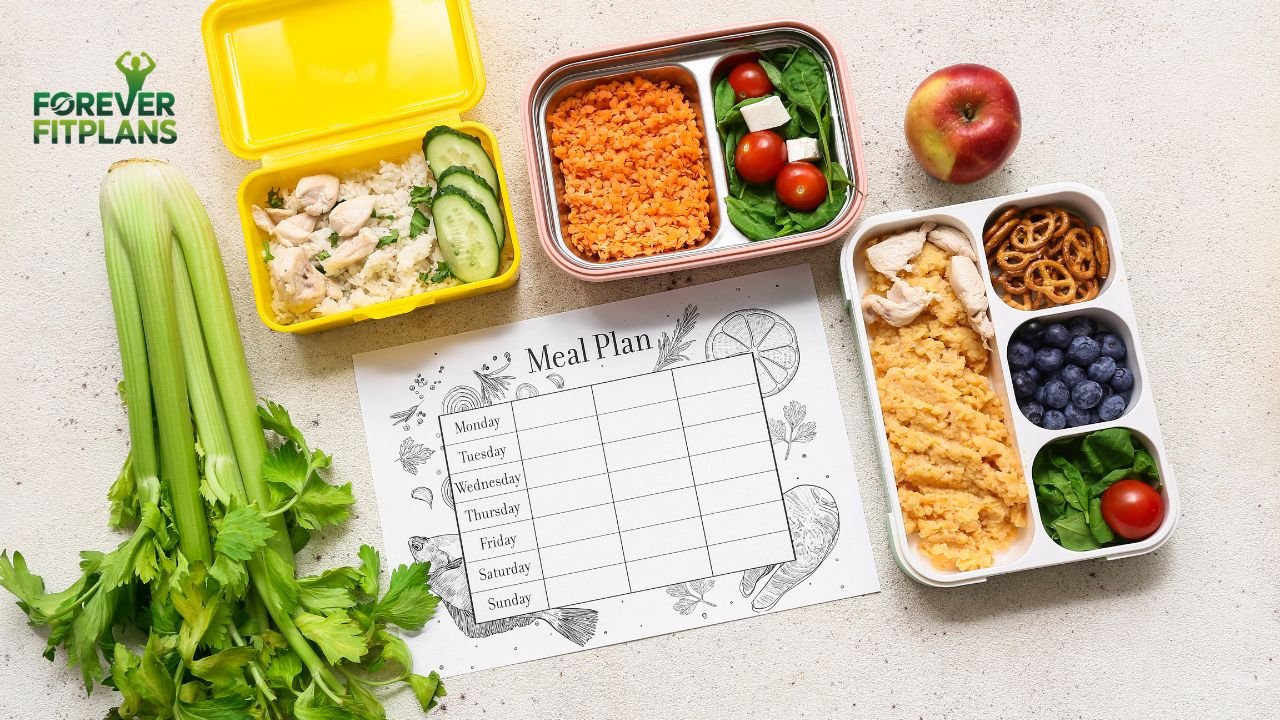
The PCOS Weight Loss Diet Plan for Beginners: 7-Day Sample Meal Plan
Here is a practical, realistic one-week PCOS weight loss diet plan that applies every principle discussed above:
| Day | Breakfast | Lunch | Dinner | Snack |
| Monday | Steel-cut oats + chia seeds + blueberries + 2 boiled eggs | Big salad with salmon, avocado, cucumber, olive oil dressing | Grilled chicken + roasted broccoli + quinoa | Apple + almond butter |
| Tuesday | Greek yogurt + walnuts + raspberries + flaxseed | Lentil soup + whole grain bread + green salad | Baked salmon + sweet potato + steamed spinach | Handful of mixed nuts |
| Wednesday | Veggie omelette (3 eggs, spinach, mushroom, bell pepper) | Chickpea and cucumber salad with olive oil and lemon | Turkey lettuce wraps + avocado + salsa | Celery sticks + hummus |
| Thursday | Smoothie (protein powder, frozen spinach, chia seeds, almond milk, half banana) | Grilled chicken whole grain wrap + side salad | Baked cod + roasted asparagus + brown rice | Full-fat Greek yogurt + berries |
| Friday | Scrambled eggs + smoked salmon + tomato slices | Lentil and vegetable curry + cauliflower rice | Grass-fed beef stir-fry + broccoli + peppers | Hard-boiled egg + a few walnuts |
| Saturday | Overnight oats (rolled oats, almond milk, chia seeds, cinnamon, sliced strawberries) | Big grain bowl (quinoa, chickpeas, roasted veg, tahini dressing) | Grilled salmon + green beans + sweet potato mash | Sliced cucumber + tzatziki |
| Sunday | Avocado toast on whole grain bread + 2 poached eggs + tomato | Tuna and white bean salad with olive oil, lemon, herbs | Baked chicken thigh + roasted Brussels sprouts + quinoa | Small handful of dark chocolate + almonds |
Key Supplements That Support the PCOS Weight Loss Diet Plan for Beginners
While food is the foundation, certain evidence-based supplements directly support the hormonal and metabolic goals of a PCOS diet. Always discuss supplementation with your doctor before starting.
Inositol (Myo-Inositol and D-Chiro-Inositol)
This is the most well-researched supplement for PCOS and works directly on insulin signaling. Multiple randomized controlled trials have shown that inositol supplementation — particularly a 40:1 ratio of myo-inositol to d-chiro-inositol — improves insulin sensitivity, restores menstrual regularity, reduces testosterone levels, and supports ovulation in women with PCOS. The typical dose studied is 4 grams of myo-inositol daily.
Magnesium
Magnesium deficiency is extremely common in women with PCOS and insulin resistance. Magnesium plays a direct role in insulin receptor signaling — meaning adequate magnesium is necessary for cells to respond properly to insulin. Research shows magnesium supplementation improves insulin sensitivity and reduces fasting blood sugar. Food sources include leafy greens, pumpkin seeds, almonds, and dark chocolate, but many women need supplemental magnesium glycinate (300 to 400mg daily) to achieve adequate levels.
Vitamin D
Studies consistently find that women with PCOS have significantly lower vitamin D levels than women without the condition, and that low vitamin D worsens insulin resistance, increases androgen production, and disrupts the menstrual cycle. Supplementing with 2,000 to 4,000 IU of vitamin D3 daily — based on blood test results — is one of the most impactful interventions for PCOS hormonal balance.
Omega-3 Fatty Acids
If fatty fish consumption is limited in your PCOS weight loss diet plan, fish oil supplementation (2 to 3 grams of combined EPA and DHA daily) directly reduces triglycerides, lowers free testosterone, reduces inflammation, and improves insulin sensitivity in women with PCOS. Look for high-quality, third-party tested fish oil to avoid rancidity and heavy metal contamination.
Berberine
Berberine is a plant-derived compound increasingly studied as a natural alternative to metformin for insulin resistance. Research in women with PCOS shows that berberine supplementation (typically 500mg three times daily with meals) improves insulin sensitivity, lowers fasting insulin, reduces testosterone levels, and promotes more regular menstrual cycles. It is one of the most promising natural supplements for the metabolic aspects of PCOS.
Exercise Recommendations to Complement Your PCOS Weight Loss Diet Plan
The best exercise approach for PCOS weight loss is not the most intense — it is the most strategic. Here is what research specifically recommends for women with PCOS:
Strength Training — The Most Important Exercise for PCOS
Resistance training is the single most effective exercise modality for improving insulin sensitivity in women with PCOS. Muscle tissue is the primary site of glucose uptake — more muscle mass means more glucose is absorbed by muscles rather than stored as fat. Aim for 2 to 3 strength training sessions per week, targeting all major muscle groups.
Low-Intensity Steady-State Cardio
Walking, swimming, cycling, and yoga are excellent for reducing cortisol (the stress hormone that worsens PCOS symptoms) while improving cardiovascular health and supporting fat burning. Aim for 30 to 45 minutes of low to moderate intensity cardio 3 to 5 days per week.
Avoid Chronic High-Intensity Exercise
This surprises many women with PCOS. Chronic, very high-intensity exercise (like daily HIIT classes or marathon training) significantly raises cortisol, which worsens insulin resistance and disrupts the already fragile hormonal balance in PCOS. Moderate intensity, consistent movement produces far better hormonal outcomes than punishing workout schedules.
Lifestyle Factors That Make or Break Your PCOS Weight Loss Diet Plan
Sleep Is Non-Negotiable
Poor sleep directly worsens insulin resistance, increases cortisol, disrupts hunger hormones, and increases androgen production in women with PCOS. Research shows that even one week of sleeping 5 to 6 hours per night instead of 7 to 8 hours produces measurable deterioration in insulin sensitivity. Prioritizing 7 to 9 hours of quality sleep per night is as important as any dietary change in a PCOS weight loss plan.
Stress Management Is Essential
The stress hormone cortisol directly raises blood sugar, worsens insulin resistance, increases androgen production, and promotes abdominal fat storage — all of the mechanisms that drive PCOS weight gain. Managing chronic stress through mindfulness, yoga, nature walks, journaling, therapy, or social connection is not optional in a comprehensive PCOS weight loss diet plan for beginners — it is medically relevant.
Tracking Cycles and Symptoms
As your diet improves insulin sensitivity and hormonal balance, tracking your menstrual cycle, energy levels, mood, sleep quality, and skin gives you tangible evidence of progress beyond the scale. Many women see improvements in cycle regularity, reduced acne, and improved energy weeks before significant weight loss occurs — and recognizing these non-scale victories is crucial for maintaining motivation.
Frequently Asked Questions
How quickly can I lose weight on a PCOS weight loss diet plan?
Weight loss with PCOS is typically slower than for women without the condition, and this is completely normal and expected given the underlying hormonal factors. A realistic and healthy rate is 0.5 to 1 pound per week with consistent dietary changes. Some women lose more quickly in the first few weeks as insulin levels drop and water retention decreases. The most important perspective shift for beginners is to measure success by hormonal improvement — more regular periods, reduced acne, improved energy — not just by scale movement. These hormonal improvements often precede significant weight loss by several weeks.
Is a low-carb or keto diet good for PCOS?
A low-carbohydrate approach can be very effective for PCOS because reducing carbohydrate intake directly lowers insulin levels, which addresses the root cause of PCOS weight gain and hormonal disruption. Several studies have shown that low-carb and ketogenic diets improve insulin sensitivity, reduce testosterone levels, and restore menstrual regularity in women with PCOS more effectively than standard low-fat diets. However, very strict ketogenic diets are not necessary or appropriate for every woman with PCOS — a moderate low-carb approach focusing on whole food carbohydrates in the 100 to 150 grams per day range is effective and more sustainable for most beginners.
Can I eat fruit on a PCOS diet?
Yes, absolutely — but choose your fruits wisely. Low-GI fruits like berries (blueberries, strawberries, raspberries), cherries, green apples, pears, and citrus are excellent choices for a PCOS weight loss diet. They are high in fiber and antioxidants that reduce inflammation and support gut health. Higher-sugar fruits like mangoes, grapes, pineapple, and ripe bananas should be eaten in smaller portions. Always pair fruit with protein or fat — for example, berries with Greek yogurt, or an apple with almond butter — to slow glucose absorption and prevent insulin spikes.
Does dairy worsen PCOS symptoms?
The relationship between dairy and PCOS is nuanced. Conventional dairy products — particularly skim milk — have been associated with higher IGF-1 levels and increased androgen activity in some studies, which can worsen PCOS symptoms including acne and hormonal imbalance. However, fermented dairy products like plain Greek yogurt and kefir appear to be beneficial for PCOS because their probiotic content supports gut health and the fermentation process reduces IGF-1 levels. The best approach for a beginner is to limit conventional cow’s milk while including moderate amounts of full-fat Greek yogurt and kefir, and to observe how your specific body responds.
Is intermittent fasting good for PCOS weight loss?
Intermittent fasting can benefit some women with PCOS by reducing insulin levels during the fasting period and improving insulin sensitivity over time. However, it is not appropriate for everyone with PCOS. Women with adrenal dysfunction (elevated DHEA-S) — a subtype of PCOS — may find that skipping meals worsens cortisol dysregulation and disrupts blood sugar balance further. If you want to try intermittent fasting with PCOS, start with a gentle 12-hour overnight fast (eating dinner at 7 PM and breakfast at 7 AM) before attempting longer fasting windows. Always eat protein-rich meals when you do eat, and stop immediately if you notice increased anxiety, worsened energy crashes, or disrupted sleep.
What is the best breakfast for PCOS weight loss?
The best breakfast for PCOS weight loss combines adequate protein, healthy fats, and low-GI carbohydrates to stabilize blood sugar for the entire morning and reduce mid-morning cravings. Top options include: two to three eggs scrambled with vegetables and avocado, steel-cut oats with protein powder or Greek yogurt mixed in plus chia seeds and berries, a protein smoothie with unsweetened almond milk, frozen spinach, chia seeds, protein powder, and a small amount of fruit, or Greek yogurt with walnuts, flaxseed, and raspberries. Avoid high-carb, low-protein breakfasts like cereal with skim milk, toast with jam, or commercial smoothies — these cause a blood sugar spike and crash that drives hunger and cravings before lunchtime.
Do I need to count calories on a PCOS diet?
Calorie counting is not necessary or recommended as the primary focus of a PCOS weight loss diet plan for beginners. The hormonal drivers of PCOS weight gain mean that calorie restriction alone — without addressing insulin resistance and inflammation — often fails to produce weight loss even when a calorie deficit exists. Research shows that women with PCOS who focus on food quality, macronutrient balance (particularly protein and fiber), and blood sugar stability lose weight more successfully than those who focus primarily on calorie restriction. That said, portion awareness matters — particularly for calorie-dense healthy foods like nuts, avocado, and olive oil. Using the plate method (half vegetables, quarter protein, quarter complex carbs) naturally creates a moderate calorie deficit without the stress of tracking every gram.
Conclusion
Living with PCOS can feel overwhelming, especially when you have tried to lose weight through conventional methods and found them ineffective. But the PCOS weight loss diet plan for beginners changes the approach entirely — from fighting your body to working with its hormonal systems to create genuine, lasting change.
The PCOS weight loss diet plan for beginners is not about eating less. It is about eating smarter — choosing foods that stabilize blood sugar, reduce insulin resistance, fight inflammation, and support the hormonal balance your body needs to function and feel its best. When you consistently choose protein-rich meals, whole food carbohydrates, anti-inflammatory fats, and gut-supporting fermented foods — while avoiding the refined sugars and processed ingredients that worsen insulin resistance — your hormones begin to rebalance, your metabolism improves, and weight loss becomes possible in a way that calorie restriction alone never achieves.
The most important thing to remember as you begin your PCOS weight loss diet plan is that progress is not always linear, and improvements in your symptoms — more regular periods, clearer skin, better energy, reduced bloating — are just as meaningful as changes on the scale. Every meal that stabilizes your blood sugar is a step in the right direction.
Start with one change this week. Swap one refined carbohydrate for a whole food alternative. Add a protein source to your breakfast. Replace a sugary drink with water or herbal tea. These small, consistent changes, compounded over weeks and months, produce the hormonal reset that makes genuine weight loss and symptom improvement possible.
You deserve to feel good in your body. The PCOS weight loss diet plan gives you the tools to get there — one balanced meal at a time.
Medical Disclaimer: This article is for informational and educational purposes only and does not constitute medical advice. PCOS is a complex hormonal condition that requires individualized management. Always work with your doctor, endocrinologist, or registered dietitian to create a personalized treatment plan tailored to your specific symptoms, hormone levels, and health history.
Read also the post from Healthline for more info.

Dr. Daniel Carter is a certified health & wellness writer and fitness lifestyle researcher with over 8 years of experience in nutrition, weight management, sleep health, and preventive care. He is passionate about helping people live healthier, stronger, and more balanced lives through science-backed fitness strategies and easy-to-follow wellness tips.
Through FitForever Plan, Dr. Carter shares practical health advice, workout guidance, and nutrition insights designed to support long-term fitness, sustainable weight loss, and overall well-being. His mission is to make healthy living simple, achievable, and enjoyable for everyone.