15 Cholesterol-Lowering Foods That Naturally Clean Your Arteries
When it comes to heart health, what you eat matters more than you might think. High cholesterol and clogged arteries are serious concerns for millions of people worldwide, but the good news is that nature has provided us with powerful tools to fight back.
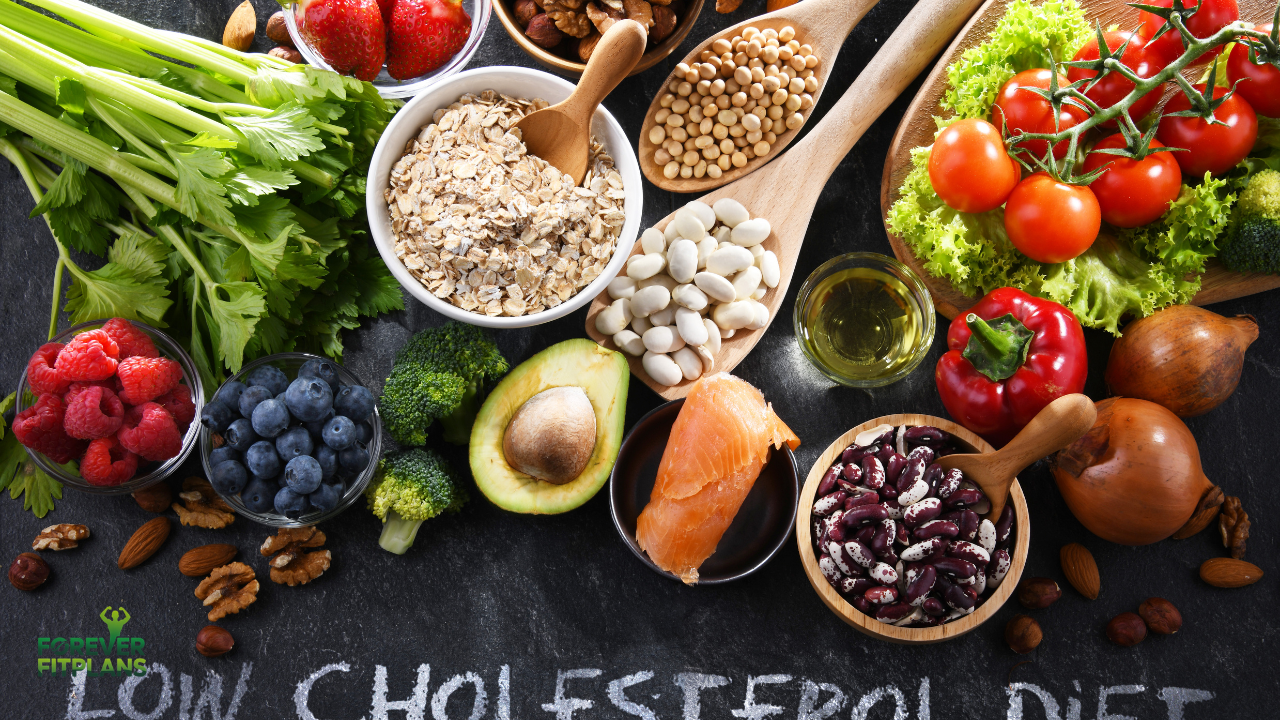
These 15 cholesterol-lowering foods that naturally clean your arteries can help you take control of your cardiovascular health without relying solely on medication.
Your arteries are like highways for your blood, and when they get blocked with plaque buildup from bad cholesterol, your heart has to work much harder. Over time, this can lead to heart disease, heart attacks, and strokes.
But by adding the right foods to your daily diet, you can actively work to keep your arteries clean and your heart healthy.
Why Food Matters for Your Arteries
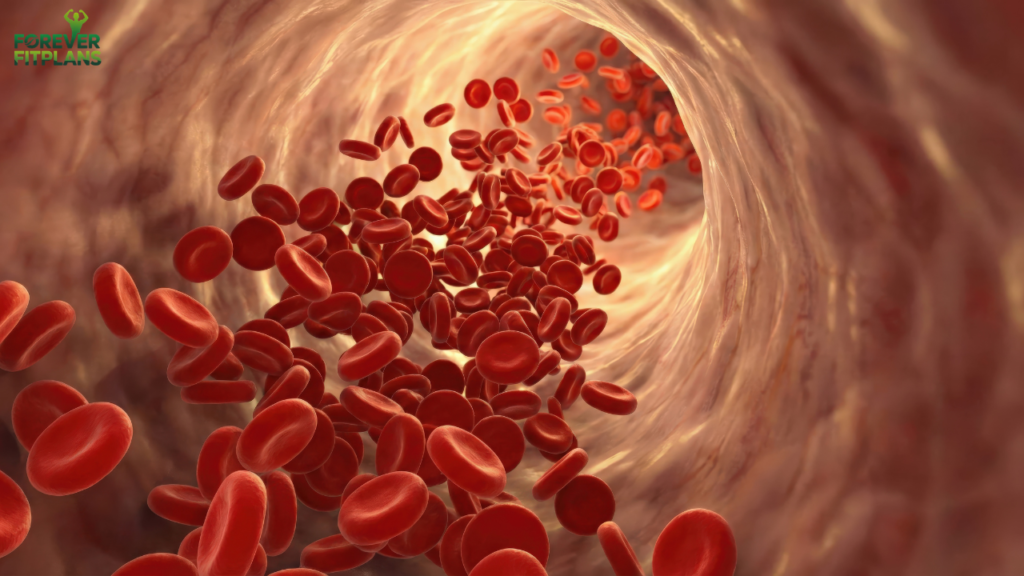
Before we dive into the specific foods, it’s important to understand how diet affects your arteries. When you eat foods high in saturated fats and processed ingredients, your body produces more LDL cholesterol, often called “bad” cholesterol. This cholesterol can stick to your artery walls, creating dangerous blockages. On the flip side, certain foods contain nutrients that help remove this buildup and prevent new plaque from forming.
The Power-Packed List of Artery-Cleaning Foods
Oatmeal and Oat Bran
Starting your day with a bowl of oatmeal is one of the best choices you can make for your arteries. Oats contain a special type of fiber called beta-glucan that acts like a sponge, soaking up cholesterol in your digestive system before it enters your bloodstream. Just one and a half cups of cooked oatmeal can significantly reduce your cholesterol levels.
Fatty Fish
Salmon, mackerel, sardines, and tuna are rich in omega-3 fatty acids. These healthy fats help reduce inflammation in your arteries and lower triglycerides. Eating fish twice a week can make a real difference in your heart health.
Nuts
Almonds, walnuts, and pistachios are excellent cholesterol-lowering foods that naturally clean your arteries. They’re packed with healthy fats, fiber, and plant sterols that block cholesterol absorption. A small handful of nuts each day can reduce bad cholesterol by up to 5%.
Avocados
This creamy fruit is loaded with monounsaturated fats that help lower bad cholesterol while raising good cholesterol. Avocados also contain fiber and potassium, making them a triple threat against heart disease.
Olive Oil
Extra virgin olive oil is a cornerstone of the heart-healthy Mediterranean diet. It contains antioxidants that protect your arteries from damage and help reduce inflammation throughout your body.
Beans and Legumes
Lentils, chickpeas, black beans, and kidney beans are all rich in soluble fiber. This type of fiber binds to cholesterol and helps remove it from your body. Plus, beans are filling and can help with weight management.
Berries
Blueberries, strawberries, and raspberries contain powerful antioxidants called anthocyanins. These compounds help prevent cholesterol from oxidizing and sticking to your artery walls. Fresh or frozen, berries are a sweet way to protect your heart.
Dark Leafy Greens
Spinach, kale, and collard greens are nutritional powerhouses. They contain lutein and other antioxidants that help keep your arteries clear. These vegetables also provide fiber and very few calories.
Apples
An apple a day really might keep the doctor away. Apples contain pectin, a type of soluble fiber that lowers cholesterol. They also have polyphenols, which are antioxidants that protect your heart.
Garlic
This pungent bulb has been used for centuries as a natural medicine. Garlic contains allicin, a compound that helps lower cholesterol and blood pressure. Adding fresh garlic to your cooking is an easy way to boost heart health.
Tomatoes
Tomatoes are rich in lycopene, an antioxidant that helps prevent LDL cholesterol from oxidizing. Cooked tomatoes, like those in tomato sauce, actually contain more available lycopene than raw ones.
Green Tea
Drinking green tea regularly can help lower bad cholesterol and improve the health of your artery walls. The catechins in green tea are powerful antioxidants that protect your cardiovascular system.
Dark Chocolate
Yes, chocolate can be good for your heart! Dark chocolate with at least 70% cocoa contains flavonoids that help lower blood pressure and improve blood flow to your heart and brain. Just remember to enjoy it in moderation.
Flaxseeds
These tiny seeds are packed with omega-3 fatty acids, fiber, and lignans. Ground flaxseeds can help reduce cholesterol levels and inflammation in your arteries.
Whole Grains
Brown rice, quinoa, whole wheat bread, and barley all contain fiber and nutrients that help control cholesterol levels. Choosing whole grains over refined grains is a simple switch with big benefits.
Making These Foods Work for You
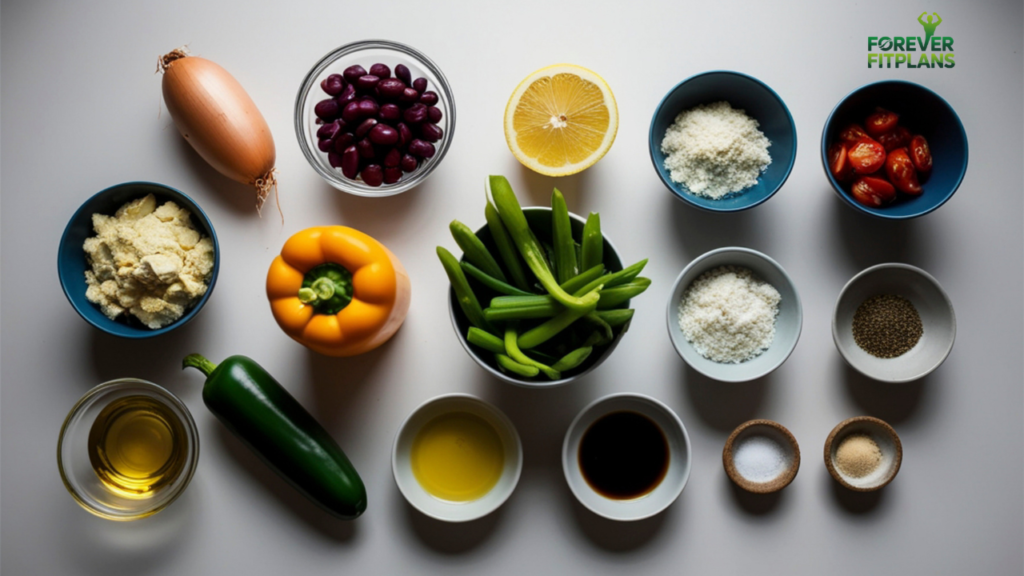
The key to success with these cholesterol-lowering foods that naturally clean your arteries is consistency. You don’t need to eat all 15 foods every day, but try to include several of them in your daily meals. Replace saturated fats from red meat and full-fat dairy with these healthier options. Cook with olive oil instead of butter. Snack on nuts instead of chips. These small changes add up to big results over time.
It’s also important to remember that while these foods are powerful, they work best as part of an overall healthy lifestyle. Regular exercise, not smoking, managing stress, and maintaining a healthy weight all play crucial roles in keeping your arteries clean and your heart strong.
Final Thoughts
Taking care of your heart doesn’t have to be complicated or expensive. These 15 cholesterol-lowering foods that naturally clean your arteries are readily available at most grocery stores and can fit into almost any budget. By making smart food choices every day, you’re investing in your long-term health and reducing your risk of heart disease. Start small by adding one or two of these foods to your diet this week, then gradually include more. Your heart will thank you for years to come. Remember, it’s never too late to start eating better for your arteries and your overall health.
Frequently Asked Questions
How long does it take for these foods to lower cholesterol?
Most people start seeing improvements in their cholesterol levels within 4 to 6 weeks of consistently eating artery-cleaning foods. However, significant changes may take 3 to 6 months. The timeline varies based on your starting cholesterol levels, genetics, and how strictly you follow a heart-healthy diet.
Can I stop taking cholesterol medication if I eat these foods?
Never stop taking prescribed medication without talking to your doctor first. While these foods can significantly improve cholesterol levels, some people need medication to reach safe levels. Your doctor can monitor your progress and adjust your treatment plan if your numbers improve enough through diet changes.
How much of these foods should I eat daily to see results?
There’s no single magic amount, but general guidelines include: eating oatmeal or whole grains at breakfast, having a handful of nuts as a snack, including fatty fish twice a week, using olive oil for cooking, and eating plenty of fruits and vegetables throughout the day. Variety and consistency matter more than large amounts of any single food.
Are these foods safe for everyone to eat?
These foods are generally safe for most people, but individual circumstances vary. People with nut allergies should avoid nuts, those on blood thinners should consult their doctor about foods rich in vitamin K like leafy greens, and people with certain digestive conditions may need to modify fiber intake. Always discuss major dietary changes with your healthcare provider, especially if you have existing health conditions.

Dr. Daniel Carter is a certified health & wellness writer and fitness lifestyle researcher with over 8 years of experience in nutrition, weight management, sleep health, and preventive care. He is passionate about helping people live healthier, stronger, and more balanced lives through science-backed fitness strategies and easy-to-follow wellness tips.
Through FitForever Plan, Dr. Carter shares practical health advice, workout guidance, and nutrition insights designed to support long-term fitness, sustainable weight loss, and overall well-being. His mission is to make healthy living simple, achievable, and enjoyable for everyone.