Good Carbs for Weight Loss: The Complete Guide to Eating Carbs and Still Losing Weight
Someone told you to cut carbs to lose weight. So you did. And two weeks later, you were exhausted, irritable, and dreaming about bread.
Here’s the truth most diet culture gets wrong: carbs are not the enemy. The right carbs — good carbs for weight loss — are actually some of the most powerful tools you have for losing fat, staying full, and maintaining the energy your body needs to function well. The problem was never carbohydrates as a whole. The problem was always the type of carb, the amount, and the timing.
This guide will walk you through exactly which carbs support weight loss, which ones sabotage it, how much to eat, when to eat them, and how to build a realistic eating plan that includes carbohydrates without guilt or confusion. Real food. Real results. No extreme restriction required.
Also read How to Lose Face Fat Quickly.
What Are Good Carbs for Weight Loss?
Not all carbohydrates affect your body the same way. The biggest distinction is between refined carbs and complex, whole-food carbs — and understanding this difference is the foundation of using good carbs for weight loss effectively.
Refined Carbs (Bad for Weight Loss)
Refined carbohydrates have been processed to remove fiber, bran, and most nutrients. What’s left is quickly digested starch that spikes blood sugar rapidly, triggers a surge of insulin, and leaves you hungry again within 1–2 hours.
Examples of refined carbs to limit:
- White bread and white flour products
- White rice
- Sugary breakfast cereals
- Pastries, cookies, cakes, and donuts
- Candy, sweets, and chocolate bars
- Sugary drinks — soda, juice, flavored coffee drinks
- Instant noodles and packaged snacks
These foods promote fat storage, increase hunger, and contribute to energy crashes throughout the day. They are the carbs that deserve the bad reputation.
Good Carbs (Support Weight Loss)
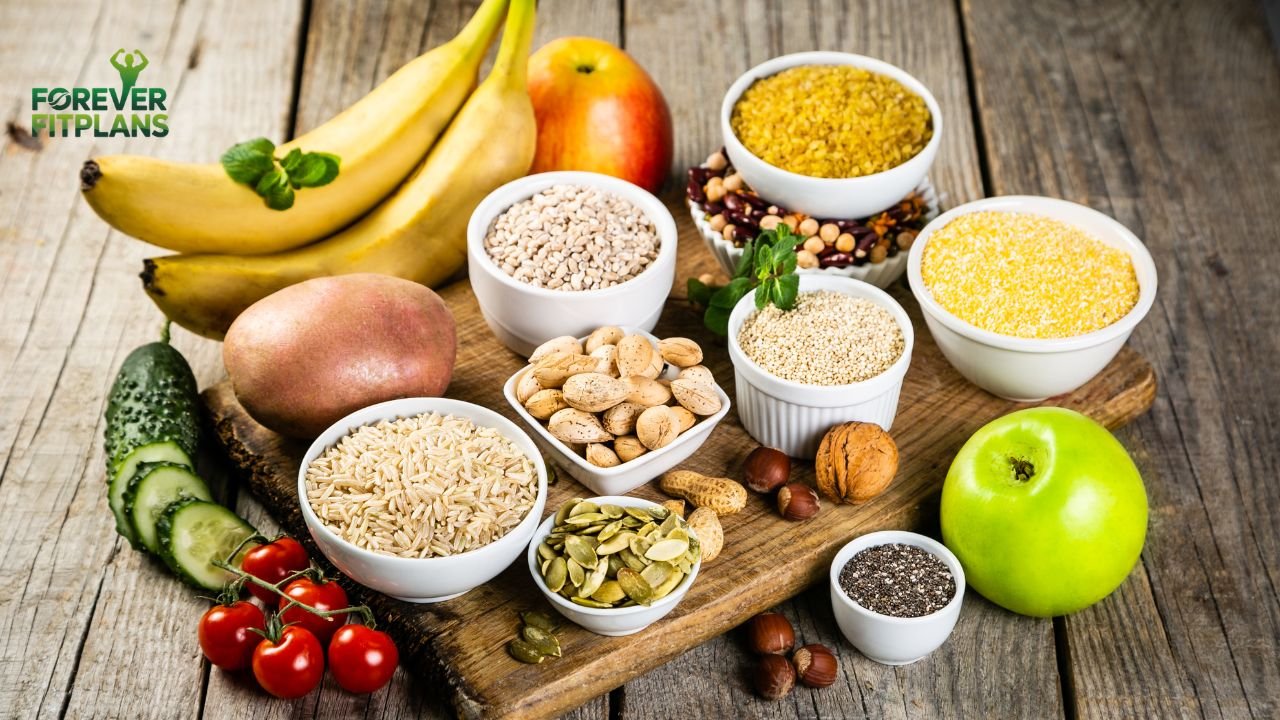
Good carbs for weight loss are high in fiber, digest slowly, keep blood sugar stable, and deliver vitamins, minerals, and plant compounds your body needs. Because they digest slowly, they keep you fuller for longer — naturally reducing the total amount you eat throughout the day.
Good carbs share these characteristics:
- High in dietary fiber (slows digestion and feeds gut bacteria)
- Low to medium glycemic index (doesn’t spike blood sugar sharply)
- Nutrient-dense (delivers real vitamins, minerals, and antioxidants)
- Minimally processed or whole-food form
- Naturally filling without being calorie-dense
The goal is not to eat zero carbs. The goal is to choose good carbs for weight loss and manage portions — giving your body steady energy while staying in a calorie deficit that drives fat loss.
Why Good Carbs Actually Help You Lose Weight
This might seem counterintuitive if you’ve been told carbs cause weight gain. But the science tells a more accurate story.
Fiber Keeps You Full Longer
The fiber in good carbs slows the movement of food through your digestive system. This stretches the stomach, triggers fullness hormones like peptide YY and GLP-1, and keeps blood sugar from spiking and crashing. The result: you eat less overall without trying to.
Research published in the Annals of Internal Medicine found that simply eating 30 grams of fiber per day — without any other dietary change — produced meaningful weight loss comparable to a more complex diet plan.
Stable Blood Sugar Prevents Cravings
When you eat refined carbs, blood sugar spikes fast — insulin surges — and then blood sugar crashes. That crash triggers hunger, fatigue, and intense cravings for more quick sugar. Good carbs break this cycle. They keep blood sugar rising slowly and falling slowly, which means fewer cravings and better appetite control throughout the day.
Complex Carbs Fuel Exercise
Fat loss accelerates with exercise. But exercise requires glycogen — the form of energy your muscles store from carbohydrates. People who cut carbs completely often feel too tired, weak, or foggy to exercise consistently. Good carbs fuel your workouts, which in turn accelerates fat loss. They work with your weight loss plan, not against it.
Resistant Starch Feeds Fat-Burning Gut Bacteria
Some good carbs — particularly legumes, oats, and cooked-then-cooled rice and potatoes — contain resistant starch: a type of carbohydrate that isn’t digested in the small intestine. Instead, it feeds beneficial gut bacteria in the large intestine. These bacteria produce short-chain fatty acids that reduce inflammation, improve insulin sensitivity, and support fat burning. This is a metabolic benefit that zero-carb diets entirely miss.
The Best Good Carbs for Weight Loss: Complete List With Nutritional Data
Here is a detailed breakdown of the most effective good carbs for weight loss — organized by food category with practical serving information.
1. Oats
Oats are one of the most powerful good carbs for weight loss available. They contain beta-glucan — a soluble fiber with extraordinary proven benefits for appetite control and blood sugar stability.
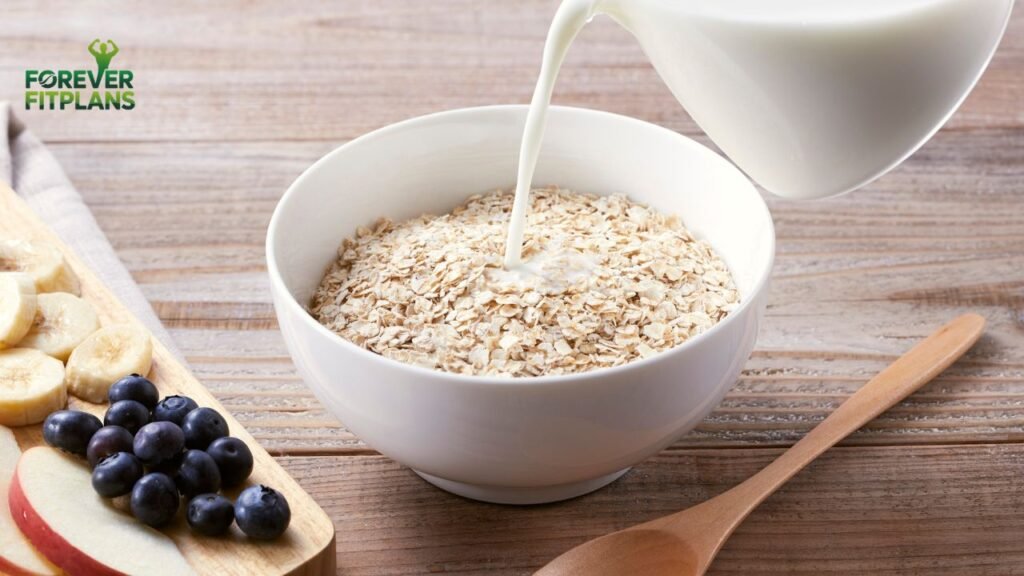
Beta-glucan forms a thick gel in the digestive tract that slows glucose absorption, extends fullness, and reduces the total amount eaten at subsequent meals. A 2016 study in Nutrition Reviews found that beta-glucan from oats significantly reduced appetite and calorie intake compared to control meals.
| Serving | Calories | Fiber | Protein | GI Score |
| ½ cup dry rolled oats | 150 kcal | 4g | 5g | 55 (Low-Medium) |
Best way to eat: Overnight oats with berries and a tablespoon of nut butter; savory oats with a poached egg and vegetables.
2. Sweet Potatoes
Sweet potatoes are among the most nutrient-dense good carbs for weight loss. Despite their natural sweetness, they have a moderate glycemic index when eaten whole, and they are exceptionally high in fiber, vitamin A, vitamin C, potassium, and antioxidants.
They’re also high in water content, which adds volume and fullness with relatively few calories.
| Serving | Calories | Fiber | Vitamin A | GI Score |
| 1 medium sweet potato (130g) | 112 kcal | 3.9g | 369% DV | 63 (Medium) |
Best way to eat: Baked or roasted without butter; mashed with a little olive oil and herbs as a side to lean protein.
3. Legumes (Lentils, Chickpeas, Black Beans, Kidney Beans)
Legumes are arguably the single best category of good carbs for weight loss. They combine complex carbohydrates, high fiber, and significant plant protein in one food — a combination that produces powerful, sustained fullness.
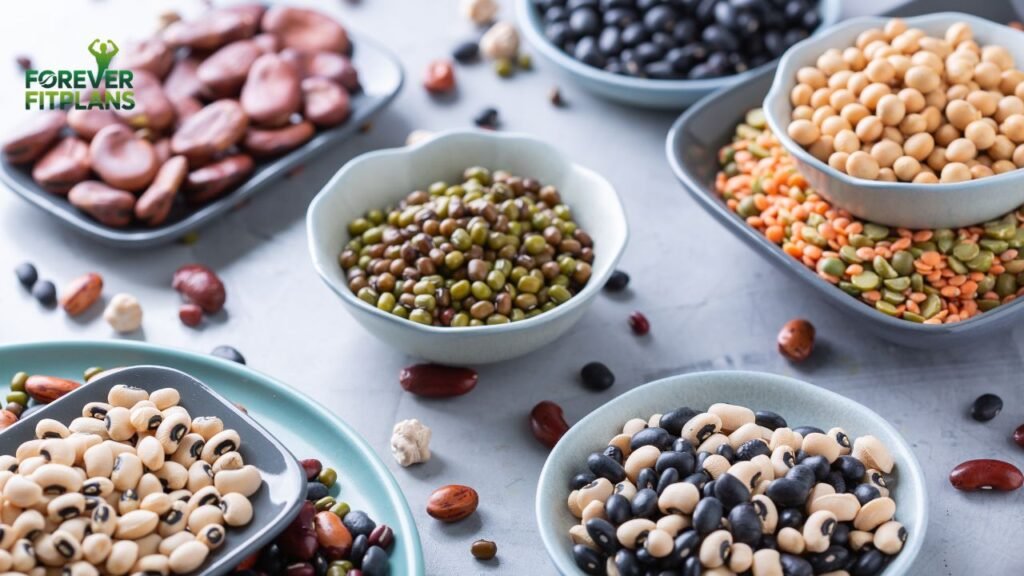
A meta-analysis published in the Obesity journal found that eating one serving of legumes per day — even without other dietary changes — led to significantly greater weight loss than control diets.
| Legume | Serving | Calories | Fiber | Protein |
| Lentils | ½ cup cooked | 115 kcal | 7.8g | 9g |
| Chickpeas | ½ cup cooked | 134 kcal | 6.2g | 7g |
| Black beans | ½ cup cooked | 114 kcal | 7.5g | 7.6g |
| Kidney beans | ½ cup cooked | 112 kcal | 5.7g | 7.7g |
Best way to eat: Dal, bean soups, chickpea salads, lentil patties, or added to stews and curries.
4. Quinoa
Quinoa is technically a seed, but functions as a whole grain in cooking. It’s one of the rare plant foods that provides all nine essential amino acids — making it a complete protein as well as a good carb for weight loss.
It’s also high in fiber, iron, magnesium, and manganese. Its protein and fiber combination makes it more filling than most grains, cup for cup.
| Serving | Calories | Fiber | Protein | GI Score |
| ½ cup cooked quinoa | 111 kcal | 2.6g | 4g | 53 (Low) |
Best way to eat: As a rice substitute in bowls; in salads with roasted vegetables and lean protein; as a breakfast porridge with berries.
5. Brown Rice
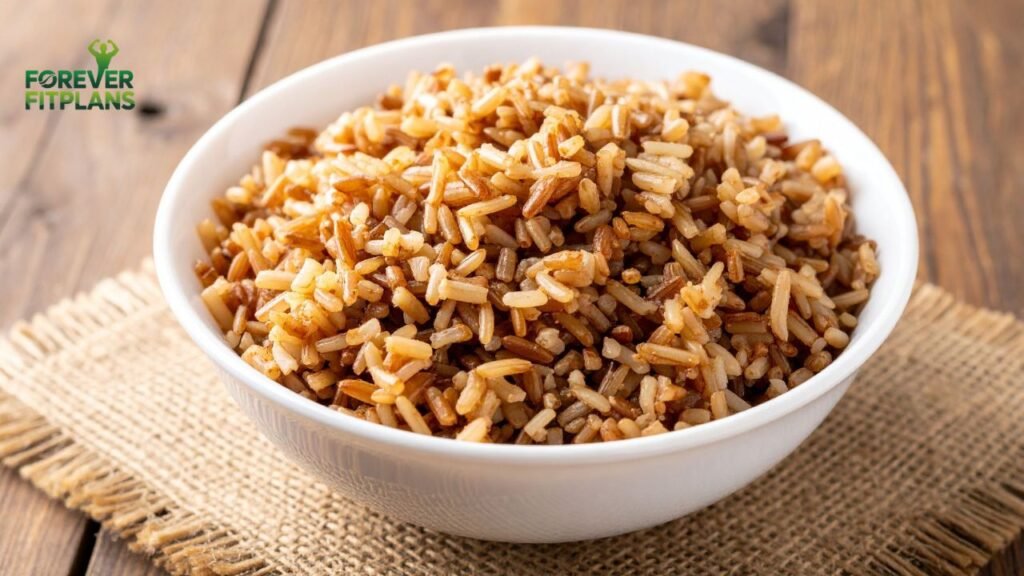
Brown rice retains its bran and germ layers, which is where all the fiber and most of the nutrients live. Compared to white rice, brown rice has significantly more fiber, magnesium, and B vitamins, and it digests more slowly, keeping blood sugar more stable.
| Serving | Calories | Fiber | Protein | GI Score |
| ½ cup cooked brown rice | 108 kcal | 1.8g | 2.5g | 50 (Low-Medium) |
Best way to eat: Paired with lean protein and plenty of non-starchy vegetables; in grain bowls with beans and avocado.
6. Berries (Strawberries, Blueberries, Raspberries, Blackberries)
Berries are the best fruit choice when looking for good carbs for weight loss. They are naturally low in sugar, very high in fiber, and packed with antioxidants — particularly anthocyanins, which have been linked to reduced fat storage and improved insulin sensitivity in research.
| Berry | Serving | Calories | Fiber | Sugar |
| Strawberries | 1 cup | 49 kcal | 3g | 7g |
| Raspberries | 1 cup | 64 kcal | 8g | 5g |
| Blueberries | 1 cup | 84 kcal | 3.6g | 15g |
| Blackberries | 1 cup | 62 kcal | 7.6g | 7g |
Raspberries and blackberries are particularly impressive, with nearly as much fiber as many vegetables per cup.
Best way to eat: With Greek yogurt; in oatmeal; as a snack on their own; blended into protein smoothies.
7. Whole Grain Bread (Genuine Whole Grain — Not Just Brown Bread)
Genuine whole grain bread — where the first ingredient listed is “whole wheat flour” or another whole grain — contains the complete grain kernel with its fiber and nutrients intact. This is very different from regular brown bread, which is often just white bread with caramel coloring added.
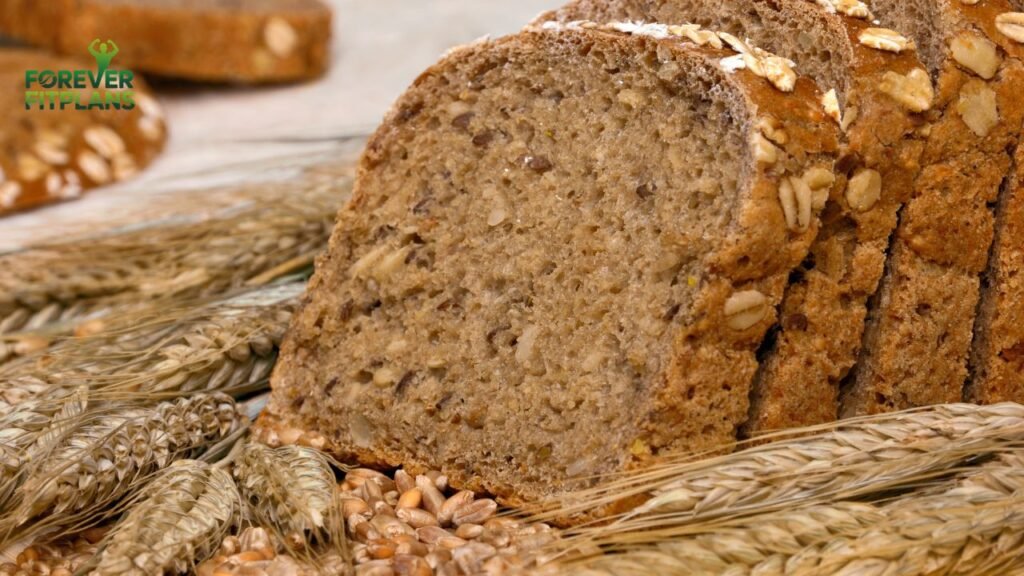
Look for bread that has at least 3–4 grams of fiber per slice and no more than 5–6 grams of added sugar per serving.
| Serving | Calories | Fiber | Protein | GI Score |
| 1 slice whole-grain bread | 70–90 kcal | 2–4g | 3–5g | 49 (Low) |
Best way to eat: With eggs and avocado for breakfast; with lean protein and vegetables for a sandwich at lunch.
8. Apples
Apples are one of the most researched fruits for weight loss specifically. They contain pectin — a soluble fiber that forms a gel in the stomach, slows digestion, feeds gut bacteria, and significantly reduces hunger between meals.
A medium apple before a meal has been shown in studies to reduce calorie intake at that meal by up to 15%. That’s a meaningful hunger-suppression effect from a single piece of fruit.
| Serving | Calories | Fiber | Sugar | GI Score |
| 1 medium apple (182g) | 95 kcal | 4.4g | 19g | 36 (Low) |
Best way to eat: As a snack between meals; paired with a tablespoon of almond butter for added protein and fat.
9. Barley
Barley is one of the most underrated good carbs for weight loss. It contains the highest beta-glucan content of any grain — even more than oats — making it exceptionally effective at controlling blood sugar, lowering LDL cholesterol, and extending post-meal fullness.
| Serving | Calories | Fiber | Protein | GI Score |
| ½ cup cooked pearl barley | 97 kcal | 3g | 1.8g | 28 (Very Low) |
Best way to eat: In soups and stews; as a grain bowl base; as a porridge with cinnamon and berries.
10. Chickpea Pasta and Legume-Based Noodles
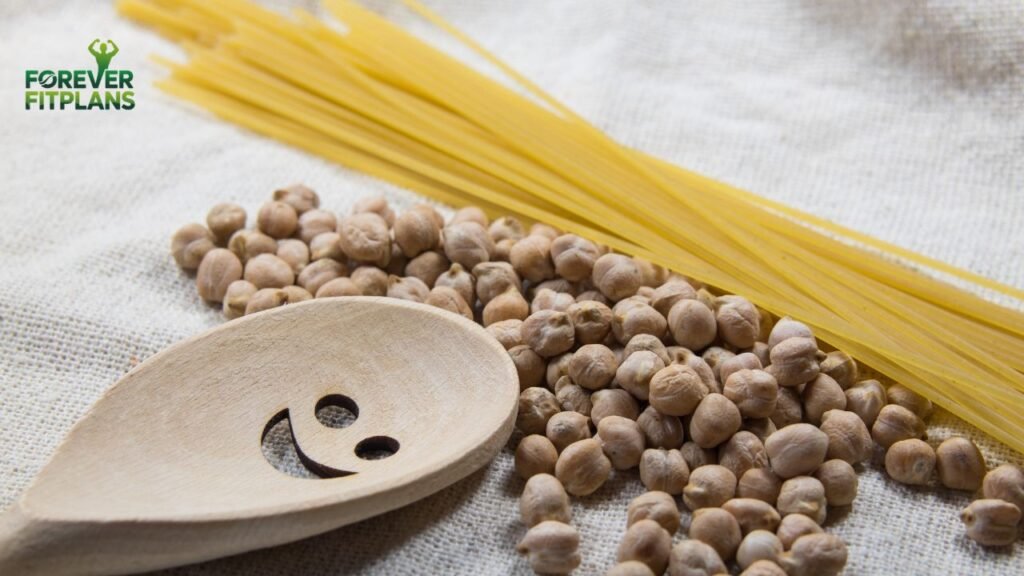
For people who love pasta, chickpea pasta and lentil-based pasta provide the satisfying texture of regular pasta with dramatically more protein and fiber. They have a much lower glycemic response than white pasta — meaning less blood sugar spiking and better appetite control after meals.
| Type | Serving | Calories | Fiber | Protein |
| Chickpea pasta | ½ cup cooked | 190 kcal | 8g | 11g |
| Lentil pasta | ½ cup cooked | 180 kcal | 7g | 12g |
| White pasta (comparison) | ½ cup cooked | 110 kcal | 1.3g | 4g |
Best way to eat: With a tomato-based sauce loaded with vegetables and lean ground turkey or chicken.
Good Carbs vs. Bad Carbs: Quick Reference Table
| Food | Type | GI | Fiber | Good for Weight Loss? |
| Rolled oats | Good carb | 55 | High | ✅ Yes |
| Sweet potato | Good carb | 63 | High | ✅ Yes |
| Lentils | Good carb | 32 | Very High | ✅ Yes |
| Quinoa | Good carb | 53 | Medium | ✅ Yes |
| Brown rice | Good carb | 50 | Medium | ✅ Yes |
| Berries | Good carb | 25–40 | High | ✅ Yes |
| Apple | Good carb | 36 | High | ✅ Yes |
| Barley | Good carb | 28 | High | ✅ Yes |
| White bread | Bad carb | 75 | Very Low | ❌ No |
| White rice | Bad carb | 72 | Very Low | ❌ No |
| Sugary cereals | Bad carb | 80–90 | Very Low | ❌ No |
| Soda and juice | Bad carb | 60–70+ | None | ❌ No |
| Pastries/cookies | Bad carb | 65–80 | Very Low | ❌ No |
How Much Good Carbs Should You Eat for Weight Loss?
There’s no single “right” amount — it depends on your body size, activity level, and how aggressively you want to lose weight. But here are practical guidelines:
| Activity Level | Recommended Daily Carbs | Example Sources |
| Sedentary (desk job, minimal exercise) | 100–150g/day | 1 serving oats + 1 sweet potato + legumes |
| Moderately active (3–4 workouts/week) | 150–200g/day | Above + 1 serving brown rice or quinoa |
| Very active (daily exercise, physical job) | 200–250g/day | Larger portions + fruit throughout the day |
A practical rule: make carbohydrates no more than 40–45% of your total daily calories, with most coming from the good carbs listed above.
When to Eat Good Carbs for Best Weight Loss Results
Timing matters — not obsessively, but strategically.
- Morning: Excellent time for oats, whole grain toast, or fruit — your body uses carb energy throughout the day
- Pre-workout (1–2 hours before): A small serving of good carbs fuels your workout and improves performance
- Post-workout: Good carbs help replenish muscle glycogen and support recovery
- Evening: Keep carb portions smaller at dinner — your activity level drops and you need less quick energy
- Before bed: Avoid large carb portions close to bedtime — your metabolic rate drops during sleep
Common Mistakes When Eating Carbs for Weight Loss
| Mistake | Why It Slows Progress | Better Approach |
| Eating too many “healthy” carbs | Even good carbs have calories | Control portions — use measuring cups initially |
| Choosing “whole grain” products that aren’t | Marketing tricks on labels | Check: fiber ≥ 3g per slice/serving |
| Drinking fruit juice instead of eating fruit | Removes fiber, spikes blood sugar fast | Eat whole fruit always |
| Not pairing carbs with protein or fat | Blood sugar still spikes without them | Add protein and healthy fat to every carb meal |
| Eating refined carbs after exercise “for recovery.” | White bread and sugary drinks aren’t optimal | Use sweet potato, oats, or fruit instead |
| Cutting all carbs and then bingeing | Restriction leads to rebound eating | Eat good carbs consistently and sustainably |
A Sample Day of Eating Good Carbs for Weight Loss
Here’s what a practical, realistic day looks like using good carbs strategically:
| Meal | Food | Good Carbs Included |
| Breakfast (7:30 AM) | ½ cup oats + ½ cup blueberries + 2 boiled eggs | Oats, berries |
| Snack (10:30 AM) | 1 apple + 1 tbsp almond butter | Apple |
| Lunch (1:00 PM) | Lentil soup + small whole grain roll + salad | Lentils, whole-grain bread |
| Pre-workout snack (4:00 PM) | ½ banana + Greek yogurt | Banana |
| Dinner (7:00 PM) | Grilled chicken + ½ cup quinoa + roasted broccoli | Quinoa |
| After dinner (optional) | Small handful of berries | Berries |
This day provides approximately 150–180 grams of quality carbohydrates from exclusively good sources — enough to fuel energy, exercise, and satiety without excess.
Frequently Asked Questions
Do I need to cut carbs completely to lose weight?
No — and cutting carbs completely is rarely sustainable long-term. Research consistently shows that people lose weight equally well on low-carb diets and moderate-carb diets when total calorie intake is matched. The key is choosing good carbs for weight loss — high-fiber, low-GI, whole-food sources — instead of refined carbohydrates. Many people lose significant weight while eating oats, legumes, sweet potatoes, and fruit daily.
How many grams of carbs should I eat per day to lose weight?
For most moderately active people aiming to lose weight, 100–150 grams of carbohydrates per day from good sources is a practical target. Very active individuals may need 150–200 grams. The quality of carbs matters far more than hitting a precise number — 130 grams of oats, legumes, and berries will produce better weight loss results than 130 grams from white bread and juice.
Are bananas good carbs for weight loss?
Bananas are a nutritious whole food with fiber, potassium, and vitamin B6 — but they are higher in natural sugar than berries or apples. A ripe medium banana contains about 27 grams of carbohydrates and 14 grams of sugar. They’re perfectly fine in moderation — especially as pre-workout fuel — but aren’t the best daily fruit choice if you’re trying to keep blood sugar very stable. Less ripe bananas have more resistant starch and a lower glycemic response.
Is brown rice a good carb for weight loss?
Yes — brown rice is a good carb for weight loss when eaten in reasonable portions (½ cup cooked). It has significantly more fiber and nutrients than white rice and digests more slowly, keeping blood sugar more stable. The key word is portion — a restaurant-sized bowl of brown rice can contain 3–4 servings, which is excessive even for a healthy carb. Pair ½ cup with lean protein and vegetables for a balanced, weight-loss-friendly meal.
What are the best carbs for weight loss at breakfast?
Oats are the number one breakfast carb for weight loss — the beta-glucan fiber is uniquely effective at extending fullness through the morning. Pairing oats with berries and protein (Greek yogurt or eggs on the side) creates a breakfast that controls hunger for 4–5 hours. Whole-grain toast with eggs and avocado is another excellent option. Avoid sugary breakfast cereals, pastries, and fruit juices, even if marketed as “healthy.”
Are sweet potatoes better than regular potatoes for weight loss?
Both can fit into a weight loss diet, but sweet potatoes have a slight nutritional edge — more fiber, more vitamin A, and a lower glycemic index than white potatoes. That said, the preparation method matters enormously. A plain baked white potato is a reasonably good carb; the same potato fried into chips becomes a bad carb. Boiled, baked, or roasted preparation keeps potatoes of both types weight-loss compatible.
Can eating good carbs help reduce belly fat specifically?
No food can spot-reduce fat from one area. But choosing good carbs for weight loss — particularly high-fiber foods like oats, legumes, and vegetables — reduces overall calorie intake, lowers insulin levels, feeds gut bacteria that reduce inflammation, and drives down total body fat over time. Research specifically links high-fiber diets with greater reductions in visceral belly fat compared to low-fiber diets at the same calorie level. So while they don’t target belly fat directly, good carbs are among the best dietary tools for reducing it overall.
Conclusion
Let’s end where we started: carbs are not the enemy. The right carbs — good carbs for weight loss — are some of the most powerful, satisfying, and health-supportive foods you can eat while trying to lose weight.
Oats, lentils, sweet potatoes, quinoa, berries, brown rice, apples, and barley all earn their place in a fat-loss diet. They keep you full, stabilize blood sugar, fuel your workouts, feed your gut bacteria, and provide vitamins and minerals your body needs to function at its best. None of that happens when you cut carbs entirely and feel exhausted, irritable, and deprived.
The switch from bad carbs to good carbs for weight loss — not elimination, but smart substitution — is one of the most sustainable dietary changes you can make. It doesn’t require counting every gram obsessively. It requires understanding what’s on your plate and choosing whole, fiber-rich, minimally processed carbohydrates the majority of the time.
Start simple. Swap white rice for brown rice this week. Replace your morning cereal with oats. Add lentils to two dinners. Those small changes, stacked consistently, create real results.
If this guide changed how you think about carbs and weight loss, share it with someone afraid to eat carbs. They deserve to know the truth — and the freedom that comes with it.
This article is for informational purposes only and is not a substitute for personalized medical or nutritional advice. Consult a registered dietitian or your healthcare provider for guidance tailored to your individual health needs and goals.
TheHarvard T.H. Chan School of Public Health — The Nutrition Source provides a thorough, research-backed breakdown of carbohydrate quality, glycemic index, and the difference between good and bad carbs — one of the most trusted free nutrition resources available online.

Dr. Daniel Carter is a certified health & wellness writer and fitness lifestyle researcher with over 8 years of experience in nutrition, weight management, sleep health, and preventive care. He is passionate about helping people live healthier, stronger, and more balanced lives through science-backed fitness strategies and easy-to-follow wellness tips.
Through FitForever Plan, Dr. Carter shares practical health advice, workout guidance, and nutrition insights designed to support long-term fitness, sustainable weight loss, and overall well-being. His mission is to make healthy living simple, achievable, and enjoyable for everyone.