How to Balance Hormones for Weight Loss: The Missing Piece Nobody Talks About
You’re eating less. You’re exercising more. But the scale won’t budge — or worse, the weight keeps creeping up. Sound familiar? The problem might not be your willpower or your workout routine. It might be your hormones. Learning how to balance hormones for weight loss could be the missing piece that finally makes everything click.
Hormones are your body’s chemical messengers. They control your hunger, your metabolism, how your body stores fat, and even where that fat goes. When they’re out of balance, losing weight becomes genuinely difficult — sometimes nearly impossible — no matter how hard you try.
The good news is that hormone balance isn’t complicated to improve. With the right daily habits, foods, and strategies, you can reset your hormonal environment and create the conditions your body needs to let go of stored fat. Let’s break it all down.
Also know about does magnesium helps with weight loss.
Why Hormones Matter So Much for Weight Loss
It is crucial to comprehend why hormones have such a significant impact on body weight before learning how to balance hormones for weight loss.
Your hormones regulate your weight, not simply affect it. They ascertain:
- Your level of hunger following a meal
- Whether your body stores or burns fat
- How well your metabolism functions
- Where your body stores fat (thighs, hips, and belly)
- How much energy do you have to work out
- Your sleep quality has an impact on all of the hormones mentioned above.
The entire system is upset when even one or two essential hormones are out of balance. You could have persistent feelings of hunger, fatigue, bloating, and frustration even when you are doing “everything correctly.”
There are no quick fixes when it comes to hormone balance for weight loss. It involves figuring out which hormones are working against you and making specific adjustments to restore equilibrium.
The Key Hormones That Affect Your Weight
1. Insulin — The Fat Storage Hormone
Insulin is produced by your pancreas, and its main job is to move glucose (sugar) from your bloodstream into your cells for energy. When this system works well, it’s efficient and clean.
But when you eat too many refined carbohydrates and sugar — especially repeatedly throughout the day — your body pumps out more and more insulin. Over time, your cells stop responding properly. This is called insulin resistance, and it’s one of the biggest hormonal barriers to weight loss.
With high insulin levels:
- Your body is in fat-storage mode, not fat-burning mode
- Fat cells are locked — they can’t release stored fat
- You feel hungry even after eating
How to balance insulin for weight loss:
- Reduce refined carbohydrates and added sugar
- Eat more fiber, protein, and healthy fats
- Try time-restricted eating (intermittent fasting) to lower insulin between meals
- Exercise regularly — muscles absorb glucose even without insulin during movement
- Choose low glycemic index foods
2. Cortisol — The Stress Hormone
Cortisol is released by your adrenal glands in response to stress — physical, emotional, or psychological. In short bursts, cortisol is helpful. It gives you energy and focus in a crisis.
But in today’s world, many people live with chronically elevated cortisol from work stress, poor sleep, overexercising, skipping meals, or constant anxiety. This is a serious hormonal obstacle to weight loss.
When cortisol stays high:
- Blood sugar rises (preparing your body for a “fight or flight” response)
- Insulin is released in response, promoting fat storage
- Belly fat accumulates — cortisol specifically drives visceral fat storage around the abdomen
- Cravings for sugary and fatty foods intensify
- Muscle breakdown accelerates, slowing metabolism
How to balance cortisol for weight loss:
- Prioritize 7–9 hours of quality sleep
- Practice daily stress management — even 10 minutes of deep breathing or meditation helps
- Avoid overtraining — too much intense exercise actually raises cortisol
- Eat regular meals (skipping meals is a physical stressor that raises cortisol)
- Limit caffeine, especially after noon
- Spend time in nature — research shows it reduces cortisol meaningfully
3. Leptin — The Fullness Hormone
Leptin is produced by your fat cells, and its job is to signal your brain that you have enough stored energy — so you stop eating. It’s your built-in appetite control system.
In theory, the more fat you have, the more leptin you make, and the less hungry you should feel. But in practice, many overweight people develop leptin resistance — their brains stop “hearing” the leptin signal, even when levels are high. The result is constant hunger and no sense of fullness, even after eating.
How to restore leptin sensitivity for weight loss:
- Get enough sleep — leptin is regulated during deep sleep stages
- Avoid highly processed and ultra-palatable foods, which blunt leptin signaling
- Reduce triglycerides (high blood fats block leptin from entering the brain) by cutting sugar and refined carbs
- Exercise regularly — physical activity improves leptin sensitivity
- Eat anti-inflammatory foods (fatty fish, berries, leafy greens)
4. Ghrelin — The Hunger Hormone
If leptin tells you to stop eating, ghrelin tells you to start. Ghrelin is produced mainly in your stomach and rises sharply before meals, then drops after eating. It’s your primary hunger signal.
The problem? When you’re sleep-deprived or dieting too aggressively, ghrelin levels rise significantly — making you feel much hungrier than normal. This is one reason crash diets almost always backfire. You’re not weak — your hunger hormone is working against you.
How to balance ghrelin for weight loss:
- Sleep 7–9 hours — even one night of poor sleep raises ghrelin by up to 15%
- Eat adequate protein at every meal — protein suppresses ghrelin more effectively than carbs or fat
- Don’t skip meals (this spikes ghrelin sharply)
- Eat slowly — it takes about 20 minutes for ghrelin to drop after you start eating
- Include high-volume, low-calorie foods (vegetables, broth-based soups) to physically stretch the stomach and reduce ghrelin faster
5. Estrogen — The Female Hormone
Estrogen plays a complex role in weight regulation, particularly for women. Both too much and too little estrogen can cause weight gain.
High estrogen (estrogen dominance) — often linked to excess body fat, environmental chemicals (xenoestrogens), and poor liver detoxification — causes:
- Water retention and bloating
- Fat storage around the hips, thighs, and belly
- Mood swings and cravings that drive overeating
Low estrogen — common during perimenopause and menopause — causes:
- Metabolic slowdown
- Fat redistribution to the abdomen
- Disrupted sleep (which affects cortisol and ghrelin)
How to balance estrogen for weight loss:
- Eat cruciferous vegetables daily (broccoli, cauliflower, kale) — they contain compounds that help the liver metabolize excess estrogen
- Increase fiber intake — fiber binds to excess estrogen in the gut and removes it from the body
- Reduce alcohol — the liver processes both alcohol and estrogen; excess alcohol impairs estrogen metabolism
- Maintain a healthy weight — fat tissue produces estrogen, so weight loss itself helps normalize levels
- Minimize exposure to plastics and synthetic chemicals (use glass or stainless steel containers)
6. Thyroid Hormones — The Metabolic Regulator
Your thyroid gland produces hormones (primarily T3 and T4) that control your metabolic rate — how fast your body burns calories at rest. An underactive thyroid (hypothyroidism) is one of the most common hormonal causes of unexplained weight gain.
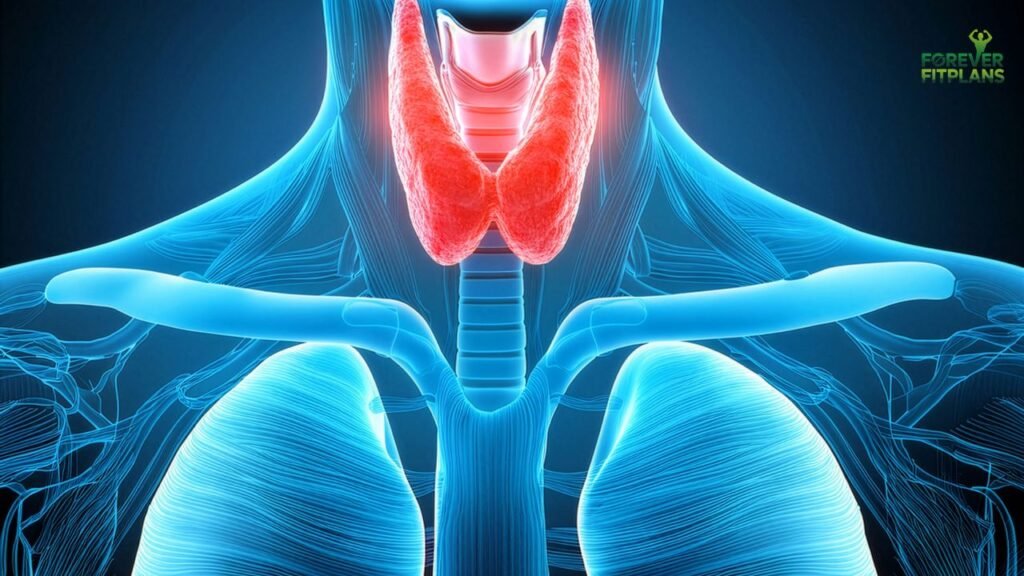
Symptoms of low thyroid function include:
- Unexplained weight gain despite no change in diet
- Fatigue and sluggishness
- Feeling cold all the time
- Constipation
- Dry skin and hair loss
If you suspect thyroid issues, get a full thyroid panel from your doctor (TSH, free T3, free T4, and thyroid antibodies).
How to support thyroid hormone balance for weight loss:
- Ensure adequate iodine (found in seafood, seaweed, and iodized salt)
- Get enough selenium — critical for converting T4 to the active T3 form (found in Brazil nuts, fish, and eggs)
- Avoid severely low-calorie diets — they signal your body to downregulate thyroid production
- Manage stress — cortisol suppresses thyroid hormone conversion
- Discuss with your doctor if symptoms persist — medication may be necessary for clinical hypothyroidism
7. Testosterone — The Muscle-Building Hormone
Testosterone matters for weight loss in both men and women. It plays a key role in building and maintaining lean muscle mass, and muscle is your metabolic engine.
Low testosterone leads to:
- Loss of muscle mass
- Lower metabolic rate
- Increased body fat, especially around the belly
- Low energy and motivation
How to support healthy testosterone for weight loss:
- Strength train regularly — resistance exercise is the most effective natural testosterone booster
- Get adequate zinc (found in oysters, beef, pumpkin seeds, and legumes)
- Sleep well — testosterone is produced primarily during sleep
- Maintain a healthy body fat percentage — excessive fat, especially belly fat, converts testosterone to estrogen
- Avoid chronic alcohol use — it suppresses testosterone production
The Hormone-Balancing Diet for Weight Loss
What you eat has a direct and profound effect on every hormone listed above. Here’s how to structure your diet to balance hormones for weight loss:
| Eat More Of | Why It Helps |
| Non-starchy vegetables | Fiber supports estrogen clearance and insulin sensitivity |
| Fatty fish (salmon, mackerel) | Omega-3s reduce inflammation and improve leptin sensitivity |
| Eggs | Provide choline and cholesterol needed to produce hormones |
| Cruciferous vegetables | Help liver detoxify excess estrogen |
| Nuts and seeds | Provide healthy fats needed for hormone production |
| Legumes | High fiber lowers insulin response |
| Berries | Antioxidants reduce inflammation that disrupts hormones |
| Avocado | Healthy fats support sex hormone production |
| Eat Less Of | Why It Hurts |
| Refined carbs and sugar | Spike insulin and drive insulin resistance |
| Alcohol | Impairs estrogen metabolism and lowers testosterone |
| Processed foods | Contain chemicals that disrupt hormone receptors |
| Vegetable oils (high omega-6) | Promote inflammation that worsens hormone signaling |
| Caffeine in excess | Raises cortisol, especially when consumed while stressed or sleep-deprived |
Daily Habits That Balance Hormones for Weight Loss
Your everyday lifestyle choices have a significant impact on hormonal health in addition to food:
The Unavoidable Hormone Reset: Sleep
Your body releases cortisol, manufactures testosterone, and controls ghrelin and leptin as you sleep. All of these are simultaneously disrupted by even a few sleepless nights. When it comes to hormonal weight loss, no diet or supplement can completely make up for long-term sleep deprivation.
Suggestions for improved sleep:
- Maintain a regular wake-up and bedtime, even on the weekends.
- Make sure your bedroom is quiet, chilly (65–68°F), and dark.
- Blue light suppresses melatonin, so stay away from devices for 60 minutes before bed.
- Steer clear of heavy meals and alcohol two to three hours before bed.
Exercise: The Correct Type Is Important
Hormones are not equally balanced by various forms of exercise. In fact, for some people, excessive cardio can aggravate hormonal weight gain by increasing cortisol.
The best kinds of exercise for balancing hormones:
- Strength exercise (two to four times a week) increases testosterone, increases insulin sensitivity, and develops muscle that is metabolically active.
- Walking every day reduces cortisol, enhances insulin sensitivity, and keeps the body from being overly stressed.
- HIIT (1-2 times a week, not more): Short bursts of high-intensity exercise increase fat burning and growth hormone, but too much of it elevates cortisol.
- Pilates or yoga: Promotes parasympathetic nervous system activity, lowers cortisol, and enhances sleep.
Stress Reduction: Frequently the Ignored Secret
Chronic stress is the main hormonal obstacle to weight loss for many people, particularly women. Almost all other beneficial changes are overshadowed by elevated cortisol.
Practical stress reduction strategies:
- 10 minutes of deep breathing or meditation daily
- Journaling (writing stress out reduces rumination)
- Regular social connection and time with loved ones
- Time in nature — even short walks in green spaces- lowers cortisol measurably
- Setting boundaries around work hours and digital consumption
Signs Your Hormones May Be Imbalanced
How can you determine whether a hormonal imbalance is preventing you from losing weight? Keep an eye out for these signs:
- Even if you do not consume much, you readily gain weight, especially around the belly.
- You are constantly hungry, even just after eating.
- Even though you had adequate sleep, you are worn out.
- You experience intense desires for carbohydrates or sugar, particularly in the afternoon or evening.
- You keep losing and gaining the same five to ten pounds.
- Your weight reduction is typical, but after a few weeks or months, it completely stops.
- You are having mood swings, reduced libido, or irregular periods (women)
- You may have thyroid problems if you feel chilly, constipated, or cognitively hazy.
It is worthwhile to get a hormonal blood panel performed if multiple of these apply to you. You can get a clear image of where to concentrate by testing for insulin, cortisol, thyroid hormones, estrogen, testosterone, and leptin (where available).
Frequently Asked Questions
Can balancing hormones really help with weight loss?
Yes — significantly. When key hormones like insulin, cortisol, leptin, and thyroid hormones are out of balance, your body actively resists fat loss regardless of how well you eat or how much you exercise. Correcting these imbalances removes biological barriers to weight loss and makes your efforts far more effective. Many people experience breakthroughs in weight loss after addressing hormonal issues that had been overlooked for years.
What is the fastest way to balance hormones for weight loss?
The fastest results typically come from three simultaneous changes: reducing refined carbohydrates and sugar (which directly lowers insulin), improving sleep quality (which resets leptin, ghrelin, cortisol, and testosterone overnight), and adding strength training (which improves insulin sensitivity and boosts testosterone). These three changes together create a rapid shift in your hormonal environment, often with noticeable results within 2–4 weeks.
Which hormone is most responsible for belly fat?
Cortisol is the primary hormone linked to belly fat accumulation. Chronically elevated cortisol specifically drives visceral fat storage around the abdomen. High insulin is the second major contributor. Addressing both — by managing stress and reducing refined carbohydrate intake — is the most direct approach to losing stubborn belly fat from a hormonal perspective.
Can a hormone imbalance prevent weight loss even with diet and exercise?
Yes — and this is one of the most frustrating and underrecognized realities in weight management. Severe insulin resistance, leptin resistance, hypothyroidism, or very high cortisol can make weight loss extremely difficult, even with a consistent diet and exercise. This is why identifying the specific hormonal imbalance through blood testing is so important. Treating the root cause — whether through lifestyle changes, nutrition, or medical support — is necessary for meaningful progress.
What foods help balance hormones for weight loss?
The most hormone-supportive foods include: fatty fish (omega-3s reduce inflammation and improve leptin sensitivity), cruciferous vegetables (support estrogen detoxification), eggs (provide cholesterol and choline for hormone production), nuts and seeds (healthy fats needed to synthesize hormones), and fiber-rich legumes (improve insulin sensitivity). Removing ultra-processed foods, excess sugar, and alcohol is equally important as adding beneficial foods.
Does intermittent fasting help balance hormones for weight loss?
Yes — intermittent fasting can be a powerful tool for hormonal balance. It significantly lowers insulin levels during the fasting window, which shifts the body from fat-storing to fat-burning mode. It also improves insulin sensitivity over time, supports healthy growth hormone production, and may help regulate leptin. However, very long fasting periods in women can sometimes disrupt cortisol and reproductive hormones — so starting with a moderate 14:10 or 16:8 approach is recommended.
How long does it take to rebalance hormones for weight loss?
It depends on which hormones are affected and how far out of balance they are. With consistent lifestyle changes — improved diet, better sleep, stress management, and regular exercise — many people notice hormonal improvements within 4–8 weeks. Measurable changes in HbA1c, fasting insulin, and cortisol often appear after 2–3 months. Thyroid conditions and severe estrogen imbalances may take longer and sometimes require medical intervention. Patience and consistency are essential.
Conclusion
Your hormones need to be examined more closely if you have been trapped in a pattern of dieting and working out without seeing benefits. Learning how to balance hormones for weight loss is about working with your body’s chemistry rather than fighting against it, not about taking drastic measures.
Strong scientific evidence supports the tactics in this book, including eating to balance insulin, controlling cortisol through stress and sleep, enhancing leptin and ghrelin signals, and promoting thyroid and sex hormone health. Additionally, they collaborate. As a result of the hormonal environment created by each good shift, losing weight becomes effortless rather than difficult. You have a significant edge when you understand how to regulate hormones for weight loss because you are no longer merely monitoring calories. The mechanism that regulates how your body consumes those calories is being fixed by you.
Start with the easiest adjustment: gain an extra hour of sleep tonight, replace breakfast with eggs and veggies tomorrow, and go for a ten-minute stroll after supper. Both the scale and your hormones will take note.
Also read more in this blog from Healthline.

Dr. Daniel Carter is a certified health & wellness writer and fitness lifestyle researcher with over 8 years of experience in nutrition, weight management, sleep health, and preventive care. He is passionate about helping people live healthier, stronger, and more balanced lives through science-backed fitness strategies and easy-to-follow wellness tips.
Through FitForever Plan, Dr. Carter shares practical health advice, workout guidance, and nutrition insights designed to support long-term fitness, sustainable weight loss, and overall well-being. His mission is to make healthy living simple, achievable, and enjoyable for everyone.