Is Steak Good for Weight Loss? The Honest Answer Every Meat Lover Needs to Hear
If you love steak but you’re trying to lose weight, you’ve probably asked yourself this question at least once: Do I have to give this up?
The good news? You don’t. Is steak good for weight loss? That’s one of the most searched questions in the nutrition world right now, and the answer is more nuanced (and more encouraging) than most diet advice suggests. Yes, steak can absolutely be part of a weight loss plan — but the cut you choose, the portion size, the cooking method, and what you eat alongside it all matter enormously.
Losing weight after having a baby takes time and the right approach. If you are also managing blood sugar alongside postpartum recovery, you might find our detailed diabetes weight loss plan for females very helpful — it covers food, exercise, and hormone-friendly habits that work for real women.
This guide breaks down the real science behind steak and weight loss. You’ll learn which cuts support fat burning, which ones work against you, how much to eat, how to cook it, and what common mistakes people make when eating steak on a diet. No fluff, no extreme positions — just practical, honest information grounded in nutrition science.
Is Steak Good for Weight Loss? Here’s What the Science Says
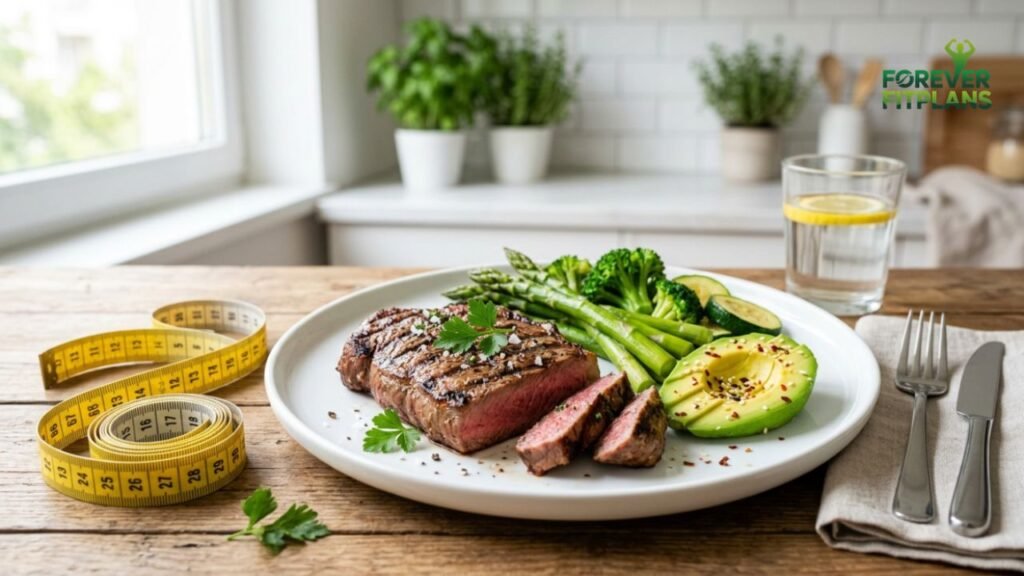
Let’s get straight to the point. Steak — specifically lean cuts of beef — can genuinely support weight loss for several important reasons.
Steak Is High in Protein
This is the biggest reason steak earns a place in a weight loss diet. A 100-gram serving of lean steak provides 25–30 grams of complete protein — all nine essential amino acids your body needs.
Protein is the most powerful macronutrient for weight loss because:
- It reduces hunger by lowering ghrelin (the hunger hormone)
- It increases fullness hormones like peptide YY and GLP-1
- It has a high thermic effect — your body burns 20–30% of protein calories just digesting it
- It preserves lean muscle mass during calorie restriction, which keeps your metabolism from slowing down
Studies consistently show that high-protein diets lead to greater fat loss and better preservation of muscle than low-protein diets — even at the same total calorie intake.
Steak Keeps You Full for Hours
Because protein and fat take longer to digest than carbohydrates, a steak meal can keep you satisfied for 4–6 hours. This naturally reduces the urge to snack between meals — one of the biggest contributors to excess calorie intake.
Research published in the American Journal of Clinical Nutrition found that increasing protein to 30% of total calories caused participants to automatically eat about 441 fewer calories per day — without counting calories or intentionally restricting food.
Steak Contains Important Micronutrients
Beyond protein, beef is rich in nutrients that support overall health and metabolic function during weight loss:
- Iron (heme iron) — Highly bioavailable form that supports energy, oxygen transport, and prevents fatigue
- Zinc — Supports immune function, hormone production, and metabolism
- B12 — Critical for nerve function, DNA synthesis, and red blood cell production
- Creatine — Naturally found in beef; supports muscle strength and recovery
- Selenium — Antioxidant that supports thyroid function (important for metabolism)
- Conjugated Linoleic Acid (CLA) — A naturally occurring fatty acid in beef linked to modest fat loss in some studies
So yes — steak is good for weight loss when chosen and prepared correctly. But the type of cut you eat makes a significant difference.
The Best and Worst Steak Cuts for Weight Loss
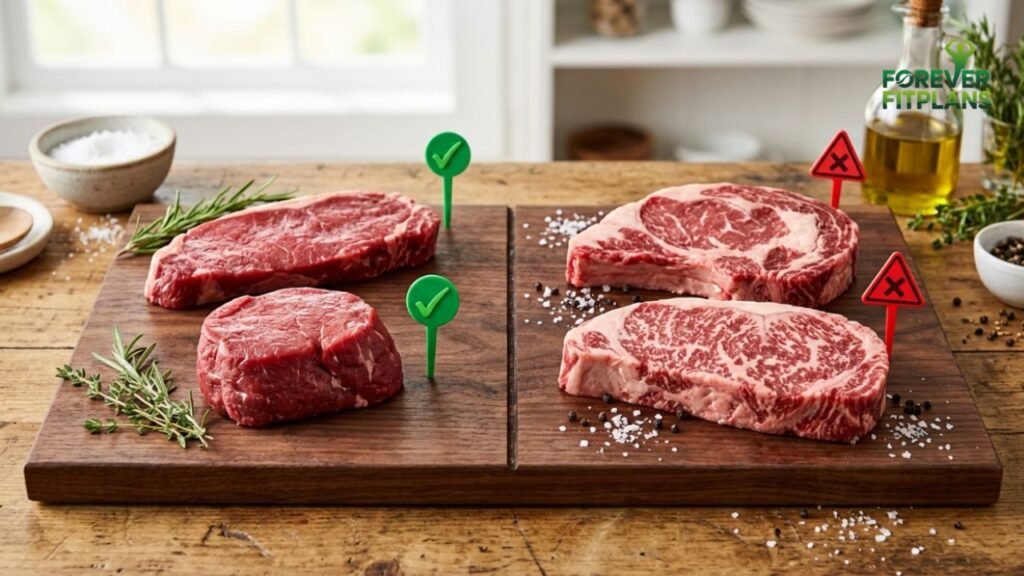
Not all steak is equal. The cut determines the fat content, calorie count, and protein density. Here’s a clear breakdown:
Best Steak Cuts for Weight Loss (Lean Cuts)
| Cut | Calories (100g) | Protein | Total Fat | Saturated Fat |
| Eye of Round | 144 kcal | 26g | 4g | 1.4g |
| Sirloin (Top) | 158 kcal | 26g | 6g | 2.4g |
| Flank Steak | 162 kcal | 27g | 7g | 2.9g |
| Strip Loin (NY Strip) | 175 kcal | 25g | 8g | 3.2g |
| Tenderloin (Filet Mignon) | 179 kcal | 24g | 9g | 3.5g |
| T-Bone (trimmed) | 180 kcal | 24g | 9g | 3.5g |
These cuts are the most weight-loss-friendly options. They’re high in protein, moderate in fat, and lower in calories compared to fattier cuts.
Steak Cuts to Limit on a Weight Loss Diet
| Cut | Calories (100g) | Total Fat | Notes |
| Ribeye | 291 kcal | 22g | High fat — enjoy occasionally |
| T-Bone (fatty portion) | 250 kcal | 17g | Moderate fat — watch portions |
| Porterhouse | 260 kcal | 18g | Rich flavor, higher calories |
| Brisket | 278 kcal | 20g | Delicious but high in fat |
| Prime Rib | 340 kcal | 26g | Best reserved for special occasions |
This doesn’t mean you can never eat a ribeye — it just means lean cuts like sirloin, flank, and eye of round give you more protein with fewer calories, which is ideal when you’re trying to lose weight.
How Steak Fits Into Different Weight Loss Diets
Steak on a High-Protein Diet
This is the most straightforward fit. High-protein diets (where protein makes up 25–35% of daily calories) consistently outperform standard diets for fat loss, muscle retention, and metabolic rate preservation. Lean steak is an ideal protein source — nutrient-dense, satisfying, and versatile.
Steak on a Low-Carb or Keto Diet
Steak is a staple of both low-carb and ketogenic diets. With zero carbohydrates and high protein and fat content, steak fits perfectly into these eating patterns. On keto, fattier cuts like ribeye are sometimes preferred because the diet is fat-driven. On a standard low-carb diet, lean cuts offer a better calorie-to-protein ratio.
Steak on a Calorie-Controlled Diet
Yes, steak is good for weight loss even on a traditional calorie-counting plan — as long as portions are managed. A 150–200 gram (5–7 oz) serving of lean sirloin contains approximately 250–300 calories and 38–46 grams of protein. That’s an excellent macronutrient profile for a main course.
Steak on a Mediterranean-Style Diet
The Mediterranean diet allows moderate amounts of lean red meat — typically 1–2 times per week. Paired with vegetables, legumes, olive oil, and whole grains, steak fits comfortably into this balanced approach.
How Much Steak Should You Eat for Weight Loss?
Portion size matters — even with healthy, high-protein foods. Here’s a practical guide:
| Goal | Recommended Serving Size | Approximate Protein |
| Weight loss | 150–200g (5–7 oz) | 37–50g protein |
| Maintenance | 200–250g (7–9 oz) | 50–62g protein |
| Muscle building | 200–300g (7–10 oz) | 50–75g protein |
General guidelines:
- Aim for 1–2 servings of lean red meat per week as part of a varied, balanced diet
- The World Health Organization (WHO) recommends keeping processed red meat intake low and limiting unprocessed red meat to moderate amounts.
- Balance steak meals with plenty of vegetables, fiber-rich foods, and adequate hydration
The Best Ways to Cook Steak for Weight Loss
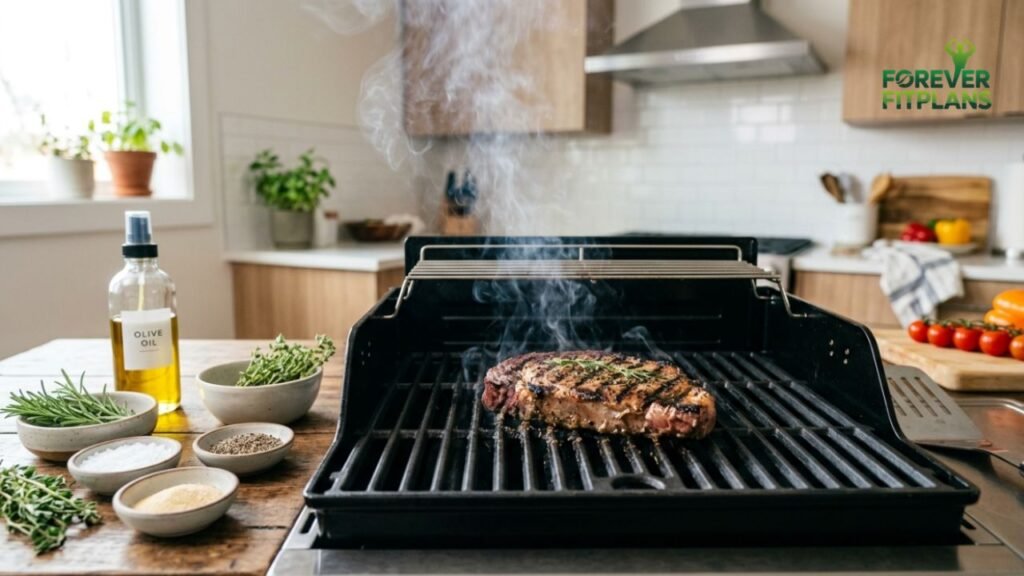
How you cook steak affects its calorie count more than most people realize. Drowning a lean sirloin in butter, cream sauce, or frying it in oil adds hundreds of calories and turns a weight-loss-friendly meal into a diet-busting one.
Cooking Methods Ranked (Best to Worst for Weight Loss)
1. Grilling allows excess fat to drip away from the meat, reducing total calorie content. It also imparts excellent flavor without added oil or butter. This is the best cooking method for weight loss.
2. Pan-Searing (with minimal oil) A small amount of olive oil (1 tsp) in a hot cast-iron pan creates a beautiful crust with minimal added calories. Season with herbs, garlic, and spices rather than butter-based sauces.
3. Broiling: Similar to grilling — high, dry heat cooks the steak without adding fat. Great for lean cuts like flank or sirloin.
4. Sous Vide + Quick Sear Cooking steak in a water bath at precise temperatures retains moisture without added fat. A quick 30-second sear in a dry pan finishes it with great texture.
5. Frying in Butter/Oil (least ideal) Pan-frying with generous butter or oil adds 100–200+ extra calories. Reserve this for occasional enjoyment, not regular weight-loss meals.
Seasonings That Add Flavor Without Calories
Skip the cream sauces and opt for these zero-to-low calorie flavor boosters:
- Fresh garlic and rosemary
- Black pepper and sea salt
- Smoked paprika and cumin
- Chimichurri sauce (olive oil, herbs, garlic — use in small amounts)
- Lemon juice and fresh herbs
- Low-sodium soy sauce or Worcestershire sauce (small amounts)
What to Eat With Steak for Better Weight Loss Results
The side dishes you choose with steak can make or break your weight loss plan. Creamy mashed potatoesFrenchch fries, and buttered corn are common steak companions — but they add hundreds of calories and refined carbs that counter the lean protein benefits.
Weight-Loss-Friendly Steak Pairings
| Side Dish | Why It Works | Approx. Calories |
| Roasted broccoli | High fiber, fills the plate, low calorie | 55 kcal (1 cup) |
| Mixed green salad | Volume, fiber, nutrients | 30–80 kcal |
| Steamed asparagus | Nutrient-dense, filling, low-carb | 40 kcal (1 cup) |
| Roasted mushrooms | Savory, satisfying, very low-calorie | 35 kcal (1 cup) |
| Cauliflower mash | Low-carb potato alternative | 70 kcal (1 cup) |
| Grilled zucchini | Light, flavorful, fiber-rich | 30 kcal (1 cup) |
| Sweet potato (small) | Complex carbs, good pre/post-workout | 103 kcal (small) |
The ideal steak plate for weight loss:
- 50% of the plate — non-starchy vegetables
- 35–40% of the plate — lean steak (150–200g)
- 10–15% of the plate — small portion of complex carb (optional)
Common Mistakes That Make Steak Bad for Weight Loss
Steak itself isn’t the problem — but how people eat it often is. Here are the most frequent mistakes:
1. Choosing the Wrong Cut
Ordering a 400-gram prime rib with visible fat marbling and expecting to lose weight is a mismatch. Choose lean cuts like sirloin, flank, or tenderloin.
2. Oversized Portions
Restaurant steaks are often 300–500 grams, double or triple what you need. Split the portion, take half home, or specifically order a smaller cut.
3. High-Calorie Sauces and Toppings
Béarnaise sauce, compound butter, and blue cheese toppings can add 200–400 extra calories to a meal. Use herbs, lemon, and light sauces instead.
4. Calorie-Dense Sides
French fries, creamed spinach, cheesy potatoes, and onion rings alongside steak can turn a 400-calorie meal into a 1,200-calorie one. Swap for roasted or steamed vegetables.
5. Eating Steak Too Often
Even lean red meat should be eaten in moderation — 1–2 times per week is ideal. Eating it daily, especially with fatty cuts, increases saturated fat intake and may affect cardiovascular health over time.
6. Pairing With Alcohol
A beer or glass of wine with steak is enjoyable occasionally, but alcohol adds empty calories and reduces your body’s fat-burning ability for several hours after consumption.
Steak and Weight Loss: A Week of Healthy Meal Ideas
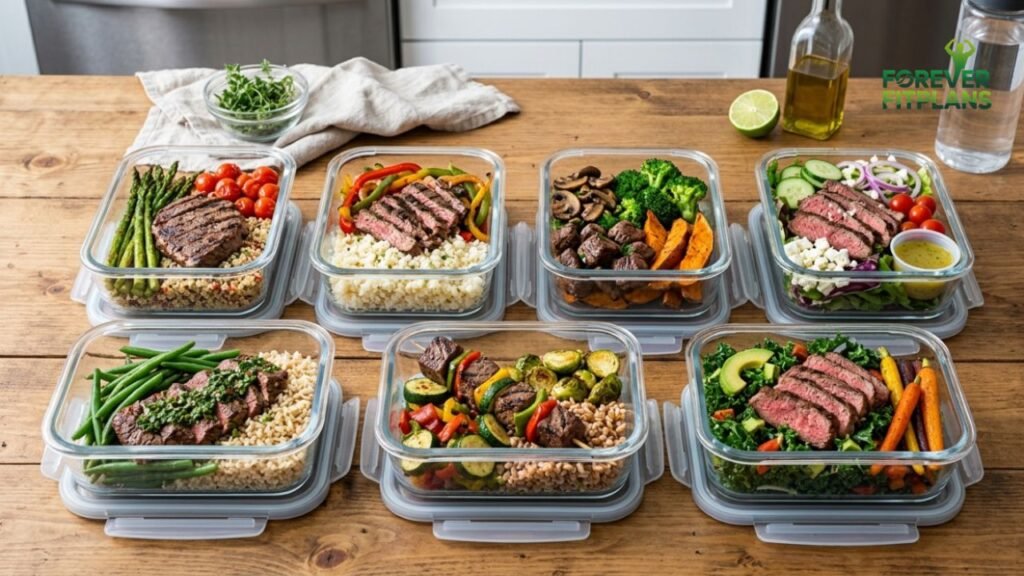
Here’s how to incorporate steak into a balanced weight loss week without going overboard:
| Day | Meal Idea |
| Monday | Grilled sirloin (170g) + roasted broccoli + mixed green salad |
| Tuesday | No steak — baked salmon + steamed vegetables |
| Wednesday | Flank steak stir-fry with bell peppers, zucchini, and a small portion of brown rice |
| Thursday | No steak — grilled chicken + quinoa + salad |
| Friday | Pan-seared tenderloin (150g) + cauliflower mash + asparagus |
| Saturday | No steak — lentil soup + whole grain bread |
| Sunday | Grilled strip loin (170g) + sweet potato (small) + roasted mushrooms |
This pattern gives you 3 steak meals per week — enough to enjoy the protein and satiety benefits without overdoing red meat consumption.
FAQs: Is Steak Good for Weight Loss?
Q1. Is steak good for weight loss if eaten every day?
Daily steak — especially lean cuts — can support protein intake for weight loss, but it’s not ideal in the long termng term. Eating red meat daily increases exposure to saturated fat and heme iron, which at high levels may affect cardiovascular health. Most nutrition guidelines recommend 1–3 servings of lean red meat per week as part of a varied diet. On days you don’t eat steak, choose fish, chicken, legumes, or eggs for protein variety.
Q2. Which steak is best for weight loss?
The leanest cuts — eye of round, top sirloin, flank steak, and tenderloin — are the best steaks for weight loss. They provide the most protein per calorie and the least saturated fat. Sirloin is particularly popular because it balances lean nutrition with great flavor and is widely available and affordable.
Q3. Can I eat steak on a low-carb diet to lose weight?
Absolutely. Steak is naturally zero-carb and is one of the most compatible foods for low-carb and ketogenic diets. On a standard low-carb diet, pair lean steak with non-starchy vegetables. On keto, you can enjoy slightly fattier cuts since fat provides the majority of calories in that eating pattern.
Q4. Does red meat cause belly fat?
Steak itself doesn’t specifically cause belly fat — excess total calories do. High-fat cuts eaten in large portions, paired with calorie-dense sides and sauces, can contribute to calorie surplus and fat gain over time. Lean steak in appropriate portions, as part of a calorie-controlled diet, supports fat loss — including from the abdominal area.
Q5. Is grilled steak healthier than pan-fried for weight loss?
Yes. Grilling allows excess fat to drip away from the meat, reducing the total fat and calorie content of the finished steak. Pan-frying with butter or generous amounts of oil adds significant calories. If you prefer pan-searing, use a non-stick pan with just 1 teaspoon of olive oil for minimal added fat.
Q6. How much protein is in a typical steak serving?
A 170-gram (6 oz) serving of lean sirloin provides approximately 42–44 grams of protein. A tenderloin of the same size provides around 40 grams. These are excellent protein yields that satisfy a large portion of the average adult’s daily protein requirement (which is roughly 0.8–1.2g per kilogram of body weight for most adults, and higher for those who exercise regularly).
Q7. Is steak or chicken better for weight loss?
Both are excellent high-protein, weight-loss-friendly foods. Skinless chicken breast is slightly lower in calories and fat than most steak cuts, making it marginally more calorie-efficient. But lean steak provides more iron, zinc, B12, and creatine. The best approach is to eat both regularly — chicken for everyday protein, steak 1–2 times per week for its unique nutritional benefits.
Conclusion: Is Steak Good for Weight Loss? Yes — If You Do It Right
The answer is clear: yes, steak is good for weight loss — but context matters enormously.
Lean cuts like sirloin, flank steak, and tenderloin are protein powerhouses that keep you full, fuel your metabolism, preserve muscle during calorie restriction, and deliver key micronutrients that many weight-loss foods lack. When grilled or pan-seared without heavy sauces, paired with vegetables instead of fries, and eaten in sensible portions 1–2 times a week, steak fits naturally and enjoyably into a fat-loss diet.
What makes steak bad for weight loss isn’t the steak itself — it’s oversized portions, fatty cuts eaten daily, calorie-heavy sides, and high-fat cooking methods. Fix those things, and steak becomes one of your best allies on the path to a leaner body.
You don’t have to give up the foods you love to lose weight. You just have to understand how to use them wisely.
According to the American College of Obstetricians and Gynecologists (ACOG), new mothers should get medical clearance before starting any postpartum exercise routine. Their official guidelines help you understand exactly when and how to begin moving safely after delivery.
If this guide helped you rethink your relationship with steak and dieting, share it with a fellow meat lover who’s been told they have to eat plain salads to slim down. They’ll thank you for it.

Dr. Daniel Carter is a certified health & wellness writer and fitness lifestyle researcher with over 8 years of experience in nutrition, weight management, sleep health, and preventive care. He is passionate about helping people live healthier, stronger, and more balanced lives through science-backed fitness strategies and easy-to-follow wellness tips.
Through FitForever Plan, Dr. Carter shares practical health advice, workout guidance, and nutrition insights designed to support long-term fitness, sustainable weight loss, and overall well-being. His mission is to make healthy living simple, achievable, and enjoyable for everyone.