
Toenail Fungus Vinegar: Does It Really Work and How to Use It
Toenail fungus vinegar is one of the most searched home remedies on the internet today, and for good reason. Millions of people around the world suffer from toenail fungus, a common condition that causes nails to become thick, discolored, brittle, and sometimes painful. While there are prescription medications available, many people prefer to try natural remedies first before turning to stronger treatments.
Vinegar, especially apple cider vinegar, has been used for centuries as a natural remedy for many health conditions, and its use for toenail fungus has gained a lot of attention in recent years.
In this article, we will explore everything you need to know about using vinegar for toenail fungus, including how it works, the best ways to use it, what results to expect, and when you should see a doctor instead.
For additional insights on healthy fats and nutrition, you might also find our article Is Olive Oil Healthy?
What Is Toenail Fungus?
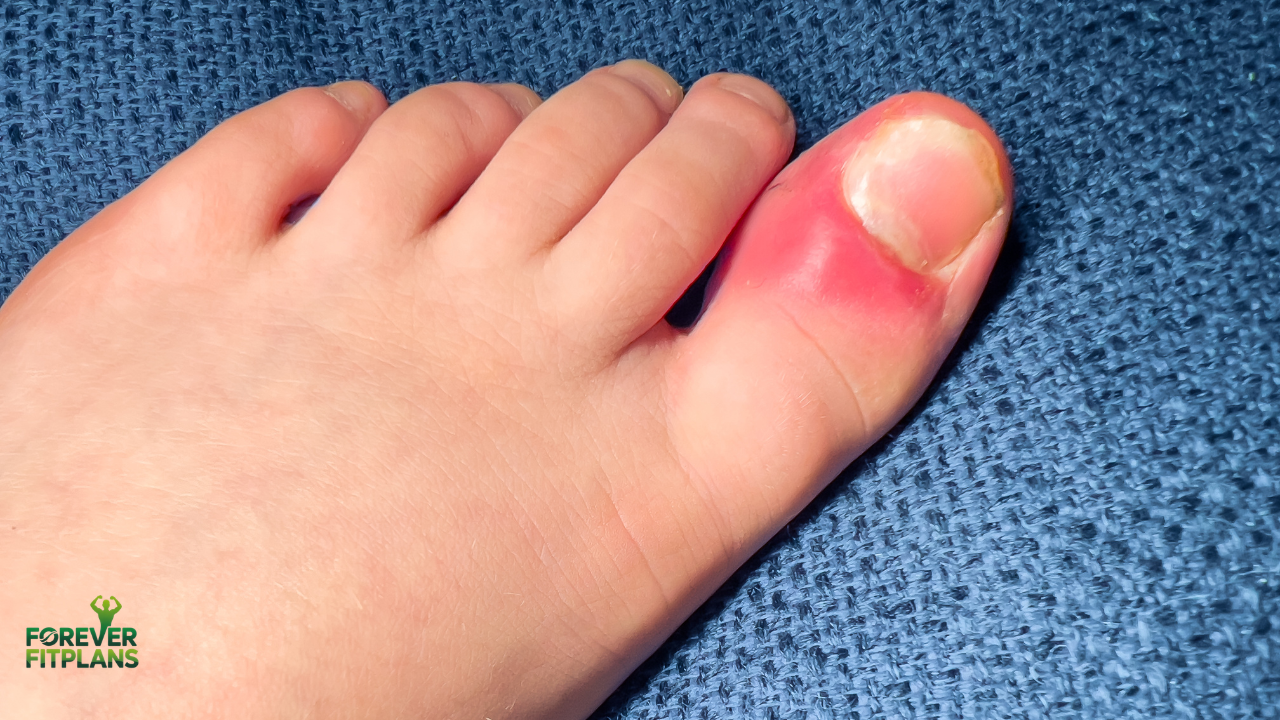
Before we talk about toenail fungus vinegar treatments, it helps to understand what toenail fungus actually is. Toenail fungus, medically known as onychomycosis, is a fungal infection that affects the nails. It usually starts as a small white or yellow spot under the tip of the nail and gradually spreads deeper into the nail.
As the infection progresses, the nail may become thick, crumbly, and discolored, turning yellow, brown, or even black. In some cases, the nail may separate from the nail bed, which can be painful and uncomfortable. Toenail fungus is more common in older adults, people who sweat heavily, those who walk barefoot in public places like swimming pools and locker rooms, and people with weakened immune systems or conditions like diabetes.
Toenail fungus is not just a cosmetic problem. If left untreated, it can spread to other nails or even cause pain when walking. That’s why finding an effective treatment, whether natural or medical, is so important.
Why Vinegar Works Against Toenail Fungus
The reason toenail fungus vinegar treatments work comes down to one simple fact: fungi cannot thrive in an acidic environment. Vinegar, especially apple cider vinegar, is naturally acidic. When you apply vinegar to infected nails, it creates an acidic environment that makes it difficult for the fungus to survive and spread.

Apple cider vinegar also has natural antifungal and antibacterial properties. It contains acetic acid, which is the main active ingredient responsible for its ability to fight fungal infections. Acetic acid disrupts the cell membranes of fungi, helping to slow their growth and eventually kill them.
White vinegar works in a similar way because it also contains acetic acid. While it doesn’t have all the additional beneficial compounds found in apple cider vinegar, it is still effective as a toenail fungus treatment and is often less expensive.
It’s important to note that vinegar is not a miracle cure. It works best for mild to moderate cases of toenail fungus, and results take time and consistent effort. But for many people, it is a safe, affordable, and accessible option worth trying.
Types of Vinegar Used for Toenail Fungus
When it comes to toenail fungus vinegar treatments, two types are most commonly used.
Apple Cider Vinegar is the most popular choice for treating toenail fungus naturally. It is made from fermented apple juice and contains acetic acid, along with other beneficial compounds like enzymes and minerals. Raw, unfiltered apple cider vinegar with the “mother” is considered the most potent and effective option. The mother refers to the cloudy, web-like substance that forms naturally during the fermentation process and contains beneficial bacteria and enzymes.
White Vinegar is the other commonly used option. It is a distilled vinegar made from grain alcohol and contains a higher concentration of acetic acid than apple cider vinegar, typically around 5 to 8 percent. Some people find white vinegar to be slightly more effective due to its higher acid content, while others prefer apple cider vinegar because of its additional natural compounds.
Both types of vinegar are safe to use on your skin and nails and are readily available at any grocery store for very little cost.
How to Use Toenail Fungus Vinegar Treatments
There are several effective methods for using vinegar to treat toenail fungus. Here are the most popular and proven approaches.
Vinegar Foot Soak
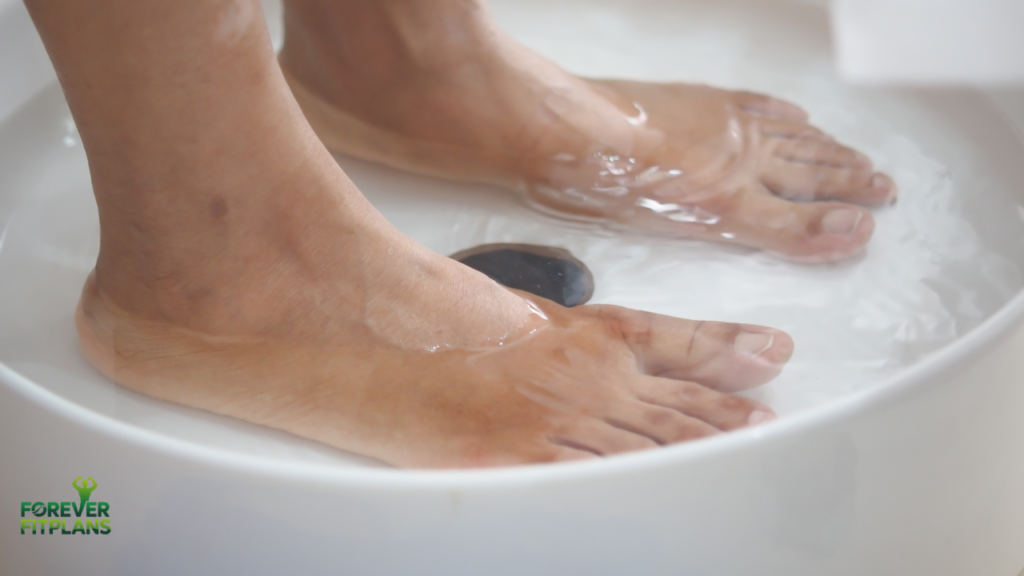
The most common and effective method is a simple vinegar foot soak. To do this, mix one part vinegar with two parts warm water in a basin large enough to fit your feet comfortably. Soak your affected foot or feet in this solution for 15 to 30 minutes once or twice daily. After soaking, rinse your feet with clean water and dry them thoroughly, paying special attention to the areas between your toes. Moisture is a friend to fungus, so keeping your feet dry is very important.
Consistency is key with this method. You need to do this daily for several weeks or even months to see noticeable results. Most people begin to see improvement after four to six weeks of regular soaking.
Undiluted Vinegar Application
For a more targeted approach, you can apply undiluted apple cider vinegar directly to the affected nail using a cotton ball or a clean brush. Let it sit on the nail for about 10 to 15 minutes, then rinse and dry your foot thoroughly. This method delivers a more concentrated dose of acetic acid directly to the infection site.
Some people find that undiluted vinegar causes mild skin irritation, especially around the edges of the nail. If this happens, dilute the vinegar with equal parts water before applying.
Vinegar and Baking Soda Combination
Some people use vinegar and baking soda together as a two-step treatment. First, soak your feet in a vinegar solution for 15 minutes as described above. Then drain the vinegar water and add baking soda to fresh warm water, and soak your feet again for another 15 minutes. The idea is that the vinegar creates an acidic environment to kill fungus, while baking soda prevents new fungal growth by creating an alkaline environment. While scientific evidence for this combination is limited, many people report positive results.
Vinegar and Essential Oils
Adding a few drops of antifungal essential oils like tea tree oil, oregano oil, or lavender oil to your vinegar foot soak can boost its effectiveness. These essential oils have their own antifungal properties and work well alongside vinegar to fight toenail fungus. Add five to ten drops of essential oil to your vinegar and water soak for an enhanced treatment.
What Results to Expect
When using toenail fungus vinegar treatments, patience is essential. Toenails grow slowly, and it can take anywhere from six months to a full year for a completely healthy nail to grow in and replace an infected one. This means that even if the treatment is working, you may not see dramatic results right away.
In the first few weeks, you might notice that the fungus has stopped spreading to other areas of the nail. After a month or two of consistent treatment, the infected portion of the nail may begin to look less discolored. Over several months, as the nail grows, the healthy new nail growth should become visible at the base.
Take photos of your nails regularly to track your progress. Because changes happen very gradually, it can be easy to miss improvements without a visual record to compare.
Tips to Boost Your Toenail Fungus Vinegar Treatment
To get the best results from your vinegar treatment, combine it with good foot hygiene practices. Keep your nails trimmed short and filed down to help the vinegar penetrate the nail better. Always wear clean, dry socks made from breathable materials like cotton or wool. Change your socks daily or even twice a day if your feet sweat a lot.

Wear shower shoes or flip flops in public areas like locker rooms, swimming pools, and gym showers. Avoid sharing nail clippers, files, or other nail tools with others. Replace old, worn-out shoes that may harbor fungal spores. Let your feet breathe whenever possible by going barefoot at home in clean environments.
When to See a Doctor
While toenail fungus vinegar treatments are safe and effective for many people, there are situations where you should consult a doctor instead of relying solely on home remedies. If your infection is severe, covering most or all of the nail, you likely need prescription antifungal medication. If you have diabetes, a weakened immune system, or poor circulation, toenail fungus can become a more serious health concern and should be treated by a healthcare professional.
If your nail is causing significant pain or if the infection is spreading rapidly despite home treatment, see a doctor promptly. Prescription antifungal pills or medicated nail polishes are highly effective for severe cases and may be necessary when vinegar alone is not enough.
Final Thoughts
Toenail fungus vinegar treatments offer a safe, affordable, and natural way to tackle a stubborn and uncomfortable condition. Apple cider vinegar and white vinegar both work by creating an acidic environment that fungi cannot survive in, helping to slow and stop the infection over time. While vinegar is not a guaranteed cure and results require patience and consistency, many people have successfully treated mild to moderate toenail fungus using this simple home remedy.
The most important things to remember are to be consistent with your treatments, practice good foot hygiene, and keep your expectations realistic. If you don’t see improvement after two to three months of regular vinegar treatments, or if your condition seems to be getting worse, it’s always a good idea to consult your doctor. With the right approach and a little patience, clearer, healthier nails are absolutely within reach.
Frequently Asked Questions
How long does it take for vinegar to cure toenail fungus?
Vinegar treatments typically take several months to show significant results because toenails grow very slowly. Most people begin to notice improvement after four to six weeks of daily soaking, but complete nail replacement can take six months to a full year. Consistency is the most important factor in getting results.
Is apple cider vinegar better than white vinegar for toenail fungus?
Both work well, but they have slight differences. Apple cider vinegar contains additional beneficial compounds and enzymes that may enhance its antifungal effects. White vinegar has a slightly higher concentration of acetic acid. Many people prefer apple cider vinegar, but white vinegar is equally effective and often cheaper.
Can I drink apple cider vinegar to treat toenail fungus?
Drinking diluted apple cider vinegar may support your overall health and immune system, but it is not a direct treatment for toenail fungus. The topical application through soaking or direct application is what works to fight the fungal infection locally. You can do both, but drinking it alone will not cure toenail fungus.
How often should I soak my feet in vinegar for toenail fungus?
For best results, soak your affected feet in a vinegar and warm water solution once or twice daily for 15 to 30 minutes each session. Doing it consistently every day gives you the best chance of success. Skipping days or doing it only occasionally will significantly reduce its effectiveness.
Can vinegar make toenail fungus worse?
Vinegar is generally safe and should not make toenail fungus worse. However, if you have very sensitive skin or open sores near the nail, undiluted vinegar may irritate. Always dilute vinegar with water if you experience any burning or discomfort. If irritation continues, stop using it and consult a doctor.
Can I use vinegar if I am also using prescription antifungal medication?
It is best to ask your doctor before combining vinegar soaks with prescription antifungal treatments. In most cases, vinegar soaks are safe to use alongside topical antifungal medications and can complement the treatment. However, if you are taking oral antifungal pills, your doctor should guide your overall treatment plan to ensure the best results.

Dr. Daniel Carter is a certified health & wellness writer and fitness lifestyle researcher with over 8 years of experience in nutrition, weight management, sleep health, and preventive care. He is passionate about helping people live healthier, stronger, and more balanced lives through science-backed fitness strategies and easy-to-follow wellness tips.
Through FitForever Plan, Dr. Carter shares practical health advice, workout guidance, and nutrition insights designed to support long-term fitness, sustainable weight loss, and overall well-being. His mission is to make healthy living simple, achievable, and enjoyable for everyone.