
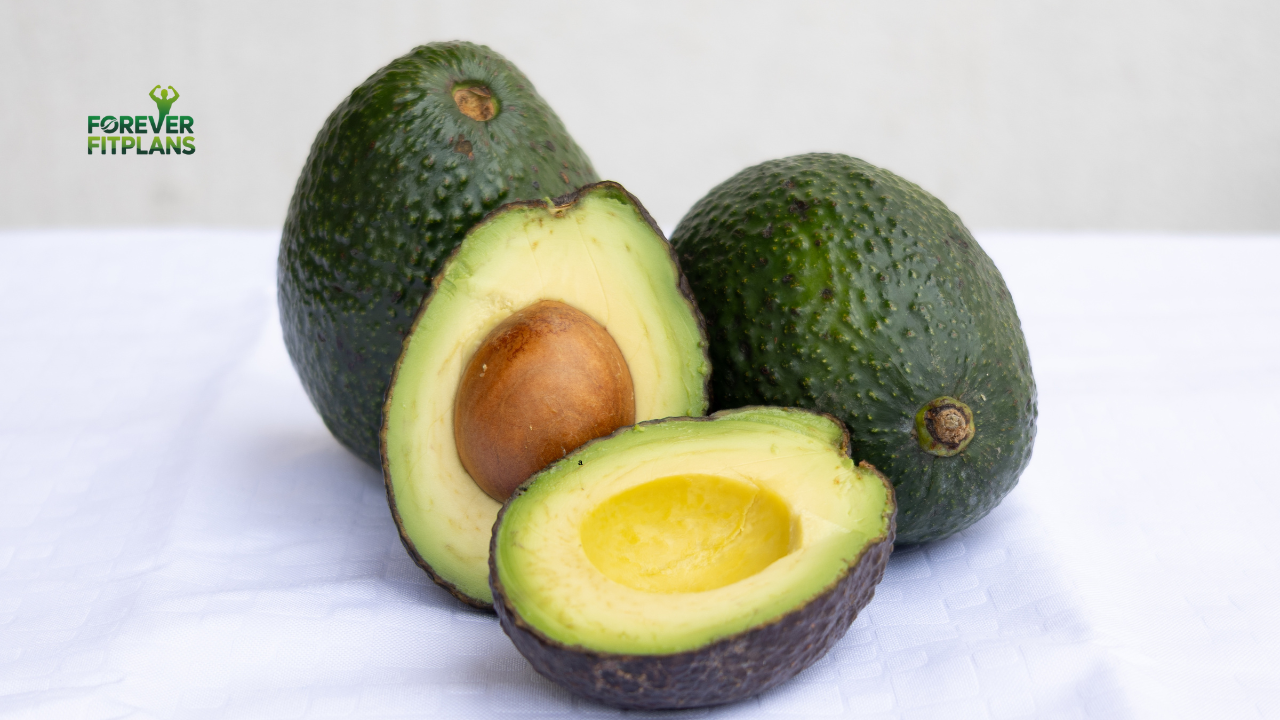
Are Avocados Good for You? Everything You Need to Know About This Superfood
Are avocados good for you? If you’ve been paying attention to health trends over the past decade, you’ve probably noticed avocados everywhere—smashed on toast, blended into smoothies, and topping just about every salad imaginable.
But is this creamy green fruit actually deserving of its superfood status, or is it just clever marketing?
Let me cut straight to the point: yes, avocados are incredibly good for you. But like most things in nutrition, the full story is more nuanced than a simple yes or no.
Understanding what makes avocados so beneficial—and how to incorporate them into your diet without overdoing it—can help you make the most of this nutritional powerhouse.
The Nutritional Breakdown That Makes Avocados Special
When you slice open an avocado, you’re looking at one of nature’s most nutrient-dense foods. A single medium avocado contains about 240 calories, which might seem high compared to other fruits. But here’s what makes those calories worth it: they come packaged with nearly 20 vitamins and minerals.
The fat content is what really sets avocados apart. About 77% of the calories in an avocado come from fat, but before you panic, understand that these are predominantly heart-healthy monounsaturated fats—the same kind found in olive oil. Specifically, avocados are loaded with oleic acid, a fatty acid that’s been linked to reduced inflammation and beneficial effects on genes related to cancer.
Beyond the fats, you’re getting a serious dose of fiber—around 10 grams per avocado. That’s roughly 40% of your daily recommended intake. Half of that fiber is soluble, which feeds the friendly bacteria in your gut, while the other half is insoluble, helping keep your digestive system running smoothly.
The vitamin and mineral profile reads like a multivitamin label. We’re talking about vitamin K, folate, vitamin C, potassium (more than a banana, actually), vitamin B6, and vitamin E. There’s also a decent amount of magnesium, manganese, copper, iron, zinc, and vitamins A and B. Not bad for one piece of fruit.
Heart Health Benefits That Actually Matter
One of the biggest reasons nutrition experts get excited about avocados is their impact on heart health. The monounsaturated fats in avocados have been shown to help reduce LDL cholesterol—the “bad” kind—while potentially raising HDL cholesterol, which is protective for your heart.

Several studies have backed this up with real numbers. In one controlled trial, people who ate avocados daily for five weeks saw their LDL cholesterol drop by an average of 13.5 mg/dL. That’s a significant reduction that could translate to meaningful heart disease risk reduction over time.
The potassium content deserves its own spotlight here. Most people don’t get nearly enough potassium in their diets, and this mineral is crucial for maintaining healthy blood pressure levels. Potassium helps counterbalance the effects of sodium, and studies consistently show that higher potassium intake is associated with lower blood pressure and reduced risk of stroke.
Weight Management and Satiety
Here’s where things get interesting for anyone watching their weight. Despite being relatively high in calories, avocados can actually support weight management rather than hinder it. This seems counterintuitive until you understand how satiety works.
The combination of healthy fats and fiber makes avocados incredibly filling. When researchers have studied this, they’ve found that people who add avocado to their meals feel significantly more satisfied and have less desire to eat over the next five hours compared to those who skip it.
There’s also evidence that the specific type of fat in avocados might influence where your body stores fat. Some research suggests that monounsaturated fats are less likely to be stored as belly fat compared to saturated fats. While you shouldn’t go overboard, adding reasonable portions of avocado to your meals might actually help you eat less overall.
Blood Sugar Control and Diabetes Prevention
The low carbohydrate and high fiber content of avocados makes them particularly valuable for blood sugar management. Unlike fruits loaded with simple sugars, avocados have minimal impact on blood glucose levels. They have a glycemic index close to zero, meaning they won’t cause those energy-sapping blood sugar spikes and crashes.
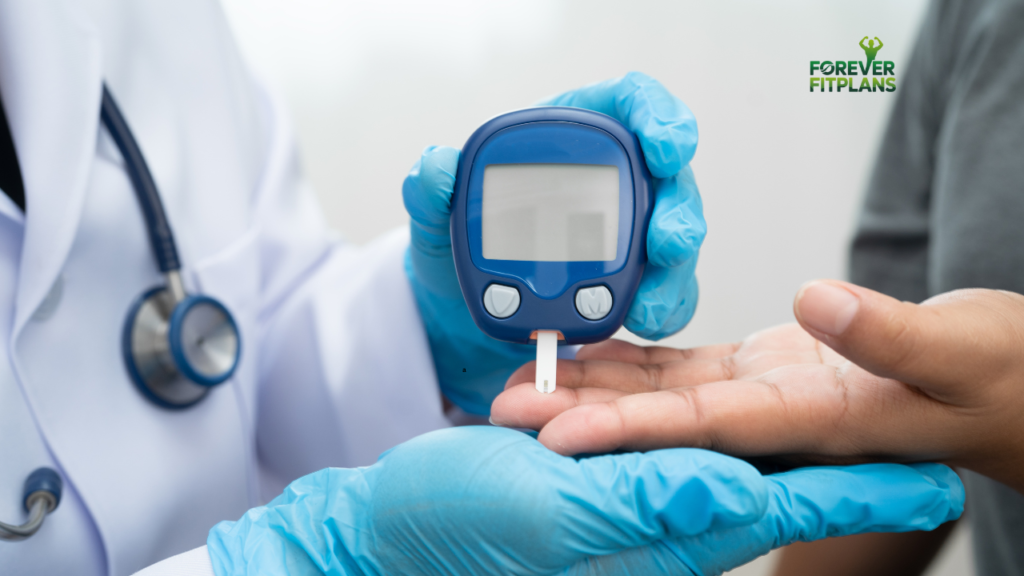
For people with diabetes or those trying to prevent it, this is huge. Adding avocado to meals can actually help slow the absorption of sugars from other foods you’re eating. That half an avocado on your breakfast toast isn’t just tasty—it’s actively helping to stabilize your blood sugar response to the bread.
The monounsaturated fats may also improve insulin sensitivity over time. Better insulin sensitivity means your body can more effectively regulate blood sugar with less insulin, which is exactly what you want for long-term metabolic health.
Nutrients That Protect Your Eyes and Brain
Avocados contain two important carotenoids that most people don’t get enough of: lutein and zeaxanthin. These compounds are concentrated in the tissues of your eyes, where they act as antioxidants and help protect against UV light damage.
Studies have linked higher intake of these carotenoids to a dramatically reduced risk of cataracts and macular degeneration—two of the leading causes of vision loss as we age. The fat in avocados actually helps your body absorb these nutrients more effectively, both from the avocado itself and from other vegetables you might eat alongside it.
Your brain benefits too. The folate in avocados plays a crucial role in proper brain function and mental health. Adequate folate intake has been associated with lower rates of depression, and it’s essential for preventing neural tube defects during pregnancy. The healthy fats support the structure of brain cells and help with the absorption of fat-soluble vitamins that your brain needs.
Cancer-Fighting Compounds Worth Knowing About
While no single food can prevent cancer, avocados contain several compounds that show promise in laboratory studies. The phytochemicals in avocados have been shown to inhibit the growth of precancerous and cancerous cells in test tubes and animal studies.
Particularly interesting is research on oral cancer. Extracts from avocados have been shown to selectively target precancerous and cancerous cells while leaving healthy cells unharmed. The oleic acid I mentioned earlier may also play a role in suppressing certain cancer-related genes.
The antioxidants in avocados help combat oxidative stress and inflammation—two processes that contribute to cancer development. While we need more human research to understand the real-world impact, the preliminary findings are encouraging.
Bone and Skin Health Benefits
That hefty dose of vitamin K in avocados—about 26% of your daily needs in half an avocado—is crucial for bone health. Vitamin K helps your body properly use calcium and may reduce urinary calcium loss. People with higher vitamin K intake tend to have better bone density and lower fracture risk.
For your skin, the healthy fats and vitamins E and C work together to maintain moisture, elasticity, and protection from damage. Some people even use avocado topically in face masks, though eating it is probably more effective for long-term skin health. The fats help your skin produce natural oils, while the antioxidants protect against premature aging from sun exposure and pollution.
Regular movement and gentle exercises also support joint health — especially for people dealing with stiffness or pain. You can try these proven routines here:👉 Frozen Shoulder Exercises
How Much Should You Actually Eat?
This is where moderation comes into play. While avocados are nutritious, they are calorie-dense. For most people, about half to one whole avocado per day is a sweet spot. This gives you the nutritional benefits without going overboard on calories.
If you’re trying to lose weight, you might want to stick to a quarter or half an avocado at a time. If you’re an athlete or have higher caloric needs, a whole avocado or even more could fit perfectly into your diet.
Pay attention to how they fit into your overall eating pattern. If you’re already getting plenty of healthy fats from nuts, seeds, olive oil, and fatty fish, you might not need a full avocado every day. But if your diet is otherwise low in these beneficial fats, avocados can be a game-changer.
Picking and Preparing Avocados
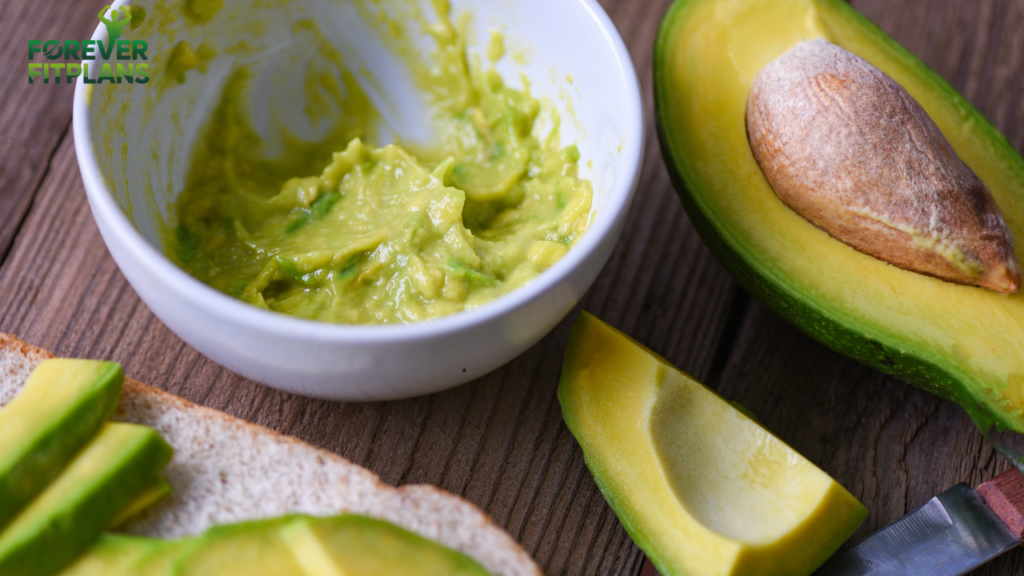
Choosing a ripe avocado is an art form. Look for fruits that yield to gentle pressure but aren’t mushy. The color can vary depending on variety—Hass avocados turn dark when ripe, while others stay green. If you need avocados for later in the week, buy firm ones and let them ripen on your counter.
Once cut, avocados oxidize quickly, turning brown when exposed to air. A squeeze of lemon or lime juice can slow this process. You can also store cut avocado with the pit still in place, tightly wrapped, for a day or two in the fridge.
Beyond the classic avocado toast, try adding them to smoothies for creaminess without dairy, using them as a base for salad dressings, or simply eating them with a sprinkle of salt and pepper. They work in both sweet and savory applications, making them incredibly versatile.
Final Thoughts
So, are avocados good for you? Absolutely. They’re packed with heart-healthy fats, fiber, and an impressive array of vitamins and minerals that support everything from cardiovascular health to brain function. The research consistently shows benefits for cholesterol levels, blood pressure, eye health, and potentially even cancer prevention.
That said, they’re not magic. No single food can make or break your health. Avocados work best as part of a varied, balanced diet rich in vegetables, fruits, whole grains, and lean proteins. The key is incorporating them mindfully, paying attention to portions, and enjoying them as one component of an overall healthy lifestyle.
If you’ve been on the fence about jumping on the avocado bandwagon, now’s the time. Your heart, brain, and taste buds will thank you.
FAQs
Can you eat avocado every day?
Yes, eating avocado daily is safe and beneficial for most people. Stick to about half to one whole avocado per day to get the nutritional benefits without excessive calories.
Are avocados good for weight loss?
Despite being calorie-dense, avocados can support weight loss due to their high fiber and healthy fat content, which promotes satiety and helps you feel full longer.
Do avocados raise cholesterol?
No, avocados actually help lower LDL (bad) cholesterol while potentially raising HDL (good) cholesterol, thanks to their monounsaturated fat content.
What’s the healthiest way to eat avocado?
Any way that fits your diet works, but eating it fresh and unprocessed is best. Add it to salads, spread it on whole grain toast, or eat it plain with a little salt.
Are avocados good for your skin?
Yes, the healthy fats, vitamin E, and vitamin C in avocados support skin health by maintaining moisture, elasticity, and protection from oxidative damage.
Can diabetics eat avocados?
Absolutely. Avocados have a low glycemic index and high fiber content, making them excellent for blood sugar control and safe for people with diabetes.

Dr. Daniel Carter is a certified health & wellness writer and fitness lifestyle researcher with over 8 years of experience in nutrition, weight management, sleep health, and preventive care. He is passionate about helping people live healthier, stronger, and more balanced lives through science-backed fitness strategies and easy-to-follow wellness tips.
Through FitForever Plan, Dr. Carter shares practical health advice, workout guidance, and nutrition insights designed to support long-term fitness, sustainable weight loss, and overall well-being. His mission is to make healthy living simple, achievable, and enjoyable for everyone.