
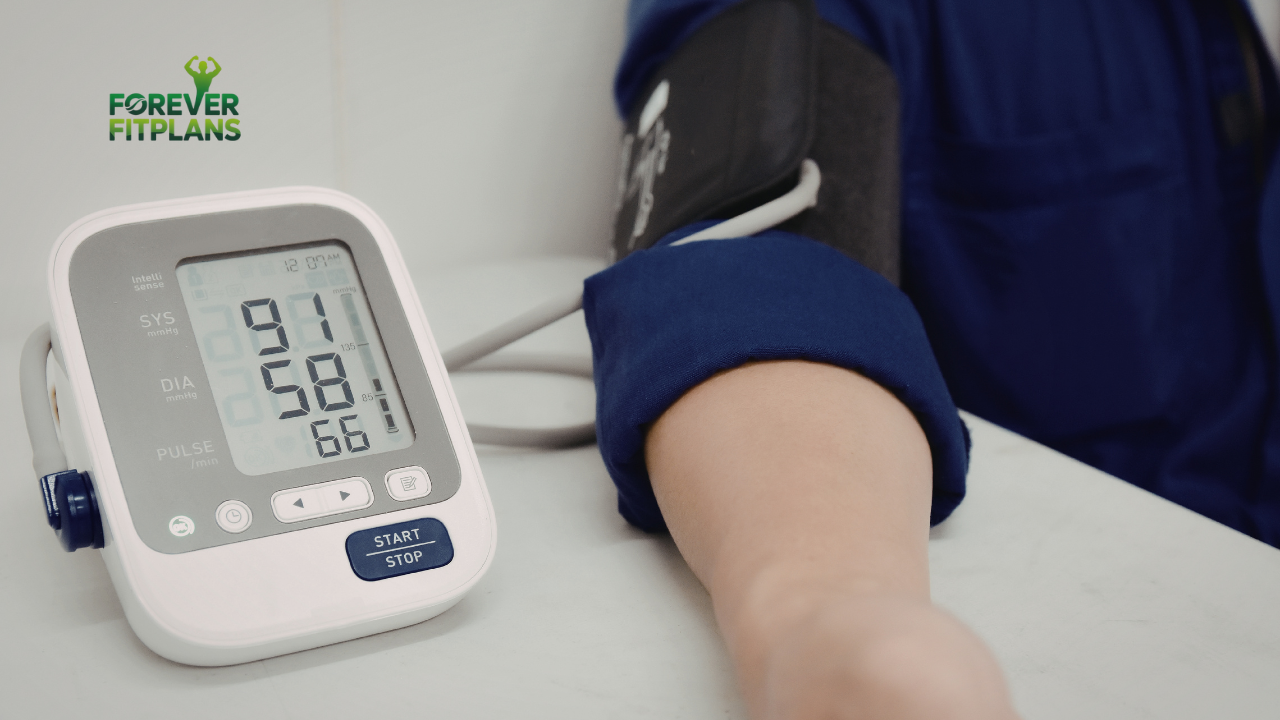
What is Normal Blood Pressure by Age: A Complete Guide to Understanding Your Numbers
What is normal blood pressure by age is a question that becomes increasingly important as we grow older. Blood pressure is one of the most crucial indicators of your overall health, yet many people don’t fully understand what their numbers mean or how they should change throughout life.
Whether you’re in your twenties or your seventies, knowing your target blood pressure range can help you take better care of your heart and prevent serious health complications down the road.
Maintaining a healthy immune system also plays an important role in keeping your blood pressure in the normal range, so make sure to read our complete guide on how to boost immune system naturally.
Understanding Blood Pressure Basics
Before diving into what is normal blood pressure by age, let’s understand what blood pressure actually measures. Blood pressure is the force of blood pushing against the walls of your arteries as your heart pumps blood throughout your body. It’s measured in millimeters of mercury (mmHg) and recorded as two numbers.
The top number, called systolic pressure, measures the pressure when your heart beats and pushes blood out. The bottom number, called diastolic pressure, measures the pressure when your heart rests between beats. For example, a reading of 120/80 mmHg means your systolic pressure is 120, and your diastolic pressure is 80.
These numbers matter because they tell you how hard your heart is working and how much stress your arteries are under. When blood pressure stays too high for too long, it can damage your blood vessels and organs, leading to heart disease, stroke, kidney problems, and other serious conditions.
Normal Blood Pressure Ranges
According to current medical guidelines, normal blood pressure for most adults is less than 120/80 mmHg. However, when examining what normal blood pressure is by age, we need to recognize that acceptable ranges can vary slightly depending on your life stage and overall health condition.
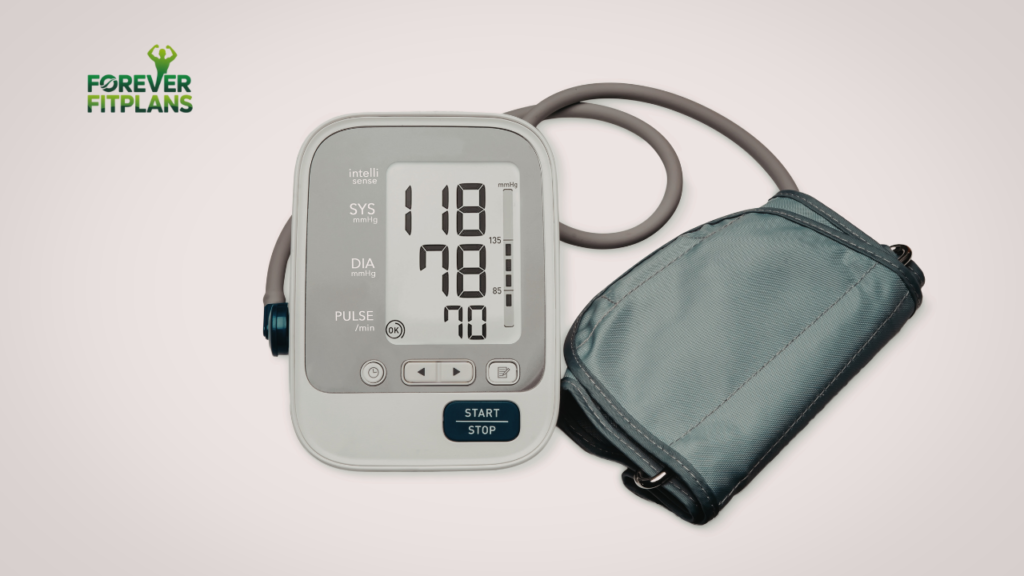
Blood pressure is typically categorized into several ranges. Normal is less than 120/80 mmHg. Elevated blood pressure falls between 120-129 systolic and less than 80 diastolic. Stage 1 hypertension (high blood pressure) is 130-139 systolic or 80-89 diastolic. Stage 2 hypertension is 140/90 mmHg or higher. A hypertensive crisis, which requires immediate medical attention, is anything over 180/120 mmHg.
Blood Pressure in Your 20s and 30s
When looking at what is normal blood pressure by age, younger adults typically have the lowest readings. For people in their twenties and thirties, ideal blood pressure is usually around 120/80 mmHg or lower. At this age, your blood vessels are generally more elastic and flexible, allowing blood to flow smoothly without excessive pressure.
However, lifestyle factors can already start affecting blood pressure during these decades. Poor diet, lack of exercise, stress, and family history can cause elevated readings even in young adults. It’s important to establish healthy habits early because the lifestyle choices you make now can impact your cardiovascular health for decades to come.
Many young adults don’t regularly monitor their blood pressure because they feel healthy, but this is actually an ideal time to establish a baseline. Knowing your normal range helps you detect changes early. If you’re in this age group, aim to have your blood pressure checked at least once every two years if your readings are normal.
Blood Pressure in Your 40s and 50s
As you enter your forties and fifties, understanding what normal blood pressure is by age becomes even more critical. During these decades, blood pressure naturally tends to rise slightly. Blood vessels become less elastic with age, and other factors like weight gain, decreased physical activity, and increased stress can contribute to higher readings.
For people in their forties, normal blood pressure is still ideally less than 120/80 mmHg, though readings up to 130/85 mmHg might be acceptable depending on individual health factors. By your fifties, slightly higher readings may occur, but anything consistently over 130/80 mmHg should be discussed with your healthcare provider.
This is a crucial time for prevention. Nearly half of adults in their fifties have high blood pressure, often without realizing it, because hypertension typically has no symptoms. Regular monitoring becomes essential during these years. You should have your blood pressure checked at least annually, or more frequently if you have risk factors like diabetes, obesity, or a family history of heart disease.
Blood Pressure in Your 60s and Beyond
When considering what normal blood pressure is by age for seniors, guidelines have evolved based on recent research. For adults aged 60 and older, blood pressure targets may be slightly more lenient than for younger adults, though this depends on overall health and other medical conditions.
Current guidelines suggest that for healthy adults over 60, blood pressure should ideally stay below 130/80 mmHg. However, for those with certain health conditions or who are frail, doctors may consider slightly higher targets, such as below 140/90 mmHg, to avoid complications from blood pressure that drops too low.
Older adults face unique challenges with blood pressure management. As we age, systolic pressure (the top number) tends to increase while diastolic pressure (the bottom number) may actually decrease. This creates a wider gap between the two numbers, which can increase cardiovascular risk even if readings don’t seem extremely high.
Seniors should monitor their blood pressure more frequently, ideally at home with a reliable monitor. Readings can fluctuate more in older adults due to medications, meals, physical activity, and even the time of day. Work closely with your healthcare provider to determine your individual target range.
Blood Pressure in Children and Teens
While adults often ask what normal blood pressure is by age, parents should also understand that children have different normal ranges. Blood pressure in children varies based on age, height, and gender, making it more complex to assess than adult blood pressure.
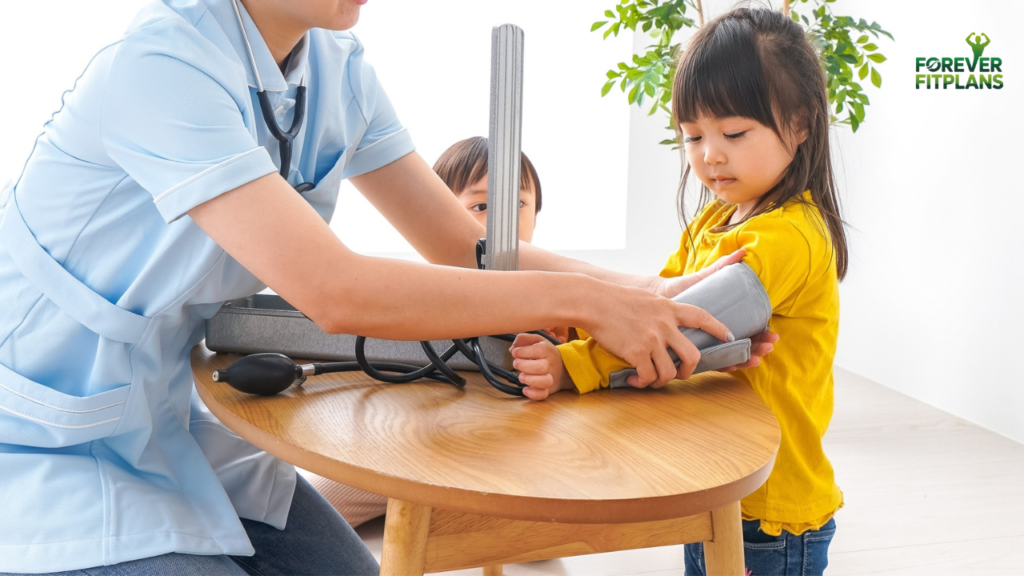
For children ages 3 to 12, normal blood pressure generally ranges from about 90/50 mmHg to 110/70 mmHg, though this varies widely. Teenagers typically have blood pressure ranges closer to adults, usually between 110/70 mmHg and 120/80 mmHg.
Childhood obesity has led to increasing rates of high blood pressure in young people. If your child has elevated blood pressure, lifestyle changes focusing on healthy eating and regular physical activity are usually the first line of treatment. Regular monitoring is important, especially if there’s a family history of hypertension.
Factors That Influence Blood Pressure
Understanding what normal blood pressure by age also means recognizing the many factors that can affect your readings. Genetics plays a significant role – if your parents had high blood pressure, you’re more likely to develop it too. Race and ethnicity also matter, with African Americans having higher rates of hypertension that often develops at younger ages.
Lifestyle factors have an enormous impact. Diet, particularly sodium intake, directly affects blood pressure. Excess weight puts additional strain on your heart and blood vessels. Physical inactivity allows blood vessels to become less efficient. Chronic stress keeps your body in a heightened state that can elevate blood pressure over time.
Certain medical conditions increase blood pressure, including kidney disease, diabetes, sleep apnea, and thyroid disorders. Many medications, including some pain relievers, birth control pills, and decongestants, can raise blood pressure. Even temporary factors like caffeine, smoking, and lack of sleep can cause readings to spike.
How to Measure Blood Pressure Accurately
To truly understand what normal blood pressure by age for you personally is, you need accurate measurements. Blood pressure can vary significantly throughout the day and in response to various activities, so proper measurement technique is essential.
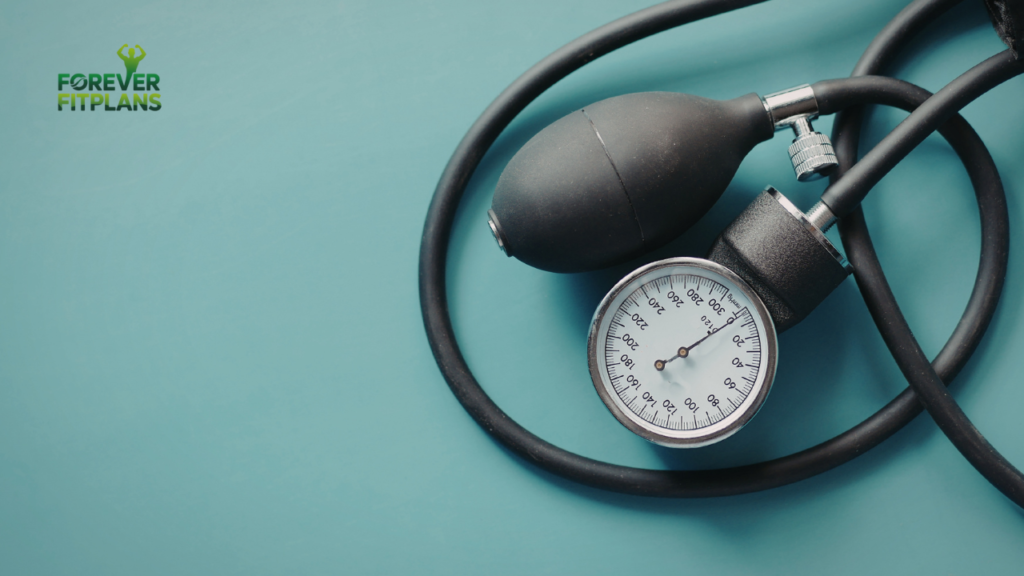
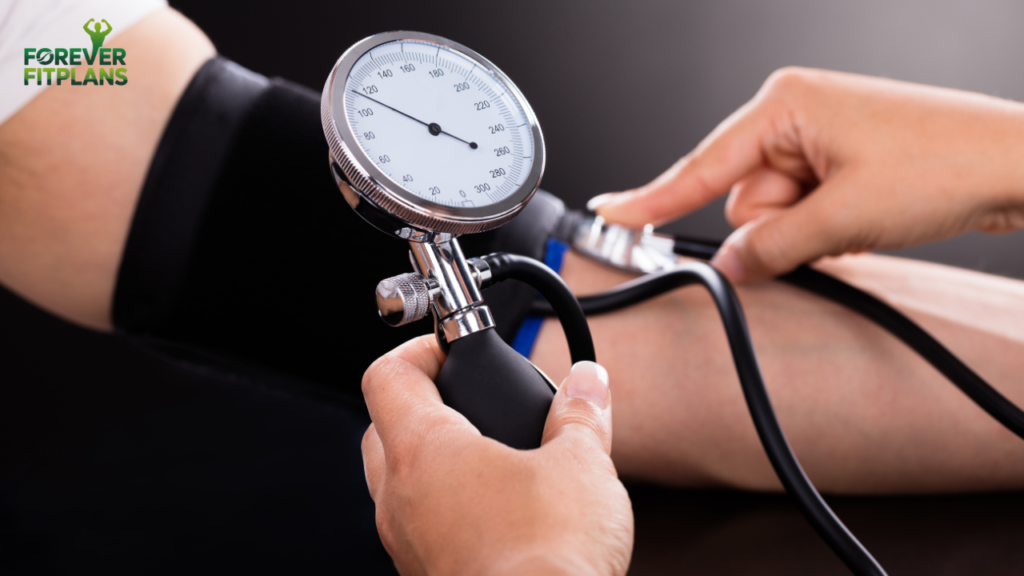
When having your blood pressure taken, sit quietly for at least five minutes beforehand. Keep your feet flat on the floor and your arm supported at heart level. Don’t talk during the measurement. Avoid caffeine, exercise, and smoking for at least 30 minutes before checking. Make sure the cuff fits properly – a cuff that’s too small can give falsely high readings.
For the most accurate picture of your blood pressure, take multiple readings at different times. Blood pressure is typically lowest in the morning and rises throughout the day, peaking in late afternoon or early evening. Some people experience “white coat hypertension,” where readings are higher in medical settings due to anxiety. Home monitoring can provide a more realistic picture of your typical blood pressure.
When to Be Concerned
Knowing what normal blood pressure is by age helps you recognize when something might be wrong. If your blood pressure consistently reads above 130/80 mmHg, talk to your doctor even if you feel fine. Hypertension usually causes no symptoms until it has already caused significant damage.
Warning signs that require immediate attention include blood pressure over 180/120 mmHg, especially if accompanied by symptoms like severe headache, chest pain, shortness of breath, visual changes, difficulty speaking, or severe anxiety. These could indicate a hypertensive crisis requiring emergency care.
Even moderately elevated readings shouldn’t be ignored. Sustained blood pressure of 140/90 mmHg or higher significantly increases your risk of heart attack, stroke, kidney disease, and other complications. The good news is that high blood pressure is highly treatable through lifestyle changes and, when necessary, medication.
Managing Blood Pressure Naturally
Regardless of what the normal blood pressure is by age for your demographic, everyone can benefit from heart-healthy habits. Dietary changes make a tremendous difference. The DASH diet (Dietary Approaches to Stop Hypertension) emphasizes fruits, vegetables, whole grains, lean proteins, and low-fat dairy while limiting sodium, red meat, and added sugars.
Regular physical activity is one of the most effective natural blood pressure reducers. Aim for at least 150 minutes of moderate aerobic exercise weekly, such as brisk walking, swimming, or cycling. Even small amounts of movement help – taking the stairs, gardening, or walking during lunch breaks all count.
Weight loss, if needed, can significantly lower blood pressure. Losing just 5 to 10 pounds can make a noticeable difference. Stress management through meditation, deep breathing, yoga, or other relaxation techniques helps keep blood pressure stable. Limiting alcohol to no more than one drink daily for women or two for men, and quitting smoking entirely, are also crucial steps.
The Importance of Regular Monitoring
Understanding what normal blood pressure by age is just the beginning. Regular monitoring allows you to track trends and catch problems early. How often you should check depends on your age and risk factors.
If your blood pressure is normal and you have no risk factors, checking every two years is usually sufficient until age 40. After 40, annual checks are recommended. If you have elevated blood pressure or other risk factors, your doctor may recommend more frequent monitoring, possibly including daily home measurements.
Home blood pressure monitors are affordable and easy to use. Choose a validated upper-arm monitor rather than a wrist or finger device for best accuracy. Keep a log of your readings to share with your healthcare provider. This information helps guide treatment decisions and shows whether lifestyle changes or medications are working.
Final Thoughts
Understanding what normal blood pressure is by age empowers you to take control of your cardiovascular health. While general guidelines provide helpful benchmarks, remember that your individual target may vary based on your overall health, medical history, and other risk factors. The goal isn’t just to hit a specific number but to maintain blood pressure that supports long-term health and reduces your risk of serious complications.
Blood pressure management is a lifelong commitment that becomes increasingly important as you age. The habits you establish today – eating nutritious foods, staying active, managing stress, avoiding tobacco, and limiting alcohol – create the foundation for healthy blood pressure throughout your life. Even if your blood pressure is currently normal, these preventive measures help ensure it stays that way.
Don’t wait for symptoms to appear before paying attention to your blood pressure. Hypertension is called “the silent killer” because it typically causes no warning signs until serious damage has occurred. Make blood pressure monitoring a regular part of your healthcare routine, and work with your doctor to keep your numbers in a healthy range. Your heart will thank you for decades to come.
Frequently Asked Questions
Can blood pressure be too low?
Yes, blood pressure below 90/60 mmHg is considered low and can cause dizziness, fainting, and fatigue. However, some people naturally have low blood pressure without symptoms. If low blood pressure causes problems, consult your doctor.
Why is my blood pressure different in each arm?
Small differences (5-10 mmHg) between arms are normal. However, consistent differences of more than 10-15 mmHg may indicate blood vessel problems and should be evaluated by a healthcare provider. Always use the arm with the higher reading for monitoring.
Does blood pressure increase with age for everyone?
Blood pressure tends to rise with age due to blood vessel changes, but it’s not inevitable for everyone. People who maintain healthy lifestyles throughout life often keep their blood pressure in normal ranges even as they age.
How accurate are home blood pressure monitors?
Quality home monitors are quite accurate when used correctly. Choose a validated monitor, ensure proper cuff fit, and follow measurement guidelines. Bring your monitor to doctor appointments occasionally to verify its accuracy against clinical equipment.
Can stress cause permanently high blood pressure?
Temporary stress causes short-term blood pressure spikes, but chronic stress can contribute to sustained high blood pressure over time. Managing stress through healthy coping strategies helps maintain normal blood pressure levels.
Should I take blood pressure medication if my numbers are slightly elevated?
Not necessarily. If your blood pressure is slightly elevated (120-129/under 80 mmHg), lifestyle changes are usually tried first. Medication is typically recommended when blood pressure reaches 130/80 mmHg or higher, depending on your individual risk factors and health conditions.

Dr. Daniel Carter is a certified health & wellness writer and fitness lifestyle researcher with over 8 years of experience in nutrition, weight management, sleep health, and preventive care. He is passionate about helping people live healthier, stronger, and more balanced lives through science-backed fitness strategies and easy-to-follow wellness tips.
Through FitForever Plan, Dr. Carter shares practical health advice, workout guidance, and nutrition insights designed to support long-term fitness, sustainable weight loss, and overall well-being. His mission is to make healthy living simple, achievable, and enjoyable for everyone.