
5 Best Morning Exercises for Weight Loss: to Burn Fat Before Breakfast
If you’ve been trying to lose weight and feel like you’re spinning your wheels, the answer might be simpler than you think — it could all come down to when you work out. Morning exercise for weight loss isn’t just a fitness trend that influencers throw around on social media.
There’s real science behind it, and millions of people around the world swear by their early morning sweat sessions as the reason they finally started seeing results on the scale.
In this guide, we’re going to break down everything you need to know about working out in the morning to lose weight — why it works, which exercises are best, how to stay consistent, and what mistakes to avoid. Whether you’re a total beginner or someone returning to fitness after a long break, this is for you.
Morning workouts often make you sweat, but does sweating really mean fat loss? Learn the truth in our detailed guide: Is Sweating During Exercise a Sign of Weight Loss?
Why Morning Exercise Works So Well for Weight Loss
Let’s get one thing straight — you can lose weight working out at any time of day. But mornings? They come with some serious advantages that make the whole process easier and more effective.
You burn fat more efficiently. When you wake up, your body has been fasting for seven to nine hours (assuming you slept through the night). Your glycogen — the stored sugar your body usually burns first for energy — is at its lowest. This means your body is more likely to tap into fat stores for fuel during your workout. This is especially true for low- to moderate-intensity cardio done in a fasted state. It’s not magic, but it does give you a natural edge.
Your metabolism gets a head start. Morning exercise activates something called EPOC — Excess Post-Exercise Oxygen Consumption. Basically, after a good workout, your body keeps burning calories for hours as it repairs muscles and returns to its resting state. If you work out in the morning, that elevated calorie burn carries through your entire day rather than happening while you sleep.
You’re more consistent. This is honestly one of the biggest reasons morning workouts win for weight loss — they actually happen. Life gets in the way. Work runs late. Dinner plans come up. Social events pop up. But at 6 a.m., the world hasn’t started yet. You’re in control. Studies have consistently shown that people who exercise in the morning are significantly more consistent with their fitness routines over time.
It regulates your appetite. Believe it or not, a solid morning workout can actually help control your hunger throughout the day. It reduces levels of ghrelin, the hunger hormone, and increases peptide YY, a hormone that promotes fullness. Translation: you’re less likely to raid the office snack drawer by 10 a.m.
Best Morning Exercises for Weight Loss
Not all workouts are created equal when it comes to burning fat. Here are the most effective types of morning exercise for weight loss that you can start doing right now.
1. High-Intensity Interval Training (HIIT)

If you want maximum calorie burn in minimum time, HIIT is your best friend. The idea is simple — you alternate between short bursts of intense effort and brief rest periods. For example, 40 seconds of jump squats followed by 20 seconds of rest, repeated for 20 minutes.
HIIT torches calories during the workout and keeps your metabolism elevated long after you’re done. It also preserves lean muscle mass, which is important because muscle burns more calories at rest than fat does. A 20 to 30-minute HIIT session in the morning can be more effective for fat loss than an hour of slow jogging.
2. Brisk Walking or Jogging

Don’t underestimate a good walk. Low to moderate intensity cardio in the morning, especially on an empty stomach, is one of the most reliable ways to tap into fat stores. A brisk 30 to 45-minute walk burns a meaningful amount of calories and is easy on the joints, making it perfect for beginners or those returning after injury.
If you’re up for it, jogging bumps the calorie burn significantly. Mix walking and jogging intervals to build your endurance gradually while still seeing weight loss results.
3. Strength Training
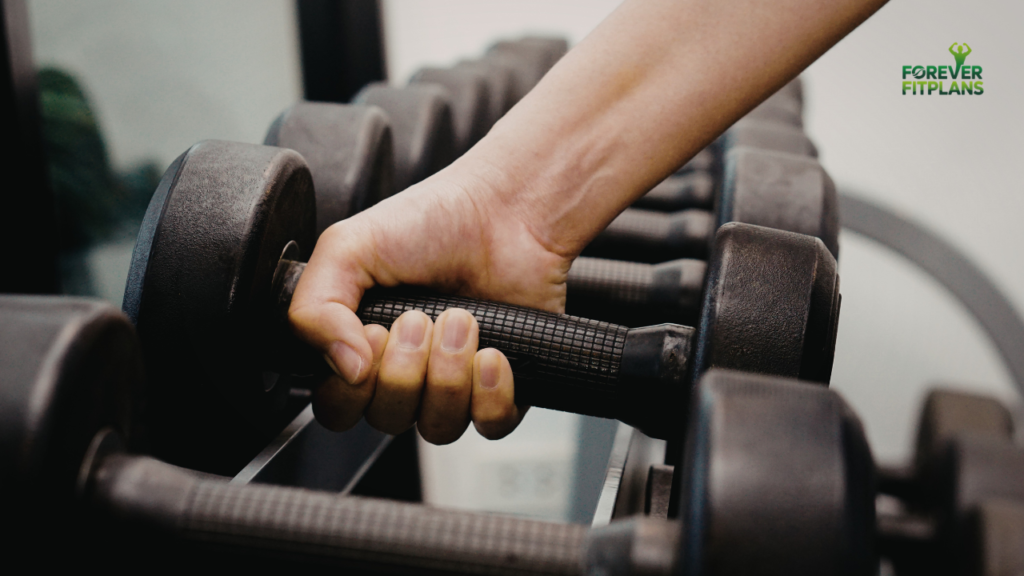
A lot of people skip weights when they want to lose weight, thinking cardio is the only answer. That’s a mistake. Strength training builds lean muscle, and lean muscle increases your resting metabolic rate. In other words, the more muscle you have, the more calories your body burns just to keep itself running — even while you sleep.
Morning strength training sessions using dumbbells, barbells, resistance bands, or even bodyweight movements like push-ups, squats, and lunges are incredibly effective for long-term fat loss. Aim for two to four sessions per week.
4. Jump Rope

Jumping rope is criminally underrated. It burns around 10 to 16 calories per minute, improves cardiovascular health, and can be done anywhere with minimal equipment. Ten to fifteen minutes of jump rope in the morning will leave you sweating and energized. It’s also a great warm-up before a strength training session.
5. Yoga and Stretching (Active Recovery)

On days when your body needs a break from intense training, morning yoga is a fantastic option. Certain styles like vinyasa or power yoga are genuinely calorie-burning. Even slower yoga helps reduce cortisol levels — the stress hormone that’s closely linked to belly fat storage. Starting your morning with a mindful yoga session sets a calm, focused tone for the rest of your day.
How to Build a Morning Exercise Routine That Sticks
Knowing what to do is only half the battle. Actually doing it consistently is where most people struggle. Here’s how to make morning workouts a non-negotiable part of your life.
Set your alarm 10 minutes earlier than you think you need to. Give yourself time to shake off sleep inertia before jumping into a workout. Those first few groggy minutes are the hardest — once you’re up and moving, momentum takes over.
Prep the night before. Lay out your workout clothes, fill your water bottle, and set your shoes by the door. Remove every possible excuse. The less decision-making you have to do at 5:30 a.m., the better.
Start small. If you’ve never been a morning exerciser, don’t commit to a 60-minute workout right out of the gate. Start with 15 to 20 minutes and build from there. A short workout done consistently beats an ambitious one done occasionally.
Have a light snack if needed. Fasted cardio works for some people, but others feel dizzy or weak without something in their system. If that’s you, a small snack like half a banana or a handful of almonds before your workout is perfectly fine.
Track your progress. Keep a simple log of your workouts. Seeing how far you’ve come is one of the most powerful motivators to keep going.
Common Mistakes to Avoid

Even with the best intentions, a few common mistakes can slow your weight loss progress. Skipping hydration is a big one — your body is already mildly dehydrated after sleep, so drink a glass of water before you start moving. Doing the same workout every single day leads to plateaus; your body adapts quickly, so vary your routine regularly. And don’t forget that exercise alone won’t do everything — what you eat matters enormously. Pairing your morning workout habit with a balanced, whole-food diet is where real transformation happens.
Final Thoughts
Morning exercise for weight loss is one of the most powerful habits you can build — not just for your waistline, but for your mental clarity, energy levels, mood, and overall quality of life. The beauty of working out in the morning is that it’s done before the chaos of the day begins, setting you up physically and mentally to make better choices throughout the day.
You don’t need a fancy gym, expensive equipment, or hours of free time. You just need consistency, the right mindset, and a willingness to show up for yourself — even when the bed feels incredibly comfortable. Start where you are, use what you have, and give it time. The results will come.
FAQs
Is it better to exercise in the morning or evening for weight loss?
Both can work, but morning exercise tends to lead to better consistency, improved fat burning due to lower glycogen levels, and a metabolism boost that lasts through the day.
Should I eat before my morning workout?
It depends on your body. Some people do well with fasted morning cardio, while others need a light snack for energy. Listen to your body and adjust accordingly.
How long should a morning workout be for weight loss?
Even 20 to 30 minutes is effective, especially if the intensity is high. Consistency matters more than duration — a shorter workout done daily beats a long one done rarely.
How many days a week should I do morning exercise?
Aim for at least four to five days per week, mixing cardio and strength training. Include one or two active recovery days with light yoga or walking.
Will morning exercise alone help me lose weight?
Exercise is a powerful tool, but weight loss also requires attention to your diet, sleep, and stress levels. Combine morning workouts with a healthy, balanced eating plan for the best results.

Dr. Daniel Carter is a certified health & wellness writer and fitness lifestyle researcher with over 8 years of experience in nutrition, weight management, sleep health, and preventive care. He is passionate about helping people live healthier, stronger, and more balanced lives through science-backed fitness strategies and easy-to-follow wellness tips.
Through FitForever Plan, Dr. Carter shares practical health advice, workout guidance, and nutrition insights designed to support long-term fitness, sustainable weight loss, and overall well-being. His mission is to make healthy living simple, achievable, and enjoyable for everyone.