
How to Lose Weight Without Exercise: 12 Proven Strategies That Actually Work
Let’s be honest. Not everyone can exercise. Some people have bad knees, chronic back pain, heart conditions, or simply work 12-hour days with zero energy left for the gym. Others have tried exercise programs repeatedly and find they cannot sustain them. If that sounds like you, here is something important to know: exercise accounts for only about 20–30% of your total daily calorie burn.
The other 70–80% comes from your metabolism, digestion, and basic body functions. That means learning how to lose weight without exercise is not just possible — it is backed by solid science. This guide gives you real, evidence-based strategies that work through diet, behavior, sleep, stress management, and metabolism — no treadmill required. These are not tricks or shortcuts. They are sustainable habits that produce real, lasting results.
Choosing healthy, filling meals can make weight loss easier—even without exercise. Try some of these Overnight Oats Recipes for Weight Loss for a simple and nutritious start to your day.
The Science Behind Weight Loss Without Exercise
Before diving into the strategies, it helps to understand the basic biology. Weight loss happens when your body burns more calories than it consumes — this is called a caloric deficit.

Your total daily energy expenditure (TDEE) has four components:
| Component | Contribution to Calorie Burn | Can You Control It? |
| Basal Metabolic Rate (BMR) | 60–70% | Partially (muscle mass, sleep, food choices) |
| Thermic Effect of Food (TEF) | 8–15% | Yes (protein raises TEF significantly) |
| Non-Exercise Activity (NEAT) | 10–15% | Yes (standing, fidgeting, walking casually) |
| Exercise Activity | 5–20% | Yes (but not required for deficit) |
Here is the key insight: most of your daily calorie burn happens without any formal exercise at all. Your BMR — the calories your body burns just to keep you alive — accounts for 60–70% of everything. By focusing on diet, food choices, sleep, and daily non-exercise movement, you can absolutely create the calorie deficit needed for meaningful weight loss.
This is the science behind how to lose weight without exercise — and it works.
How to Lose Weight Without Exercise: 12 Proven Strategies
1. Eat More Protein at Every Meal
If there is one dietary change that does more for weight loss than anything else, it is increasing protein intake. Protein works through three powerful mechanisms simultaneously.
First: Protein has the highest thermic effect of any macronutrient. Your body burns 25–30% of protein calories just digesting and processing them. Eat 100 calories of protein — your body only nets 70–75. Eat 100 calories of fat or carbohydrates — your body nets 90–95.
Second: Protein suppresses hunger hormones more effectively than carbohydrates or fat. It reduces ghrelin (the hunger hormone) and increases peptide YY and GLP-1 (fullness hormones), keeping you satisfied for hours after eating.
Third: Protein preserves muscle mass during weight loss. When you lose weight, you want to lose fat — not muscle. Adequate protein intake protects against muscle loss, keeping your metabolism elevated.
High-protein foods to prioritize:
- Eggs (6g protein each, extremely filling)
- Plain Greek yogurt (15–20g per cup)
- Chicken breast (31g per 100g)
- Canned tuna or salmon (25g per 100g)
- Lentils and chickpeas (16–18g per cup cooked)
- Cottage cheese (14g per half cup)
- Tofu and tempeh (10–19g per 100g)
Practical target: Aim for 25–30g of protein at each meal. Research shows that this level dramatically reduces total daily calorie intake — by 400–500 calories in some studies — without any deliberate restriction.
2. Eat on Smaller Plates
This sounds almost too simple to work. But the psychology behind it is well-documented and genuinely effective.
A landmark study from Cornell University found that people served themselves 31% more food when using a 12-inch plate compared to a 9-inch plate. The visual signal of a full plate triggers psychological satisfaction regardless of the actual amount of food.
When you switch to a 9-inch plate:
- Your portions automatically reduce by 20–30%
- Your brain registers a full plate and sends satisfaction signals
- You eat less without feeling deprived or restricted
This works best for dinner — the meal where most people eat their largest portions. Use a large plate for salads and vegetables (where bigger is better) and a smaller plate for everything else.
3. Chew Slowly and Eat Mindfully
The speed at which you eat has a direct and measurable impact on how much you consume — and most people eat far too fast.
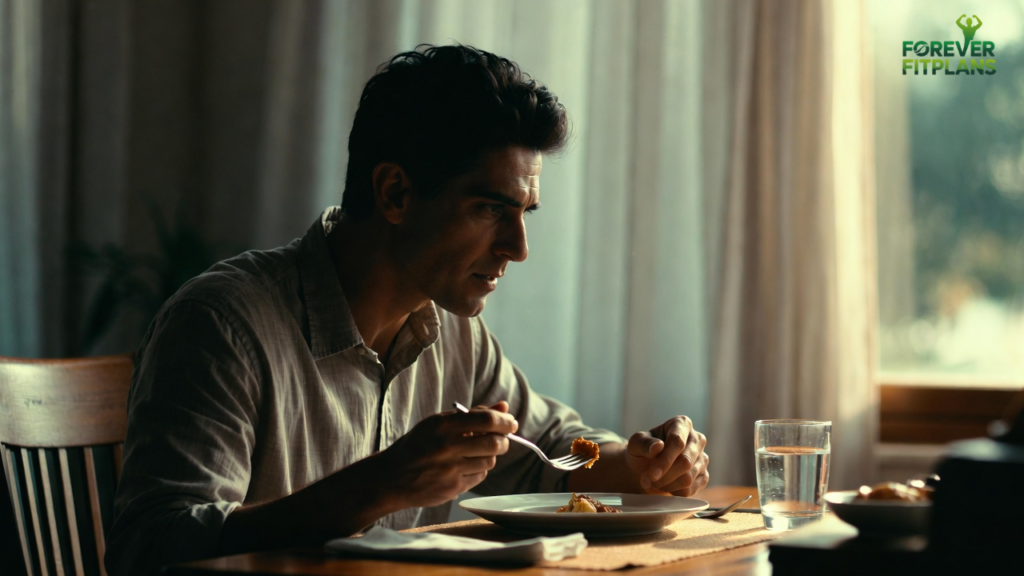
Here is the biology: fullness signals travel from your digestive system to your brain through hormonal pathways that take approximately 15–20 minutes to register. If you eat a meal in eight minutes, you can consume significantly more than your body actually needs before the fullness signal arrives.
A Japanese study involving over 59,000 participants found that fast eaters were 115% more likely to be overweight than slow eaters. Changing eating speed alone — without any dietary restriction — produced meaningful weight differences.
Practical slow eating strategies:
- Put your fork or spoon down between every bite
- Chew each bite 20–30 times before swallowing
- Take a sip of water between bites
- Aim to take at least 20 minutes to finish a meal
- Remove screens from the table — distracted eating consistently leads to larger portions and less satisfaction
4. Drink Water Before Every Meal
Drinking water before eating is one of the simplest, most evidence-backed strategies for how to lose weight without exercise. It takes up space in the stomach, reduces appetite, and has exactly zero calories.
A 2010 study published in the journal Obesity found that drinking 500ml (about two cups) of water 30 minutes before meals led to 44% greater weight loss over 12 weeks compared to a control group, without any other dietary changes.
Water also addresses a common confusion that drives overeating: thirst and hunger feel remarkably similar. Many people reach for food when their body is actually asking for water. Drinking a glass of water when hunger strikes and waiting 10–15 minutes before deciding whether to eat eliminates a significant amount of unnecessary snacking.
Hydration habits for weight loss:
- Drink 1–2 glasses of water immediately upon waking
- Drink 500ml 30 minutes before every meal
- Carry a water bottle and aim for 8+ glasses throughout the day
- Replace all sugary drinks with water, sparkling water, or unsweetened herbal tea
- Drink a glass of water whenever you feel a hunger craving between meals
5. Eliminate Liquid Calories
This is the single fastest dietary change for creating a calorie deficit without exercise — and it affects most people more than they realize.
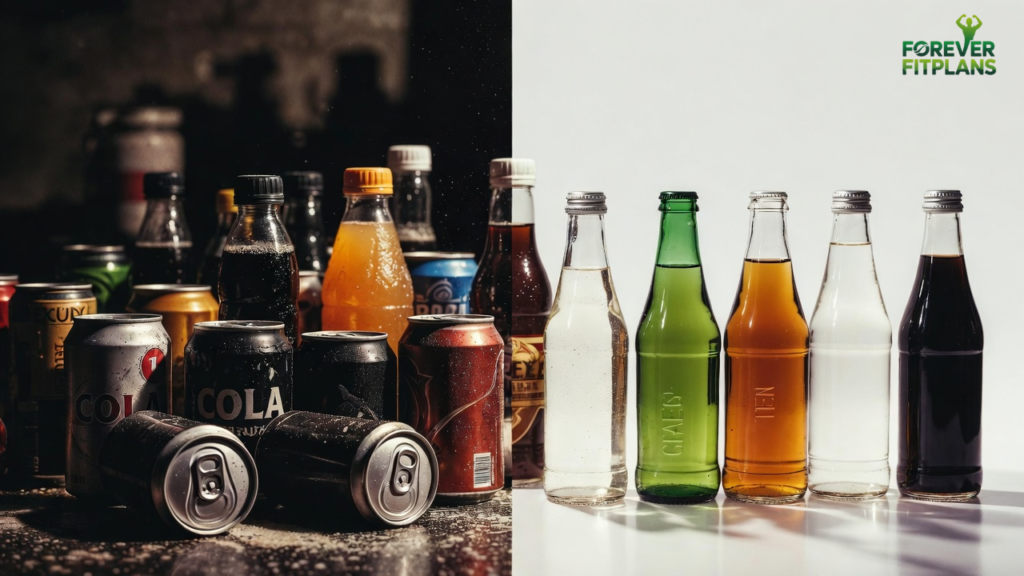
Liquid calories are uniquely problematic for weight management because drinks do not trigger the same fullness signals as solid food. You can consume 600 calories of soda, juice, and sweetened coffee in a day and feel exactly as hungry as if you had not consumed them at all.
Common liquid calorie sources and their impact:
| Drink | Serving | Calories | Sugar |
| Regular soda (can) | 12 oz | 150 | 39g |
| Orange juice | 8 oz | 110 | 26g |
| Frappuccino (grande) | 16 oz | 370 | 50g |
| Sweet tea | 16 oz | 180 | 44g |
| Sports drink | 20 oz | 130 | 34g |
| Beer | 12 oz | 150 | 13g |
| Whole milk latte | 12 oz | 190 | 18g |
| Energy drink | 16 oz | 220 | 54g |
A person who drinks two sodas, a glass of juice, and a sweetened coffee daily is consuming approximately 600–700 extra calories — without feeling any fuller. Eliminating these alone creates a 600-calorie daily deficit, which translates to more than a pound of fat loss per week.
Replace with:
- Still or sparkling water
- Unsweetened herbal tea
- Plain black coffee or coffee with unsweetened almond milk
- Green tea (mild metabolism-boosting effect)
6. Front-Load Your Calories
When you eat, your calories matter almost as much as how many you eat. Your body’s insulin sensitivity — its ability to process carbohydrates efficiently — is significantly higher in the morning and decreases throughout the day.
This means a meal eaten at 8 am has a very different metabolic effect than the same meal eaten at 8 pm. The same 600 calories at dinner produce more fat storage and a larger blood sugar spike than at breakfast.
A 2013 study published in the journal Obesity compared two groups eating identical calories. One group ate their largest meal at breakfast, the other at dinner. The breakfast group lost significantly more weight and had better blood sugar control over 12 weeks.
Practical application:
- Eat a substantial, protein-rich breakfast
- Have your largest or most calorie-dense meal at lunch
- Keep dinner lighter — prioritize vegetables and protein, reduce carbohydrates
- Stop eating 2–3 hours before bedtime
- If you feel hungry at night, drink water or herbal tea first
7. Increase Fiber Intake Substantially
Fiber is the most underused weight loss tool available — and it requires no exercise whatsoever.
Fiber works through several mechanisms. Soluble fiber absorbs water and forms a thick gel in the digestive tract, slowing digestion and blunting blood sugar spikes. This gel also physically slows the movement of food through the intestines, extending the sensation of fullness for hours.
Insoluble fiber adds bulk to food, increases meal volume without adding calories, and supports gut health in ways that improve metabolism over time.
A study in the Annals of Internal Medicine found that simply eating 30 grams of fiber per day — without any other dietary restriction — produced significant weight loss over 12 months. People lost an average of 4.6 pounds through fiber alone.
Best high-fiber foods for weight loss:
- Lentils (15g fiber per cup cooked)
- Black beans (15g per cup)
- Chia seeds (10g per ounce)
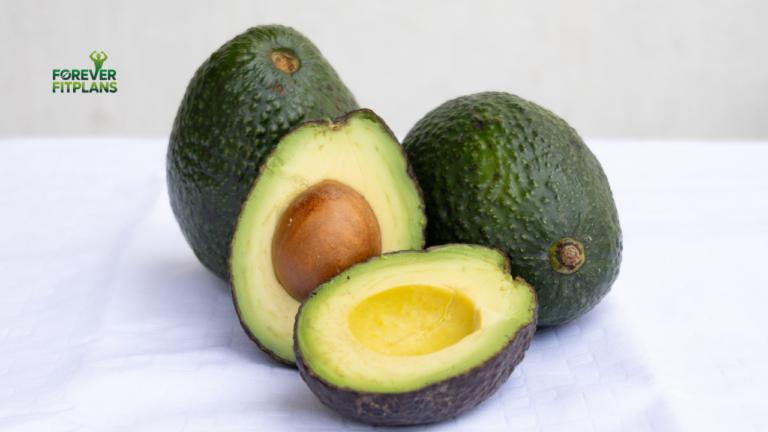
- Avocado (10g per fruit)
- Broccoli (5g per cup)
- Oats (4g per half cup dry)
- Pears (5.5g per fruit)
- Almonds (3.5g per ounce)
- Flaxseed (2.8g per tablespoon)
8. Sleep 7–9 Hours Every Night
Poor sleep is one of the most significant drivers of weight gain that almost nobody talks about — and improving sleep quality is entirely achievable without exercise.

When you sleep fewer than seven hours:
- Ghrelin increases — the hunger hormone rises, making you hungrier the next day
- Leptin decreases — the fullness hormone drops, so satisfaction signals are weaker
- Cortisol rises — the stress hormone signals your body to store fat, particularly around the abdomen
- Insulin resistance increases — even one night of poor sleep reduces insulin sensitivity by up to 25%
- Willpower decreases — sleep-deprived people make consistently worse food choices and are more likely to crave high-carbohydrate, high-fat foods.
A study published in the American Journal of Clinical Nutrition found that sleep-deprived people ate an average of 385 extra calories per day compared to well-rested individuals — equivalent to a large snack or small meal.
Sleep optimization strategies:
- Maintain a consistent sleep and wake schedule, including weekends
- Keep the bedroom cool (60–67°F / 15–19°C)
- Remove all screens from the bedroom and avoid blue light 60 minutes before bed.d
- Avoid caffeine after 2 p.m
- Avoid alcohol within three hours of bedtime — it fragments sleep quality significantly
- Eat your last meal at least two to three hours before sleep
9. Manage Stress Actively
Chronic stress is a significant and underappreciated contributor to weight gain — and it can be addressed entirely without exercise.
When you are stressed, your body releases cortisol. Cortisol does three problematic things for weight management:
- Stimulates appetite, particularly for high-calorie comfort foods
- Signals the liver to release stored glucose, raising blood sugar
- Promotes fat storage in the abdominal area — specifically visceral fat
Research shows that people under chronic psychological stress have significantly higher rates of abdominal obesity and a harder time losing weight,ght even in a calorie deficit.
Effective non-exercise stress reduction strategies:
- Mindfulness meditation: 10 minutes daily has been shown to measurably reduce cortisol levels within two weeks. Free apps like Headspace, Calm, and Insight Timer make this accessible.
- Deep breathing: The 4-7-8 technique (inhale four counts, hold seven, exhale eight) activates the parasympathetic nervous system and reduces stress hormones within minutes
- Journaling: Writing about stressful experiences processes them cognitively and reduces their ongoing emotional burden
- Social connection: Regular meaningful interaction with friends, family, or community reduces cortisol significantly
- Nature exposure: 20 minutes in a green space reduces cortisol by a measurable amount
10. Use Intermittent Fasting
Intermittent fasting is not a diet — it is a timing strategy. It compresses your eating window so that you naturally consume fewer calories without needing to count them obsessively.
The most popular and practical approach is the 16:8 method: fast for 16 hours and eat within an 8-hour window. For most people, this means skipping breakfast and eating between 12 pm and 8 pm — or eating between 8 am and 4 pm if an earlier eating window suits your schedule better.
Why intermittent fasting supports weight loss without exercise:
- Reduces total daily calorie intake naturally by limiting eating opportunities
- Lowers insulin levels during the fasting window, allowing fat burning
- Reduces late-night snacking — one of the biggest hidden calorie sources
- Improves insulin sensitivity over time
- May increase metabolic rate modestly during shorter fasts (under 24 hours)
A 2020 review in Obesity Reviews found that intermittent fasting produced weight loss of 0.8–13% of initial body weight across multiple studies — comparable to continuous calorie restriction but often easier to sustain.
Practical starting point: Begin with a 12-hour fast (stop eating after dinner at7 pmm, resume eating at 7 a.m.). Gradually extend to 14 hours, then 16 hours over four to six weeks as your body adapts.
11. Reduce Ultra-Processed Food
Ultra-processed foods — packaged snacks, fast food, commercial baked goods, sugary cereals, processed meats — are engineered to override your natural fullness signals and keep you eating past the point of genuine hunger.
A groundbreaking study published in Cell Metabolism compared a diet of ultra-processed foods to a diet of minimally processed whole foods, matched for total calories, protein, sugar, and fiber. Participants eating ultra-processed food consumed an average of 500 more calories per day — spontaneously, without being told to eat more. They gained weight. The whole food group lost weight.
The mechanisms include disruption of normal satiety signaling, extremely high calorie density, low satiety value per calorie, and the addictive palatability engineering built into processed food products.
The simplest rule: If it comes in a package with more than five ingredients, eat it rarely. Build your diet around foods that existed 100 years ago — meat, fish, eggs, vegetables, fruits, legumes, nuts, and whole grains.
12. Increase NEAT (Non-Exercise Activity Thermogenesis)
NEAT includes all physical activity that is not formal exercise — standing, fidgeting, walking to the mailbox, taking the stairs, household chores, cooking, and even the way you sit.
NEAT varies enormously between people and is one of the main reasons some people seem to stay lean effortlessly while others struggle. Research shows that lean individuals tend to stand and move casually 2–3 hours more per day than overweight individuals, burning 300–500 extra calories daily through accumulated small movements.
NEAT strategies that require no exercise:
- Stand while taking phone calls
- Use a standing desk for part of your workday
- Take the stairs instead of the elevator always
- Park at the far end of the parking lots
- Walk while listening to podcasts or music
- Do household chores actively — vacuuming, gardening, cleaning
- Stand up and move for five minutes every hour of sitting
- Walk to nearby destinations instead of driving when possible
These small, accumulated movements can burn an additional 200–400 calories daily without a single minute of formal exercise.
7-Day Eating Plan for Losing Weight Without Exercise
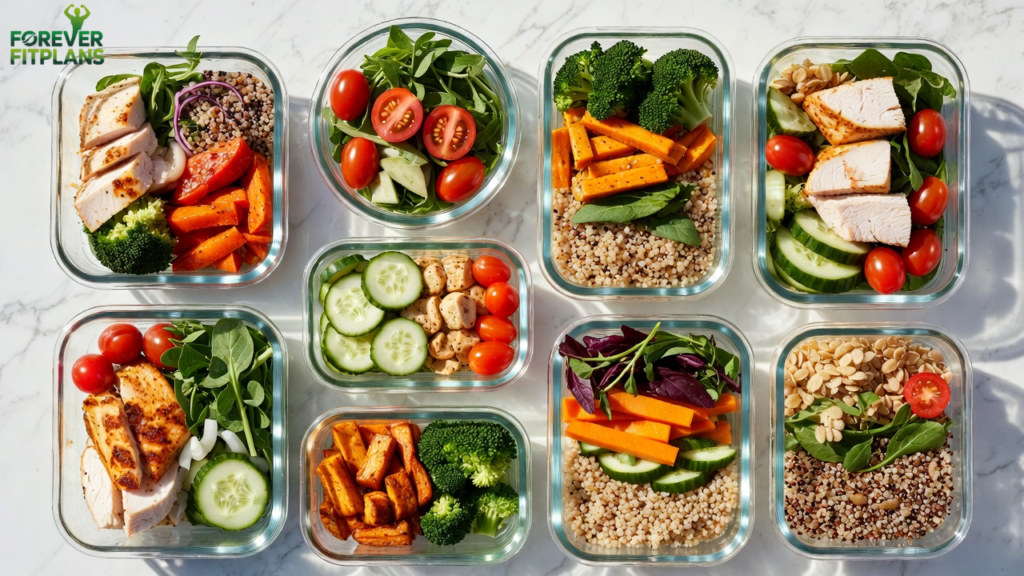
| Day | Breakfast | Lunch | Dinner | Snack |
| Monday | Greek yogurt + berries + chia seeds | Lentil soup + salad | Baked salmon + vegetables | Almonds + apple |
| Tuesday | 2 eggs + avocado + spinach | Chickpea salad wrap | Grilled chicken + roasted broccoli | Cottage cheese |
| Wednesday | Overnight oats + walnuts | Turkey lettuce wraps | Stir-fry tofu + cauliflower rice | Greek yogurt |
| Thursday | Cottage cheese + berries | Large Greek salad + chicken | Baked cod + sweet potato | Handful pistachios |
| Friday | Scrambled eggs + whole grain toast | Black bean bowl + vegetables | Turkey + zucchini noodles | Celery + peanut butter |
| Saturday | Chia pudding + berries | Tuna salad + rye crackers | Stuffed peppers (lean beef) | Boiled egg + cucumber |
| Sunday | Veggie omelet + avocado | Lentil and vegetable curry | Grilled shrimp + salad | Mixed nuts |
Final Thoughts
Learning how to lose weight without exercise is genuinely possible — and for millions of people, it is the most realistic starting point available. The strategies in this guide work because they target the 70–80% of your daily calorie equation that has nothing to do with formal exercise: what you eat, when you eat, how fast you eat, how well you sleep, how you manage stress, and how much you move in daily life.
You do not need a gym membership, a personal trainer, or hours of free time. You need consistent application of a handful of evidence-backed habits — and the patience to let them compound over weeks and months.
Start with the two or three strategies that feel most manageable today. Drink water before meals. Increase protein at breakfast. Cut out liquid calories. Sleep an extra hour. These small changes, done consistently, add up to meaningful weight loss — without a single set of jumping jacks required.
Knowing how to lose weight without exercise is the starting point. Taking one small action today is what actually changes the number on the scale.
Pick one strategy from this list and start it today. Not Monday. Today.
For more expert advice on healthy weight management, you can also read this detailed guide from MD Anderson Cancer Center.
Frequently Asked Questions
Is it really possible to lose weight without exercise?
Yes — absolutely. Exercise accounts for only 20–30% of total daily calorie burn. The rest comes from metabolism, digestion, and daily non-exercise movement. Through dietary changes, improved sleep, stress management, and increased NEAT (everyday movement), meaningful and sustained weight loss is achievable without formal exercise.
How much weight can you lose without exercising?
Results vary significantly based on starting weight, dietary changes, and consistency. Most people who implement multiple strategies from this guide — particularly eliminating liquid calories, increasing protein, and improving sleep — can realistically lose 1–2 pounds per week. Over three months, that translates to 12–24 pounds without a single formal workout.
What is the fastest way to lose weight without exercise?
The fastest results come from combining these three changes simultaneously: eliminating all sugary and liquid calories, increasing protein to 25–30g per meal, and reducing refined carbohydrates. These three changes alone typically create a 500–800 calorie daily deficit, producing 1–1.5 pounds of fat loss per week.
Does drinking water help you lose weight without exercise?
Yes, in several ways. Drinking water before meals reduces food intake by filling the stomach. Staying hydrated prevents the confusion of thirst for hunger that drives unnecessary snacking. Replacing sugary drinks with water eliminates hundreds of daily calories. A well-hydrated body also metabolizes fat more efficiently than a dehydrated one.
Does sleep really affect weight loss?
Significantly. Poor sleep raises ghrelin (hunger hormone), lowers leptin (fullness hormone), increases cortisol (fat storage hormone), and reduces insulin sensitivity. Studies show sleep-deprived people eat 385 extra calories daily on average. Consistently sleeping 7–9 hours per night is one of the most powerful non-exercise interventions for weight management.
Can intermittent fasting help lose weight without exercise?
Yes — and for many people it is one of the most effective approaches. Intermittent fasting reduces total calorie intake naturally by compressing the eating window, lowers insulin during fasting periods to allow fat burning, and eliminates late-night snacking. The 16:8 method is the most practical starting point for most people.
What foods help lose weight without exercise?
The most effective foods for non-exercise weight loss are those highest in protein and fiber relative to their calorie content: eggs, plain Greek yogurt, lentils, chickpeas, cottage cheese, non-starchy vegetables, berries, fish, and nuts. These foods maximize satiety per calorie, reduce hunger hormones, and support metabolism without requiring any physical activity beyond eating them.

Dr. Daniel Carter is a certified health & wellness writer and fitness lifestyle researcher with over 8 years of experience in nutrition, weight management, sleep health, and preventive care. He is passionate about helping people live healthier, stronger, and more balanced lives through science-backed fitness strategies and easy-to-follow wellness tips.
Through FitForever Plan, Dr. Carter shares practical health advice, workout guidance, and nutrition insights designed to support long-term fitness, sustainable weight loss, and overall well-being. His mission is to make healthy living simple, achievable, and enjoyable for everyone.