How to Tighten Skin After Weight Loss Naturally With Exercise
You worked incredibly hard to lose the weight. You changed your diet, stayed consistent with exercise, and pushed through every difficult moment. And now — you’re lighter, healthier, and proud of what you accomplished. But there’s something that wasn’t part of the plan: loose, sagging skin that won’t seem to respond no matter what you do.
If you’re searching for how to tighten skin after weight loss naturally with exercise, you’re in exactly the right place. Loose skin after significant weight loss is one of the most common and emotionally frustrating physical changes people experience — and it’s something most diet programs never even mention. The good news is that natural methods — particularly the right exercises combined with targeted nutrition, hydration, and lifestyle habits — can produce real, visible improvement in skin firmness and tone.
This guide covers everything: why loose skin happens, which exercises rebuild the structure beneath it, what to eat to support skin elasticity, and the daily habits that speed up natural skin tightening. No surgery, no gimmicks — just science-backed strategies that work.
Also know that Is It Possible to lose 10 Pounds in a Month.
Why Skin Becomes Loose After Weight Loss
Before diving into solutions, understanding what actually causes loose skin helps you approach it more strategically.
Your Skin Is a Living, Adaptive Organ
Skin is not static. It constantly expands and contracts in response to your body’s changing size. During weight gain — whether from fat, muscle, or pregnancy — the skin stretches to accommodate the increased volume. It does this by producing additional collagen and elastin fibers, which are the structural proteins that give skin its strength and snap-back ability.
When weight is lost, the fat cells underneath the skin shrink. But the skin itself doesn’t automatically shrink back at the same rate. The stretched collagen and elastin fibers remain, and if the skin was stretched beyond a certain threshold for a long enough period, those fibers become damaged and lose their ability to fully retract.
The result: loose, sagging skin — particularly around the abdomen, arms, thighs, breasts, and under the chin.
Why Some People Struggle More Than Others
Not everyone experiences the same degree of loose skin after weight loss. Several factors determine how much loose skin you end up with and how well it responds to natural tightening efforts:
- Amount of weight lost — Losing 20 lbs produces far less loose skin than losing 100 lbs. The greater the weight loss, the more stretched the skin is — and the harder it is to fully tighten
- Speed of weight loss — Rapid weight loss (crash diets, extreme restriction) gives skin no time to gradually adapt. Slower loss allows skin to follow the shrinking body more naturally
- Age — Collagen production declines by approximately 1% per year after age 20 and more significantly after 40. Older skin is less elastic and slower to tighten
- Genetics — Some people naturally produce more collagen and have higher skin elasticity than others
- Skin health history — Prolonged sun exposure, smoking, poor nutrition, and dehydration all degrade collagen and reduce the skin’s ability to tighten
- Duration of excess weight — Skin stretched for 10 years is harder to tighten than skin stretched for 10 months
Understanding these factors sets realistic expectations — and helps you see which levers are actually within your control.
How to Tighten Skin After Weight Loss Naturally With Exercise: The Core Strategy
Exercise is the most powerful natural tool available for tightening loose skin after weight loss — but not all exercise works the same way. The key is understanding why exercise helps and which types produce the best results.
Why Exercise Tightens Skin
When you lose significant weight, the layer of fat that once filled the skin from underneath shrinks dramatically. This leaves the skin with less internal support — like deflating a balloon. The most effective way to restore that support without surgery is to build muscle in the areas where fat was lost.
Muscle fills the space left by the departed fat. It pushes against the skin from underneath, reducing the appearance of sagging and giving the skin a firmer, more toned surface to rest against. Additionally, exercise increases circulation — delivering oxygen and nutrients to skin cells and supporting the production of new collagen.
This is why strength training is the most important exercise for tightening loose skin after weight loss. Cardio burns calories and supports overall health, but it doesn’t build the muscle volume that fills and firms the skin.
The Best Exercises to Tighten Skin After Weight Loss Naturally
Here’s a detailed breakdown of the most effective exercises for each common area of loose skin, along with practical implementation guidance.
1. Strength Training (The Foundation of Skin Tightening)
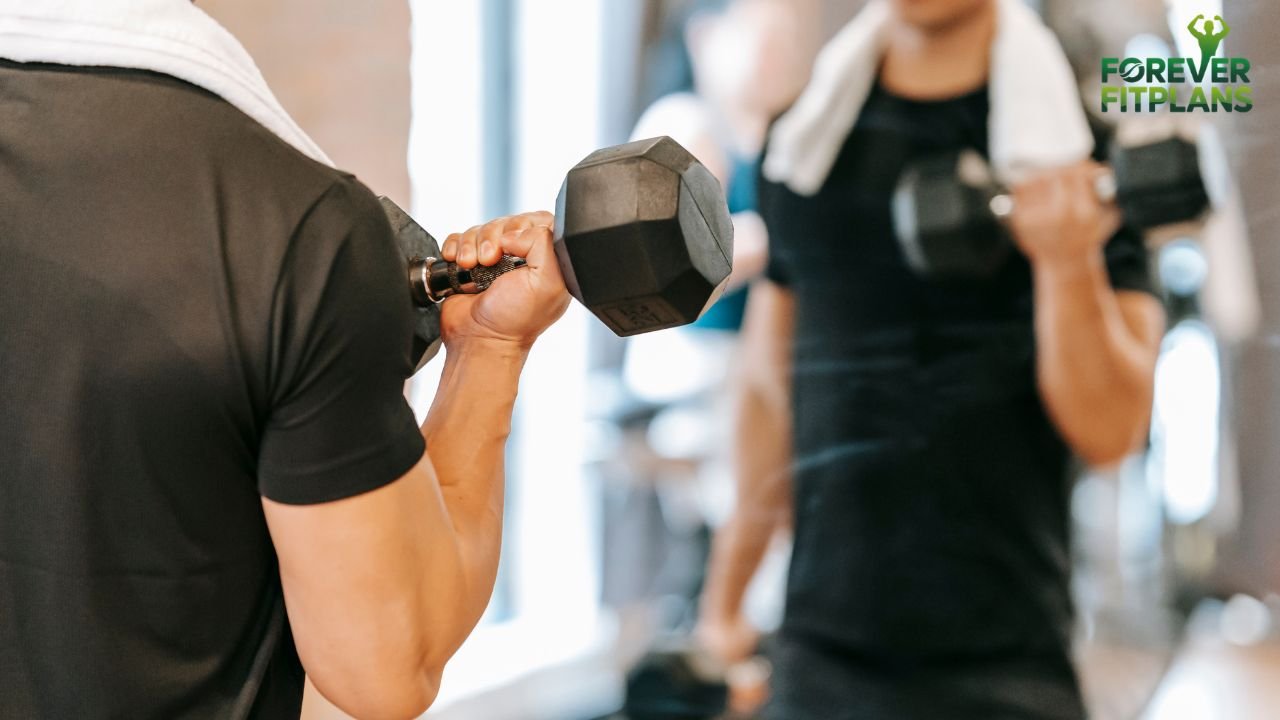
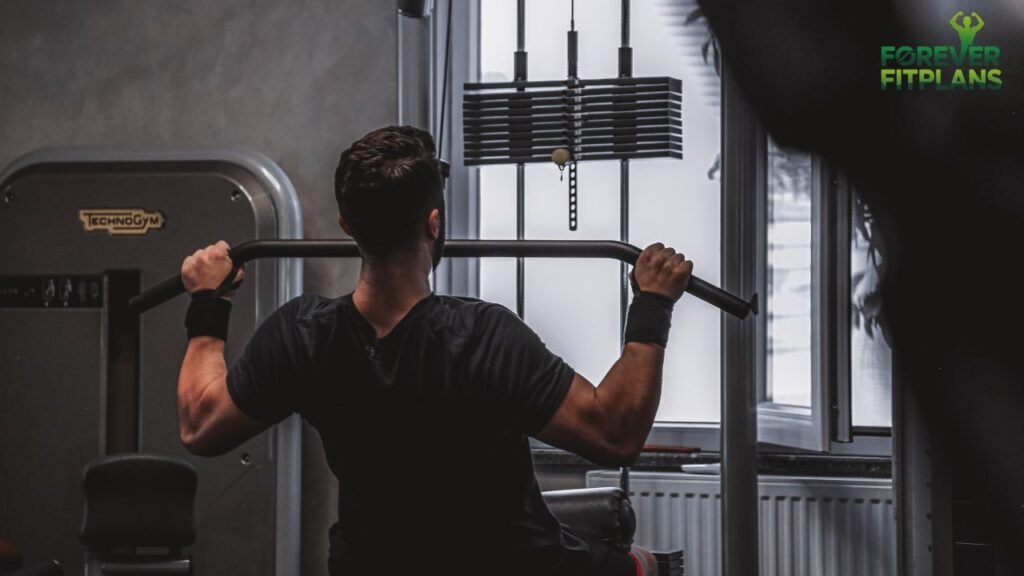
Strength training — lifting weights, using resistance bands, or doing challenging bodyweight exercises — is the single most effective exercise category for tightening loose skin naturally after weight loss.
Why it works:
- Builds lean muscle that fills the space left by lost fat
- Increases production of growth hormone, which supports collagen synthesis
- Creates a firmer body composition even at the same body weight
- Improves the “drape” of skin over a more defined underlying structure
Recommended frequency: 3–4 sessions per week with at least one rest day between sessions for each muscle group.
Best strength exercises for common areas of loose skin:
Loose Skin on the Abdomen and Core
The abdomen is the most common area for loose skin after significant weight loss. Building the underlying core muscles provides structure and support beneath the skin.
| Exercise | How to Do It | Reps/Sets |
| Planks | Hold a straight-body position on forearms and toes | 3 sets × 30–60 sec hold |
| Dead bugs | Lying on your back, extend the opposite arm and leg slowly | 3 sets × 10 reps each side |
| Cable crunches | Using a cable machine or a resistance band anchored above | 3 sets × 15 reps |
| Pallof press | Resistance band anchored at side, press forward and hold | 3 sets × 12 reps each side |
| Hanging leg raises | Hang from a bar and raise legs to hip height | 3 sets × 10–12 reps |
| Glute bridges | Lying on your back, thrust your hips toward the ceiling | 3 sets × 15 reps |
Important note: Avoid only doing crunches and sit-ups. These work the superficial rectus abdominis but neglect the deep transverse abdominis — the muscle that actually pulls the abdomen inward and provides the firmest foundation beneath the skin.
Loose Skin on the Arms (Especially Upper Inner Arm)
The upper inner arm — sometimes called “bat wings” — is one of the most emotionally difficult areas of loose skin for many people. Building the biceps, triceps, and shoulder muscles fills out the arm and gives the skin better structural support.
| Exercise | Target Muscle | Reps/Sets |
| Tricep dips | Triceps | 3 sets × 12–15 reps |
| Close-grip push-ups | Triceps and chest | 3 sets × 10–15 reps |
| Overhead tricep extensions | Triceps | 3 sets × 12 reps |
| Bicep curls (dumbbell or band) | Biceps | 3 sets × 12–15 reps |
| Hammer curls | Biceps and brachialis | 3 sets × 12 reps |
| Lateral raises | Shoulders | 3 sets × 12–15 reps |
| Push-ups (standard) | Chest, shoulders, triceps | 3 sets × 10–15 reps |
Loose Skin on the Thighs and Buttocks
The inner thighs and under the buttocks are common areas for loose skin, particularly in women. Building the quadriceps, hamstrings, glutes, and adductors firms up these areas substantially.
| Exercise | Target Muscle | Reps/Sets |
| Squats (bodyweight or weighted) | Quads, glutes, hamstrings | 3 sets × 15 reps |
| Romanian deadlifts | Hamstrings and glutes | 3 sets × 12 reps |
| Sumo squats | Inner thighs (adductors), glutes | 3 sets × 15 reps |
| Reverse lunges | Quads, glutes, hamstrings | 3 sets × 12 reps each side |
| Hip thrusts | Glutes (maximum activation) | 3 sets × 15 reps |
| Side-lying leg raises | Abductors and outer thighs | 3 sets × 15 reps each side |
| Step-ups | Quads and glutes | 3 sets × 12 reps each side |
Loose Skin on the Chest and Under the Breasts
Building the pectoral muscles beneath the breast tissue provides lift and support from underneath.
| Exercise | Target Muscle | Reps/Sets |
| Push-ups (standard or incline) | Upper and mid-chest | 3 sets × 10–15 reps |
| Dumbbell chest press | Mid-chest | 3 sets × 12 reps |
| Incline chest press | Upper chest | 3 sets × 12 reps |
| Dumbbell flyes | Chest and anterior shoulder | 3 sets × 12 reps |
| Cable crossovers | Full chest activation | 3 sets × 12–15 reps |
2. Progressive Resistance Training — The Key to Continuous Improvement
The biggest mistake people make with strength training for skin tightening is doing the same exercises at the same weight forever. Muscles only grow and change body composition when they are progressively challenged.
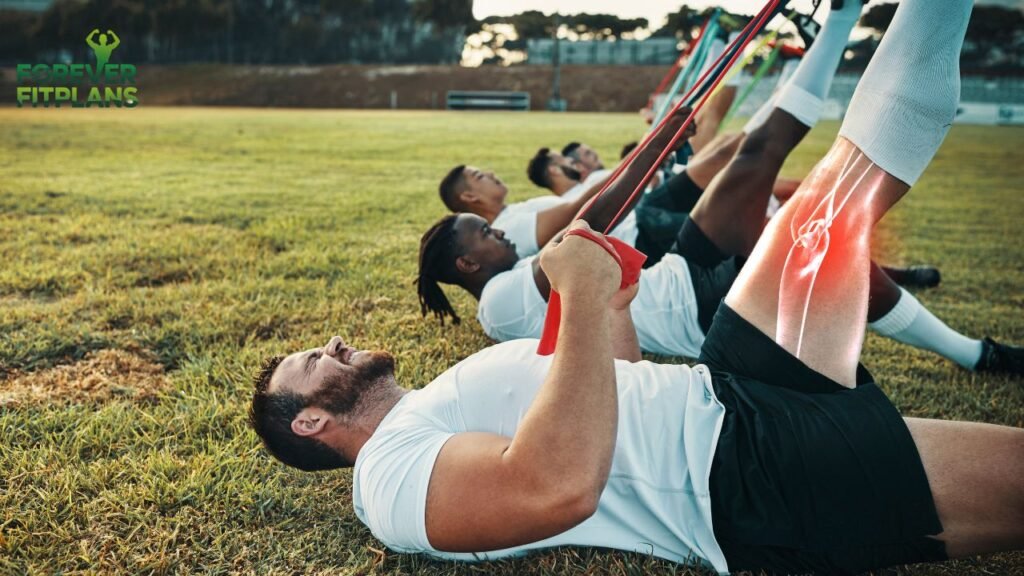
Progressive overload principles:
- Increase weight by 5–10% once you can complete all reps and sets comfortably
- Add one extra rep to each set per week before increasing weight
- Vary exercise selection every 4–6 weeks to prevent adaptation
- Track your workouts — what gets measured gets improved
3. High-Intensity Interval Training (HIIT)
While strength training builds the muscle that firms skin from underneath, HIIT accelerates fat burning, boosts growth hormone (which supports collagen production), and improves circulation to the skin.
Effective HIIT protocols for skin tightening:
- 20–30 minutes, 2–3 times per week
- Alternate 20–30 seconds of maximum effort with 40–60 seconds of recovery
- Exercise bike, jump rope, burpees, mountain climbers, or sprint intervals
- Do HIIT on non-strength-training days to allow adequate recovery
4. Yoga and Pilates — Complementary Skin-Tightening Exercises
Yoga and Pilates improve posture, core strength, and body awareness. Better posture immediately reduces the visual appearance of loose skin — particularly around the abdomen and chest. Additionally, the sustained muscular contractions in yoga and Pilates poses build endurance strength in smaller stabilizing muscles that conventional strength training misses.
Best practices for 2–3 times per week:
- Sun salutations — full body engagement, improved circulation
- Warrior series — leg and core strength
- Boat pose — deep core activation
- Plank variations — total core and shoulder strength
- Pilates Hundred — deep abdominal engagement
- Bridge pose — glutes and lower back strengthening
Weekly Exercise Schedule for Tightening Skin After Weight Loss Naturally
| Day | Exercise Type | Focus Area | Duration |
| Monday | Strength training | Upper body (arms, chest, shoulders) | 35–45 min |
| Tuesday | HIIT cardio | Full body fat burning | 25–30 min |
| Wednesday | Strength training | Lower body (legs, glutes, thighs) | 35–45 min |
| Thursday | Yoga or Pilates | Core, posture, flexibility | 30–40 min |
| Friday | Strength training | Core and full body | 35–45 min |
| Saturday | HIIT or brisk walking | Cardio and circulation | 30–45 min |
| Sunday | Rest or gentle walk | Recovery | 20–30 min |
Follow this schedule consistently for a minimum of 8–12 weeks before evaluating results. Skin tightening through exercise is a slow process — visible improvement typically takes 3–6 months of consistent effort.
Nutrition: What to Eat to Tighten Skin Naturally After Weight Loss
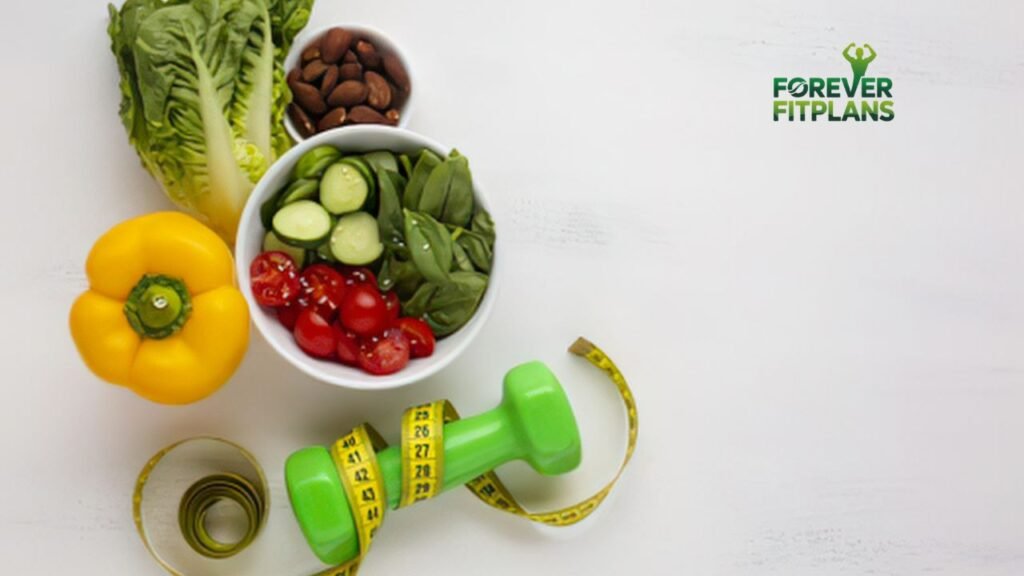
Exercise does the mechanical work, but nutrition provides the building materials. Without the right nutritional support, your body cannot produce the collagen and elastin needed for skin tightening.
Protein Is Non-Negotiable
Collagen is made from amino acids, and amino acids come from dietary protein. Without adequate protein intake, your body cannot build or repair skin tissue effectively.
Aim for 1.2–1.6 grams of protein per kilogram of body weight daily.
Best protein sources for skin tightening:
- Bone broth — extremely high in collagen precursors (glycine, proline, hydroxyproline)
- Eggs — complete protein with biotin, which supports skin health
- Fish and seafood are rich in omega-3 fatty acids that reduce skin inflammation
- Chicken and turkey — lean protein high in the amino acids needed for collagen synthesis
- Lentils and chickpeas — plant-based protein plus zinc
- Greek yogurt — protein plus probiotics that support gut health (which affects skin)
Vitamin C: The Collagen Synthesis Catalyst
Vitamin C is not optional for skin tightening — it is an essential cofactor for collagen synthesis. Without adequate vitamin C, the enzymes that build collagen cannot function. Your body cannot produce collagen without it.
Best food sources of vitamin C:
- Bell peppers (red bell peppers have more vitamin C than oranges)
- Kiwi fruit
- Strawberries and citrus fruits
- Broccoli, Brussels sprouts, and kale
- Guava — one of the highest vitamin C foods available
Other Key Nutrients for Skin Elasticity
| Nutrient | Role in Skin Tightening | Best Food Sources |
| Vitamin C | Collagen synthesis catalyst | Bell peppers, kiwi, citrus, broccoli |
| Zinc | Collagen production and repair | Pumpkin seeds, beef, chickpeas, cashews |
| Copper | Cross-linking of collagen fibers | Liver, dark chocolate, nuts, seeds |
| Vitamin E | Antioxidant — protects collagen from damage | Almonds, sunflower seeds, avocado |
| Omega-3 fatty acids | Reduces inflammation, improves skin suppleness | Salmon, sardines, walnuts, flaxseeds |
| Hyaluronic acid (from food) | Hydrates skin cells from the inside | Bone broth, soy-based foods |
| Silica | Supports elastin production | Oats, bananas, leafy greens |
Stay Hydrated — Dehydrated Skin Cannot Tighten
Skin hydration comes from within. When you’re chronically dehydrated, skin loses turgor (its natural plumpness and bounce), accelerating the appearance of sagging and reducing its ability to tighten.
Aim for 2.5–3.5 liters of water daily. More if you exercise heavily or live in a hot climate. Green tea is also beneficial — it contains epigallocatechin gallate (EGCG), an antioxidant shown to increase skin elasticity and reduce collagen breakdown.
Lifestyle Habits That Speed Up Natural Skin Tightening
These daily habits may seem small, but they have a meaningful cumulative impact on skin firmness over time.

1. Dry Brushing
Dry brushing the skin with a natural-bristle brush before showering stimulates circulation, encourages lymphatic drainage, and may stimulate skin cell turnover. Brush in long, upward strokes toward the heart. Do this for 3–5 minutes before your morning shower, 3–4 times per week.
2. Moisturize With Collagen-Supporting Ingredients
While topical creams cannot replace internal collagen production, moisturizing daily does help maintain skin hydration and suppleness. Look for products containing:
- Retinol — stimulates skin cell turnover and collagen production
- Hyaluronic acid — draws moisture into the skin
- Centella asiatica (Cica) — clinically shown to stimulate collagen synthesis
- Vitamin C serum — a topical antioxidant that supports collagen in skin layers
- Peptides — signal the skin to produce more collagen
3. Protect Skin From Sun Damage
UV radiation is one of the most powerful destroyers of collagen and elastin. Sun-damaged skin tightens far more slowly than protected skin. Use SPF 30 or higher on exposed skin daily — even on cloudy days.
4. Stop Smoking
Smoking reduces blood flow to the skin, degrades collagen and elastin, and significantly impairs the skin’s natural repair mechanisms. If you smoke and want to tighten loose skin naturally, quitting smoking is one of the highest-impact changes you can make.
5. Get 7–9 Hours of Quality Sleep
Human growth hormone (HGH) — which directly stimulates collagen synthesis and skin repair — is released primarily during deep sleep. Chronic sleep deprivation reduces HGH output, slowing skin repair and tightening significantly. Sleep is when your skin does most of its regenerating.
6. Massage the Loose Skin Areas
Regular massage of loose skin areas increases local blood circulation and may stimulate collagen production in the dermis. Use a moisturizing oil (coconut, argan, or rosehip oil) and massage in firm circular motions for 5–10 minutes, focusing on the abdomen, arms, and thighs daily or every other day.
Realistic Timeline for Natural Skin Tightening After Weight Loss
| Timeframe | What to Expect |
| Weeks 1–4 | Improved muscle tone and posture; less visible but foundational changes begin |
| Months 2–3 | Noticeable muscle development in targeted areas; skin appears firmer over the muscle |
| Months 4–6 | Visible improvement in skin firmness; continued muscle growth fills loose areas |
| 6–12 months | Most significant natural improvement: collagen turnover supporting tighter skin |
| 12–24 months | Maximum natural results; remaining looseness reflects genetic and damage limits |
Important: Skin has a natural turnover cycle of approximately 27–40 days for surface cells, but deep collagen remodeling takes much longer — 3–12 months of consistent effort. Patience is not optional — it’s built into the biology.
Frequently Asked Questions
How long does it take to tighten loose skin after weight loss with exercise?
Visible skin tightening from exercise and natural methods typically takes 3–6 months of consistent effort to become noticeable, and 12–24 months to reach maximum natural improvement. The timeline depends on how much weight was lost, how long the skin was stretched, your age, and how consistently you follow the exercise and nutrition strategies. Collagen remodeling is a slow biological process — but it is a real one that produces genuine results with patience.
Can exercise really tighten loose skin, or just the muscles underneath?
Both — and this distinction matters. Exercise directly builds lean muscle that fills the space left by lost fat, giving skin a firmer surface to rest against and reducing the appearance of sagging. Additionally, strength training and HIIT stimulate the production of human growth hormone and increase circulation, both of which support actual collagen synthesis in the dermis. So exercise works on two levels: it fills from underneath, and it supports the skin’s own structural repair from within.
Which exercise is best for tightening loose belly skin after weight loss?
For loose abdominal skin, the most effective exercises are those that build the deep transverse abdominis (the innermost core muscle) in addition to the surface rectus abdominis. Planks, dead bugs, Pallof presses, and cable crunches are more effective than traditional crunches alone. Combined with hip thrusts and glute bridges that engage the entire posterior chain, these exercises build a firm foundation beneath loose abdominal skin over time.
Will cardio tighten loose skin after weight loss?
Cardio alone will not tighten loose skin significantly — because it doesn’t build muscle volume. However, HIIT cardio (high-intensity intervals) does stimulate human growth hormone release and improves skin circulation, both of which support collagen production and skin repair. Cardio works best as a complement to strength training — not a replacement for it — when tightening skin is the primary goal.
Does drinking water help tighten skin after weight loss?
Yes — adequately hydrated skin maintains better turgor, elasticity, and appearance than chronically dehydrated skin. Dehydration causes skin to look flat, dull, and more visibly loose. Drinking 2.5–3.5 liters of water daily supports cellular function in the skin and helps maintain the hydration that keeps skin looking and feeling firmer. It won’t tighten stretched skin structurally, but it meaningfully improves appearance and supports the collagen-building process.
What foods help tighten skin after weight loss naturally?
The most skin-supportive foods are: bone broth (collagen precursors), eggs (complete protein + biotin), fatty fish (omega-3s + protein), citrus fruits and bell peppers (vitamin C for collagen synthesis), leafy greens (vitamin E and antioxidants), pumpkin seeds (zinc), and avocado (healthy fats + vitamin E). Together, these foods provide all the amino acids, vitamins, and minerals needed for collagen synthesis and skin repair — the nutritional foundation of natural skin tightening.
When should someone consider surgery for loose skin instead of natural methods?
Natural methods — exercise, nutrition, hydration, and lifestyle changes — can produce meaningful improvement for most people, especially those who lost 50 lbs or less. However, for people who lost 100 lbs or more, those whose skin has been severely stretched for many years, or older individuals with significantly reduced collagen production, surgical options (like a panniculectomy or body lift) may be the only way to remove the excess skin. Natural methods should always be tried first for a minimum of 12–18 months before considering surgery as a final option.
Conclusion
You’ve already done the hardest part. You lost the weight. Now the focus shifts to rebuilding what the skin needs to follow your body’s new shape — and that’s a process that rewards patience, consistency, and the right approach.
How to tighten skin after weight loss naturally with exercise comes down to one core strategy executed from multiple angles: build muscle with targeted strength training to fill and firm the skin from underneath, support collagen production with the right nutrition and hydration, protect and care for your skin’s surface with smart daily habits, and give your body the time it genuinely needs to remodel.
Strength training 3–4 times per week, adequate protein and vitamin C intake, proper hydration, quality sleep, and skin care practices like dry brushing and massage — applied consistently for 6–18 months — produce real, visible improvements in most people. The degree of improvement varies, but the direction is always forward.
You didn’t gain the weight overnight. Your skin didn’t stretch overnight. And it won’t tighten overnight either. But it will tighten — naturally, progressively, and genuinely — when you give it the right tools and enough time.
This article is for informational purposes only and does not replace advice from a qualified dermatologist, physician, or certified fitness professional. Results vary based on individual factors, including age, genetics, degree of weight loss, and consistency of effort.
According to research published through theNational Institutes of Health (NIH), resistance training significantly improves skin thickness and elasticity in older adults — confirming that strength exercise directly supports skin structural integrity beyond just aesthetic muscle building.

Dr. Daniel Carter is a certified health & wellness writer and fitness lifestyle researcher with over 8 years of experience in nutrition, weight management, sleep health, and preventive care. He is passionate about helping people live healthier, stronger, and more balanced lives through science-backed fitness strategies and easy-to-follow wellness tips.
Through FitForever Plan, Dr. Carter shares practical health advice, workout guidance, and nutrition insights designed to support long-term fitness, sustainable weight loss, and overall well-being. His mission is to make healthy living simple, achievable, and enjoyable for everyone.