How Much Water Should I Drink to Lose Belly Fat? The Science-Backed Answer You’ve Been Looking For
You’ve heard it a hundred times: drink more water. But when you’re actually trying to lose belly fat, vague advice doesn’t cut it. You want a real number. You want to know if water genuinely helps — or if it’s just one of those wellness myths that sounds good but does nothing.
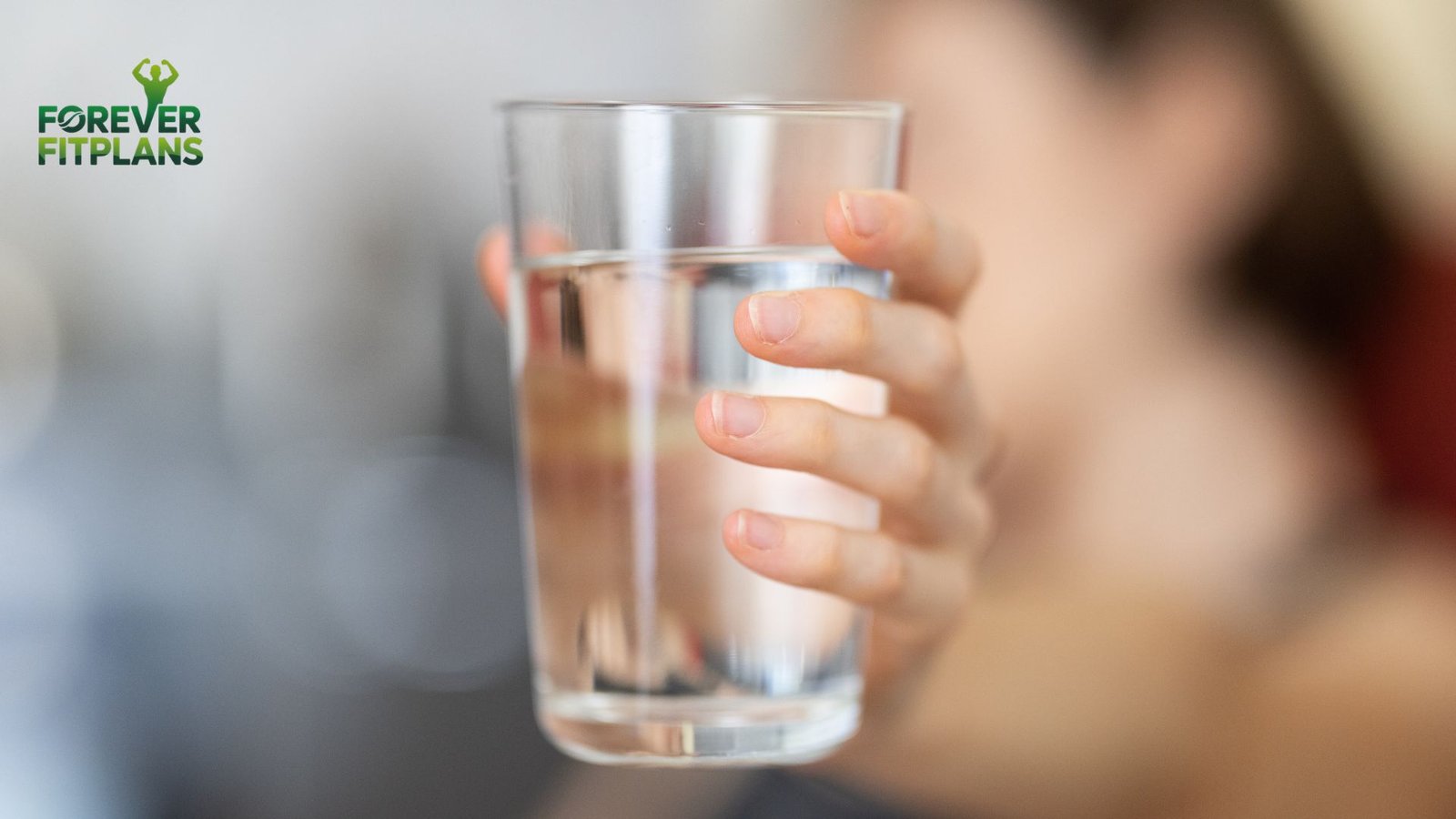
So how much water should I drink to lose belly fat? The honest answer is that water alone won’t melt fat off your midsection. But drinking the right amount at the right times genuinely supports fat loss in several measurable ways — boosting metabolism, reducing hunger, improving fat metabolism, and helping your body flush waste products from fat breakdown. And most people are significantly underhydrated without realizing it, which is quietly working against their weight loss goals every single day.
This guide gives you the real numbers, the real science, the timing strategies that work, and the practical daily habits that turn adequate hydration into a genuine belly fat loss tool.
You can also see how to Tighten Skin After Weight Loss Naturally With Exercise.
How Much Water Should You Drink to Lose Belly Fat? The Actual Numbers
Let’s answer the core question directly before anything else.
The General Baseline Recommendation
The National Academies of Sciences, Engineering, and Medicine recommends:
- Men: approximately 3.7 liters (about 125 oz or 15.5 cups) of total water per day from all sources
- Women: approximately 2.7 liters (about 91 oz or 11.5 cups) of total water per day from all sources
About 20% of daily water intake comes from food — particularly fruits, vegetables, soups, and other water-rich foods. The remaining 80% should come from drinking.
That means:
- Men should aim to drink approximately 3.0–3.5 liters (100–118 oz) of water daily
- Women should aim for approximately 2.0–2.5 liters (67–84 oz) of water daily
But these are baselines for average, moderately active adults. For people specifically trying to lose belly fat and weight, the optimal amount is often higher.
How Much Water to Drink Specifically for Weight and Belly Fat Loss
For active weight loss — particularly targeting visceral belly fat — most nutrition and weight loss researchers recommend:
- Women trying to lose weight: 2.5–3.0 liters (84–101 oz) per day
- Men trying to lose weight: 3.5–4.0 liters (118–135 oz) per day
A practical, widely used formula for personalized water intake:
Drink 30–35 ml of water per kilogram of body weight daily.
| Body Weight | Daily Water Target (30 ml/kg) | Daily Water Target (35 ml/kg) |
| 60 kg (132 lbs) | 1.8 liters | 2.1 liters |
| 70 kg (154 lbs) | 2.1 liters | 2.45 liters |
| 80 kg (176 lbs) | 2.4 liters | 2.8 liters |
| 90 kg (198 lbs) | 2.7 liters | 3.15 liters |
| 100 kg (220 lbs) | 3.0 liters | 3.5 liters |
| 110 kg (242 lbs) | 3.3 liters | 3.85 liters |
Add an extra 500ml–1 liter on days you exercise, spend time in the heat, or sweat significantly. Dehydration during exercise impairs fat metabolism and reduces workout performance — both of which slow belly fat loss.
Does Drinking Water Actually Help Lose Belly Fat? The Science
Before committing to a daily water goal, it’s fair to ask: does water actually help with belly fat specifically? Here’s what the research actually shows.
Water Boosts Your Metabolism Temporarily
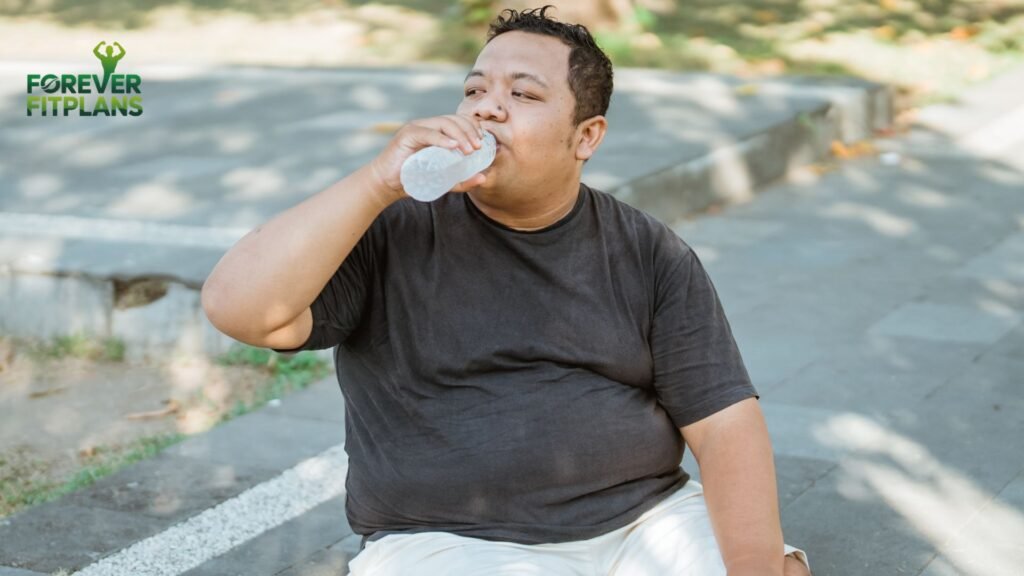
A well-cited study published in the Journal of Clinical Endocrinology & Metabolism found that drinking 500 ml (about 17 oz) of water increased metabolic rate by 24–30% for 30–60 minutes after drinking. The effect was even stronger when the water was cold, because the body burns additional calories warming the water to body temperature.
This is called the thermogenic effect of water. Multiplied across several water-drinking occasions throughout the day, this metabolic boost contributes meaningfully to total daily calorie burn over weeks and months.
Water Before Meals Reduces Calorie Intake
One of the most clinically validated effects of water on weight loss is its ability to reduce how much you eat at meals. A study published in the Obesity journal found that adults who drank 500 ml of water 30 minutes before each meal consumed fewer calories and lost 44% more weight over 12 weeks than those who didn’t pre-load with water.
This happens because water stretches the stomach, triggering stretch receptors that signal the brain to reduce appetite. When you’re well hydrated, you’re also less likely to misinterpret thirst as hunger — a surprisingly common phenomenon that drives unnecessary snacking.
Adequate Hydration Supports Fat Metabolism
Fat cannot be metabolized efficiently without adequate water. The process of breaking down stored fat — called lipolysis — requires water molecules to chemically hydrolyze (break apart) fat molecules. This process is literally called hydrolysis (hydro = water).
When you’re dehydrated, lipolysis slows. Your body becomes less efficient at accessing and burning stored fat — including the visceral fat around your abdomen. Staying hydrated keeps fat metabolism running at its optimal pace.
Water Flushes Waste Products From Fat Burning
As your body breaks down fat cells, it produces waste products — carbon dioxide (exhaled through breathing) and water-soluble metabolic byproducts excreted through urine and sweat. Adequate water intake ensures these waste products are efficiently cleared from the body. Chronic dehydration slows this clearance, leading to bloating, fluid retention, and general metabolic sluggishness.
Water Reduces Water Retention and Bloating
This sounds contradictory — but when you’re chronically dehydrated, your body conserves water by retaining it in tissues, causing puffy, bloated appearances — particularly around the abdomen and face. When you consistently drink adequate water, your body stops hoarding it, and water retention drops. Many people see a visible reduction in belly bloating within just 48–72 hours of significantly increasing their water intake.
When to Drink Water for Maximum Belly Fat Loss
The timing of your water intake can be almost as important as the total amount. These strategic timing windows produce the most significant weight and belly fat loss benefits.
1. First Thing in the Morning — Before Anything Else
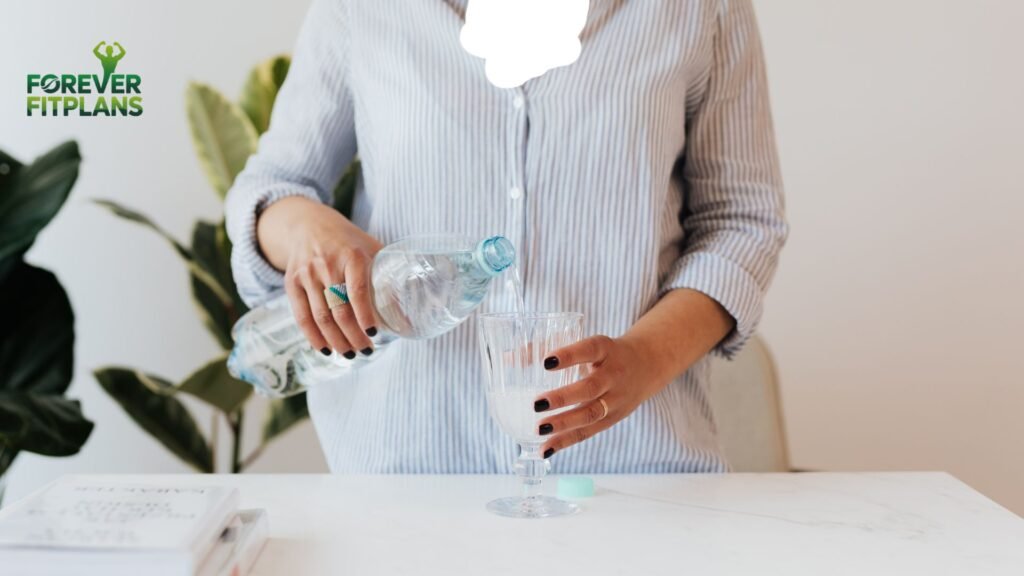
Drink 500ml (16–17 oz) of water immediately upon waking — before coffee, before breakfast, before checking your phone.
Why it works:
- You wake up mildly dehydrated after 7–9 hours without water
- Morning water activates your metabolism and starts fat-burning processes
- It helps flush overnight metabolic waste products
- It reduces morning hunger and prevents overeating at breakfast
- Studies show people who drink water first thing in the morning eat fewer calories at breakfast
Practical tip: Keep a large glass of water on your bedside table so it’s the first thing you see when you wake up.
2. Before Every Meal — The Single Most Effective Timing
Drink 400–500ml (13–17 oz) of water 20–30 minutes before each meal.
This is the most research-supported water timing strategy for reducing calorie intake and belly fat loss. The pre-meal water:
- Expands the stomach, triggering early satiety signals
- Reduces hunger hormones so you feel less urgency to eat large portions
- Helps you eat more slowly, which allows fullness signals to reach the brain before you’ve overeaten
- Can reduce meal calorie intake by 75–100 calories per meal, adding up to 225–300 calories saved daily without conscious restriction
Over 12 weeks, this single habit can produce 2–3 lbs of additional weight loss beyond what diet alone achieves.
3. During and After Exercise
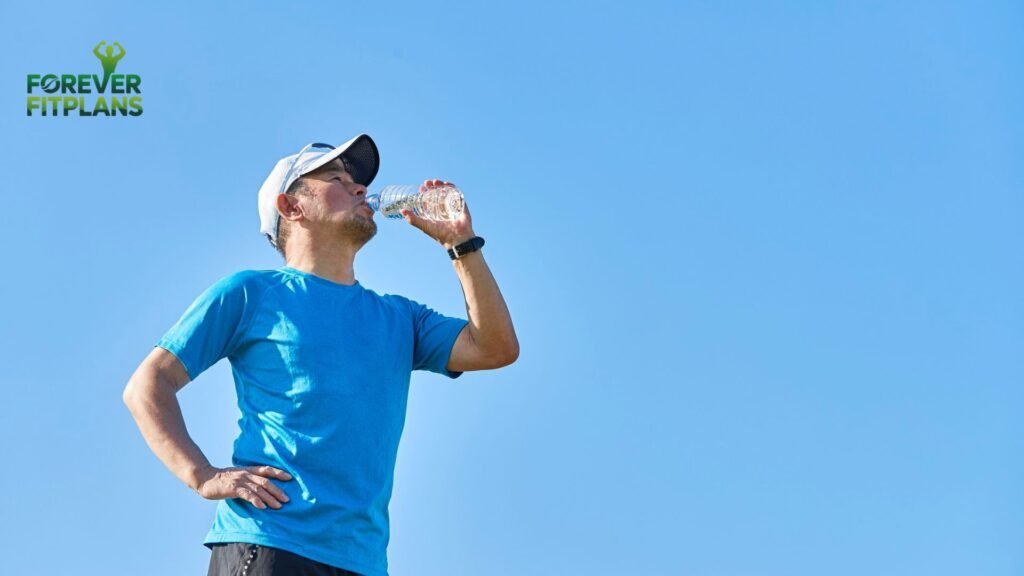
Drink 500ml before exercise, sip 150–250ml every 15–20 minutes during exercise, and drink 500ml after exercise for every 0.5 kg of body weight lost through sweat.
Why it matters for belly fat:
- Dehydration reduces exercise capacity by 10–20% — meaning you burn fewer calories and work out less effectively
- Adequate hydration maintains body temperature, reduces perceived effort, and supports muscle function during fat-burning exercise
- Post-workout hydration supports muscle protein synthesis (which builds fat-burning muscle tissue) and restores glycogen
4. At 3 PM — The Energy Slump Window
The mid-afternoon energy slump at 2–4 PM is frequently caused by mild dehydration, not true fatigue. Many people reach for coffee, a snack, or sugary food at this time when what they actually need is water.
Drinking 400–500ml of water at 3 PM can:
- Eliminate the afternoon energy crash
- Prevent unnecessary snacking that adds belly fat
- Improve cognitive function and productivity through the afternoon
5. Before Bed — Small Amount Only
Drink 150–200ml of water 30–60 minutes before bed — not more. Drinking too much before sleep causes sleep-disrupting bathroom trips, and poor sleep increases cortisol (the belly fat hormone) and ghrelin (the hunger hormone).
A small amount before bed keeps you from waking dehydrated without disrupting sleep quality.
What to Drink Alongside Water to Support Belly Fat Loss
Plain water is optimal, but these beverages provide additional belly fat loss benefits when used strategically:
Green Tea
Green tea contains epigallocatechin gallate (EGCG) — a catechin antioxidant shown in multiple studies to increase fat oxidation (fat burning) by 10–17%, with particularly strong effects on abdominal fat. A meta-analysis in the International Journal of Obesity found that regular green tea consumption increased belly fat loss meaningfully compared to control groups.
Drink 2–3 cups daily, ideally before exercise, for an enhanced fat-burning effect.
Cold Water
Cold water requires your body to expend energy warming it to body temperature — a small but real calorie-burning effect. Some estimates suggest drinking 8 glasses of cold water daily burns an additional 50–100 calories compared to drinking room-temperature water. Minor in isolation, but it adds up over months.
Water With Lemon
Lemon water contains polyphenols that have been shown in animal studies to support fat loss and reduce fat accumulation. While the evidence in humans is less strong, lemon water’s greatest benefit is practical: it makes water more enjoyable for people who struggle with plain water, increasing total daily intake. More water consumed = better hydration = better fat metabolism.
Cucumber or Mint-Infused Water
Like lemon water, infused water improves palatability and increases total consumption. Cucumber also has a mild natural diuretic effect that helps reduce water retention and bloating — particularly around the abdomen.
What Not to Drink When Trying to Lose Belly Fat
These beverages are frequently consumed as “hydration,” but actively work against belly fat loss:
| Drink | Why It Harms Belly Fat Loss | Better Alternative |
| Soda (regular) | 150+ empty calories per can; spikes insulin; promotes fat storage | Sparkling water with lemon |
| Diet soda | Artificial sweeteners may increase cravings; no hydration benefit | Green tea or plain water |
| Fruit juice | High sugar without fiber; blood sugar spike → fat storage | Whole fruit + water |
| Energy drinks | High sugar and caffeine increase cortisol | Black coffee or green tea |
| Alcohol | 7 calories/gram; blocks fat metabolism for hours after | Water with lime, sparkling water |
| Sweetened coffee drinks | 300–500 calories in one cup; liquid sugar | Black coffee or unsweetened coffee |
| Sports drinks (casual use) | High sugar; designed for athletes, not casual drinkers | Electrolyte water (no sugar) |
| Flavored milks | High in sugar and calories | Plain milk in small portions if needed |
Eliminating these drinks and replacing them with water is often responsible for 1–3 lbs of weight loss within the first week, primarily through reduced calorie intake and decreased water retention.
Signs You Are Not Drinking Enough Water to Lose Belly Fat
Many people underestimate how dehydrated they are. These signs indicate your water intake is working against your belly fat goals:
- Dark yellow or amber urine — well-hydrated urine should be pale yellow, almost clear
- Feeling hungry shortly after meals — often thirst is misinterpreted as hunger
- Persistent belly bloating — dehydration causes fluid retention that presents as abdominal bloating
- Afternoon energy crashes — frequently caused by mild dehydration rather than true fatigue
- Constipation or sluggish digestion — water is essential for moving food through the digestive tract
- Headaches, especially in the afternoon, are a classic dehydration symptom
- Dry mouth or lips — already behind on hydration
- Reduced workout performance — noticeably weaker or more breathless than usual
The simplest daily hydration check: Look at your urine color every morning. Pale straw-yellow = well hydrated. Dark yellow or amber = drink more water immediately.
A Practical Daily Water Schedule for Belly Fat Loss
Here’s a simple, structured daily water plan that reaches 2.5–3.0 liters without requiring constant tracking:
| Time | Amount | Purpose |
| Upon waking (6–7 AM) | 500ml (2 cups) | Rehydrate after sleep, activate metabolism |
| Before breakfast (7–7:30 AM) | 300ml (1.25 cups) | Reduce breakfast calorie intake |
| Mid-morning (10 AM) | 300ml (1.25 cups) | Maintain hydration, energy |
| Before lunch (12:30 PM) | 400ml (1.5 cups) | Pre-meal satiety effect |
| Early afternoon (2:30 PM) | 300ml (1.25 cups) | Prevent 3 PM energy slump |
| Before dinner (6 PM) | 400ml (1.5 cups) | Pre-meal satiety reduces dinner portions |
| After dinner (7:30 PM) | 200ml (¾ cup) | Aid digestion |
| Before bed (9–10 PM) | 150ml (½ cup) | Prevent overnight dehydration |
| Total | ~2,550ml (~86 oz) | Full daily target met |
Add 500ml–1 liter more on days you exercise, spend time outdoors in the heat, or consume caffeine or alcohol.
Hydration Habits That Make Drinking Enough Water Effortless
Getting the right amount of water daily is easier when you build smart systems around it:
- Use a large water bottle — a 1-liter bottle that you refill 2–3 times per day is far more effective than remembering to drink small amounts from small glasses
- Set phone reminders — every 90 minutes until drinking water becomes automatic
- Eat water-rich foods — cucumber (96% water), celery (95%), tomatoes (94%), watermelon (92%), zucchini (95%), all count toward daily hydration and reduce hunger
- Link water to existing habits — drink one glass every time you check your phone, brush your teeth, or sit down to work
- Track it for at least 2 weeks — use a free app (WaterMinder, Hydro Coach) until your daily water habit is automatic
- Make water the default — whenever you reach for a drink, water is first. Other beverages are additions, not replacements.
Common Myths About Water and Belly Fat Loss
Myth 1: “Drinking water directly burns belly fat.”
Water supports the fat-burning process but doesn’t burn fat directly. It optimizes the conditions for fat metabolism — but you still need a calorie deficit through diet and exercise to lose actual fat.
Myth 2: “Drinking ice-cold water burns significant extra calories.”
The thermogenic effect of cold water is real but small — roughly 8 calories burned per glass of ice-cold water. Over a day, this adds up to perhaps 50–60 extra calories — helpful but not transformative on its own.
Myth 3: “You can drink too much water, and it becomes harmful.”
Overhydration (hyponatremia) is real but extremely rare in normal daily life. It primarily affects endurance athletes drinking excessive plain water over many hours without electrolyte replacement. For everyday weight loss efforts, drinking 3–4 liters daily is perfectly safe for most healthy adults.
Myth 4: “Sparkling water causes bloating and weight gain.”
Plain sparkling water (unflavored, no sweeteners) has the same hydration benefits as still water. The carbonation may cause very mild temporary bloating in some people, but it has no lasting effect on belly fat or weight. Flavored sparkling water with artificial sweeteners is a different matter — check labels.
Frequently Asked Questions
Can drinking water alone reduce belly fat without dieting?
Water supports belly fat loss, but cannot produce it in isolation. Without a calorie deficit — consuming fewer calories than you burn — stored fat (including visceral belly fat) will not be reduced. However, water strategically consumed before meals, first thing in the morning, and during exercise can reduce total calorie intake by 200–400 calories daily without conscious dieting, which, over weeks and months, contributes meaningfully to belly fat reduction. Water is a tool, not a solution by itself.
How much water should I drink per day to lose weight fast?
For active weight loss, aim for 2.5–3.5 liters per day depending on your body weight, activity level, and climate. Use the formula of 30–35 ml per kilogram of body weight as your personalized daily target. On exercise days, add 500ml–1 liter more. Drinking 500ml before each meal is the single most impactful timing strategy for reducing calorie intake and accelerating weight loss results.
Does drinking water in the morning help burn belly fat?
Yes — drinking 500ml of water immediately upon waking activates your metabolism, rehydrates the body after overnight fasting, and helps reduce morning hunger that often leads to high-calorie breakfast choices. A study published in the Journal of Clinical Endocrinology found that drinking water increases metabolic rate by up to 30% for 30–60 minutes, and this effect is strongest when the water is consumed on an empty stomach, as in the morning.
Is warm water or cold water better for belly fat loss?
Cold water has a slightly higher thermogenic effect — your body burns a small number of extra calories warming cold water to body temperature. However, warm water may improve digestion and gut motility, which reduces bloating and supports overall digestive health. Both are effective for hydration. The most important factor is total daily water intake — not temperature. Drink at the temperature you prefer so you’ll actually drink enough consistently.
How long does it take to see belly fat loss from drinking more water?
You may notice reduced belly bloating within 48–72 hours of significantly increasing water intake, as water retention drops when the body stops hoarding fluid. This can produce a noticeably flatter appearance around the abdomen quickly. Actual belly fat loss from the cumulative effects of improved hydration (reduced calorie intake at meals, better fat metabolism, increased workout performance) becomes visible at 4–8 weeks of consistent habit application combined with appropriate diet and exercise.
Can drinking too much water at once be harmful?
For healthy adults, drinking large amounts of plain water over a short period (several liters within an hour) can dilute blood sodium levels, causing hyponatremia — a potentially dangerous condition. However, this is extremely rare in everyday life and primarily affects endurance athletes during prolonged events. For general weight loss purposes, spreading your 2.5–3.5 liters throughout the day (as shown in the daily schedule above) carries no risk and provides optimal benefit.
Does drinking water before bed reduce belly fat?
A small amount of water (150–200ml) before bed is beneficial — it prevents overnight dehydration and supports fat-burning processes that occur during sleep. However, drinking large amounts before bed causes sleep-disrupting bathroom trips, and poor sleep significantly increases cortisol and ghrelin — both of which promote belly fat accumulation. Quality sleep is itself one of the most important factors in belly fat reduction, so prioritize sleep protection over aggressive water drinking in the evening hours.
Conclusion
The question how much water should you drink to lose belly fat has a clear, practical answer: aim for 2.5–3.5 liters per day based on your body weight and activity level — with strategic timing that places water intake before meals, first thing in the morning, and around exercise for maximum belly fat loss benefit.
Water alone won’t remove belly fat — nothing does that without a calorie deficit. But consistently adequate hydration supports virtually every mechanism involved in fat loss: it boosts metabolism, reduces meal calorie intake, accelerates fat cell breakdown, reduces bloating and water retention, improves exercise performance, and helps your body flush the waste products of fat burning efficiently.
Most people who significantly increase their water intake notice a visible reduction in belly bloating within the first week. Sustained hydration habits, combined with appropriate nutrition and exercise, produce real, meaningful belly fat reduction over 4–12 weeks of consistent effort.
Start today. Fill a large water bottle. Drink 500ml before your next meal. Set a reminder for every 90 minutes. These small, immediate steps cost nothing — and they’re the foundation of every successful belly fat loss effort worth having.
This article is for informational purposes only and does not replace personalized medical or nutritional advice. Consult your doctor or a registered dietitian for guidance tailored to your individual health needs and weight loss goals.
According to research supported by theHarvard T.H. Chan School of Public Health, water is the best beverage for maintaining a healthy weight — and replacing sugary drinks with water is one of the most consistently effective dietary interventions for reducing calorie intake and supporting fat loss.

Dr. Daniel Carter is a certified health & wellness writer and fitness lifestyle researcher with over 8 years of experience in nutrition, weight management, sleep health, and preventive care. He is passionate about helping people live healthier, stronger, and more balanced lives through science-backed fitness strategies and easy-to-follow wellness tips.
Through FitForever Plan, Dr. Carter shares practical health advice, workout guidance, and nutrition insights designed to support long-term fitness, sustainable weight loss, and overall well-being. His mission is to make healthy living simple, achievable, and enjoyable for everyone.