Low-Calorie Snacks for Weight Loss: 30+ Satisfying Options That Won’t Derail Your Diet
Snacking gets a bad reputation in the weight loss world. People blame snacks for ruining their calorie deficit, breaking their discipline, and stalling their progress. But here’s the reality: snacking isn’t the problem — the wrong snacks are.
The right low-calorie snacks for weight loss don’t just prevent you from overeating at your next meal. They stabilize blood sugar, reduce cravings, give your body steady fuel between meals, and keep your energy from crashing at 3 PM. The problem is that most people reach for chips, cookies, or crackers when they’re hungry — foods that spike insulin, create rebound hunger within an hour, and quietly add 500+ calories to the day.
This guide gives you 30+ genuinely satisfying, low-calorie snacks for weight loss — organized by category, with real calorie counts, protein content, and practical preparation tips. Plus the science behind why smart snacking supports — not sabotages — fat loss.
You can also read Does Weed Make You Lose Weight?
Why Low-Calorie Snacks for Weight Loss Actually Work
Before the food lists, let’s understand why strategic snacking is a legitimate tool for losing weight — not just an excuse to eat more.
They Prevent Overeating at Main Meals
When you go 5–6 hours between meals without eating, hunger hormone levels (ghrelin) spike dramatically. By the time you sit down for dinner, you’re ravenous — and ravenous people consistently overpick portions, eat faster, and choose higher-calorie foods.
A small, well-chosen low-calorie snack at the right time prevents this hunger escalation, reducing meal portions naturally without willpower.
They Keep Blood Sugar Stable
Long gaps between meals allow blood sugar to drop too low, triggering cravings for fast-release carbohydrates — sugar, refined carbs, and junk food. Low-calorie snacks with protein and fiber keep blood sugar in a stable range throughout the day, eliminating the cravings that cause most diets to fall apart.
They Support a Consistent Metabolic Rate
Severely restricting calories — particularly by skipping snacks when genuinely hungry — can trigger a mild starvation response where the body reduces metabolic rate and increases fat storage efficiency. Eating frequently in appropriate amounts keeps metabolism active and prevents the metabolic slowdown associated with aggressive calorie restriction.
They Deliver Nutrition Without Breaking the Calorie Budget
Well-chosen low-calorie snacks provide vitamins, minerals, fiber, protein, and antioxidants your body needs — without meaningfully impacting your calorie deficit. This is fundamentally different from high-calorie snacks that deliver mostly empty calories with minimal nutritional benefit.
What Makes a Snack Truly Low-Calorie and Weight-Loss-Friendly?
Not every snack marketed as “light” or “healthy” actually supports weight loss. Here are the criteria that matter:
The Four Qualities of a Good Low-Calorie Weight Loss Snack
1. Calorie range: 50–200 calories per serving is the practical range for a weight-loss snack. Below 50 calories rarely satisfies. Above 200 starts competing with meal territory.
2. High satiety per calorie: The best low-calorie snacks for weight loss use protein, fiber, water content, or volume to create fullness far beyond what their calorie count suggests.
3. Minimal added sugar and refined carbs: Snacks built on white flour, added sugar, or processed ingredients spike blood sugar quickly and create hunger rebounds within 60–90 minutes — defeating the purpose.
4. Genuine nutritional value: Beyond just being low in calories, the best snacks provide protein, fiber, vitamins, or minerals that support overall health during calorie restriction.
| Quality | Why It Matters | Example Nutrients |
| High protein | Reduces hunger hormones, preserves muscle | Eggs, Greek yogurt, cottage cheese |
| High fiber | Slows digestion, extends fullness | Vegetables, fruits, legumes, oats |
| High water content | Adds volume with zero calories | Cucumber, celery, watermelon |
| Low glycemic index | Prevents blood sugar spikes and crashes | Berries, nuts, legumes |
| Minimal processing | Avoids hidden sugars and additives | Whole foods vs. packaged snacks |
30+ Best Low-Calorie Snacks for Weight Loss: Complete List by Category
Category 1: Protein-Rich Low-Calorie Snacks
Protein is the most satiating macronutrient. Snacks with at least 5–10 grams of protein per serving keep hunger at bay for significantly longer than carbohydrate-only snacks at the same calorie count.
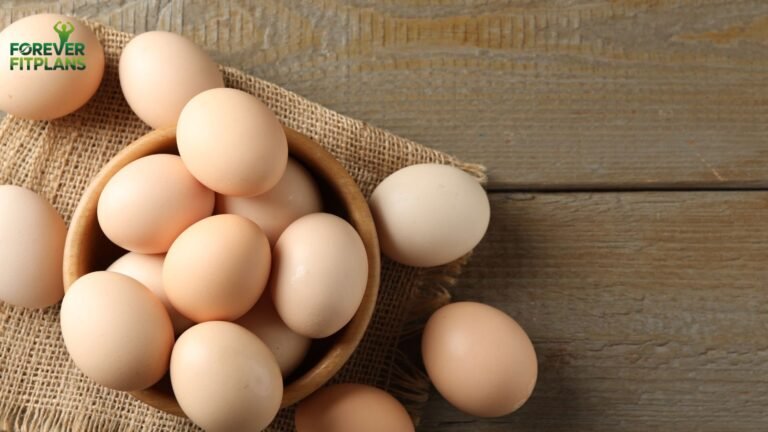
1. Hard-Boiled Eggs
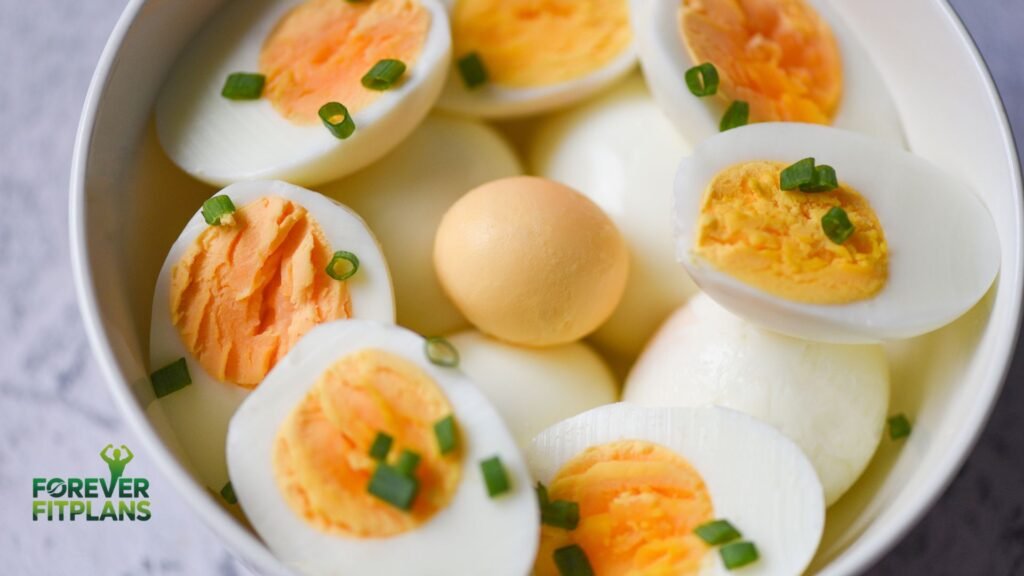
One of the most effective low-calorie snacks for weight loss available. One large hard-boiled egg provides 6–7 grams of complete protein with all essential amino acids — for just 70–78 calories.
- Calories: 78 per egg
- Protein: 6g
- Prep: Boil 6–12 at once; refrigerate for up to 5 days for instant grab-and-go snacking
- Satiety score: Excellent — research shows eggs are among the most satiating foods per calorie
2. Greek Yogurt (Plain, Non-Fat)
Non-fat plain Greek yogurt delivers impressive protein with relatively few calories. The plain version avoids the 15–20 grams of added sugar found in flavored varieties.
- Calories: 80–100 per 150g serving
- Protein: 14–17g
- Add: Berries + a teaspoon of honey for natural sweetness
- Bonus: Probiotics support gut health, which influences appetite hormones
3. Cottage Cheese (Low-Fat)
Cottage cheese is a casein protein powerhouse — casein digests slowly, providing sustained fullness for 3–4 hours. It’s one of the most underrated low-calorie snacks for weight loss.
- Calories: 80–90 per ½ cup
- Protein: 12–14g
- Pair with: Cherry tomatoes, cucumber slices, or a few berries
4. Tuna on Cucumber Slices
A small tin of water-packed tuna (70–80g) on cucumber rounds is an extremely low-calorie, high-protein snack that takes 2 minutes to prepare.
- Calories: ~100 for tuna + cucumber
- Protein: 18–20g
- Add: Lemon juice, pepper, and a small amount of mustard
5. Edamame (Shelled)
Edamame — young soybeans — provide a rare combination of protein, fiber, and complex carbohydrates in a whole plant food. They’re filling, nutritious, and easy to prepare.
- Calories: 90–100 per ½ cup shelled
- Protein: 8g
- Fiber: 4g
- Prep: Buy frozen, microwave for 3 minutes, add sea salt
6. String Cheese (Low-Fat)
A single low-fat string cheese stick is a convenient, portable, low-calorie snack that pairs well with an apple or cucumber slices.
- Calories: 50–60 per stick
- Protein: 6–7g
- Best for: On-the-go snacking, travel, work
Category 2: Vegetable-Based Low-Calorie Snacks
Vegetables are the ultimate low-calorie snack foundation. Most non-starchy vegetables provide 15–30 calories per cup — meaning you can eat large volumes for very few calories, creating physical fullness without calorie impact.
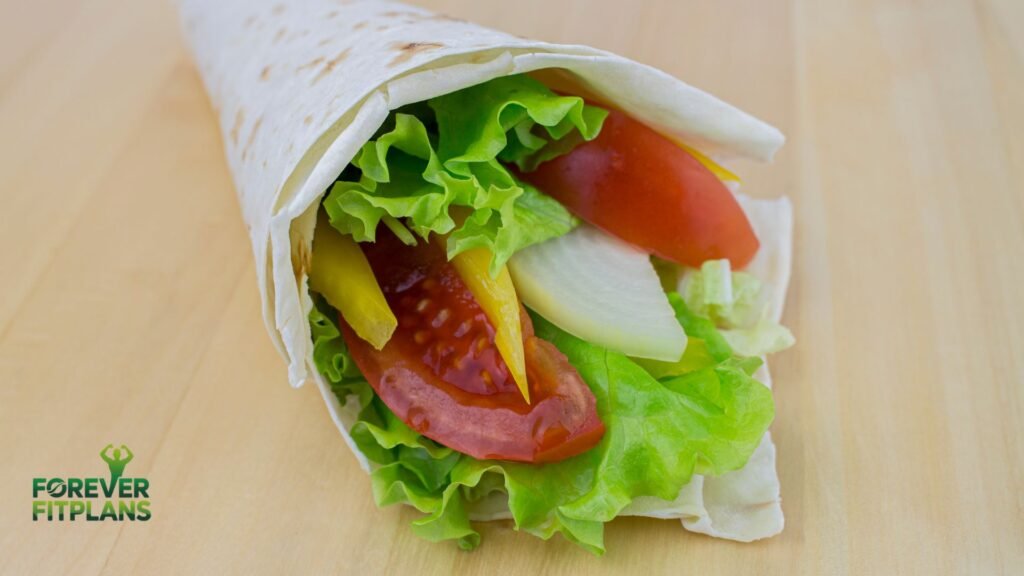
7. Cucumber Slices With Hummus
Cucumbers are 96% water and essentially calorie-free as a base. Two tablespoons of hummus add protein and healthy fat.
- Calories: ~70 (1 cup cucumber + 2 tbsp hummus)
- Fiber: 3g
- Best feature: The crunch factor satisfies the textural craving that often drives chip consumption
8. Celery With Peanut Butter or Almond Butter
Classic combination for good reason. Celery is extremely low-calorie (6 calories per stalk), and the protein and fat from nut butter provide lasting satiety.
- Calories: ~95 (2 stalks celery + 1 tbsp nut butter)
- Protein: 4g
- Note: Measure the nut butter — it’s calorie-dense. One tablespoon, not two.
9. Baby Carrots
One of the most convenient low-calorie snacks for weight loss. Baby carrots are naturally sweet, satisfyingly crunchy, and require zero preparation.
- Calories: ~35 per cup (about 16 baby carrots)
- Fiber: 3.6g
- Pair with: 2 tbsp hummus or plain Greek yogurt dip
10. Bell Pepper Strips
Red, yellow, and orange bell peppers are naturally sweet and packed with vitamin C (more than an orange). They’re satisfying to crunch and beautifully low in calories.
- Calories: ~31 per medium pepper
- Vitamin C: 169% of daily value
- Pair with: Cottage cheese dip, hummus, or eat plain
11. Roasted Cauliflower
Roasting cauliflower transforms it from bland to genuinely craveable. A full cup of roasted cauliflower with olive oil spray is under 50 calories.
- Calories: ~40–50 per cup roasted
- Fiber: 3g
- Season with: Turmeric, smoked paprika, garlic powder
12. Sliced Tomatoes With Feta and Basil
Sliced tomatoes with a small crumble of feta cheese and fresh basil are a satisfying, flavorful, low-calorie snack with minimal preparation.
- Calories: ~80 (1 medium tomato + 15g feta)
- Best for: Afternoon snack when you want something that feels like more than a diet food
Category 3: Fruit-Based Low-Calorie Snacks
Whole fruits are among the best low-calorie snacks for weight loss — providing fiber, water content, vitamins, and natural sugars that satisfy sweet cravings without causing the blood sugar spike of refined sweets.
13. Mixed Berries
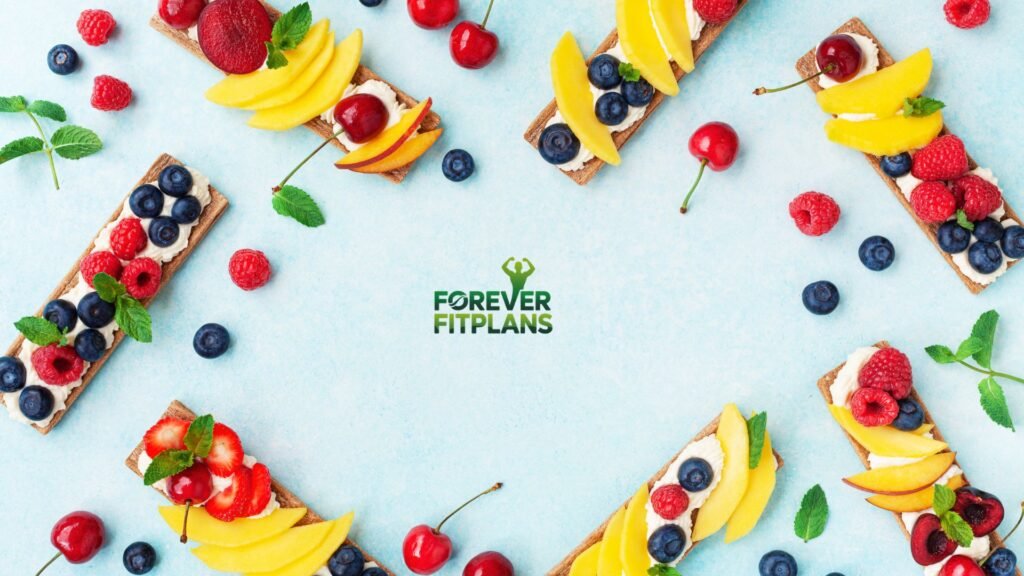
Berries are the king of low-calorie fruits. Raspberries and blackberries are particularly impressive — nearly as much fiber as many vegetables per cup.
| Berry | Calories per Cup | Fiber | Sugar |
| Raspberries | 64 | 8g | 5g |
| Blackberries | 62 | 7.6g | 7g |
| Strawberries | 49 | 3g | 7g |
| Blueberries | 84 | 3.6g | 15g |
Best combination: Mixed berries with 3–4 tablespoons of plain Greek yogurt for added protein.
14. Apple Slices With Almond Butter
Apples contain pectin — a soluble fiber shown to suppress appetite for hours after eating. Paired with one tablespoon of almond butter for protein and fat, this combination is one of the most effective afternoon snacks for preventing overeating at dinner.
- Calories: ~150 (1 medium apple + 1 tbsp almond butter)
- Fiber: 6g
- Research note: Studies show eating an apple before a meal reduces calorie intake at that meal by up to 15%
15. Frozen Grapes
Frozen grapes satisfy the craving for something sweet and cold in a way that feels indulgent but stays very low-calorie.
- Calories: ~55 per ½ cup (about 15 grapes)
- Best for: Evening sweet cravings
- Prep: Wash, pat dry, freeze for 4+ hours on a baking sheet, store in freezer bag
16. Watermelon Cubes
Watermelon is 92% water — making it one of the highest-volume, lowest-calorie snacks available. A generous 2-cup serving is under 90 calories.
- Calories: ~86 per 2 cups cubed
- Water content: 92%
- Best for: Hot day snacking, post-workout refreshment
17. Grapefruit
Grapefruit has a long history in weight loss research. A study published in the Journal of Medicinal Food found that eating grapefruit before meals was associated with significant weight loss. Its natural bitterness also reduces the desire for sweet, high-calorie foods afterward.
- Calories: ~52 per ½ grapefruit
- Fiber: 2g
- Note: Grapefruit interacts with certain medications — check with your doctor if on statins or blood pressure medications
Category 4: Whole Grain and Complex Carb Snacks
These snacks satisfy the craving for crunch and substance while providing fiber and sustained energy — unlike refined carb snacks that leave you hungry within an hour.
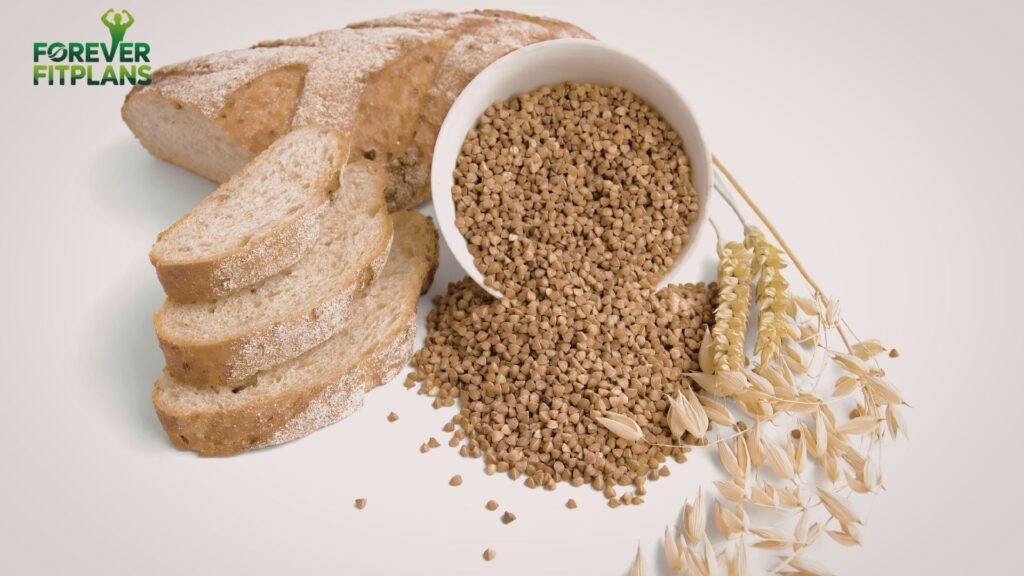
18. Rice Cakes With Avocado
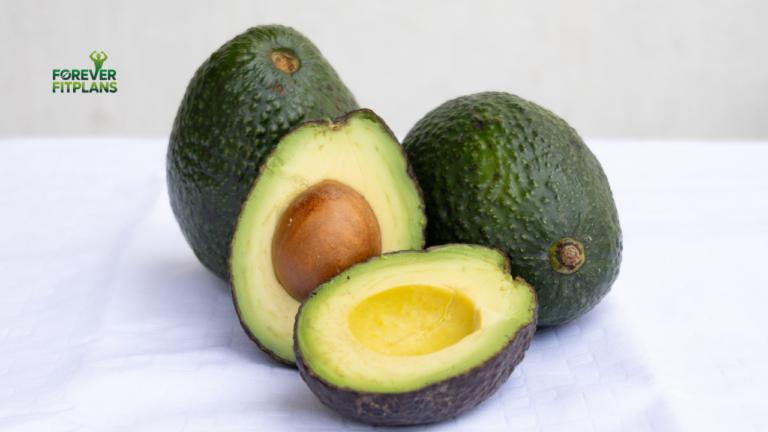
Plain rice cakes are low-calorie but not very filling alone. Adding a quarter of an avocado transforms them into a genuinely satisfying snack with healthy fat and fiber.
- Calories: ~100 (2 rice cakes + ¼ avocado)
- Fiber: 3g
- Season: Add salt, pepper, and red pepper flakes
19. Popcorn (Air-Popped, Unsalted)
Air-popped popcorn is one of the highest-volume low-calorie snacks available. Three cups of air-popped popcorn is under 95 calories — far more satisfying than the same calories from chips.
- Calories: 93 per 3 cups air-popped
- Fiber: 3.5g
- Warning: Movie theater or microwave butter popcorn can be 400–600 calories. Plain air-popped only.
20. Oat Crackers With Cottage Cheese
Small oat or whole grain crackers paired with a scoop of cottage cheese provide complex carbs, protein, and fiber in a satisfying combination.
- Calories: ~120 (4 crackers + 3 tbsp cottage cheese)
- Protein: 8g
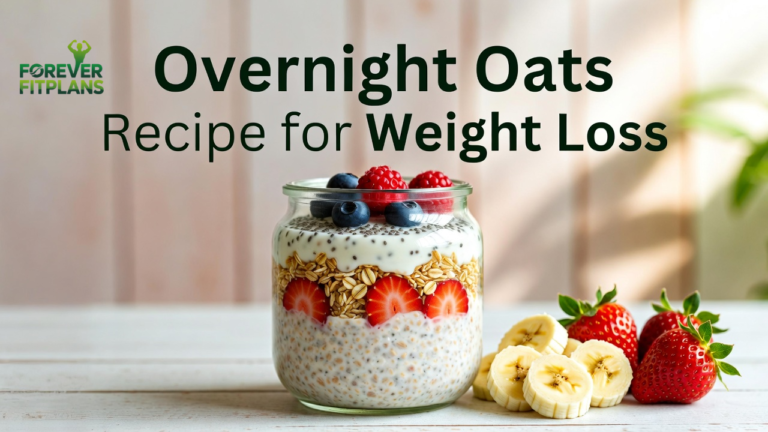
21. Overnight Oat Bites (Small Portion)
A small prepared serving of overnight oats (½ cup) provides slow-releasing complex carbs, beta-glucan fiber, and protein — particularly when made with Greek yogurt or protein powder.
- Calories: ~150 per ½ cup (with yogurt and berries)
- Fiber: 4g
- Best for: Mid-morning snack between breakfast and lunch
Category 5: Nuts and Seeds (Portion-Controlled)
Nuts are calorie-dense, so portion control is essential. But a small, measured portion of nuts is one of the most effective snacks for sustained satiety between meals.
22. Almonds (Small Handful)
15 almonds provide 5g of protein, 3.5g of fiber, and 9g of healthy fat — for about 100 calories. Research shows that a significant portion of the fat in almonds isn’t fully absorbed, making their effective calorie count lower than labels suggest.
- Calories: 100 per 15 almonds
- Protein: 5g
- Key tip: Pre-portion into small bags or containers to prevent overconsumption
23. Pumpkin Seeds (Pepitas)
Pumpkin seeds are one of the most nutrient-dense low-calorie snack additions available — high in magnesium, zinc, and plant protein.
- Calories: 150 per ¼ cup
- Protein: 9g
- Best use: Mixed into Greek yogurt, sprinkled on salads, or eaten plain as a small handful
24. Pistachios (In-Shell)
In-shell pistachios slow eating speed and increase awareness of portion size — a psychological advantage. They’re one of the lowest-calorie nuts per piece.
- Calories: ~80 per 20 in-shell pistachios
- Protein: 3g
- Fiber: 1.5g
Category 6: Beverage-Based and Soup Snacks
These snacks work by delivering volume, warmth, and satisfaction through liquids — taking up physical space in the stomach while delivering minimal calories.
25. Miso Soup
A small bowl of miso soup is warming, savory, and genuinely satisfying for under 40 calories. The sodium also helps if you’re craving salty flavors.
- Calories: ~35 per small bowl
- Sodium: Moderate — suitable for most people unless on sodium restriction
26. Vegetable Broth
Plain or seasoned vegetable broth is a zero-fat, very-low-calorie warm snack that reduces hunger in the short term through volume and warmth.
- Calories: 10–20 per cup
- Best for: Evening hunger when you don’t want to use meaningful calories before bed
27. Green Tea With Lemon
Green tea provides EGCG — a catechin antioxidant that mildly boosts fat oxidation. It also hydrates and fills the stomach, reducing appetite signals between meals.
- Calories: 0–5
- Bonus: 2–3 cups daily supports fat burning, particularly around the abdomen
Snacks to Avoid When Trying to Lose Weight
Just as important as knowing what to eat is knowing what not to grab:
| Snack | Why It Hinders Weight Loss | Better Alternative |
| Potato chips (regular bag) | 400–600 cal; no fiber or protein; creates rebound hunger | Air-popped popcorn + hummus |
| Granola bars (most brands) | 200–300 cal; 15–20g sugar; minimal protein | Greek yogurt + berries |
| Flavored yogurt (sweetened) | 150–200 cal; 20–25g added sugar | Plain Greek yogurt + fruit |
| Crackers and cheese (excess) | Easy to overconsume; 300–400+ cal | 4 oat crackers + 2 tbsp cottage cheese |
| Dried fruit (large portion) | Calorie-dense; sugar concentrated without water | Fresh whole fruit |
| “Diet” cookies and snack bars | Often 150–200 calories with artificial sweeteners that increase cravings | Hard-boiled egg + baby carrots |
| Peanut butter (no portion control) | 190 cal per 2 tbsp — easy to triple this | Measured 1 tbsp with an apple |
| Trail mix (commercial) | 350–400 cal per small bag; high sugar content | Self-portioned nuts + seeds |
Sample Daily Low-Calorie Snack Plan
Here’s how to integrate low-calorie snacks for weight loss into a full day:
| Time | Snack | Calories | Why This Timing |
| 10:00–10:30 AM | 1 hard-boiled egg + 10 baby carrots | ~115 kcal | Bridges breakfast to lunch without overeating at midday |
| 3:00–3:30 PM | Plain Greek yogurt (150g) + ½ cup mixed berries | ~130 kcal | Prevents afternoon energy crash and pre-dinner hunger |
| Optional 7:00 PM | 1 cup air-popped popcorn + green tea | ~50 kcal | Satisfies evening hunger without meaningfully impacting calorie deficit |
Total snack calories: ~295 kcal — leaving the remaining 1,200–1,700 calories for 3 main meals, depending on your daily target.
Frequently Asked Questions
How many calories should a weight loss snack be?
For most people trying to lose weight, a snack should contain 100–200 calories. This range is enough to reduce hunger and prevent overeating at the next meal without meaningfully impacting your daily calorie deficit. Snacks below 50 calories are rarely satisfying enough to prevent hunger rebound; snacks above 200 calories start competing with the calorie budget of a small meal. Prioritize snacks that combine protein and fiber within this calorie range for the best satiety per calorie.
Is snacking bad for weight loss?
No — strategic snacking actively supports weight loss by preventing the extreme hunger that leads to overeating at meals. The problem is the type of snack, not the snacking itself. High-sugar, high-fat, low-protein snacks (chips, cookies, candy) spike blood sugar and create rebound hunger. Low-calorie snacks built around protein, fiber, and whole foods stabilize blood sugar, reduce total daily calorie intake, and support consistent energy without cravings.
What is the best low-calorie snack to eat before bed?
The best pre-bed snack is small (under 150 calories), contains protein to support overnight muscle repair, and has minimal sugar to avoid blood sugar spikes that disrupt sleep. Good options: 1 hard-boiled egg (78 cal), ½ cup cottage cheese (85 cal), 10–15 almonds (100 cal), or a small bowl of plain Greek yogurt (80 cal). Avoid sugary snacks, large portions, and anything with significant caffeine before bed.
What low-calorie snacks keep you full the longest?
The most satiating low-calorie snacks for weight loss combine protein and fiber — the two nutrients most responsible for extended fullness. Top options: hard-boiled eggs (6g protein), Greek yogurt (14–17g protein), cottage cheese (12–14g protein), apple + almond butter (fiber + fat + protein combo), and edamame (8g protein + 4g fiber). These snacks keep most people satisfied for 2–3 hours between meals.
Are rice cakes a good low-calorie snack for weight loss?
Plain rice cakes alone are low calorie (35–40 calories each) but have low protein and fiber content, which means they don’t keep you full for long. When paired with a protein-rich topping — avocado, cottage cheese, tuna, or nut butter — they become a much more effective low-calorie snack. On their own, rice cakes are a good craving satisfier but not an ideal standalone weight loss snack.
Can I eat fruit as a low-calorie snack while losing weight?
Yes, whole fruit is one of the best low-calorie snacks for weight loss. The fiber in whole fruit slows sugar absorption, extends fullness, and prevents the blood sugar spike you’d get from fruit juice or candy. Berries (raspberries, strawberries, blackberries) are the most weight-loss-friendly options due to their high fiber and low sugar content. Apples, grapefruit, and watermelon are also excellent choices. Portion matters with higher-sugar fruits like grapes and mangoes.
How many snacks per day is ideal for weight loss?
Most nutrition guidelines for weight loss support 1–2 snacks per day — typically one mid-morning and one mid-afternoon. This schedule prevents the hunger escalation that causes overeating at lunch and dinner without adding excessive calories. More than 2 snacks daily can start to crowd out the main meal nutrition unless snacks are kept very small (50–100 calories). Eating fewer than 1 snack daily can lead to extreme hunger that causes meal overeating. Adjust based on your total calorie target and personal hunger patterns.
Conclusion
Snacking doesn’t break diets. The wrong snacks in the wrong amounts at the wrong times do. The right low-calorie snacks for weight loss — eaten strategically between meals — are one of the most powerful tools you have for sustaining a calorie deficit without misery, maintaining energy throughout the day, and preventing the meal-time overeating that undoes weeks of effort.
The options in this guide give you everything you need: high-protein choices that keep you full for hours, vegetable-based snacks with enormous volume for minimal calories, fruits that satisfy sweet cravings without blood sugar spikes, and portioned nuts and grains that provide real sustenance. These are real foods that work in real life — not diet foods that leave you longing for something else.
Start by replacing just one problematic daily snack — the afternoon chips, the evening cookies, the mindless handful of whatever’s in reach — with one of the protein-and-fiber combinations in this guide. Do that for two weeks. Watch what happens to your hunger, your energy, and your waistline.
Small swaps. Consistent choices. Real results.
This article is for informational purposes only and is not a substitute for personalized dietary advice. Consult a registered dietitian or your healthcare provider for a nutrition plan tailored to your specific health needs and weight loss goals.
According to the Harvard T.H. Chan School of Public Health — The Nutrition Source, filling a significant portion of your daily food intake with vegetables, fruits, and high-quality proteins — consistent with the snacking strategy in this guide — is one of the most evidence-based dietary approaches for sustainable weight management.

Dr. Daniel Carter is a certified health & wellness writer and fitness lifestyle researcher with over 8 years of experience in nutrition, weight management, sleep health, and preventive care. He is passionate about helping people live healthier, stronger, and more balanced lives through science-backed fitness strategies and easy-to-follow wellness tips.
Through FitForever Plan, Dr. Carter shares practical health advice, workout guidance, and nutrition insights designed to support long-term fitness, sustainable weight loss, and overall well-being. His mission is to make healthy living simple, achievable, and enjoyable for everyone.