Is It Possible to Lose 10 Pounds in a Month? The Honest Answer You Actually Need
You have a wedding in four weeks. Or a vacation. Or maybe you just hit a point where you looked in the mirror and thought — enough. Now the question is burning in your head: is it possible to lose 10 pounds in a month?
It’s one of the most searched weight loss questions on the internet — and for good reason. Ten pounds in thirty days sounds like a bold but achievable goal. It’s specific, it’s motivating, and it’s exactly the kind of target that gets people to actually start making changes.
The honest answer? It depends. For some people, losing 10 pounds in a month is genuinely possible — particularly those with more weight to lose to begin with. For others, it’s unrealistic without dangerous restrictions. This guide breaks down the real science, what factors determine your individual potential, what a practical 30-day plan looks like, and how to maximize safe results when time is tight.
Also read Good Carbs for Weight Loss.
Is It Possible to Lose 10 Pounds in a Month? What the Math Says
Before anything else, let’s look at this from a pure numbers perspective.
One pound of body fat equals approximately 3,500 calories. To lose 10 pounds of pure fat in 30 days, you would need to burn or reduce 35,000 calories over the month, which works out to a deficit of approximately 1,167 calories every single day.
That’s a very large daily deficit. For most people, safely achieving a 1,167-calorie daily deficit requires a combination of significant calorie restriction and substantial daily exercise — and it pushes the boundaries of what’s medically considered safe for sustained fat loss.
Here’s a practical breakdown:
| Goal | Calories Needed | Daily Deficit Required | Feasibility |
| Lose 2 lbs/month | 7,000 cal total | ~233 cal/day | Easy — very safe |
| Lose 4 lbs/month | 14,000 cal total | ~467 cal/day | Easy — recommended |
| Lose 6 lbs/month | 21,000 cal total | ~700 cal/day | Moderate — achievable |
| Lose 8 lbs/month | 28,000 cal total | ~933 cal/day | Hard — requires discipline |
| Lose 10 lbs/month | 35,000 cal total | ~1,167 cal/day | Very hard — possible for some |
Most health authorities — including the CDC and WHO — recommend losing no more than 1–2 pounds per week (4–8 pounds per month) as the safe, sustainable rate for fat loss. Pushing beyond this increases the risk of muscle loss, nutritional deficiencies, metabolic slowdown, and dangerous weight regain once normal eating resumes.
So, is it possible to lose 10 pounds in a month? Technically, yes — but the 10 pounds won’t all be pure fat. Here’s the fuller picture.
What Actually Happens When You Lose 10 Pounds in a Month
When people report losing 10 pounds in a month, they’re rarely losing 10 pounds of pure fat. The weight loss typically comes from a combination of sources:

1. Water Weight (Days 1–7)
The quickest and most dramatic initial weight loss comes from water and glycogen depletion. When you cut carbohydrates and create a calorie deficit, your body rapidly burns through glycogen (stored glucose in the muscles and liver). Every gram of glycogen holds approximately 3 grams of water alongside it. When glycogen is burned, that water is released.
This is why people often lose 3–5 pounds in the first week of a diet — and why it feels so encouraging. Its real weight has gone from the scale, but it’s not fat. When carbohydrates are reintroduced, some of this water weight returns.
2. Actual Body Fat (Ongoing)
True fat loss happens when you sustain a calorie deficit over time. In a month, with a consistent daily deficit of 700–1,000 calories, most people can realistically lose 3–5 pounds of actual fat tissue. People with significantly higher starting body weight may lose slightly more.
3. Muscle Mass (If You’re Not Careful)
This is the dangerous part of aggressive calorie restriction. When you cut calories too severely — particularly below 1,200 calories per day for women or 1,500 for men — your body begins breaking down muscle tissue for energy in addition to fat. Losing muscle slows your metabolism long-term, making future weight loss harder and causing the “skinny fat” look, where weight is lower, but body composition worsens.
Protecting muscle during weight loss requires adequate protein intake (at least 1.2–1.6g per kg of body weight) and strength training.
Who Can Actually Lose 10 Pounds in a Month?
Not everyone has the same potential for rapid weight loss. Several factors determine whether 10 pounds in 30 days is a realistic target for you personally.
People With Higher Starting Body Weight
The more excess weight a person carries, the larger their natural calorie deficit can be without severe restriction — because their body burns more calories at rest. Someone weighing 250+ lbs can often create a 1,000–1,500 calorie deficit more easily than someone already close to their goal weight. For heavier individuals, losing 10 pounds in a month is more achievable without extreme measures.
People Who Have Been Eating a Very High-Calorie Diet
Someone whose diet has been extremely high in sodium, sugar, refined carbs, alcohol, and processed food will experience rapid initial water weight loss when they clean up their eating — sometimes 5–7 pounds in the first two weeks alone. Combined with modest fat loss, 10 pounds in a month becomes more achievable for this group.
Very Active People
Athletes or people doing significant amounts of daily physical activity burn substantially more calories than sedentary people. A person burning 700–900 calories through daily exercise has a much larger buffer to create the calorie deficit needed for faster weight loss.
People Closer to a Healthy Weight
Ironically, the closer you are to a healthy weight, the harder it becomes to lose 10 pounds in a month — because your body becomes more resistant to rapid fat loss as it approaches its natural set point. The last 10–20 pounds are always the hardest.
A Realistic 30-Day Plan to Maximize Weight Loss
This plan is designed to produce the maximum safe weight loss in 30 days — without crash dieting, dangerous restriction, or sacrificing muscle mass. Follow it consistently, and you can realistically expect to lose 6–10 pounds depending on your starting point.
Nutrition Strategy: How to Eat for Rapid but Safe Weight Loss
Set Your Daily Calorie Target
Use this simple calculation as a starting point:
- Calculate your Total Daily Energy Expenditure (TDEE) using an online calculator (based on age, weight, height, and activity level)
- Subtract 500–750 calories from your TDEE for a safe but meaningful deficit
- Never go below 1,200 calories (women) or 1,500 calories (men) — below these thresholds, muscle loss and nutritional deficiency risk increase significantly
| Your TDEE | Recommended Deficit | Daily Calorie Target | Expected Monthly Loss |
| 2,000 kcal | 500 kcal | 1,500 kcal | 4–5 lbs fat |
| 2,200 kcal | 600 kcal | 1,600 kcal | 5–6 lbs fat |
| 2,500 kcal | 750 kcal | 1,750 kcal | 6–7 lbs fat |
| 3,000 kcal | 1,000 kcal | 2,000 kcal | 7–8 lbs fat |
Add exercise to this, and total weight loss (fat + initial water weight) can reach 8–10 pounds in the first month for many people.
Prioritize Protein Above Everything Else
Protein is the single most important macronutrient for weight loss. It does three critical things simultaneously:
- Reduces hunger — by lowering ghrelin (hunger hormone) and raising fullness hormones
- Preserves muscle — preventing the metabolic slowdown that comes with aggressive restriction
- Burns more calories — protein has a 20–30% thermic effect, meaning you burn calories just digesting it
Aim for 1.2–1.6 grams of protein per kilogram of body weight daily.
Best protein sources for rapid weight loss:
- Eggs (6–7g protein each, very filling)
- Chicken breast (31g per 100g, very lean)
- Canned tuna or salmon (25–27g per 100g)
- Greek yogurt (15–17g per 200g, low-fat)
- Lentils and chickpeas (7–9g per ½ cup, also high fiber)
- Paneer or tofu (protein + satisfying)
- Whey protein powder (if struggling to hit targets through food)
Cut These Foods Immediately
For the next 30 days, eliminate or drastically reduce:
- Sugary drinks — soda, juice, sweet tea, energy drinks, flavored coffee drinks (these add 200–500 empty calories daily for many people)
- White refined carbs — white bread, white rice, instant noodles, white pasta
- Alcohol — 7 calories per gram with no nutritional value, lowers fat burning for hours after consumption
- Ultra-processed snacks — chips, cookies, packaged crackers, chocolate bars
- Fried foods — extremely calorie-dense, low in satiety
Eat More of These
Build your meals around foods that deliver maximum fullness per calorie:
- Non-starchy vegetables — spinach, broccoli, zucchini, cucumber, cabbage, bell peppers, tomatoes (eat these freely — they’re very low in calories and very high in volume)
- Whole fruits — apples, berries, oranges (not juice — whole fruit has fiber that slows sugar absorption)
- Legumes — lentils, black beans, chickpeas — are high in fiber and protein simultaneously
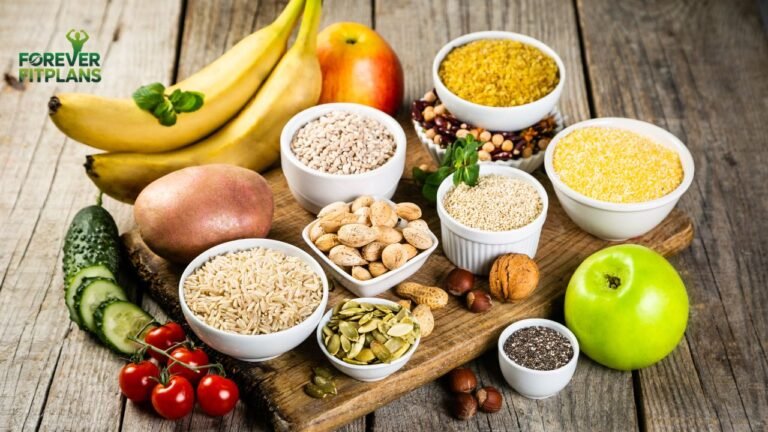
- Whole grains in small portions — oats, brown rice, quinoa (½ cup cooked servings)
- Water-rich foods — cucumber, watermelon, broth-based soups — add volume without calories
Exercise Strategy: What Burns the Most Fat in 30 Days
Exercise alone won’t produce 10 pounds of weight loss in a month — but combined with the right nutrition, it dramatically accelerates results and protects muscle mass.
The Best Exercise Combination for Rapid Weight Loss
1. Strength Training — 3 Times Per Week
Strength training is non-negotiable when trying to lose weight fast. It preserves lean muscle while you’re in a calorie deficit, prevents metabolic slowdown, and creates an “afterburn” effect (EPOC) where your body continues burning extra calories for 24–48 hours after a session.
You don’t need a gym. A 30-minute full-body bodyweight routine — squats, push-ups, lunges, glute bridges, rows — done 3 times per week is highly effective.
2. High-Intensity Interval Training (HIIT) — 2–3 Times Per Week
HIIT burns significantly more calories in less time than steady-state cardio, and produces an afterburn effect that extends calorie burning for 12–24 hours post-workout. A 20–25 minute HIIT session on an exercise bike, treadmill, or even jumping jacks and burpees at home burns 300–500 calories.
3. Daily Walking — Every Single Day
Walking is underrated. Adding 7,000–10,000 steps per day burns an extra 300–500 calories daily without joint stress, without recovery time needed, and without making you so tired you can’t function. This single habit alone can account for 3–4 pounds of additional weight loss over 30 days.
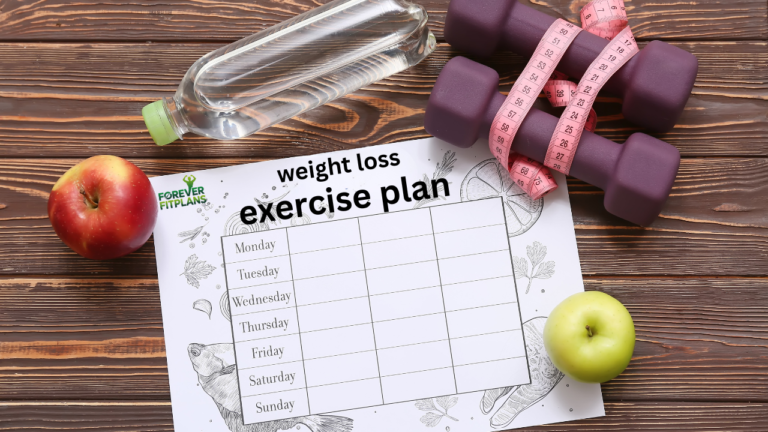
Weekly Exercise Schedule for Maximum 30-Day Weight Loss
| Day | Activity | Duration | Calories Burned (approx.) |
| Monday | Full-body strength training | 30–35 min | 200–300 kcal |
| Tuesday | HIIT cardio | 20–25 min | 300–400 kcal |
| Wednesday | Strength training | 30–35 min | 200–300 kcal |
| Thursday | HIIT or steady cardio | 30 min | 300–400 kcal |
| Friday | Full-body strength training | 30–35 min | 200–300 kcal |
| Saturday | Long walk or light cycling | 45–60 min | 300–400 kcal |
| Sunday | Rest + walking (steps only) | Steps goal | 200–300 kcal |
| Daily | Walking (7,000–10,000 steps) | Throughout day | 300–500 kcal |
Lifestyle Habits That Multiply Weight Loss Results
These factors are rarely discussed but can account for 2–3 extra pounds of monthly loss when applied consistently.
Sleep 7–9 Hours Every Night
Poor sleep — under 6 hours — raises ghrelin (hunger hormone) by up to 28% and reduces leptin (fullness hormone) by 18%. The result: you eat significantly more the next day without realizing it. One study found that sleep-deprived dieters lost 55% less fat than adequately sleeping dieters on the same calorie deficit. Sleep is not optional — it’s part of the weight loss plan.
Drink 2.5–3.5 Liters of Water Daily
Adequate hydration:
- Reduces water retention and bloating (which shows on the scale)
- Supports kidney and liver function during fat metabolism
- Reduces false hunger signals (dehydration mimics hunger in the brain)
- Boosts metabolism slightly — one study found drinking 500ml of water temporarily raises metabolism by 24–30% for about an hour
Drink a large glass of water before every meal. This alone has been shown to reduce calorie intake at that meal by up to 13%.
Manage Stress Actively
Chronic stress elevates cortisol — a hormone that promotes fat storage (particularly around the abdomen), increases sugar cravings, and drives emotional eating. Even five minutes of deep breathing, a daily walk outside, or journaling can measurably reduce cortisol. Stress management isn’t soft advice — it’s metabolically relevant.
Cut Sodium to Reduce Water Retention
Dropping sodium intake from a typical high level (3,500–5,000mg/day) to under 2,300mg/day can eliminate 2–4 pounds of water weight within 48–72 hours. Avoid packaged foods, restaurant meals, and processed meats during your 30-day push.
What 10 Pounds in a Month Actually Looks Like: A Realistic Breakdown
Here’s a genuine, honest breakdown of where the weight comes from:

| Source | Expected Amount | Timeline |
| Water weight (from cutting carbs and sodium) | 3–5 lbs | Week 1 |
| Actual body fat loss | 3–5 lbs | Weeks 2–4 |
| Reduced gut content (less food in the system) | 1–2 lbs | Week 1 |
| Total realistic loss | 7–10 lbs | 30 days |
For most people who are consistent, 7–8 pounds is the realistic target with a solid effort. 10 pounds is achievable for those with more weight to lose, higher starting calorie intake, or high daily activity levels.
Common Mistakes That Prevent Losing 10 Pounds in a Month
| Mistake | Why It Stalls Progress | Fix |
| Eating too little (under 1,200 cal) | Muscle loss, metabolic slowdown | Eat at a deficit — not a starvation level |
| Only doing cardio, no strength training | Loses muscle, slows metabolism | Add 3 strength sessions per week |
| Drinking calories (juice, soda, alcohol) | Hidden calories that add up fast | Drink water, black coffee, and herbal tea only |
| Eating healthy, but too much | Calories still matter with healthy food | Track food intake for at least 2 weeks |
| Weighing every day | Water fluctuations cause false discouragement | Weigh once a week, same time |
| Starting too intensely and burning out | Injury or exhaustion stops progress | Start sustainable, build gradually |
| Ignoring sleep and stress | Hormones counteract all dietary efforts | Treat sleep as part of the plan |
Frequently Asked Questions
Is losing 10 pounds in a month safe?
Losing 10 pounds in a month is at the upper edge of what’s considered safe. Medical guidelines recommend 1–2 pounds per week (4–8 pounds per month) as the ideal rate for sustained fat loss. Losing 10 pounds in 30 days is possible but requires a significant calorie deficit that should include adequate protein and strength training to prevent muscle loss. It’s generally safer for people with a higher starting body weight. If you’re close to a healthy weight, pushing for 10 pounds in a month increases the risk of muscle loss and metabolic slowdown.
How much of the 10 pounds lost in a month is actual fat?
Typically, 3–5 pounds of a 10-pound monthly loss is actual body fat. The remaining 3–5 pounds comes from water weight (released when glycogen stores are depleted after cutting carbs and sodium) and reduced gut content from eating less food. This doesn’t make the loss less real — the scale reflects it all — but it explains why some of the weight may partially return if normal eating resumes.
What should I eat to lose 10 pounds in a month?
Focus on high-protein foods (eggs, chicken, fish, Greek yogurt, lentils), non-starchy vegetables (unlimited — spinach, broccoli, cucumber, zucchini), small portions of complex carbs (oats, sweet potato, brown rice), and healthy fats (avocado, nuts, olive oil). Eliminate sugary drinks, white refined carbs, alcohol, fried foods, and ultra-processed snacks during the 30 days. Aim for a calorie deficit of 500–750 calories per day below your TDEE — not starvation.
Can I lose 10 pounds in a month without exercise?
It’s possible through diet alone, but significantly harder and riskier. Without exercise — particularly strength training — aggressive calorie restriction causes muscle loss alongside fat loss, which slows your metabolism and worsens body composition. You may reach 10 pounds on the scale, but look and feel worse. Exercise is not just about burning calories — it protects your muscle mass during the deficit, which is what allows the weight loss to be sustainable and visible in the right places.
Will I gain back the weight I lost in 10 pounds in a month?
The water weight component (3–5 lbs) may partially return when you resume normal carbohydrate and sodium intake — this is normal and physiological, not failure. The fat loss (3–5 lbs) is real and permanent unless you return to a calorie surplus. To maintain results after 30 days, transition gradually to a sustainable eating pattern rather than returning to old habits abruptly. Keeping protein intake high, continuing exercise, and maintaining moderate portions of healthy foods preserves most of the results long-term.
Is it possible to lose 10 pounds in a month for someone who is already at a healthy weight?
This is significantly harder and generally not recommended. As you approach a healthy weight, your body becomes increasingly resistant to rapid fat loss — protecting what it considers necessary reserves. For someone who is already lean, losing 10 pounds in a month would require extreme restriction that almost certainly results in muscle loss. A more realistic and healthier target for someone already near a healthy weight is 4–6 pounds per month.
What is the fastest way to lose 10 pounds safely?
The fastest safe approach combines: (1) a calorie deficit of 500–750 calories per day below your TDEE, (2) high protein intake (1.2–1.6g per kg of body weight), (3) cutting sodium and refined carbs to reduce water retention quickly, (4) daily walking (7,000–10,000 steps), (5) HIIT cardio 2–3 times per week, (6) strength training 3 times per week to preserve muscle, and (7) 7–9 hours of sleep per night. Consistently following all of these together for 30 days gives you the best realistic chance of losing 10 pounds.
Conclusion
So, is it possible to lose 10 pounds in a month? The honest answer is: yes — for many people, under the right conditions, with the right approach.
For those with more weight to lose, a currently high-calorie diet, and the commitment to exercise consistently, 10 pounds in 30 days is a realistic, achievable goal. For those closer to a healthy weight, 6–8 pounds is a more honest expectation. And for everyone, the quality of the weight loss matters just as much as the quantity — losing fat while preserving muscle is the goal, not just moving the scale.
The plan works: high protein, calorie deficit without starvation, cut the obvious junk, add strength training and HIIT, walk every day, sleep 7–9 hours, drink water consistently, and manage stress. None of this is revolutionary. All of it works when done together, consistently, for 30 days.
You don’t need a perfect month. You need a committed one.
This article is for informational purposes only and does not replace personalized medical or nutritional advice. Consult your doctor or a registered dietitian before beginning any new diet or exercise program — especially if you have underlying health conditions.
TheCenters for Disease Control and Prevention (CDC) recommends a gradual, steady weight loss of 1–2 pounds per week as the most effective approach for long-term weight management, with guidance on the diet and physical activity changes that make this achievable.

Dr. Daniel Carter is a certified health & wellness writer and fitness lifestyle researcher with over 8 years of experience in nutrition, weight management, sleep health, and preventive care. He is passionate about helping people live healthier, stronger, and more balanced lives through science-backed fitness strategies and easy-to-follow wellness tips.
Through FitForever Plan, Dr. Carter shares practical health advice, workout guidance, and nutrition insights designed to support long-term fitness, sustainable weight loss, and overall well-being. His mission is to make healthy living simple, achievable, and enjoyable for everyone.